


Large Wall Hanging Mirror
A large wall hanging mirror opens up a room, bringing light and presence through carved frames spanning the Georgian era to the twentieth century.
Large Wall Hanging Mirror
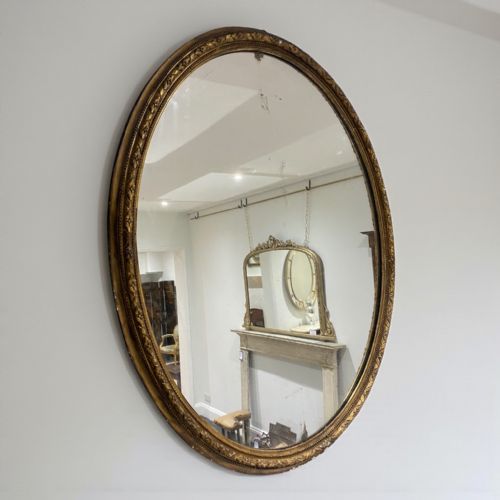
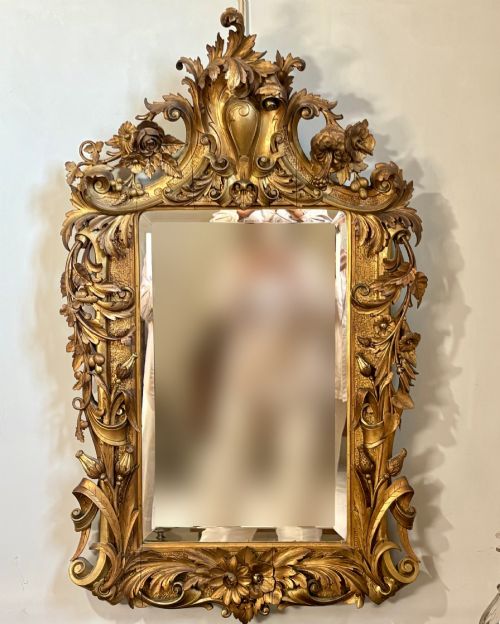
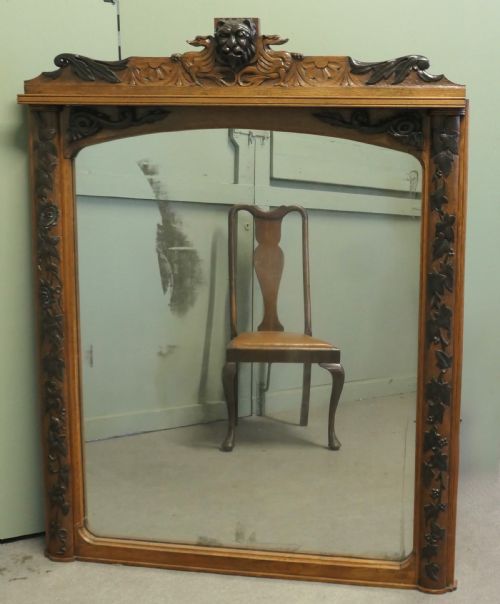
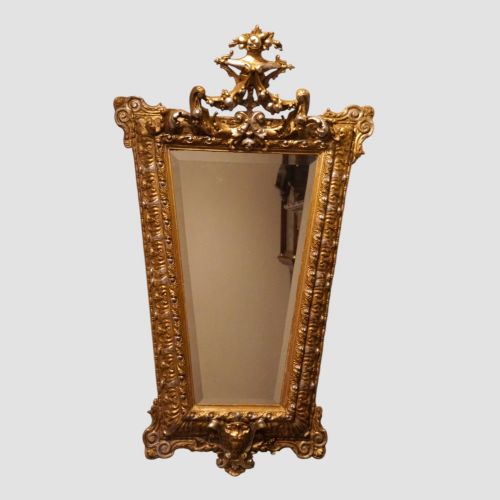
A large wall hanging mirror brings architectural weight and reflected light to an interior, functioning as a primary focal point in a room. Buyers searching for a large wall hanging mirror encounter substantial formats designed to command a wall, ranging from expansive overmantels to tall vertical compositions.
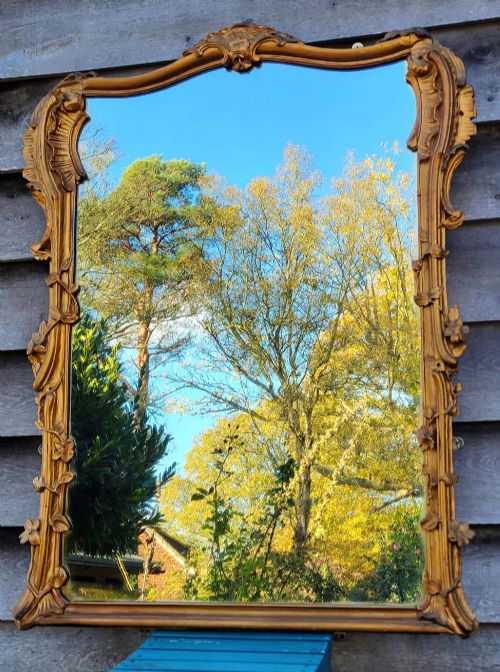
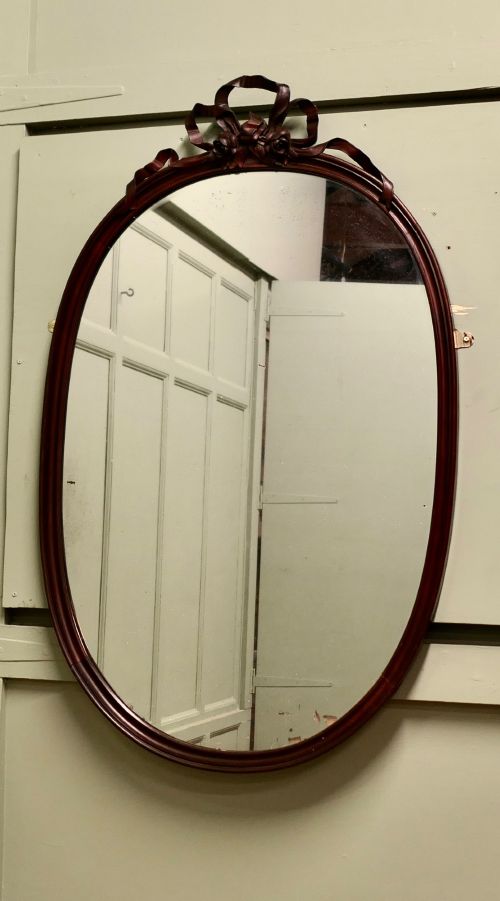
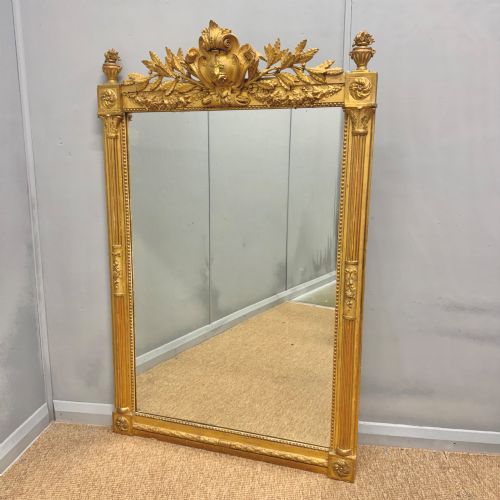
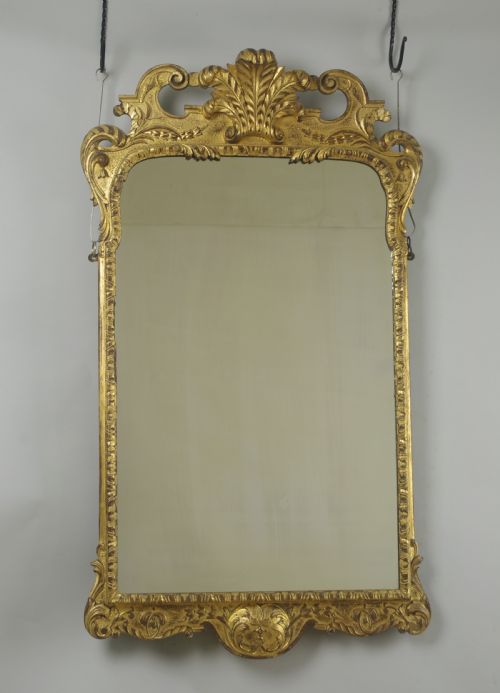
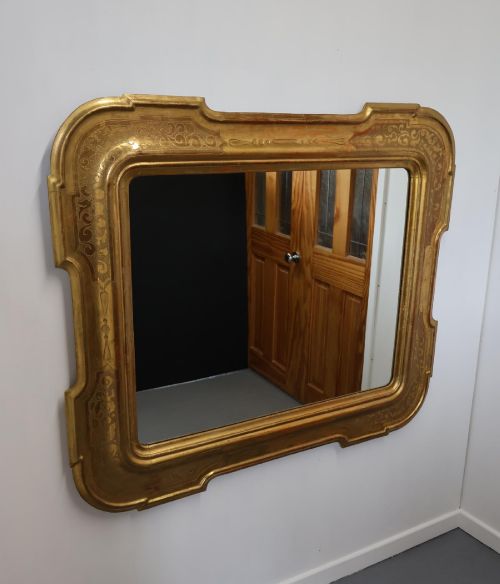
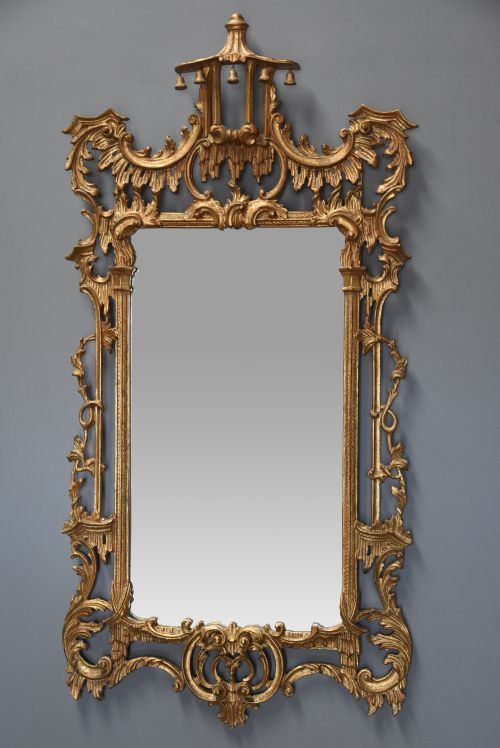
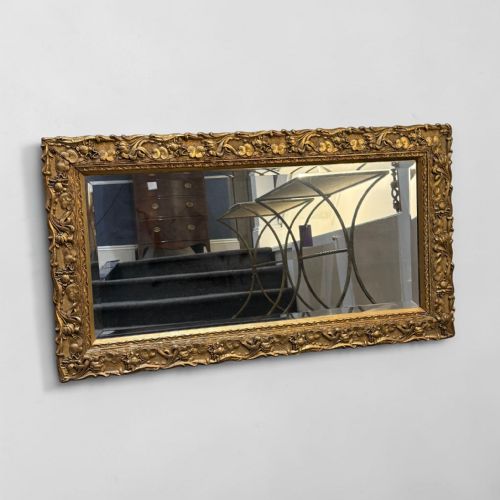
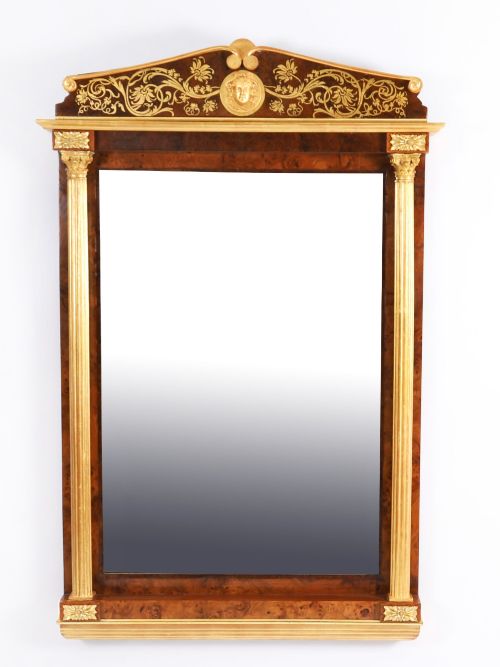
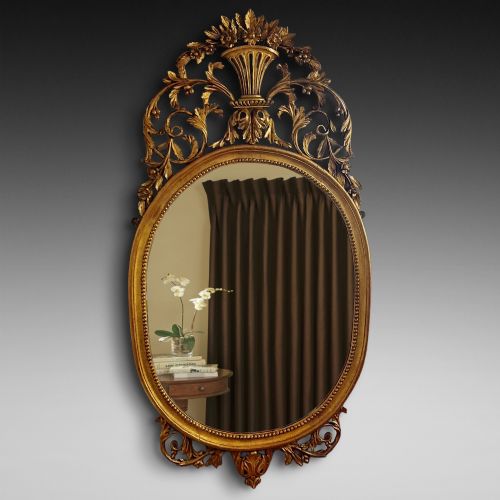
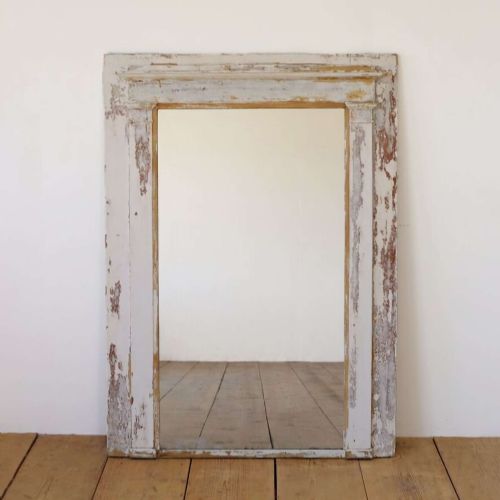
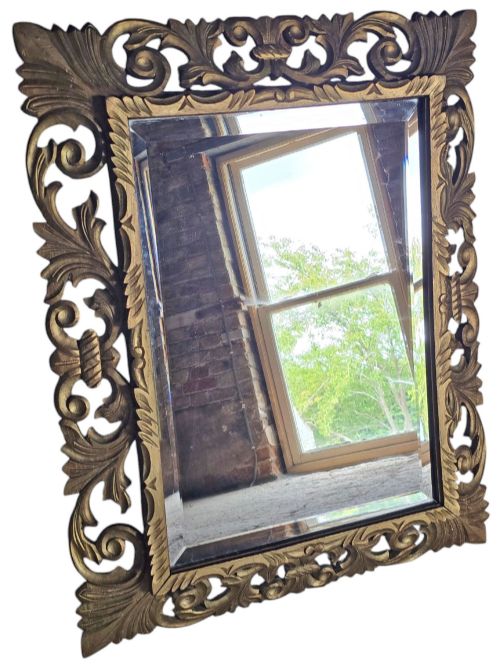
The pieces appearing in this selection draw primarily upon nineteenth century production, alongside Georgian examples and early twentieth century interpretations. Common configurations include oval formats, rectangular overmantels, and ornate Florentine frames that rely on generous proportions to define a space.
How they were made
The makers of these frames relied on solid timbers such as oak, mahogany, walnut, and satinwood, often shaping the wood through carving or inlay. Oak and mahogany provide structural integrity for substantial rectangular frames, while finer cabinet timbers receive parcel gilt highlights and polished veneers.
Giltwood and gesso surfaces required meticulous application of gold leaf or composition over carved wooden bases, creating reflective metallic sheens. Water gilding techniques allowed craftsmen to achieve brilliant burnished finishes alongside textured matte details on intricate crests and mouldings.
Large Wall Hanging Mirror Retail Price Guide 2026
Typical asking prices for large wall hanging mirror among the pieces listed under this phrase on Sellingantiques today, from the lower quarter to the upper quarter. They describe what is for sale here now, not the wider market.
What varies in quality
Depth and crispness in the carved decoration distinguish superior examples from standard production, particularly in the rendering of acanthus leaves, crests, and figures. Master carvers achieved clean undercutting and naturalistic movement in wood and gesso, whereas lesser pieces display softer, moulded details.
The integrity of the original gilding and the preservation of the glass plate influence the standing of a mirror. Hand-carved wooden frames retain sharper contours than heavy composition mouldings, and genuine period silvering or early glass exhibits a depth absent in modern replacements.
Arsène Rochette
The Large Wall Hanging Mirror Glossary
- Giltwood
- Wood that has been coated with gold leaf over a prepared gesso base. This technique creates a luminous metallic surface that catches ambient room light.
- Gesso
- A plaster mixture applied to wood frames as a smooth base for gilding or painting. Artisans carved intricate decorative motifs directly into this hardened layer.
- Overmantel mirror
- A large mirror specifically designed to hang above a fireplace mantel. These pieces stretch horizontally to match the width of the hearth below.
- Composition
- A moulded mixture of whiting, resin, and glue pressed onto wooden frames to simulate hand carving. This material gained widespread use in nineteenth century ornament production.
- Florentine style
- An ornate frame style characterised by pierced scrolling foliage and deep relief work originating from Italy. These frames frequently employ rich gilding to create an opulent decorative statement.
Large Wall Hanging Mirror: Frequently Asked Questions
Where should I hang a large mirror?
A large mirror hangs effectively above a fireplace mantel, along a hallway, or opposite a window to maximise reflected light.
Positioning the piece at eye level ensures it anchors the room without overwhelming surrounding furniture.
How do I identify a period frame?
Period frames reveal their age through the construction methods of the timber backing, hand-cut joinery, and the composition of the gesso layers.
Close inspection of the carving style and tool marks often indicates whether a piece originates from the Georgian era or the nineteenth century.
Are these mirrors heavy to hang?
These substantial frames carry considerable weight due to solid timber construction and thick glass plates.
Secure installation requires professional wall fixings and load-bearing brackets attached directly to wall studs or masonry.
What is water gilding?
Water gilding involves applying gold leaf over a wet clay base known as bole, allowing the metal to be polished to a high mirror shine.
This traditional technique produces a brilliant reflective quality distinct from modern oil gilding methods.