





Large Vintage Pitcher
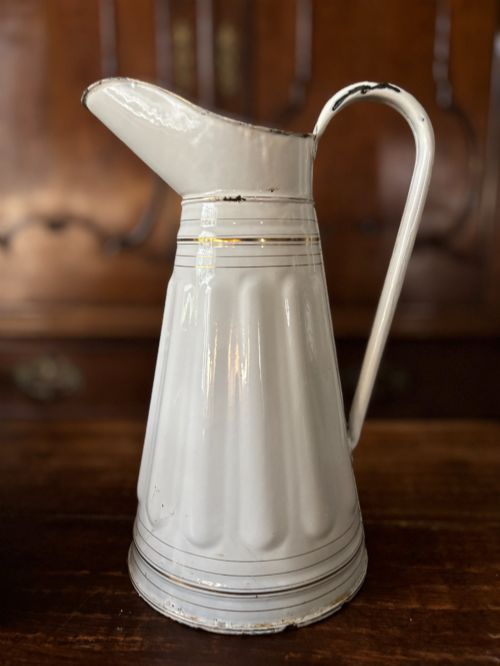
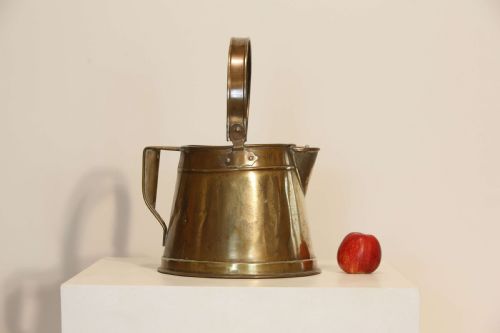
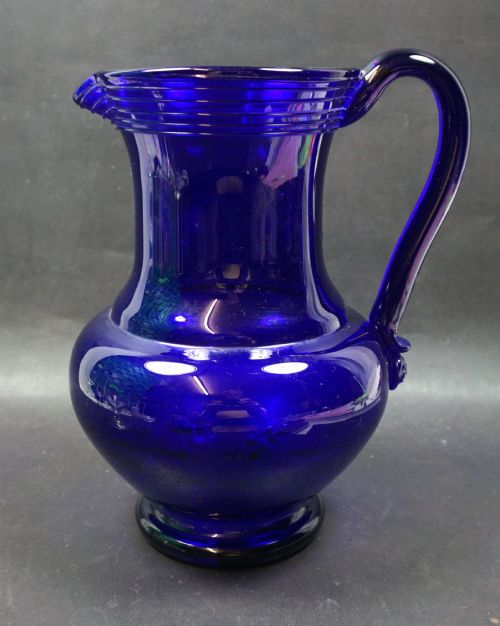
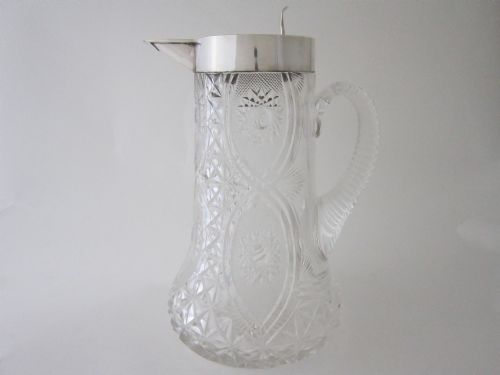
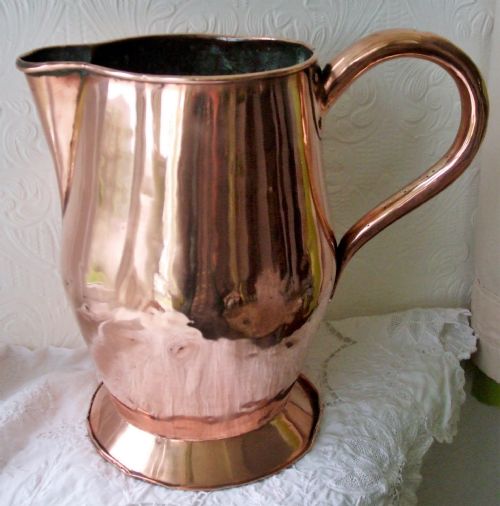
These large vintage pitcher examples range from robust copper measures to cut glass vessels designed to hold liquids with substance and presence.
Large Vintage Pitcher
A large vintage pitcher serves practical and decorative functions across domestic spaces, emerging in materials from earthenware to silver-plated metal. These vessels span periods from the eighteenth century through the mid-twentieth century, encompassing Georgian, Victorian, and Edwardian designs.
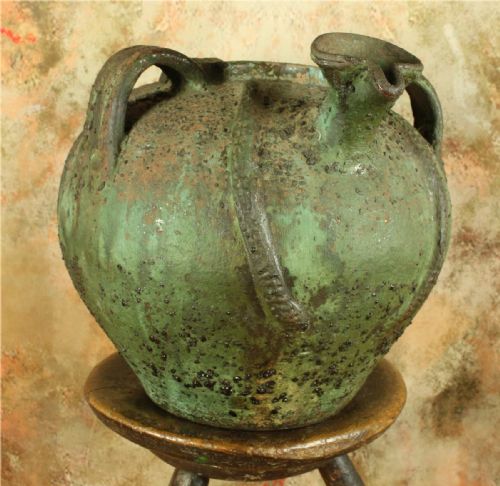
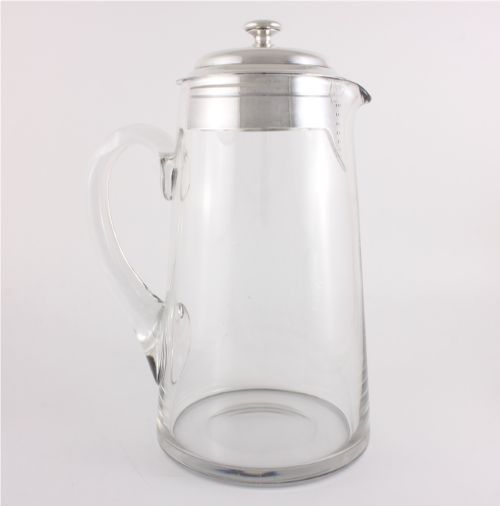
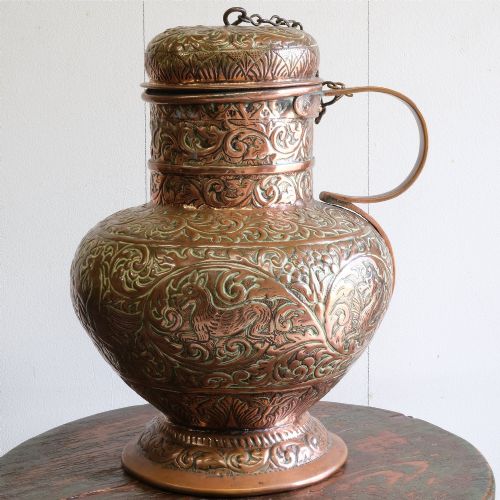
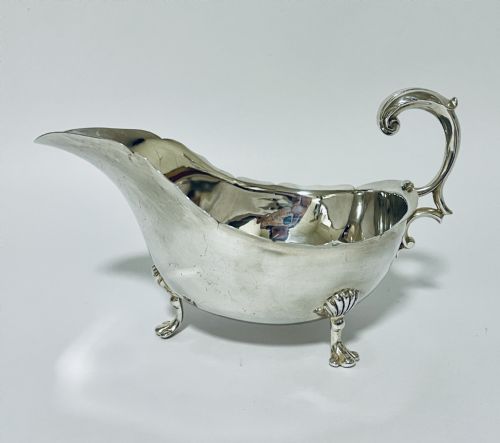
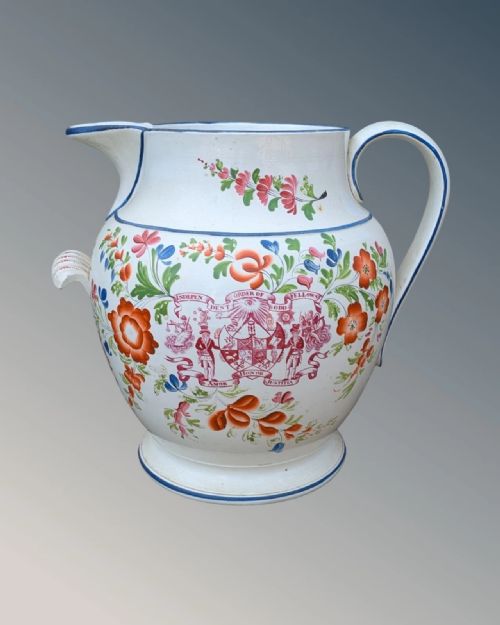
Buyers encounter heavy copper measures, ceramic tavern jugs, and cut glass water vessels on this page. Formats range from utilitarian ale flagons to decorative ewers and oil pots.
How they were made
Metal vessels utilise sheet copper, brass, and pewter formed through hammering, riveting, and coopered construction with wooden staves. Silver-plated elements and sterling mounts often complement cut and engraved glassware.
Ceramic forms incorporate earthenware, creamware, ironstone, and stoneware shaped through relief-moulding, slipware techniques, and salt glazing. Enamelware and glazed surfaces provide durable finishes for everyday utility.
Large Vintage Pitcher Retail Price Guide 2026
Typical asking prices for large vintage pitcher among the pieces listed under this phrase on Sellingantiques today, from the lower quarter to the upper quarter. They describe what is for sale here now, not the wider market.
Materials represented include copper, earthenware, stoneware, brass, cut glass, silver plate, and ceramic.
What varies in quality
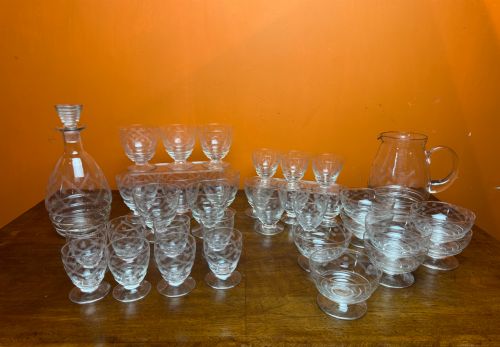
Quality rests upon the crispness of relief-moulding in ceramics and the depth of wheel-cut decoration on glass vessels. Substantial metal weight and precise joinery distinguish superior copper measures and silver-mounted pieces.
Design complexity separates standard utility items from exhibition pieces, evidenced by intricate pewter flagon ornamentation and detailed silver mounts.
Doulton Lambeth·Charles Meigh·Elkington Mason·Christofle
The Large Vintage Pitcher Glossary
- Ewer
- A large pitcher with a wide spout and flared base, traditionally utilised for pouring water.
- Flagon
- A large vessel with a handle and lid, designed primarily for holding ale or beer.
- Creamware
- A refined earthenware developed in the eighteenth century, characterised by a pale yellowish-buff glaze.
- Slipware
- Pottery decorated with liquid clay applied to the unglazed body before firing.
- Toleware
- Lacquered or enamelled metalware produced to imitate Asian lacquer techniques.
Large Vintage Pitcher: Frequently Asked Questions
What were large pitchers originally used for?
These vessels served diverse roles in domestic and institutional settings, ranging from storing oil and measuring ale to carrying water for washing and serving wine at table.
Larger capacity pieces held liquids for communal dining or tavern service, whilst finer cut glass and silver-mounted examples functioned in formal dining rooms.
How do I care for a metal pitcher?
Metal vessels require gentle cleaning appropriate to their specific composition, whether copper, brass, or silver plate. Avoid abrasive agents that strip patination accumulated over decades of use.
Store these objects in stable humidity conditions to prevent oxidation and protect any applied handles or mounts.
How can I tell a Victorian pitcher from an earlier piece?
Victorian examples often display heavier ornamentation, machine assistance in glass cutting, and distinct maker marks or registration diamonds. Earlier pieces from the eighteenth century typically show simpler, hand-hammered metal construction or early ceramic bodies like creamware.
Examining the base and interior surfaces reveals manufacturing clues specific to each period.
Are these pitchers suitable for daily use?
Many ceramic and glass versions remain functional for serving water or wine, provided they lack internal structural cracks. Metal flagons and measures add decorative utility to a kitchen or dining space.
Consider the interior condition and material stability before using antique vessels for food or drink consumption.