

Large Victorian Wall Artwork
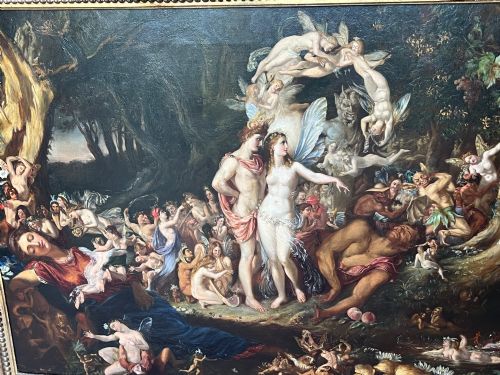
Large Victorian wall artwork brings together imposing nineteenth-century oil paintings, watercolours, and engravings designed to command a substantial domestic room.
Large Victorian Wall Artwork
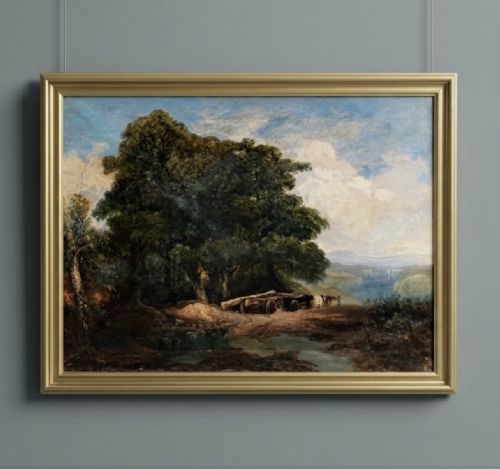
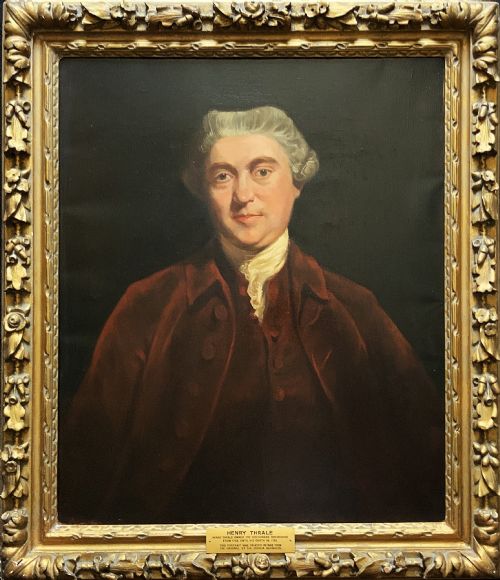
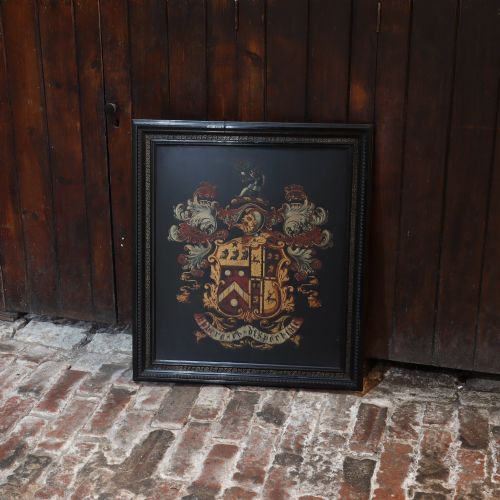
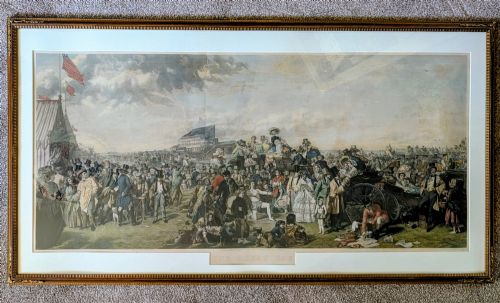
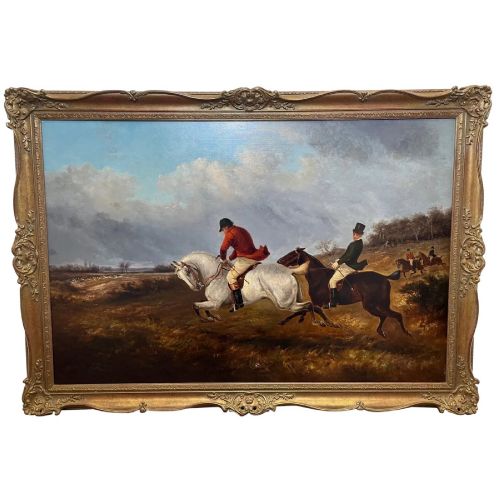
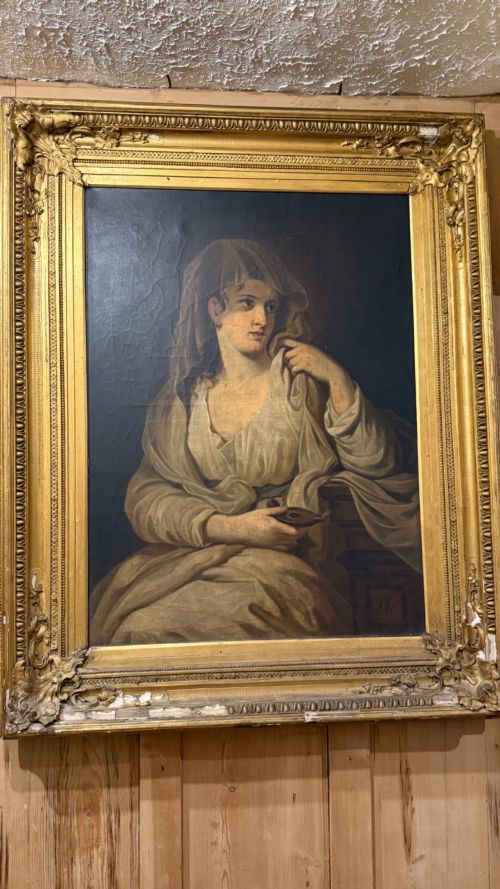
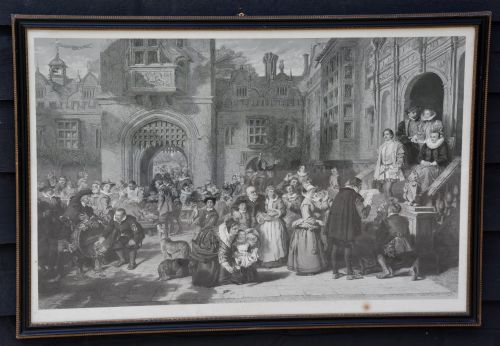
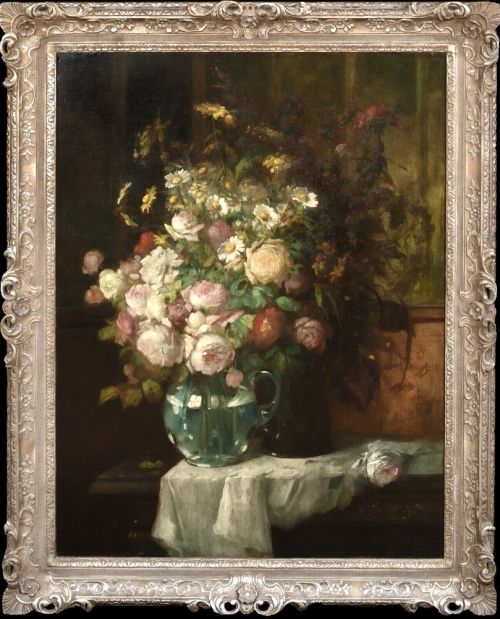
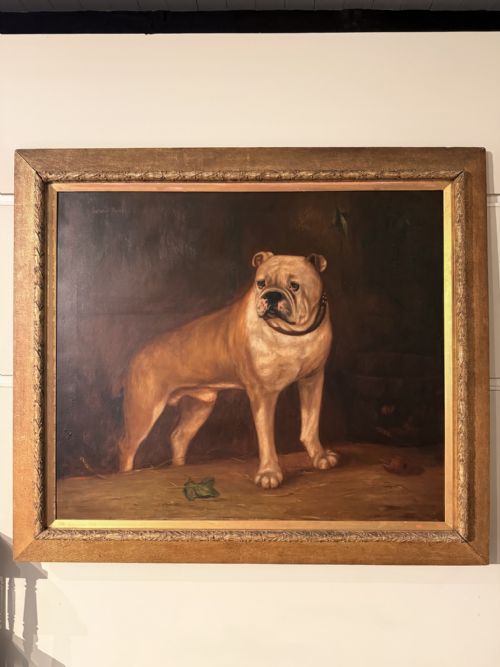
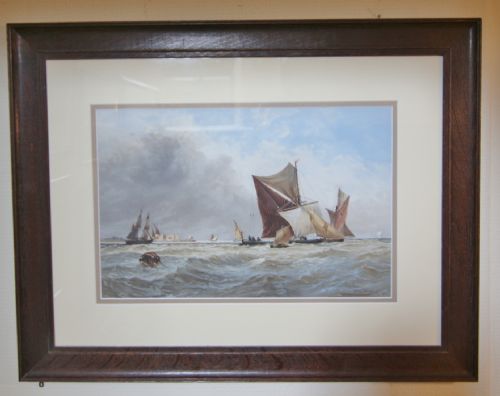
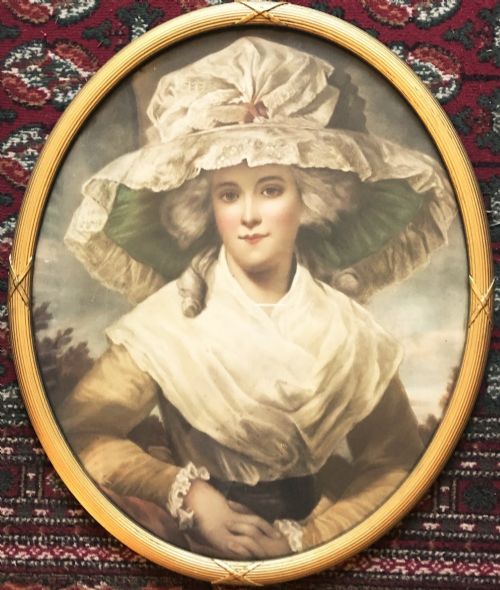
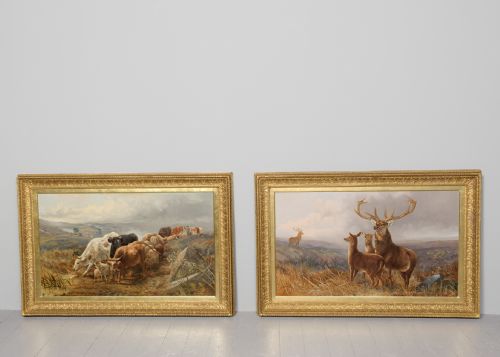
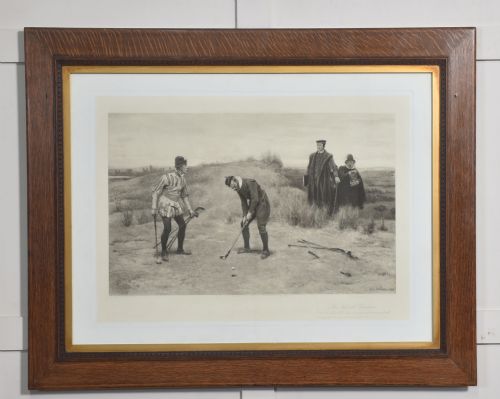
Large Victorian wall artwork encompasses monumental nineteenth-century paintings, watercolours, prints, and heraldic panels created to dominate major interior spaces. Buyers seeking large Victorian wall artwork will encounter robust oil paintings on canvas, framed engravings, and expansive watercolours depicting landscapes, maritime scenes, and historical portraits.
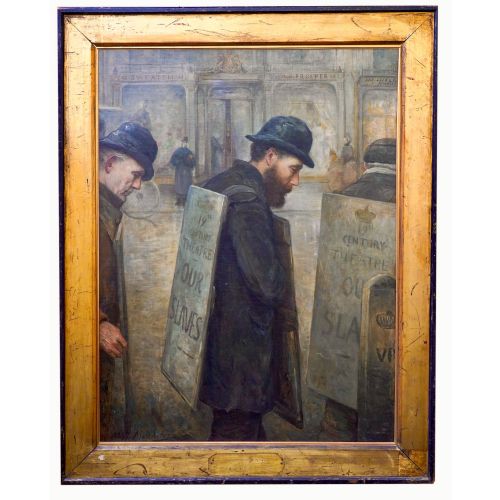
The selection ranges from pastoral rural views and coastal panoramas to social history scenes and detailed botanical subjects. Many pieces retain their original heavy timber or gilded surrounds, which contribute significantly to their architectural presence on a wall.
How they were made
These works rely on traditional media including oil paint applied to stretched canvas, watercolour and gouache on paper, and printed techniques such as engraving and mezzotint. Canvases are typically mounted on sturdy wooden stretchers, while works on paper utilise glass glazing and heavy paper supports.
The enclosing structures are constructed from wood, gesso, and giltwood, often heavily moulded and carved to house the substantial weight of the primary artwork securely.
One grand maritime oil painting spans an immense six feet of canvas, bringing a vast expanse of the Norfolk coast directly indoors.
What varies in quality
Quality rests upon the technical execution of the brushwork or print impression, the depth of historical detail, and the artist's ability to render complex compositions on a grand scale. Superior pieces demonstrate confident handling of light and perspective, particularly in extensive landscapes and populated interior scenes.
The preservation of the original framing materials and the stability of the canvas or paper support also dictate the standing of an individual piece within the wider field.
Sir Joseph Noel Paton·Richard Sebastian Bond·Felix Stone Moscheles·William Powell Frith·Thomas Smythe·Konstantin Stoitzner·TB Hardy·Robert Cleminson·J C Dollman·Alexandre Le Bihan·William Henry Mander·Thomas Sidney Cooper·Thomas Bromley Blacklock·Thomas G Appleton·Stuart Lloyd·William Sydney Cooper·David Cox Jnr·William Mellor·John Wright Oakes·Joseph Farquharson·Tom Seymour·Sidney Yates Johnson
The Large Victorian Wall Artwork Glossary
- Oil on Canvas
- A traditional painting technique where pigments bound in oil are applied to a woven fabric support stretched over a wooden frame. This medium allowed nineteenth-century artists to achieve rich colour depth and lasting durability on a monumental scale.
- Giltwood
- Timber that has been carved and coated with a thin layer of gold leaf. It was extensively utilised throughout the nineteenth century for ornate picture frames designed to complement formal interior decoration.
- Gesso
- A plaster-like mixture applied to wooden frames as a smooth base before gilding or painting. It allowed craftsmen to mould intricate relief ornamentation onto the borders of large artworks.
- Engraving
- A printmaking process where an image is cut into a metal plate with a sharp tool to hold ink. Impressions were then transferred to paper to produce detailed monochrome wall art.
- Mezzotint
- A tonal printmaking method on copper that allows for smooth gradations of dark and light. This technique gained popularity for reproducing large-scale portraits and narrative paintings during the nineteenth century.
Large Victorian Wall Artwork: Frequently Asked Questions
How do I hang heavy nineteenth-century artwork?
These large oil paintings and framed prints carry substantial weight from their thick wooden stretchers and heavy gilt surrounds. They require secure wall fixings anchored directly into structural masonry or heavy studwork.
Professional hanging hardware rated for significant loads ensures the piece remains safely supported without damaging the original frame or wall surface.
Where should I display large Victorian wall art?
Grand nineteenth-century pieces require ample wall space and high ceilings to balance their imposing physical scale. Drawing rooms, dining halls, and principal stairwells provide the appropriate architectural proportions for such works.
Positioning the artwork away from direct sunlight and steady moisture sources protects both the painted canvas and the delicate gesso on the period frames.
How do I identify a Victorian oil painting?
Victorian oil paintings often feature characteristic subjects such as romantic landscapes, maritime views, and detailed social narratives. The materials typically include a tightly woven canvas and traditional wooden stretchers characteristic of nineteenth-century workshop practices.
Signatures, dates, and inscriptions on the reverse or front of the canvas further anchor the piece securely within the Victorian period.
What is an original Hogarth frame?
A Hogarth frame is a distinctively profiled wooden picture frame characterised by a stepped or ogee moulding, traditionally finished with a dark or speckled surface. These frames gained widespread popularity for enclosing prints and paintings from the eighteenth century onwards.
Their restrained, elegant lines complement detailed engravings and interior scenes without distracting from the primary artwork.