




Large Victorian Hall Furniture
Large Victorian hall furniture commands an entranceway with heavy timber and practical design, offering storage and seating built to impress every visitor.
Large Victorian Hall Furniture
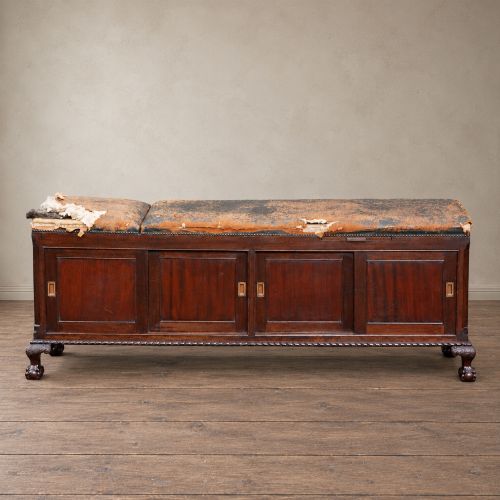
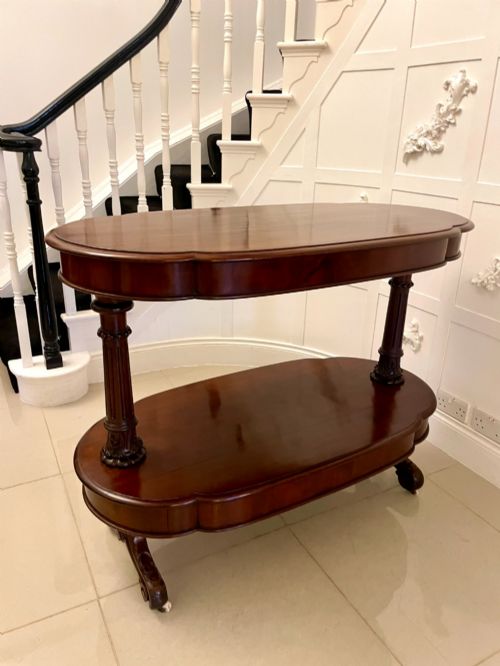
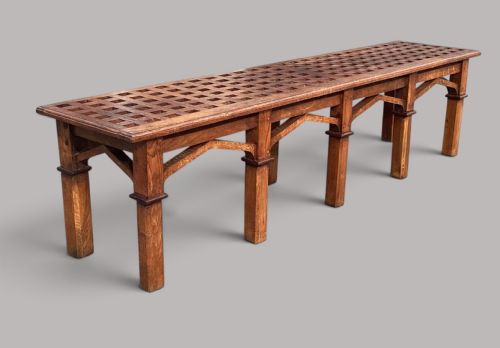
When you search for large victorian hall furniture, you encounter substantial pieces designed to furnish entrance halls, vestibules and large corridors. The selection on this page centres on sturdy oak, pine and mahogany forms intended for heavy daily use.
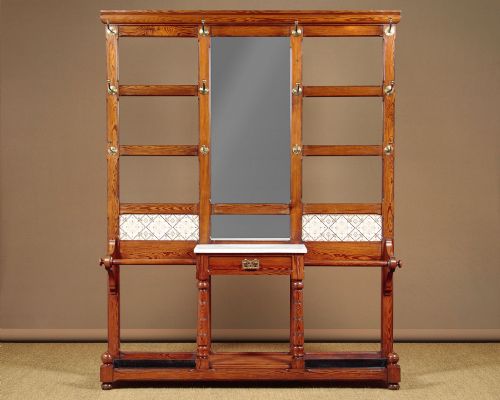
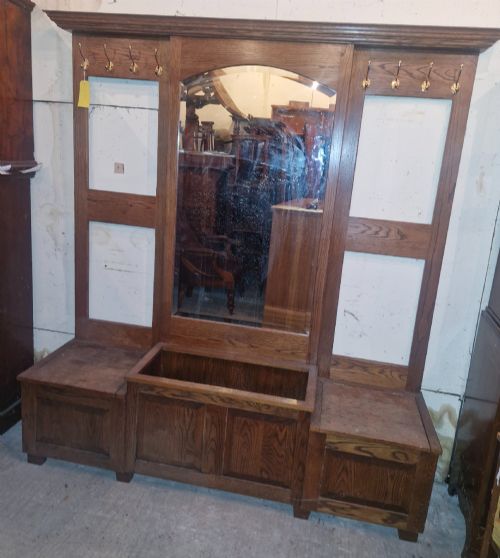
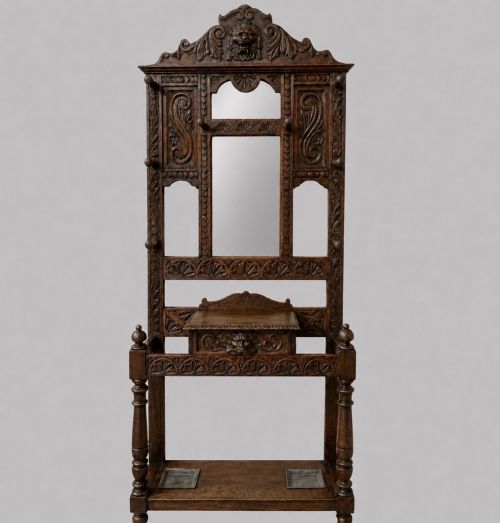
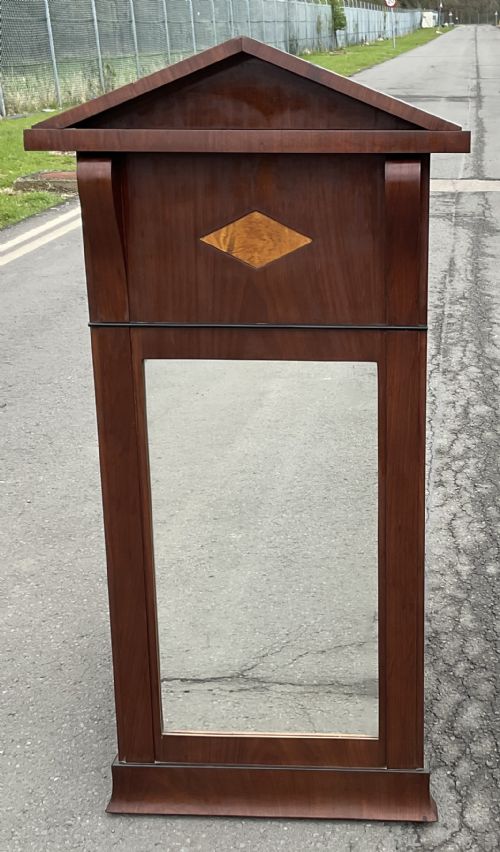
You will most commonly meet hall stands, benches, pews and stick stands dating from the nineteenth century. These items combine seating, mirror glass and storage for coats, hats and umbrellas into singular, commanding structures.
The styles range from plain country pine to elaborate Gothic revival, Flemish Renaissance and Black Forest carvings. Each piece reflects the Victorian preoccupation with grand hospitality and organised domestic transition spaces.
What varies in quality
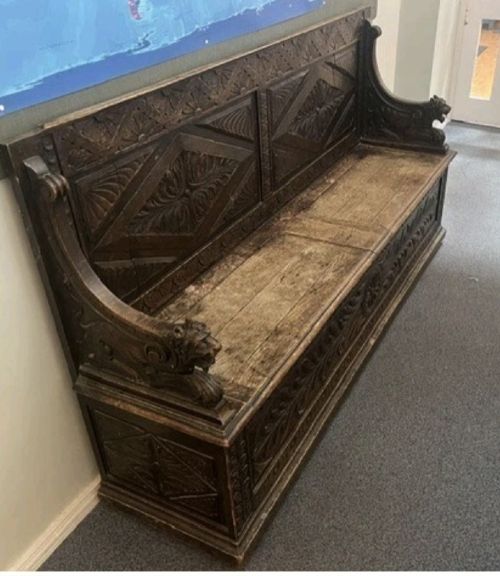
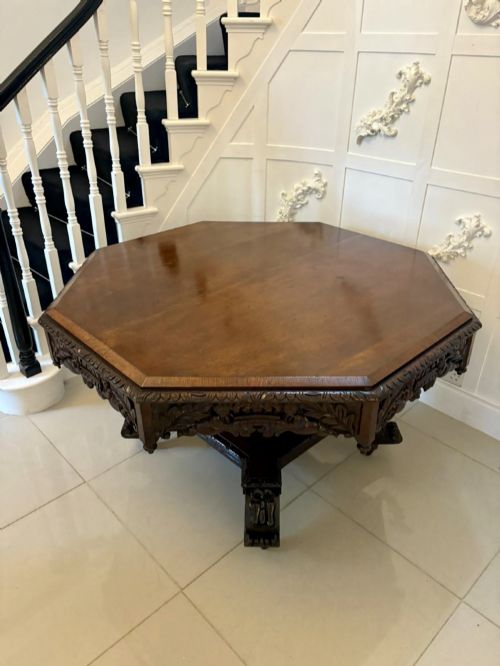
The distinction between ordinary utility items and exhibition pieces lies in the depth and ambition of the carving. Master artisans executed crisp, highly detailed figural and botanical reliefs, whereas standard workshop pieces relied on simpler turned elements and machine-sawn components.
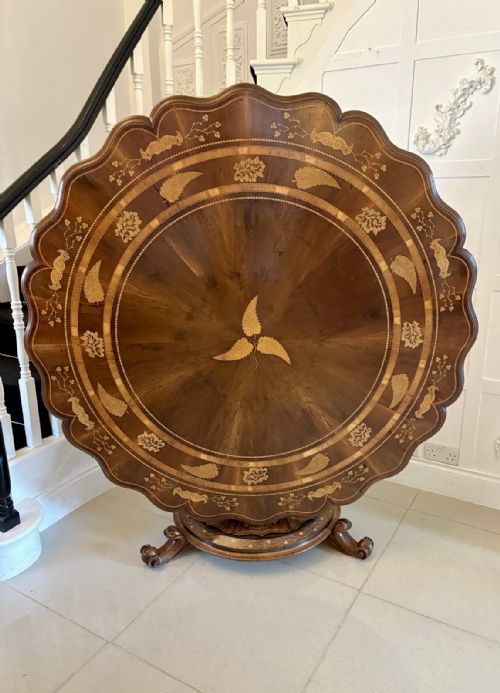
Timber selection and timber preparation also dictate the standing of a piece. Fine furniture employed select cuts of figured oak or exotic woods with precise marquetry, whilst simpler country pieces utilised local pine with honest structural repairs.
Large Victorian Hall Furniture Retail Price Guide 2026
Typical asking prices for large victorian hall furniture among the pieces listed under this phrase on Sellingantiques today, from the lower quarter to the upper quarter. They describe what is for sale here now, not the wider market.
Listings feature oak, pine, mahogany and yew wood, alongside functional elements like mirror glass, brass hooks and zinc drip trays.
Gillows·Egan Workshop
The Large Victorian Hall Furniture Glossary
- Hall stand
- A composite piece of furniture incorporating a mirror, coat hooks, a glove drawer and a base for umbrellas or sticks. These items anchored the entrance hall of large nineteenth-century homes.
- Monks bench
- A convertible piece of furniture featuring a hinged back that folded down over the arms to form a table. They provided dual utility in compact or transitional spaces.
- Killarney ware
- Highly decorative Irish woodwork characterised by intricate marquetry inlay using native timbers like yew and arbutus. Pieces often featured local architectural ruins and shamrock motifs.
- Black Forest carving
- Deeply undercut naturalistic wood sculpture originating from central Europe, frequently depicting bears and foliage. These items brought rustic drama into Victorian interiors.
- Stick stand
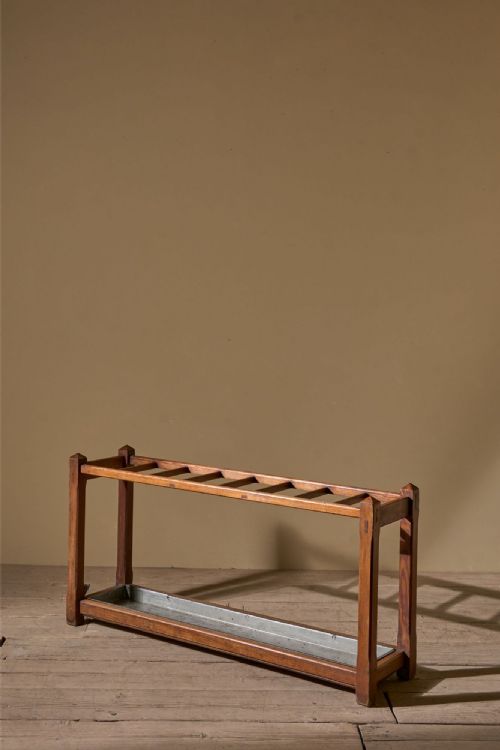
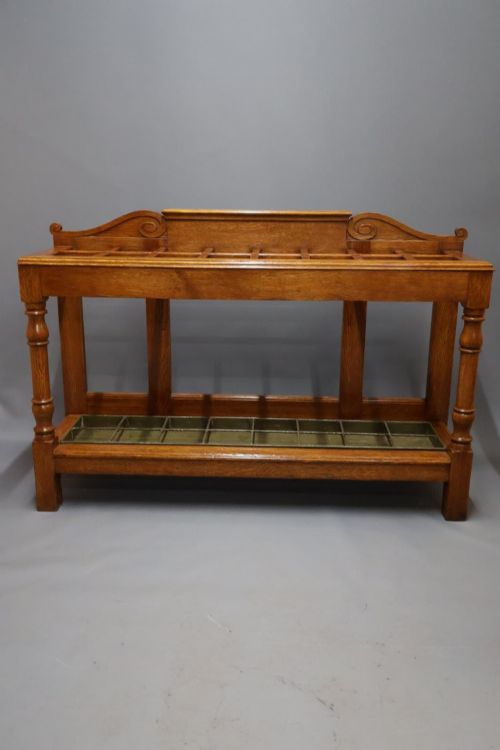
- A dedicated freestanding or wall-fixed rack designed to hold walking canes, umbrellas and parasols. They usually included zinc or metal drip trays to protect wooden floors from moisture.
Large Victorian Hall Furniture: Frequently Asked Questions
How were hall stands used?
Hall stands provided an organised storage point for outdoor garments, hats, walking sticks and wet umbrellas immediately upon entering a home. The integrated mirror allowed visitors to check their appearance before stepping into the main reception rooms.
Benches and monks benches offered a place to sit while removing heavy boots, often with concealed storage beneath the seat for household paraphernalia.
How do I fit hall furniture in a modern home?
Position these substantial pieces in high-ceilinged entrance halls or wide corridors where their physical depth will not obstruct daily movement. Ensure the wall space can safely support tall mirror-backed stands or heavy hanging racks.
Pair antique oak or pine stands with plain walls to let the deep carvings and historic timber patination remain the focal point of the space.
How can I tell different Victorian styles apart?
Gothic revival pieces feature pointed arches, quatrefoils and heavy medieval motifs executed in dark oak. Flemish and Renaissance revival items display exuberant relief carving, scrolling strapwork and prominent figural corbels.
Country pieces rely on simple plank construction in pine or pitch pine with minimal decoration, whereas exhibition pieces incorporate fine marquetry inlay and exotic hardwoods.