



Large Victorian Coffer
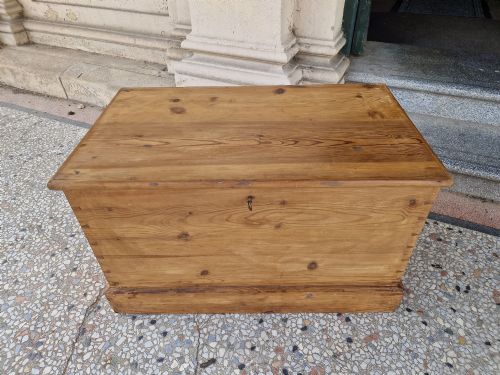
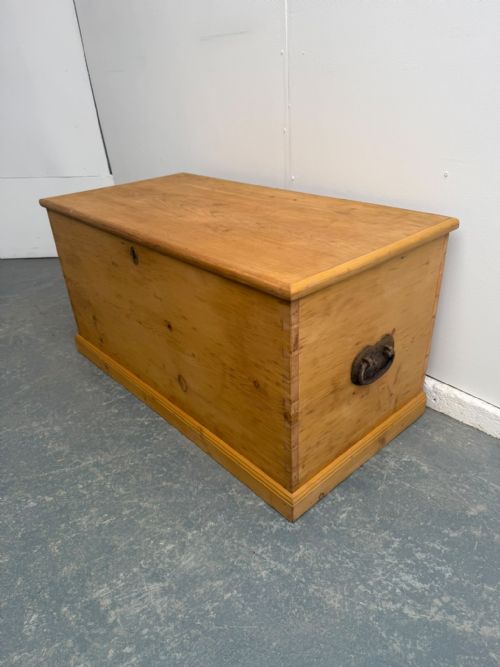
A large victorian coffer brings substantial timber storage into a room, offering deep domestic capacity shaped by nineteenth-century utility.
Large Victorian Coffer
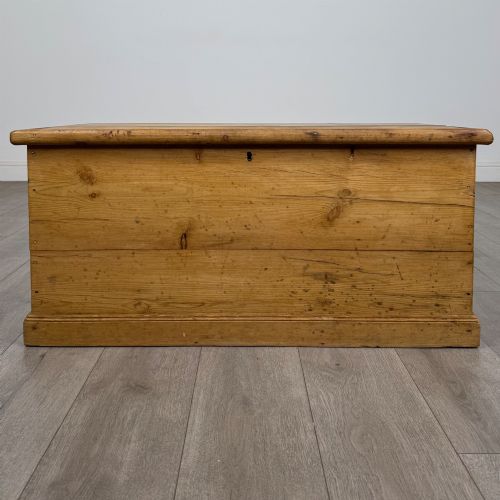
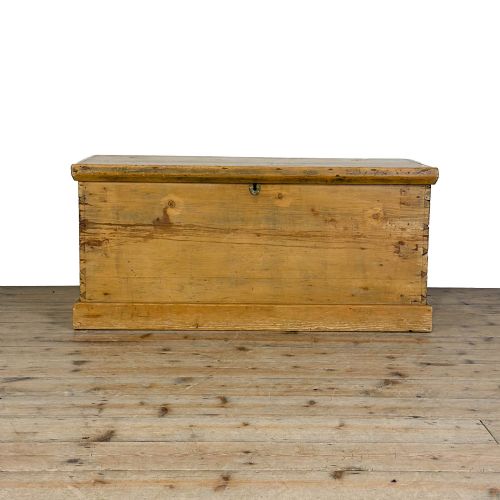
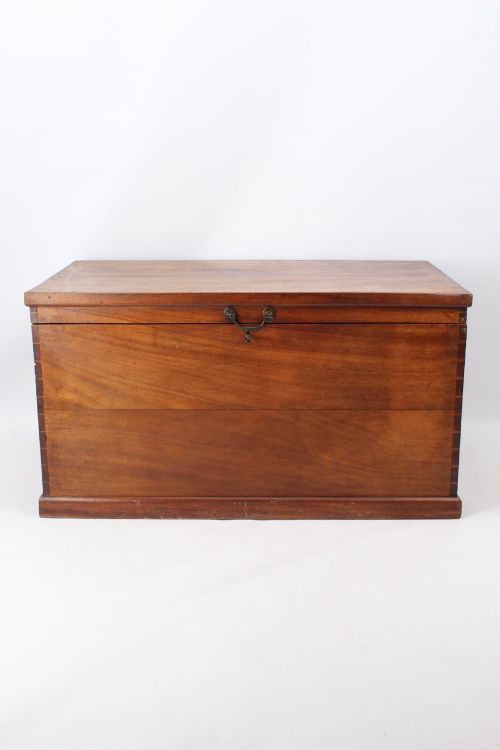
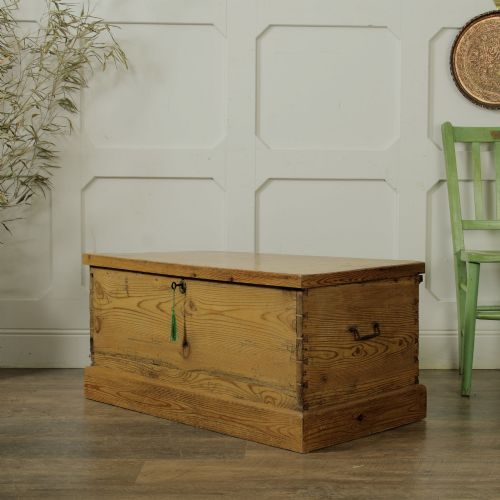
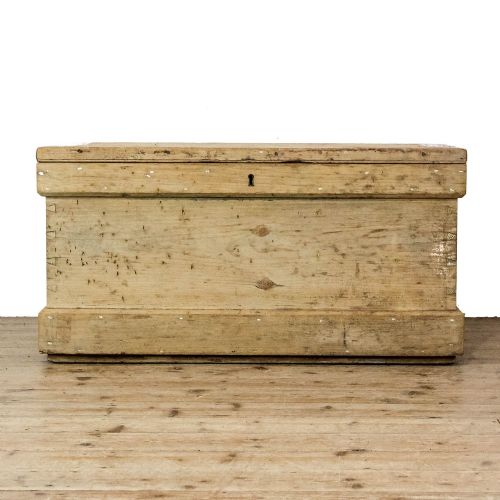
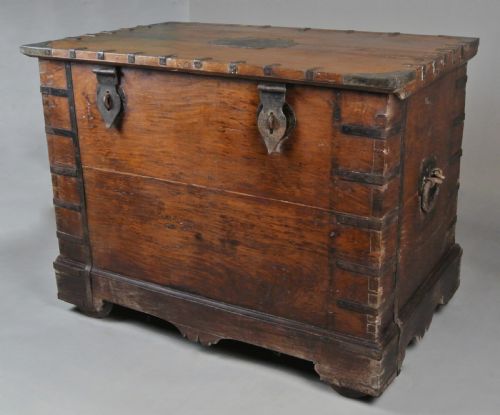
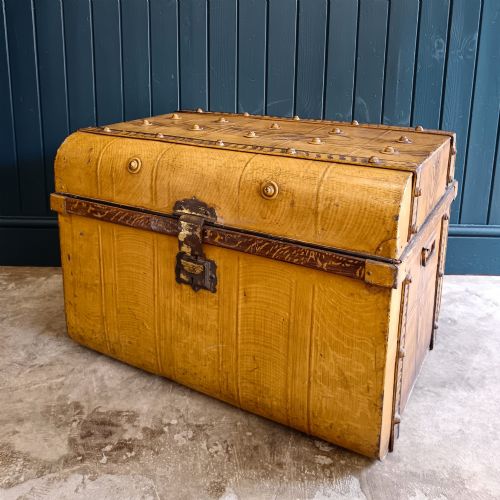
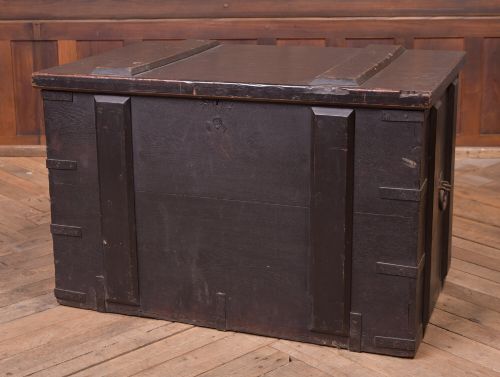
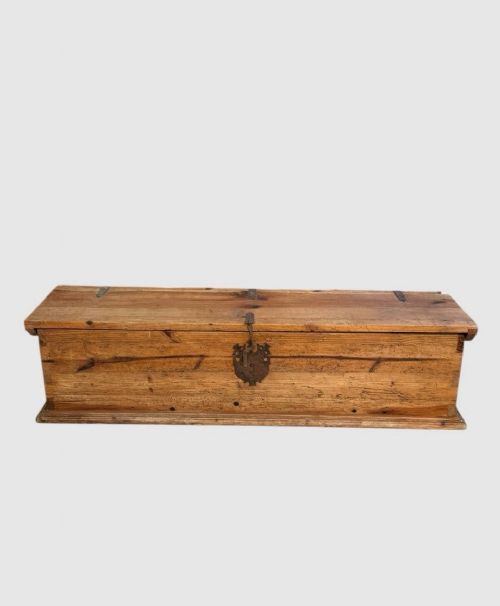
A large victorian coffer serves primarily as a heavy-duty storage chest or blanket box, originating across the nineteenth century in various domestic settings. These pieces range from robust pine country boxes to brass-bound camphor wood travelling trunks and heavily iron-banded oak silver chests.
The version most commonly encountered on this page is constructed from pine, often waxed or painted, functioning as a blanket box or general storage trunk. Alongside these domestic pine boxes, buyers frequently find denser hardwoods like teak, oak, and camphor wood utilised for heavier travel or campaign purposes.
How They Were Made
Carpenters constructed these large receptacles using sturdy domestic and exotic timbers such as pine, oak, mahogany, teak, and camphor wood, joined to withstand heavy daily use. Iron bands, brass binding, and metal brackets reinforced the corners and edges of travel trunks and silver chests against the rigours of transit.
Surfaces received various finishes depending on the intended setting, ranging from simple wax polish on country pine to scumble paint, faux-wood effects, or upholstered leather on ottomans. Specialised linings like zinc appeared in military travel trunks to protect contents from moisture during long journeys.
What Varies in Quality
Construction methods dictate the integrity of a chest, distinguishing utilitarian utility boxes from finer country house or campaign furniture fitted with secret drawers and internal tills. The choice of timber also shifts the character, moving from everyday softwoods like pitch or standard pine to durable hardwoods like teak, oak, and camphor wood.
Hardware execution marks another division, where hand-beaten iron bands, substantial brass binding, and original flush-fitting campaign handles denote superior original commissioning compared to simpler commercial replacements. The preservation of original surface treatments, whether polished grain, scumble paint, or applied leather, alters the visual weight of the piece.
H D Dean
The Large Victorian Coffer Glossary
- Coffer
- A large heavy chest used for storing valuables, linen, or documents. These deep receptacles usually feature a hinged lid and robust timber construction.
- Campaign Chest
- A modular or bound storage chest designed for military transport during the nineteenth century. These pieces typically feature recessed brass handles and reinforced corners.
- Mule Chest
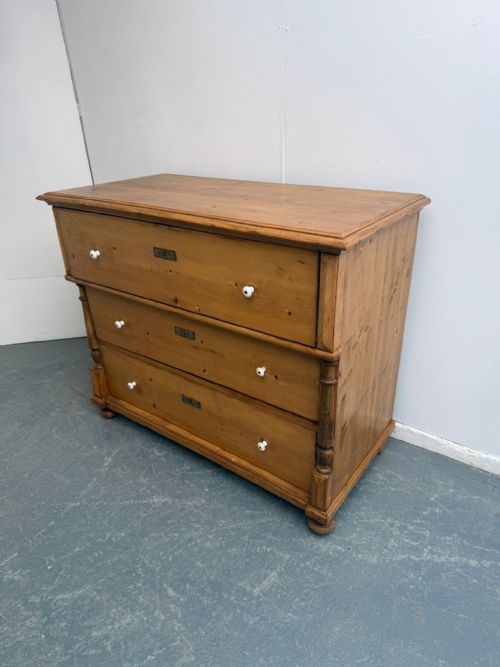
- A storage chest characterised by one or more drawers built into the base beneath the main compartment. This hybrid form bridges the traditional coffer and the modern chest of drawers.
- Scumble
- A decorative painting technique used to simulate wood grain on pine or other plain surfaces. Artisans dragged translucent glazes across a lighter base coat.
- Silver Chest
- A heavy oak or pine trunk lined to protect domestic silverware and plate. These specialised boxes frequently feature iron banding and secure locking mechanisms.
Large Victorian Coffer: Frequently Asked Questions
How were large victorian coffers used originally?
Households utilised these deep wooden chests for storing heavy woolen blankets, winter textiles, and household linens away from dust. Wealthier families also employed iron-bound variants as travelling trunks or secure repositories for silver.
In domestic spaces, they frequently doubled as seating benches or hallway furniture while keeping bulky possessions out of sight.
Are these chests suitable for modern coffee tables?
The flat lids and sturdy proportions of many nineteenth-century blanket boxes make them practical candidates for placement in front of a sofa. Their internal cavity simultaneously provides concealed storage for living room clutter.
Buyers should verify the height and surface stability to ensure everyday convenience within a modern seating arrangement.
How do I care for a waxed pine finish?
Maintaining a waxed nineteenth-century surface requires occasional application of a quality beeswax to nourish the dry timber and preserve the sheen. Regular dusting with a soft, dry cloth prevents particulate accumulation without harming the historic patina.
Avoid placing these pieces near direct heat sources or in damp environments to prevent timber warping or cracking.