




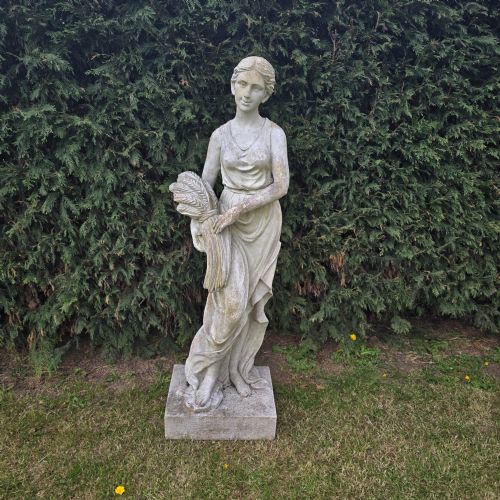
Large Stone Sculpture
Large stone sculpture encompasses substantial carved and cast figures designed for gardens and interiors, ranging from classical garden ornaments to intricate mineral carvings.
Large Stone Sculpture
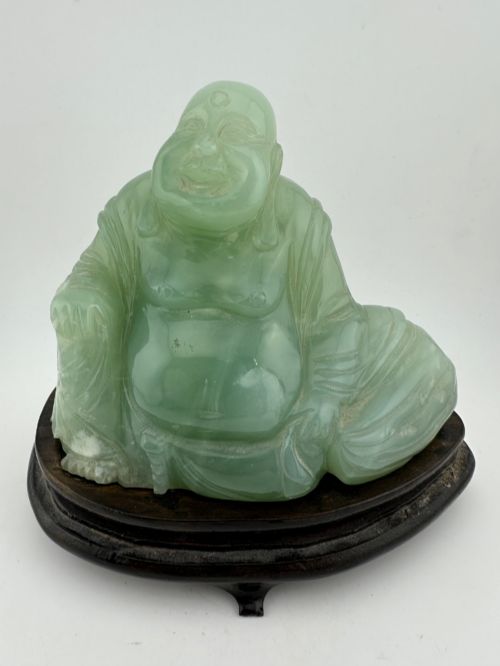
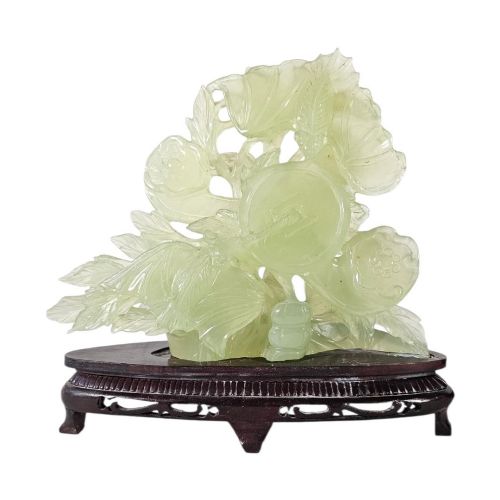
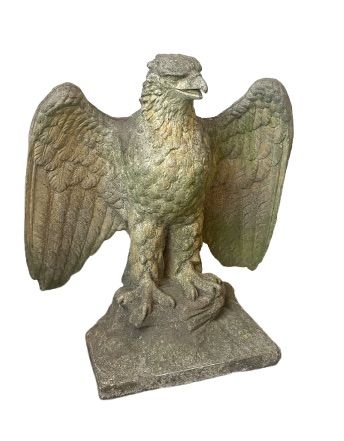
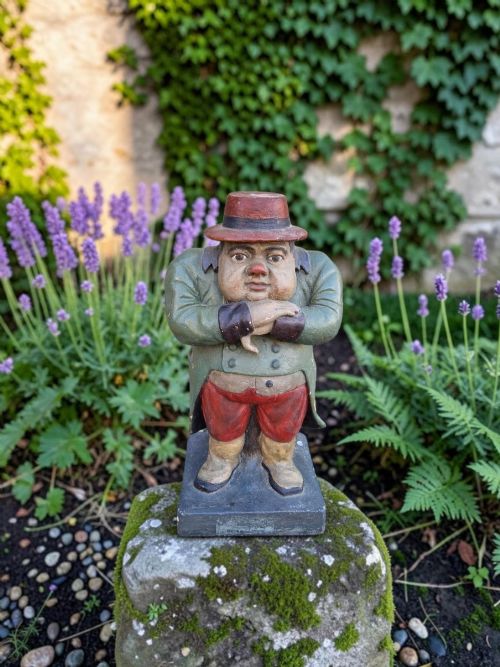
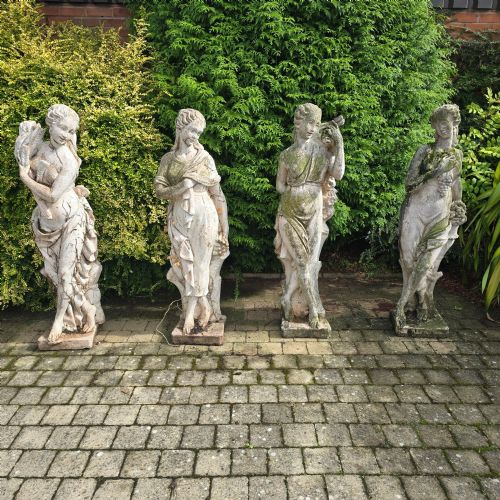
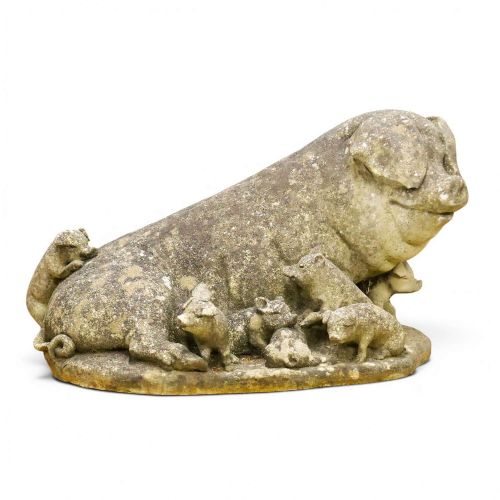
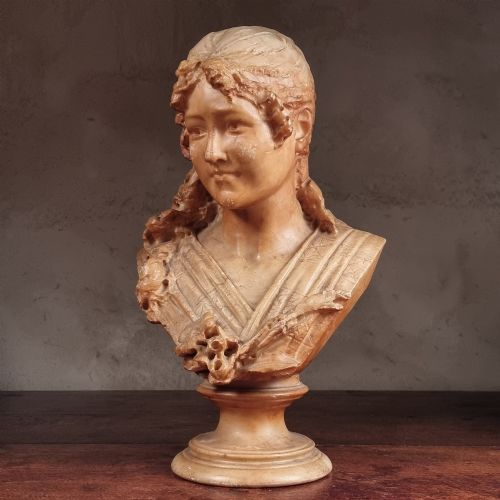
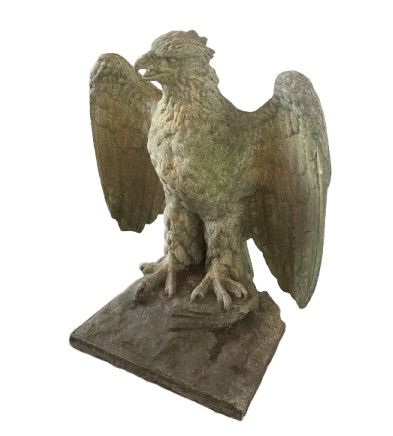
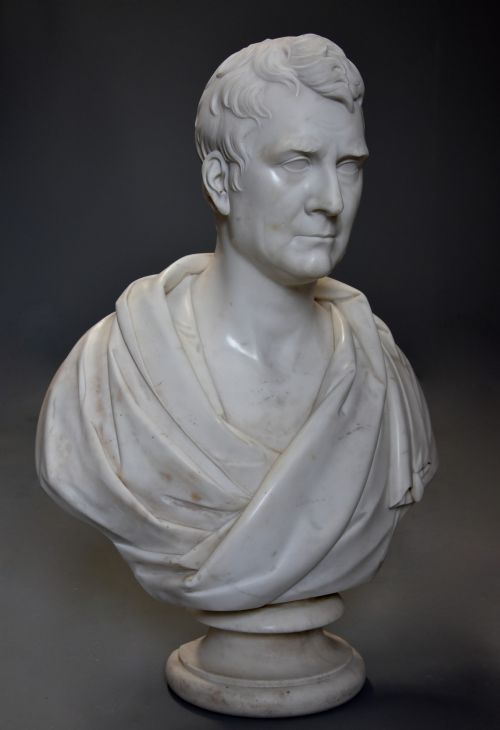
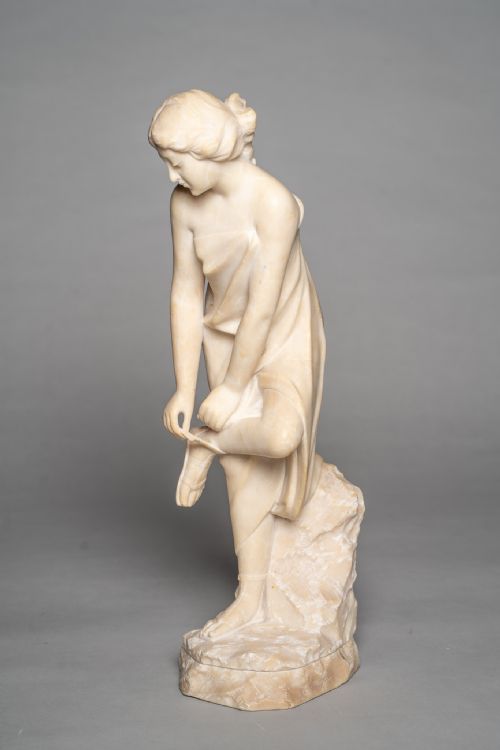
A search for large stone sculpture reveals heavy garden statuary, architectural ornaments, and interior display pieces spanning multiple centuries. Buyers encounter outdoor figures such as lions, eagles, and allegorical representations alongside indoor busts and mineral carvings.
The objects derive from diverse traditions, including nineteenth-century European garden ornamentation, classical revival pieces, and Chinese hardstone carvings. These works utilise durable media intended to withstand weathering outdoors or anchor interior decorative schemes.
Materials and construction methods
Sculptors and manufacturers utilised natural quarried stones like marble and alabaster, alongside cast alternatives including reconstituted stone, composite stone, and terracotta. Hardstone, jadeite, and soapstone appear in smaller ornamental carvings.
Makers shaped natural stone through direct carving with chisels, while cast garden figures utilised moulds filled with cementitious or clay mixtures. Stands and bases frequently incorporate secondary materials such as hardwood or metal.
Large Stone Sculpture Retail Price Guide 2026
Typical asking prices for large stone sculpture among the pieces listed under this phrase on Sellingantiques today, from the lower quarter to the upper quarter. They describe what is for sale here now, not the wider market.
Materials range from quarried marble and alabaster to cast stone, terracotta, and carved Chinese jadeite.
Distinctions in craftsmanship
Quality rests in the precision of the carving and the fidelity of the cast. Hand-carved marble and alabaster pieces demonstrate anatomical nuance and fine detail in drapery, whereas mass-produced cast stone exhibits softer edges.
The integrity of the material and the character of the surface weathering determine visual success. Pieces retaining crisp original tooling or uniform patination stand apart from those with heavy degradation or crude repairs.
J Francis·A.Gamay·Cipriani·Hurlford Kilmarnock
The Large Stone Sculpture Glossary
- Pier Finials
- Architectural ornaments placed on top of gate pillars or walls. These are typically heavy sculptural elements designed to terminate vertical masonry.
- Scagliola
- A composite material made from selenite, glue, and pigments, mimicking marble and other fine stones. It is applied to cores to create smooth architectural surfaces.
- Terracotta
- Fired clay used for durable garden statuary and architectural elements. This porous material develops a characteristic patination over time.
- Shi Shi
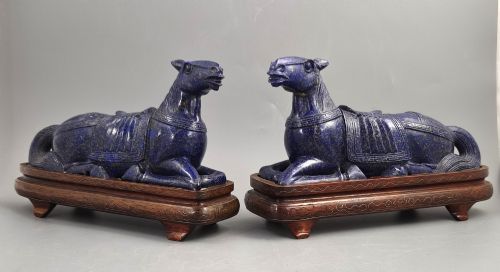
- Traditional Chinese guardian lions carved from stone or soapstone. They frequently appear in pairs guarding entrances or serving as desk seals.
- Portasanta
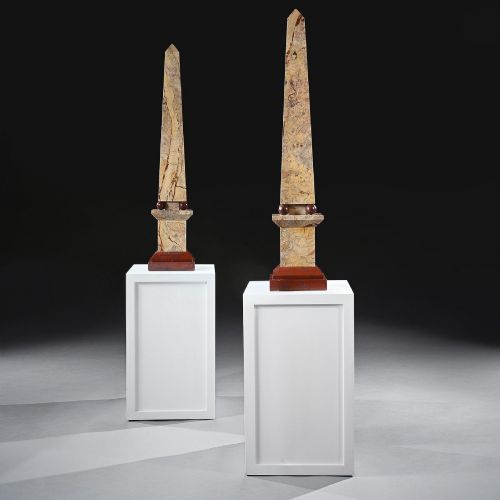
- A type of polychrome marble known for its distinct reddish-purple and white brecciated pattern. It was favoured for grand architectural accents and decorative obelisks.
Large Stone Sculpture: Frequently Asked Questions
How do I place large stone sculptures outdoors?
Heavy garden statues and pier finials require stable, level foundations such as stone plinths or concrete pads to prevent shifting over time. Proper drainage beneath the base prevents moisture retention during colder months.
Positioning pieces away from areas prone to standing water protects the material from frost damage. Allowing space around the sculpture ensures safe clearance for garden maintenance.
Can alabaster sculptures be kept outside?
Alabaster is a softer, water-soluble mineral unsuited for outdoor exposure. These carved busts and figures belong strictly in dry interior spaces.
Humidity and temperature fluctuations cause alabaster to degrade rapidly. Indoor placement preserves the fine surface detail and polished finish characteristic of the material.
How should I clean marble garden statuary?
Routine cleaning involves gentle brushing with soft-bristled tools to remove dirt and organic debris. Water alone generally suffices for stable stone surfaces.
Harsh chemical detergents and pressure washers strip protective patinas and erode the stone. Allowing natural weathering to persist often enhances the visual character of outdoor figures.