

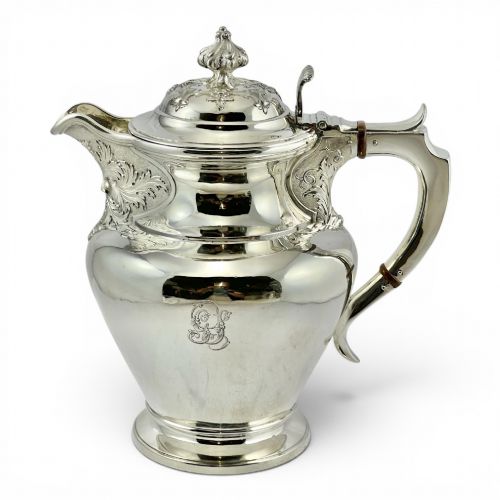


Large Silver Pitcher
A large silver pitcher is a commanding vessel for water, wine or ale, built to anchor a table with heft and polish.
Large Silver Pitcher
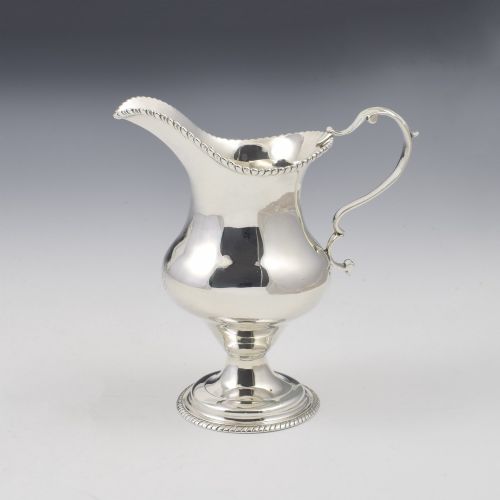
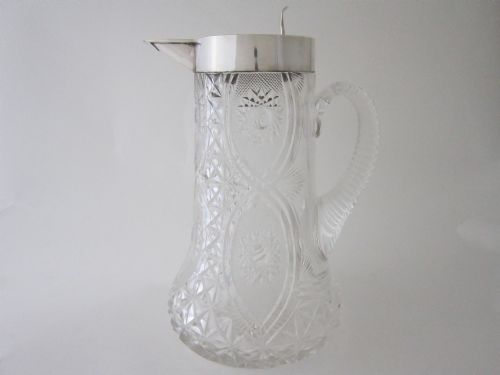
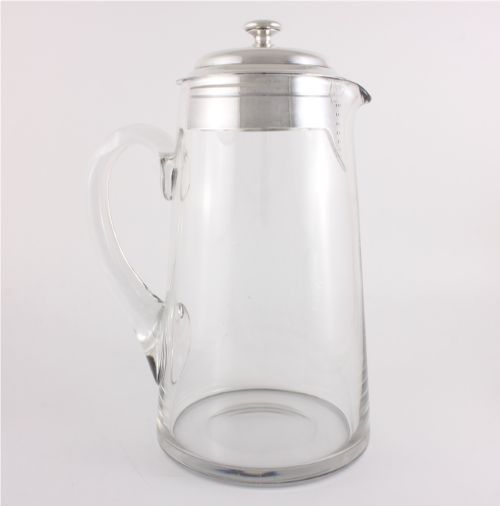
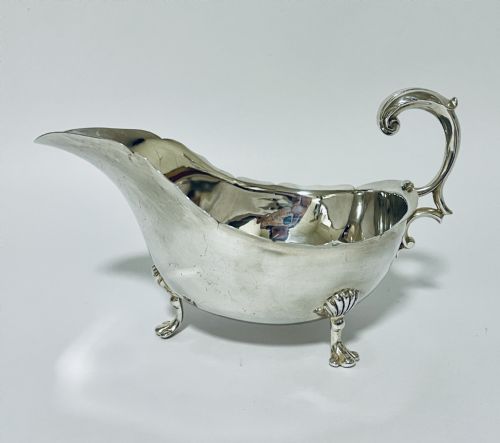
A large silver pitcher stands out on a table or sideboard through sheer scale and presence, serving practical uses from pouring water to holding ale. When you browse for a large silver pitcher, you encounter substantial vessels created across centuries, ranging from formal Georgian milk and cream jugs to robust nineteenth-century harvest jugs and Edwardian glass water containers.
The versions most common on this page combine polished metal with glass, earthenware or stoneware, balancing heavy sterling silver or silver plate with sturdy bodies. Makers adapted these forms across eras, resulting in varied silhouettes from classical Georgian profiles to ornate Victorian cut glass bodies mounted in silver.
How they were made
Silversmiths shaped sterling silver and silver plate by hand, hammering and soldering metal to form durable handles, rims and spouts. Many pieces combine metal mounts with blown glass, cut glass, cranberry glass or stoneware bodies, securing collars and lips directly onto the vessel.
Techniques varied from Old Sheffield plating on copper to traditional casting and chasing in solid silver. Makers also utilised wood and pewter for utilitarian ale jugs, pairing organic grips with heavy metal bases.
Large Silver Pitcher Retail Price Guide 2026
Typical asking prices for large silver pitcher among the pieces listed under this phrase on Sellingantiques today, from the lower quarter to the upper quarter. They describe what is for sale here now, not the wider market.
One towering ale jug holds a full gallon of liquid, ensuring nobody went thirsty during eighteenth-century harvest suppers.
What varies in quality
Quality rests in the weight of the metal and the precision of the assembly, where heavier gauges of sterling silver or thick silver plate indicate superior manufacture. The balance of the handle and the clean line of the pour dictate whether a piece succeeds as both ornament and tool.
The integration of materials reveals the maker's hand, particularly in how securely silver mounts grip cut glass or stoneware bodies. Crisp hallmarks, refined chasing and uncompromised structural integrity separate utilitarian vessels from masterworks.
William Comyns·Stalker & Mitchison·Christofle·Elkington Mason
The Large Silver Pitcher Glossary
- Sterling silver
- An alloy containing a high proportion of pure silver mixed with other metals for strength. This standard is marked by traditional assay office hallmarks.
- Old Sheffield plate
- An early form of composite metal made by fusing a thin sheet of silver to a thicker copper base. Pieces show the characteristic copper bleed along cut edges.
- Cut glass
- Glass decorated by cutting facets or patterns into the surface using a wheel. It adds weight and sparkle when mounted in silver rims.
- Cranberry glass
- A rich pinkish-red glass created by adding gold chloride to the molten batch. It appears in striking Edwardian water jugs.
- Hallmark
- A stamp or series of stamps applied to precious metals indicating the maker, standard of purity, and year of assay. These marks provide precise dating.
Large Silver Pitcher: Frequently Asked Questions
What were large silver pitchers used for?
These vessels held water, wine, beer, milk or cream for grand household dining and formal gatherings.
They stood on sideboards or dining tables, ready to serve guests during substantial meals and celebrations.
How do I date a silver pitcher?
Assay office hallmarks stamp the exact year and maker onto sterling silver components, providing a clear record of origin.
Stylistic shifts, from Georgian restraint to Victorian exuberance and Edwardian glass combinations, also point to specific eras.
Can I use these pitchers daily?
Solid silver and sturdy silver-plated pitchers remain robust enough for regular serving if handled with care and washed by hand.
Pieces featuring cut glass or fragile ceramic bodies require gentle treatment to preserve their historic mounts and delicate surfaces.
What is the difference between silver and plate?
Solid sterling silver consists of a regulated precious metal standard throughout the entire body of the object.
Silver plate applies a thin layer of silver over a base metal such as copper, pewter or Britannia metal.