
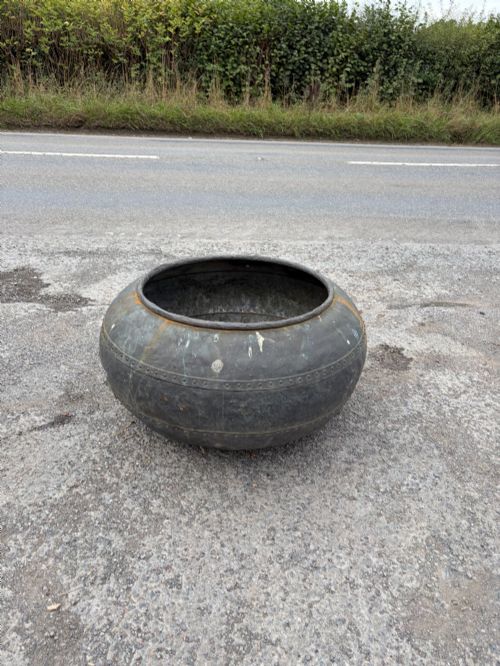
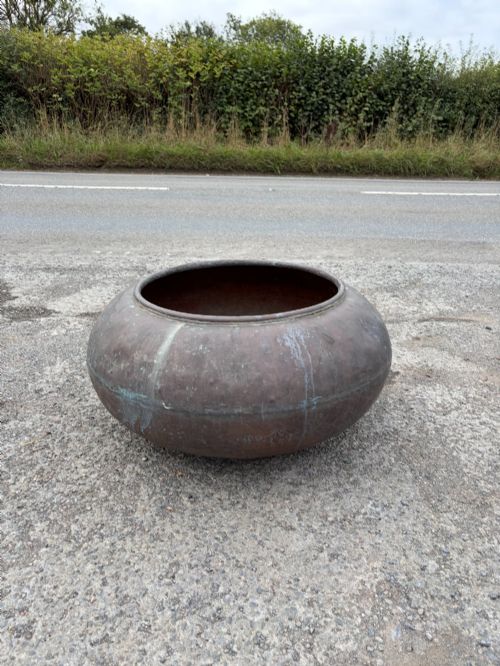
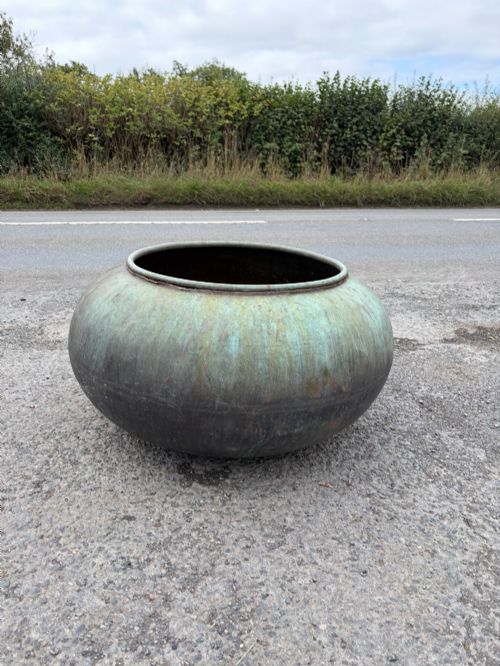
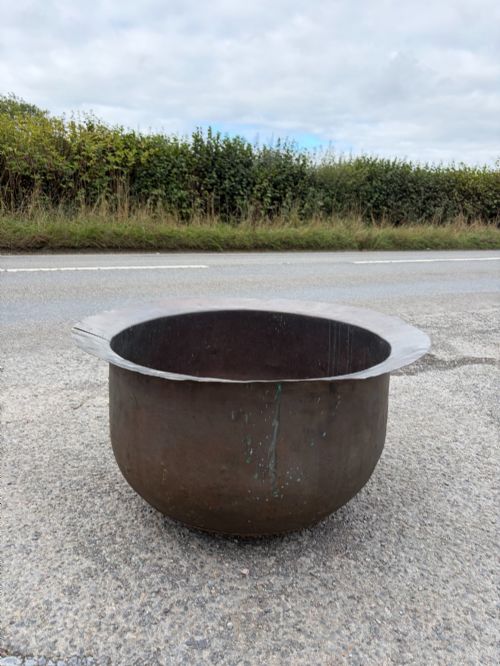
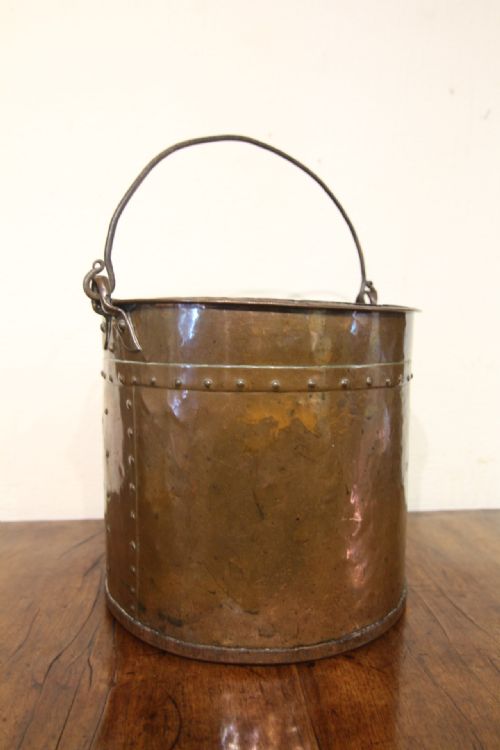

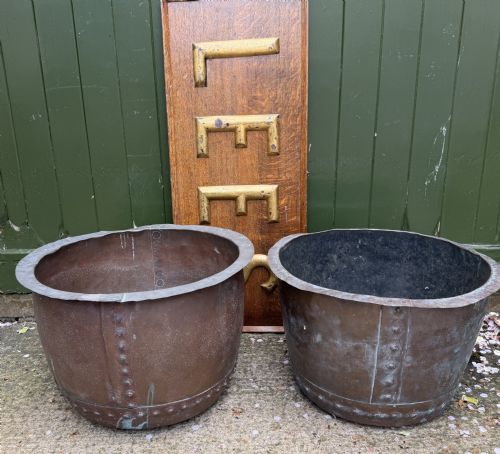

Large Rustic Copper Vessel
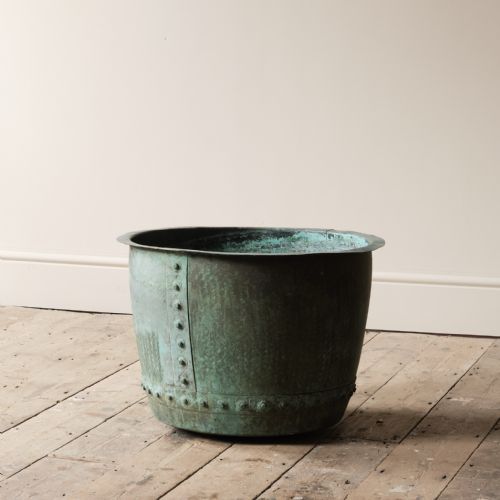
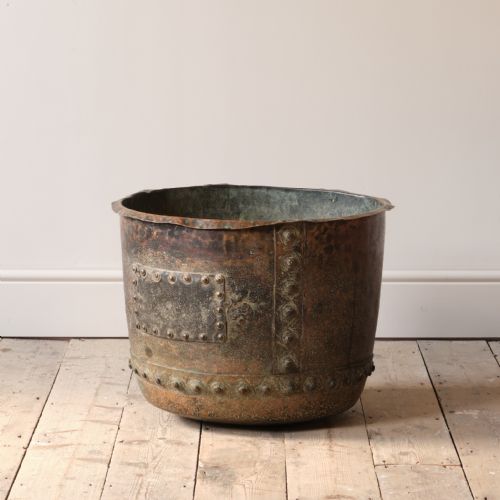
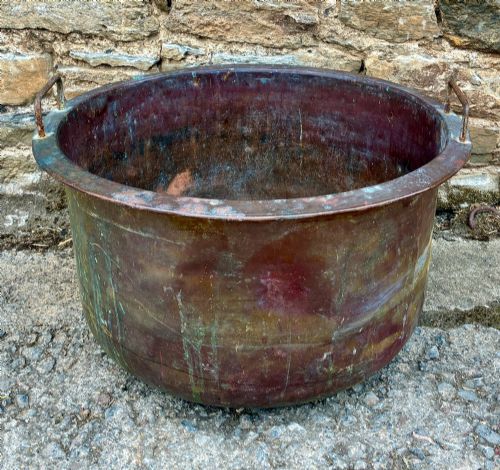
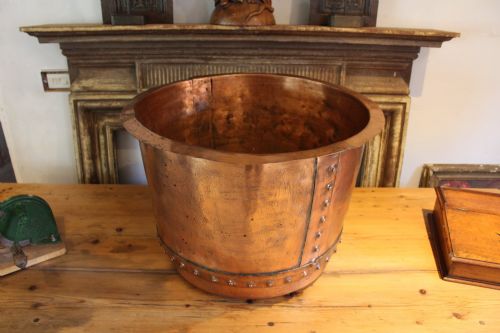
A large rustic copper vessel brings warmth and texture to a room, functioning as a substantial planter, log bin, or utilitarian pan.
Large Rustic Copper Vessel
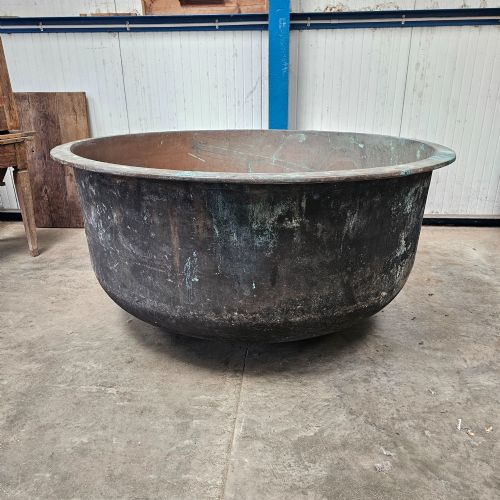
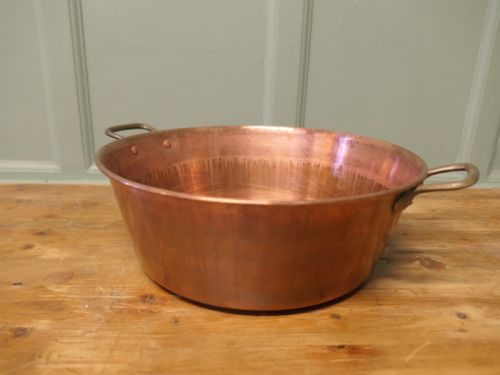
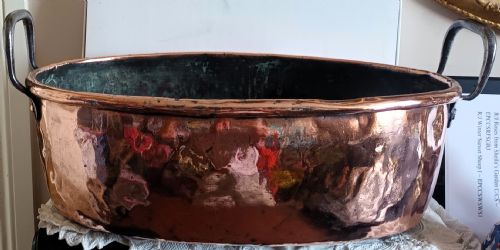
A large rustic copper vessel encompasses utilitarian items produced across the eighteenth and nineteenth centuries, including log bins, jam pans, cheese vats, cauldrons, and wash tubs. Buyers searching for a large rustic copper vessel frequently encounter heavy domestic and agricultural containers that once served demanding daily roles in kitchens, dairies, and gardens. These items arrive from various origins, with pieces dating from the Georgian period through the Victorian era and into the early twentieth century.
The most common forms on this page are generous pots, planters, and log bins designed for capacity and strength. Many of these objects show domestic utility, such as preserving pans and double-handled boiling vessels, alongside French cheese vats and Italian wine cisterns. Their generous scale and resilient metal construction make them practical focal points for contemporary interiors and gardens.
Materials and construction methods
Makers constructed these vessels primarily from heavy gauge sheet copper, selected for its thermal conductivity and malleability. Artisans joined sections using overlapping seams secured by heavy hand-beaten rivets, creating robust bonds capable of holding liquids and dense materials without leaking.
Structural reinforcement often involved iron, brass, or wrought iron components. Handles, swings, and rims incorporated forged iron or cast brass to provide the necessary leverage and support for lifting heavy loads when the vessels were full.
Common forms documented in the inventory include log bins, preserving pans, wash tubs, cheese vats, and garden planters.
Evaluating vessel quality
Quality rests in the integrity of the original construction and the honesty of the surface wear. Superior examples retain their original heavy gauge metal without excessive thinning from centuries of scouring, alongside intact hand-cut rivets and authentic forged iron handles.
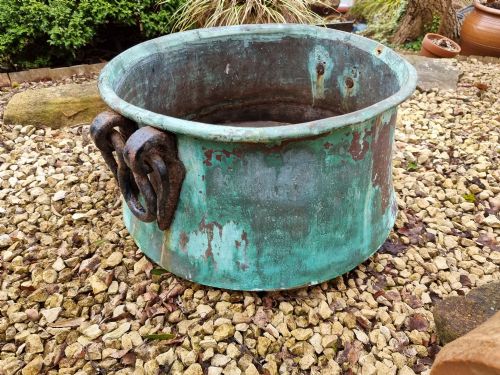
Surface character distinguishes exceptional pieces from ordinary ones. Natural verdigris, historical oxidation, and a deep weathered patina demonstrate age and genuine use, whereas heavy modern intervention or aggressive chemical cleaning diminishes the historic visual depth of the metal.
The Large Rustic Copper Vessel Glossary
- Verdigris
- A green patina formed naturally on copper through prolonged exposure to moisture and the atmosphere. This surface layer indicates considerable age and environmental interaction.
- Riveted
- A method of joining sheet metal where metal pins are inserted through overlapping plates and hammered flat. This technique ensures strong mechanical joints on utility vessels.
- Jam pan
- A wide, round metal cooking pot with flat or rounded bases designed for boiling fruit and sugar. These pans often feature substantial wrought iron or brass carrying handles.
- Cauldron
- A large metal pot with a wide mouth, frequently fitted with an arched swing handle for suspension or heavy lifting. Early examples served open-fire cooking and industrial boiling.
- Patina
- The surface texture, colour, and sheen acquired by metal over decades of handling and oxidation. A good patina reflects the history of use without artificial enhancement.
Large Rustic Copper Vessel: Frequently Asked Questions
What were large copper vessels used for?
These large vessels served demanding utilitarian tasks across domestic and agricultural settings, including boiling large quantities of laundry, preserving fruit, heating water, and making cheese. Households and farms relied on their durability and thermal properties for daily production.
Over time, many of these heavy containers transitioned from active utility to decorative storage, finding new purpose as umbrella stands, log holders, and garden planters.
How do I clean a copper vessel?
Gentle washing with warm soapy water and a soft cloth removes everyday dust and accumulated grime without altering the surface metal. Avoid harsh abrasives that strip away the historic character.
Most collectors prefer to preserve the natural dark oxidation and green verdigris rather than polishing the copper to a bright shine, as the aged surface records the history of the piece.
Can I use an antique copper pot outdoors?
Many of these robust vessels adapt well to outdoor use as garden planters and log bins, provided they are placed on stable surfaces. Copper withstands outdoor elements effectively through natural weathering.
Extended exposure to damp soil and moisture will encourage further verdigris formation and surface oxidation, deepening the historic patina over successive seasons.
How can I tell an eighteenth century vessel apart from a later one?
Earlier vessels, particularly those from the eighteenth century, often display coarser hand-beaten surfaces, irregular rivet spacing, and heavier forged iron swing handles. Their construction reflects manual workshop production methods predating standardised rolling mills.
Nineteenth-century examples frequently show more uniform sheet metal gauge and machine-assisted finishing, alongside distinct Victorian utility stamps or maker marks where applicable.