




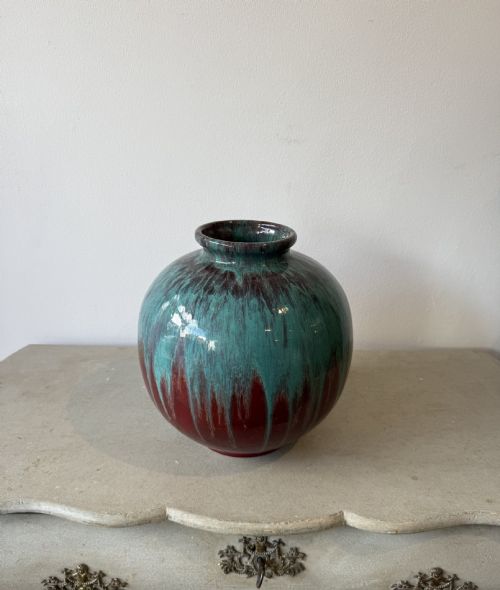
Large Pottery Vases
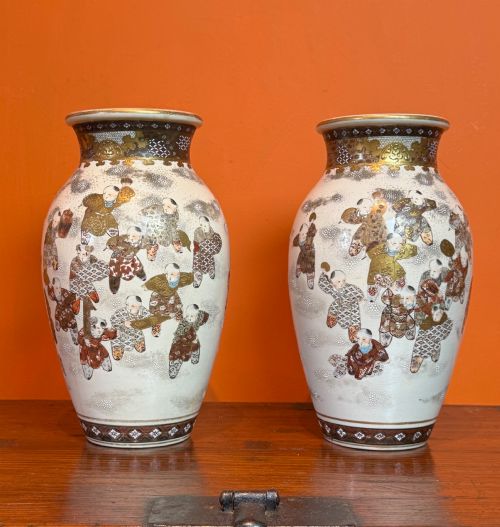
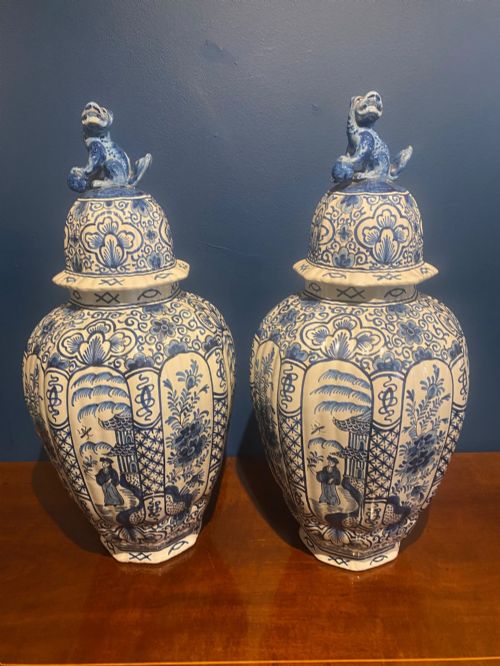
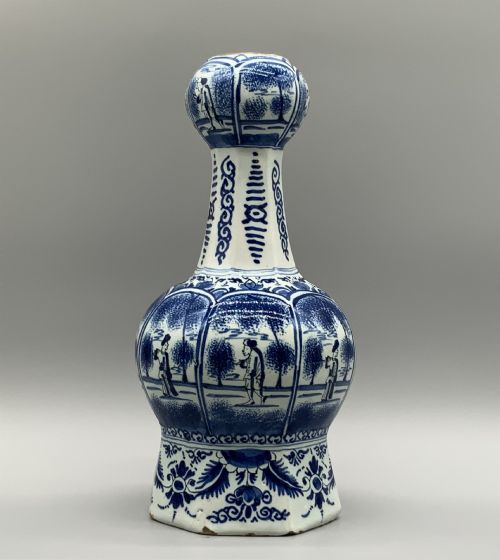
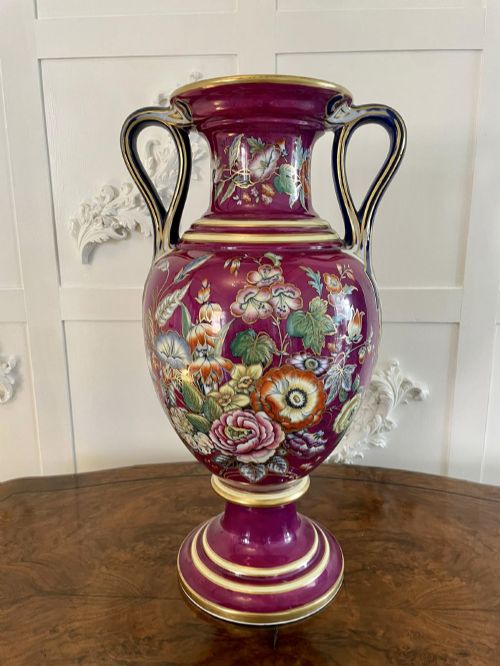
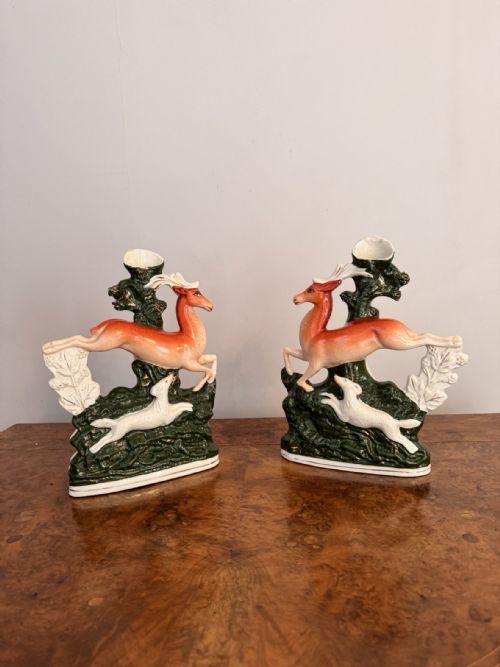
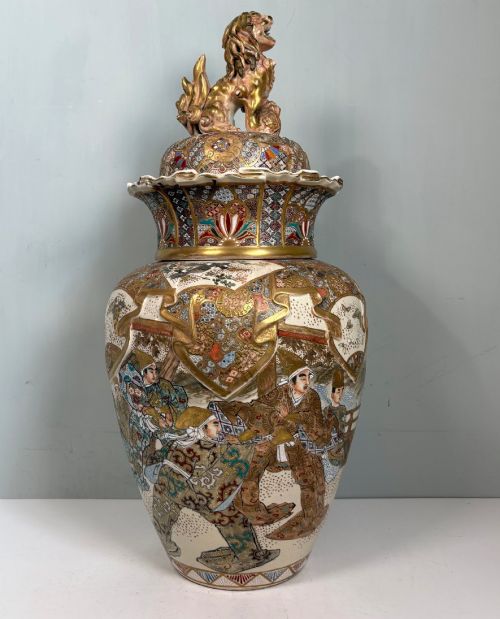
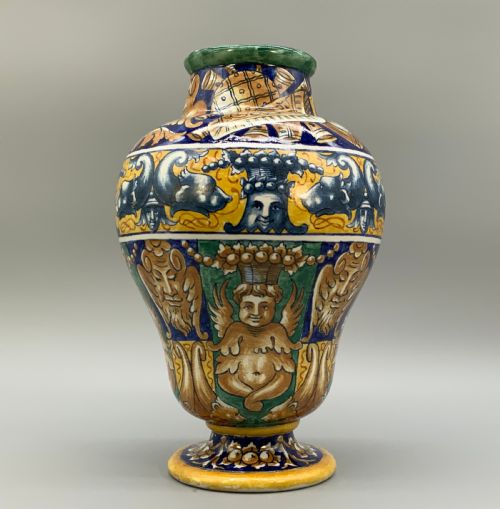
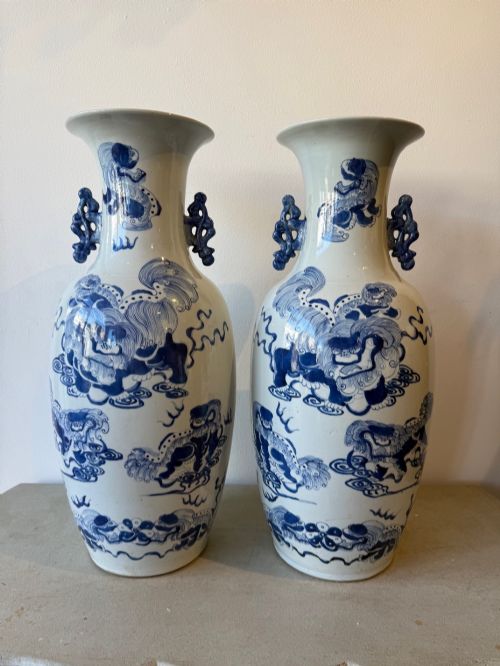
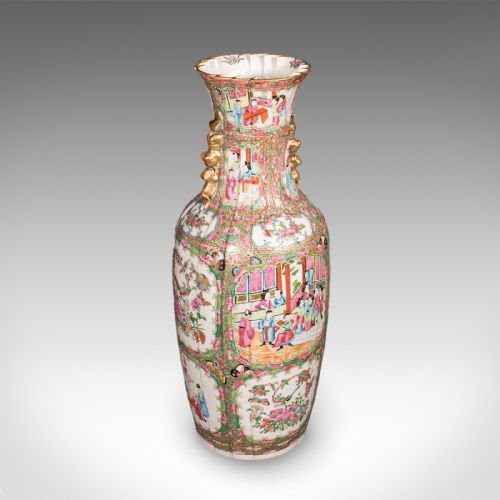
These large pottery vases bring together nineteenth-century craftsmanship, Japanese Satsuma works, and Dutch Delft earthenware to anchor a room.
Large Pottery Vases
Large pottery vases span centuries of global ceramic production, originating from European potteries, British workshops, and Asian kilns. When searching for large pottery vases, collectors encounter substantial earthenware, porcelain, and stoneware pieces designed as centrepieces, decorative urns, and table lamps.
Nineteenth-century examples dominate the selection, including Japanese Satsuma and Imari pieces alongside Staffordshire figures and Dutch style faience. These vessels range from domestic mantel ornaments to monumental exhibition items.
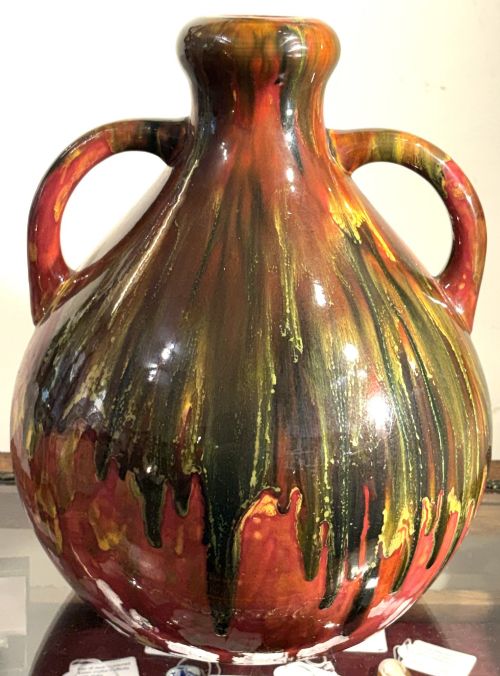
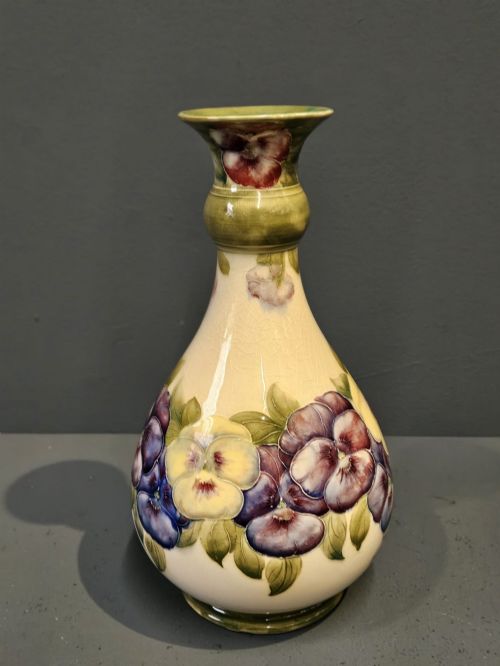
Forms vary from bottle vases and twin-handled urns to spill vases and ewers, reflecting the specific decorative requirements of Victorian, Art Nouveau, and Meiji period interiors.
How they were made
Potters shaped these vessels using traditional throwing and moulding techniques before applying tin glazes, enamel colours, or gold leaf accents. Many pieces incorporate underglaze blue painting or polychrome decoration fired at high temperatures.
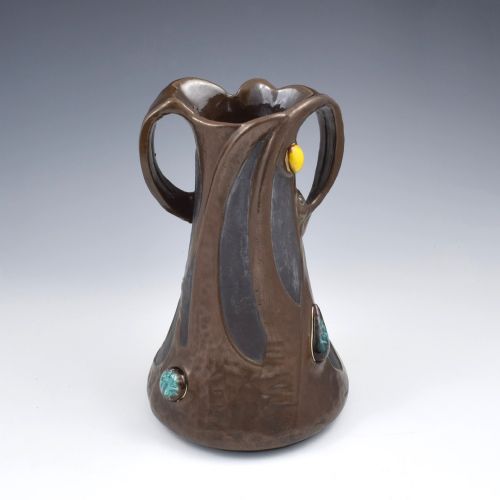
Specialised techniques such as the application of jewelled cabochons, copper effects, and crackle glazes define the surface finish of Art Nouveau and late nineteenth-century studio pottery. Kiln firing methods determined the depth and permanence of the ceramic body.
Hand-painted details require precise brushwork, particularly on intricate Japanese Satsuma patterns depicting figures, dragons, and floral motifs.
Large Pottery Vases Retail Price Guide 2026
Typical asking prices for large pottery vases among the pieces listed under this phrase on Sellingantiques today, from the lower quarter to the upper quarter. They describe what is for sale here now, not the wider market.
Listings feature pieces spanning the seventeenth to the twentieth century, incorporating materials such as porcelain, earthenware, and gold leaf.
What varies in quality
Quality rests upon the precision of the hand-painted decoration, the crispness of the moulded relief, and the stability of the ceramic body. Pieces featuring signed work from recognised makers demonstrate superior artistic ambition.
The complexity of the glaze work and the preservation of gilt and enamel details distinguish standard production items from masterworks. Balance in proportion and harmony in palette separate refined examples from heavier, less disciplined shapes.
Burmantofts·Doulton Lambeth·Bretby Pottery·Moorcroft McIntyre·Makuzu Kozan·Hotoda·Kinkozan
The Large Pottery Vases Glossary
- Earthenware
- Porous pottery fired at lower temperatures, requiring a glaze to achieve impermeability. It forms the foundation for much traditional majolica and Delftware.
- Faience
- European tin-glazed earthenware modelled on Chinese porcelain imports. It is known for its opaque white surface and painted cobalt blue decoration.
- Satsuma
- Japanese pottery featuring a crackled ivory-coloured earthenware body decorated with elaborate enamels and gold leaf. It gained immense popularity during the Meiji period.
- Spill Vases
- Small tubular vessels designed to hold wooden tapers used for lighting candles and fires. They were a common household accessory in nineteenth-century parlours.
- Majolica
- Opaque tin-glazed pottery with brightly coloured lead glazes. The style revival during the Victorian era produced robust decorative forms.
Large Pottery Vases: Frequently Asked Questions
How do I clean large pottery vases?
Dust the surface gently with a soft, dry brush to prevent the accumulation of dirt within crevices and painted details.
Avoid using water, chemical cleaners, or immersion on antique pieces, particularly those with delicate enamels, gold leaf, or porous earthenware bodies.
Were these vases meant for flowers?
Many large historical vessels functioned primarily as decorative centrepieces, mantel ornaments, or umbrella stands rather than functional flower holders.
Using them with water can damage historical earthenware bodies and historic glazes, so liners are recommended if holding fresh stems.
What is the difference between Delft and faience?
Delft specifically refers to tin-glazed earthenware produced in the Dutch town of Delft during the seventeenth and eighteenth centuries, famous for its blue and white Chinoiserie designs.
Faience is the broader European term for any tin-glazed pottery made outside of Italy, encompassing both Dutch and French traditions.
How can I date a Satsuma vase?
Satsuma wares produced during the Meiji period typically feature fine, even crackle glazes combined with dense polychrome and gilt decoration depicting historical figures or nature.
Later twentieth-century reproductions often display heavier, brighter gold work and a less refined ceramic body.