
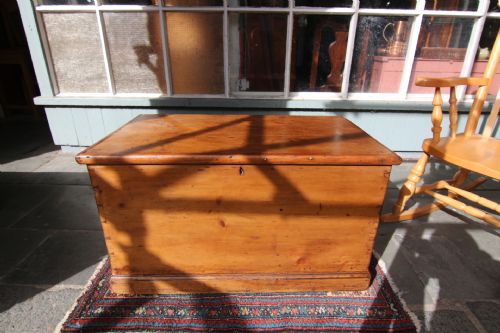
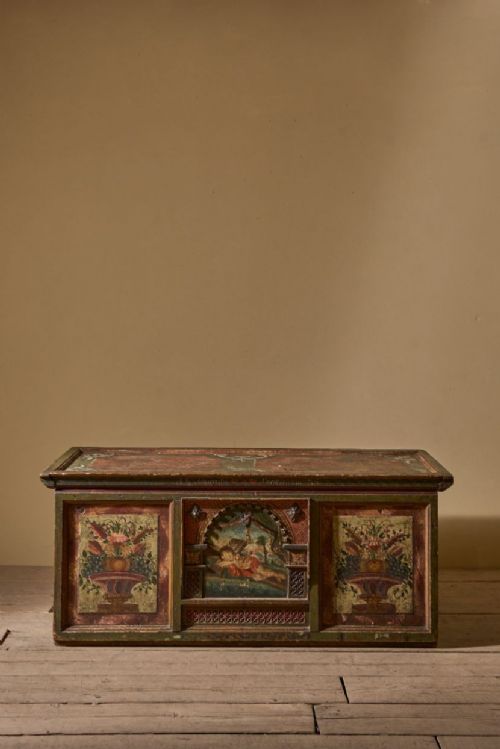
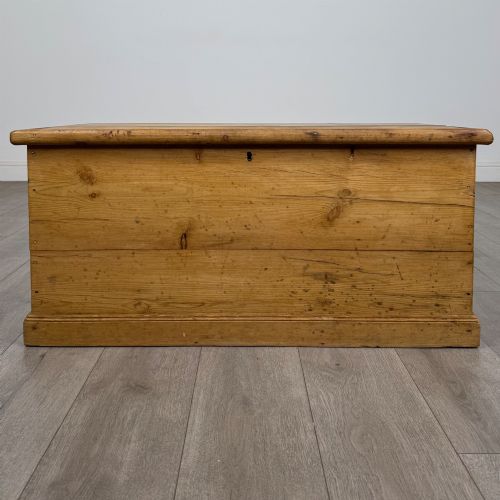
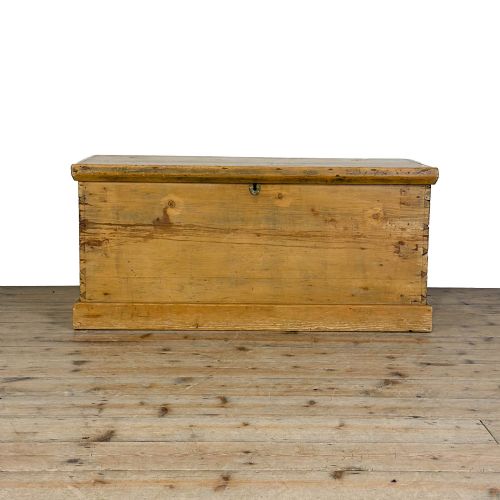


Large Pine Coffer
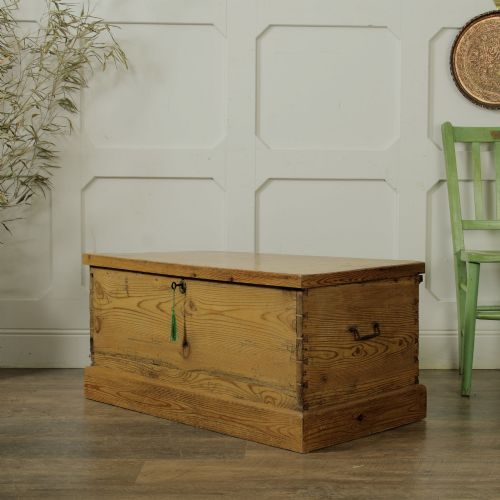
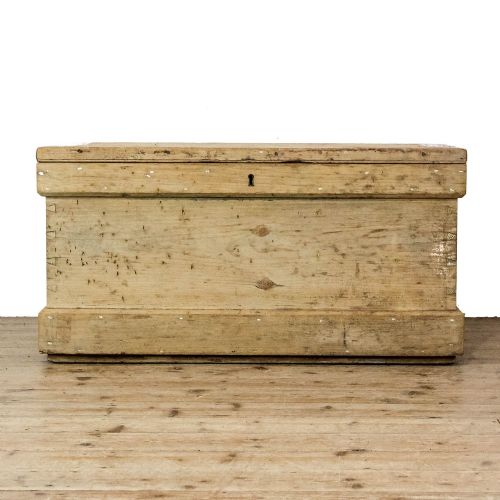
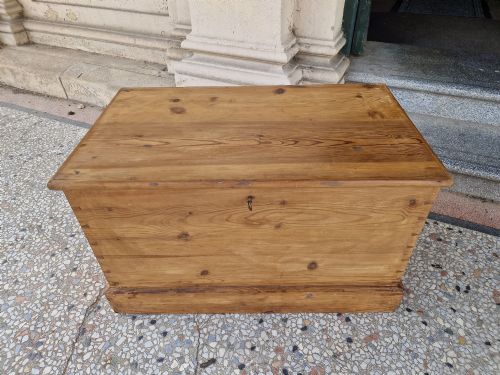
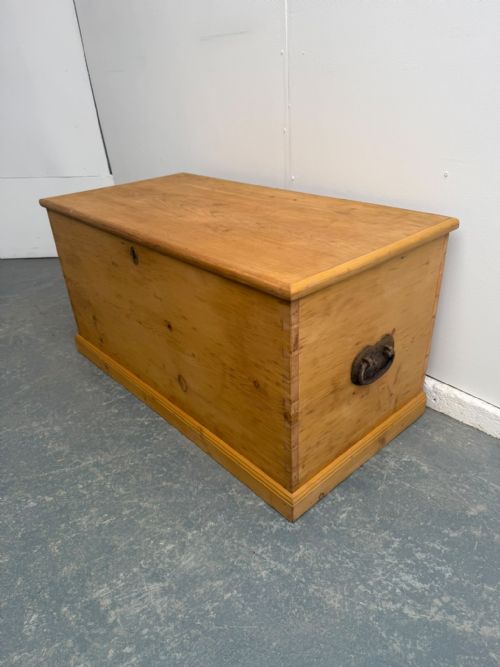
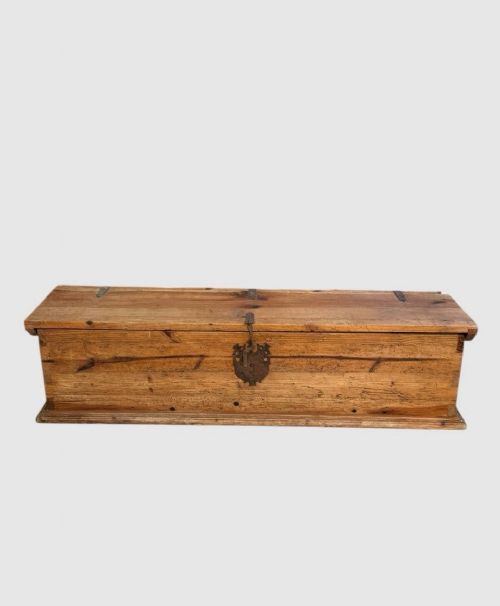
A large pine coffer provides heavy-duty utility with enduring country charm, offering ample storage space for blankets, linens, and domestic goods.
Large Pine Coffer
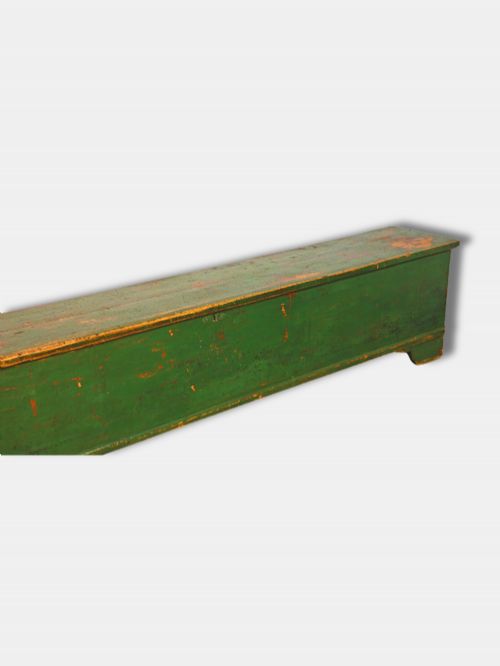
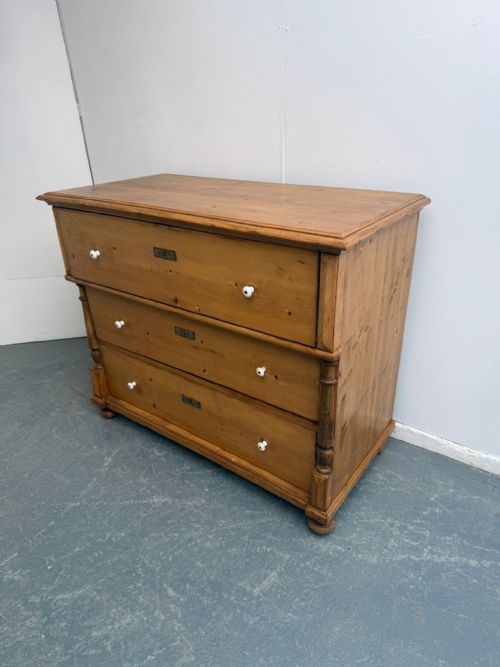
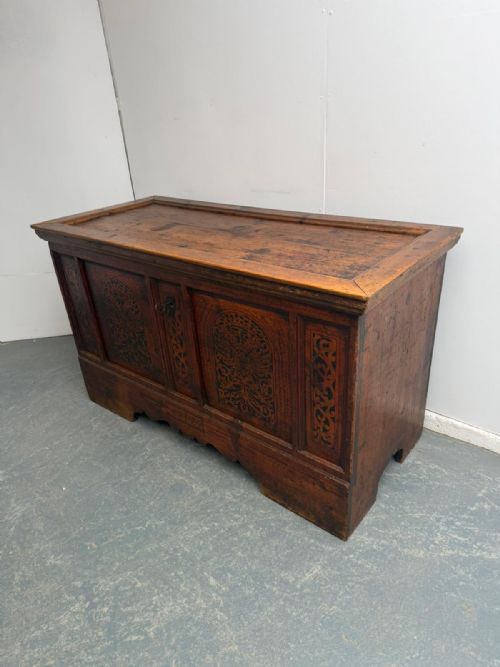
A large pine coffer is a substantial storage chest designed for domestic utility, commonly found originating from Victorian and Georgian periods as well as continental workshops. These pieces appear as blanket boxes, mule chests fitted with internal drawers, marriage trunks, and heavy tool chests. The form spans plain waxed finishes to elaborate painted Hungarian and Dutch country styles.
Buyers meet sturdy nineteenth-century examples most frequently on this page, often featuring iron or brass bindings and scumble glaze or pigment finishes. Domestic interiors utilise these chests readily as coffee tables or hallway benches alongside traditional storage roles. The scale ranges from wide Georgian proportions to towering domed trunks.
Materials and construction methods
Makers constructed these coffers primarily using solid pine and pitch pine boards, frequently joining large panels to withstand heavy daily use. Blacksmiths supplied iron or brass hinges, brackets, and heavy binding straps to reinforce corners and lids against transit damage.
Surfaces received various treatments depending on regional workshop traditions, ranging from simple wax polish to layers of paint, pigment, and scumble glaze. Interior compartments occasionally incorporated secret drawers or smaller till boxes built with fine dovetail joints.
Some nineteenth-century pine boxes harbour hidden compartments, rewarding curious owners who discover secret drawers tucked beneath the main till.
Assessing quality in construction and finish
Quality rests upon the integrity of the timber selection and the retention of original surface treatments, whether clear wax or historic paint. Heavy iron hardware and robust dovetailing distinguish superior utility chests from simpler vernacular boxes.
The Large Pine Coffer Glossary
- Coffer
- A large wooden chest traditionally used for storing valuables, linen, or documents. These heavy storage pieces often feature hinged lids and sturdy bracket or plinth feet.
- Mule chest
- A traditional storage chest featuring one or more drawers built into the base beneath the main compartment. This hybrid form bridges the gap between a standard coffer and a chest of drawers.
- Scumble
- A decorative painting technique involving a translucent top layer manipulated over a paler base coat to imitate finer grain patterns. It appears frequently on nineteenth-century pine furniture.
- Pitch pine
- A dense, resinous variety of pine timber prized for its prominent grain and durability. Makers utilised this material for heavy-duty trunks and industrial furniture.
- Patina
- The surface sheen and coloration developed by wood and metal over decades of handling, polishing, and exposure to light. Collectors value this indicator of age and authenticity.
Large Pine Coffer: Frequently Asked Questions
What is a large pine coffer used for today?
These versatile chests function primarily as deep storage repositories for household linens, winter blankets, and bulky items. Many modern homes incorporate them into living spaces as sturdy coffee tables with internal capacity.
Entryways also accommodate them well as seating benches where boots and accessories stay concealed. Their substantial surface area suits the display of decorative objects in a hallway or bedroom.
How do I tell a Georgian coffer from a Victorian one?
Georgian examples often display wider proportions, hand-cut dovetail construction, and early brass hardware fixtures. The timber surfaces tend to show deeper wax patination developed over a longer span of years.
Victorian chests frequently incorporate industrial elements like heavy iron corner bindings, internal till boxes, or scumble paint finishes. Production numbers increased sharply during the nineteenth century, leading to greater variety in specialised tool and blanket chests.
What is a mule chest?
A mule chest is a specific variant of storage trunk that incorporates one or more functional drawers beneath the primary compartment. This design allowed owners to access smaller garments without lifting the heavy top lid.
Cabinetmakers produced these pieces extensively throughout the eighteenth and nineteenth centuries in regional British and continental workshops.
Can I use a pine coffer as a coffee table?
These chests make exceptional coffee tables due to their flat, expansive top surfaces and low profiles. Their internal capacity provides hidden storage for books, magazines, and living room clutter.
Buyers should ensure the lid remains stable and level when placing drinks or decorative items on the surface.