



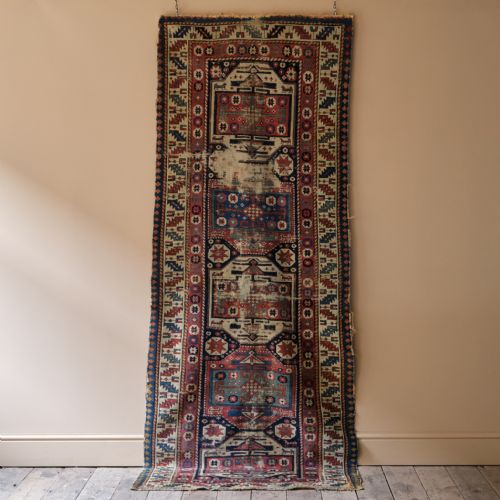


Large Persian Runner
A large persian runner anchors a grand hallway or long room with centuries of nomadic artistry.
Large Persian Runner
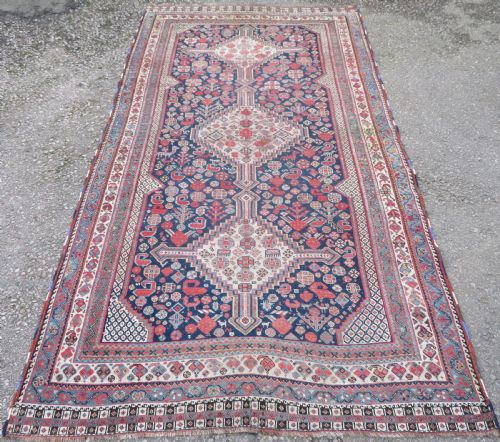
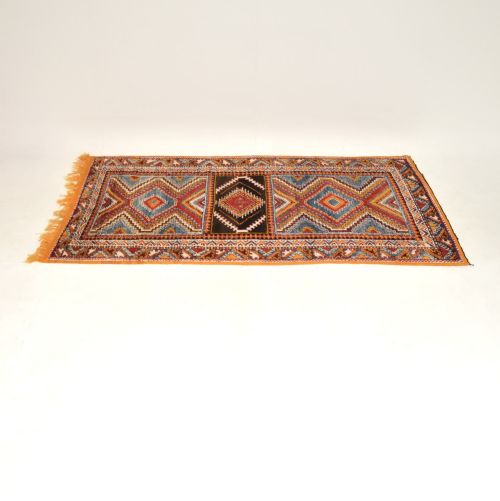
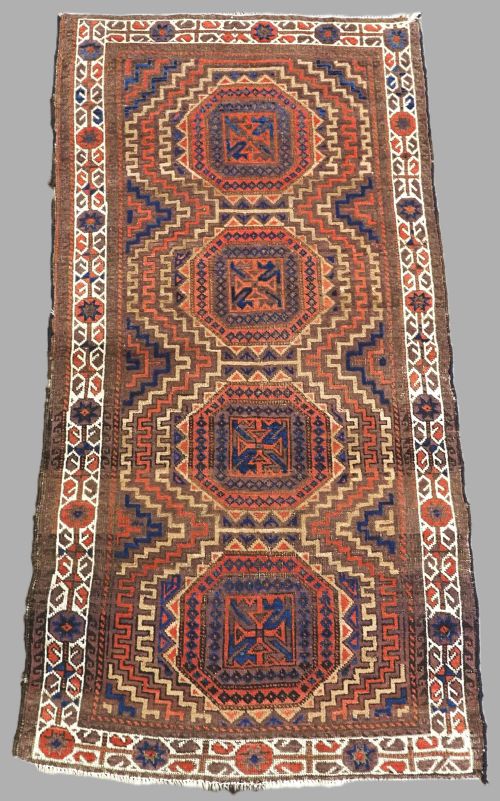
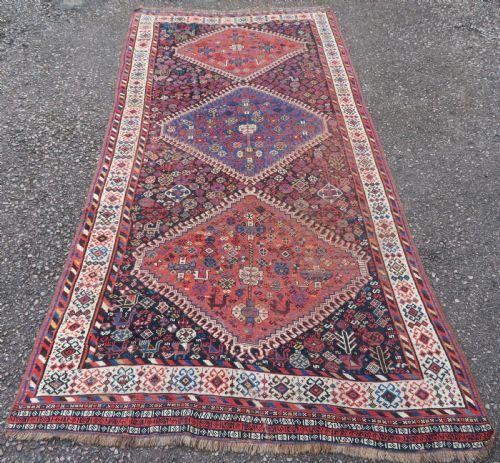
A large persian runner is an elongated textile designed for corridors, galleries and grand spaces, stretching well beyond standard dimensions. When searching for a large persian runner, buyers encounter extended carpets woven by tribal and village workshops across regions such as Kurdistan, Khamseh, Serapi and Hamadan.
These floor coverings span the nineteenth and early twentieth centuries, incorporating traditional formats like the kelleh and gallery carpet. The configurations range from narrow hallway proportions to broad room-size formats originating from Persian and Caucasian weaving traditions.
Materials and construction methods
The weavers utilised wool and hand-spun wool for the pile, creating a tactile and resilient surface that withstands centuries of foot traffic. Cotton typically forms the warp and weft foundation, giving these extended formats structural stability.
Natural dyes provide the enduring palette seen across these textiles, sourced from botanical and mineral agents that age with depth. Artisans knotted the wool by hand onto the vertical looms in village and tribal settings.
Large Persian Runner Retail Price Guide 2026
Typical asking prices for large persian runner among the pieces listed under this phrase on Sellingantiques today, from the lower quarter to the upper quarter. They describe what is for sale here now, not the wider market.
Listings feature pieces dated across the nineteenth and early twentieth centuries, spanning periods from 1850 to 1930.
Distinguishing finer examples
Quality rests in the finesse of the knot density and the precision of the village drawing, which dictates the sharpness of geometric medallions and floral motifs. Finer pieces display greater clarity in tribal symbols such as guls, boteh and tree of life designs.
The vibrancy and complexity of the natural dye palette elevate certain carpets, showing subtle abrash where colour shifts organically across the wool. The integrity of the original borders and the handled weight of the hand-spun pile further separate standard village output from master weaver works.
Ziegler
The Large Persian Runner Glossary
- Kelleh
- A format descriptor for a carpet that is longer than a standard room rug but wider than a traditional hallway runner. These proportions suit spacious interiors and long galleries.
- Gul
- A medallion motif frequently repeated across tribal carpets, particularly associated with Baluch and Turkmen weaving traditions. Each emblem holds distinct lineage significance.
- Boteh
- A stylised floral or almond-shaped motif representing a palm leaf or cypress tree, commonly woven in repeating rows across field designs. This ancient symbol appears frequently in Kurdish and Persian carpets.
- Serapi
- A distinct style of large geometric carpet originating from the Heriz region, characterised by bold central medallions and broad angular corners. These pieces are prized for their architectural layouts.
- Abrash
- A natural variation in colour tone caused by changes in dye batches or hand-spun wool lots during production. This tonal shift creates subtle horizontal bands of shading.
Large Persian Runner: Frequently Asked Questions
Where should a large persian runner be placed?
These extended floor coverings suit long hallways, grand entryways and spacious galleries where their length can be fully appreciated.
They also define narrow living spaces or anchor furniture layouts in rooms requiring an elongated format.
How do I care for antique wool carpets?
Regular gentle vacuuming without a rotating brush prevents dust accumulation within the hand-spun wool pile.
Professional specialist cleaning remains essential for maintaining natural dyes and preventing fibre degradation over decades of use.
What is the difference between a runner and a kelleh?
A runner offers a narrow, elongated proportion designed specifically for corridors and narrow hallways.
A kelleh provides a broader format that bridges the gap between a standard rug and a full room-size carpet.
How are tribal motifs identified?
Tribal designs often feature geometric guls, stylized trees of life and repeating boteh patterns passed down through specific weaving groups.
These symbols reflect the cultural heritage and regional traditions of makers from Kurdistan, Khamseh and Baluch communities.