







Large Oriental Plate
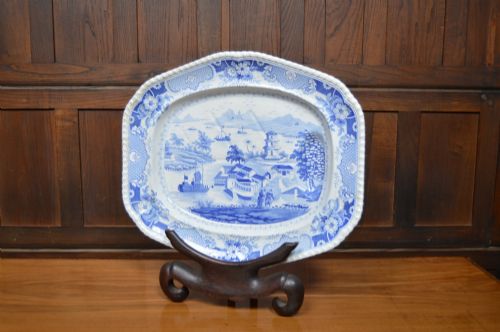
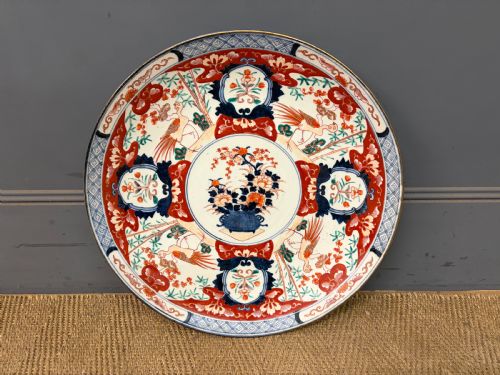
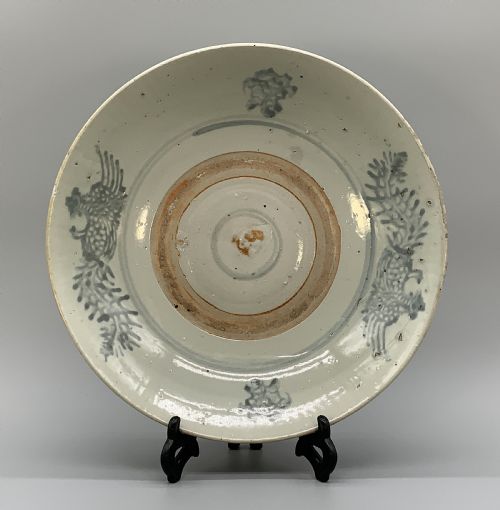
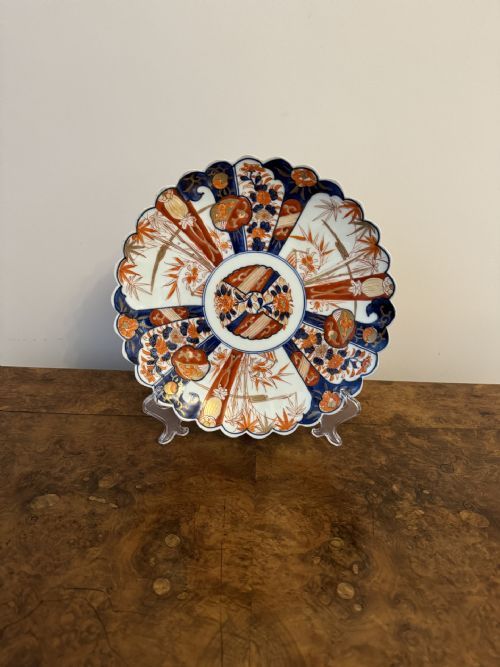
When you search for a large oriental plate, you meet broad chargers and wall dishes shaped by Chinese and Japanese workshops.
Large Oriental Plate
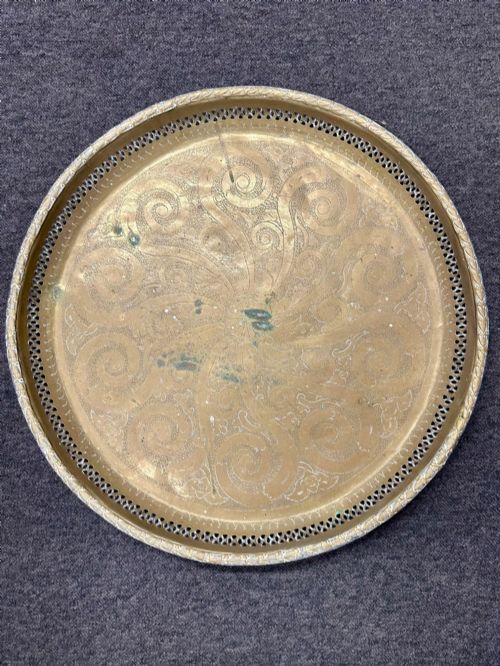
A large oriental plate typically takes the form of a broad decorative charger or wall dish created for display rather than dining. When exploring this phrase, buyers encounter substantial porcelain and brass vessels originating from Chinese dynasties, Meiji and Edo period Japan, and British Victorian interpretations.
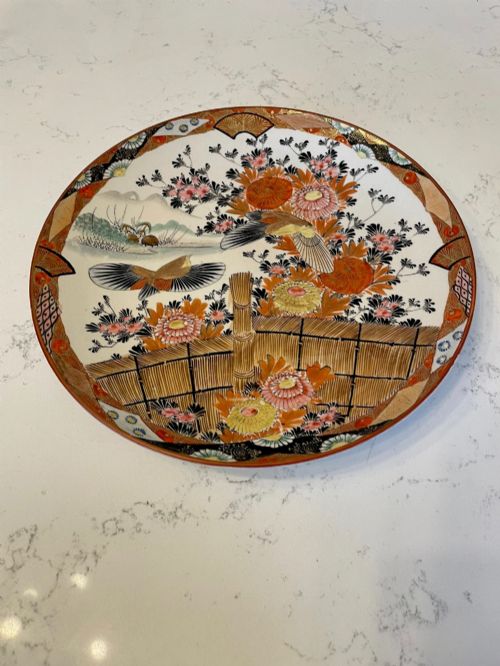
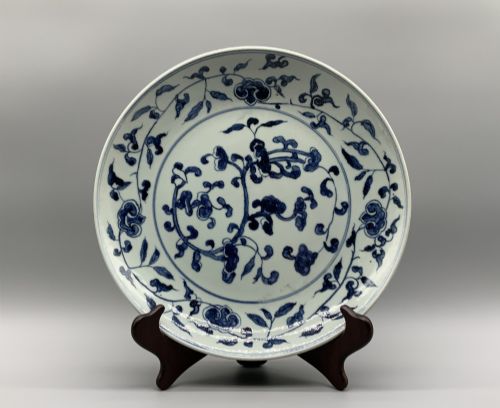
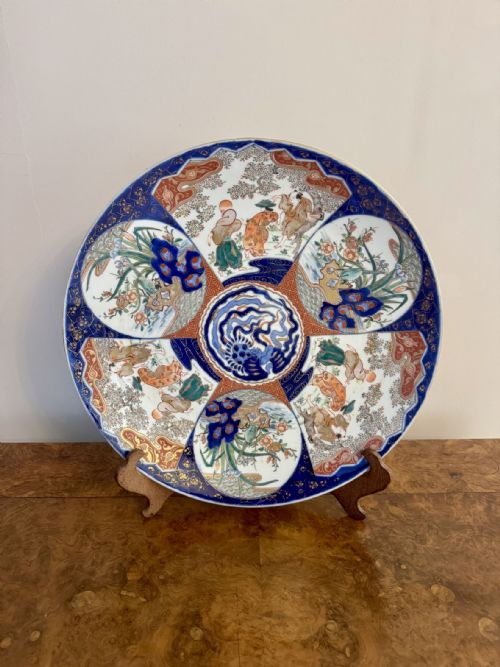
The most common examples on this page are Japanese Imari chargers spanning the nineteenth and early twentieth centuries, alongside Chinese blue and white porcelain and cloisonne enamel trays. These pieces range from scalloped-edge plates to heavy octagonal trays and deep bowls.
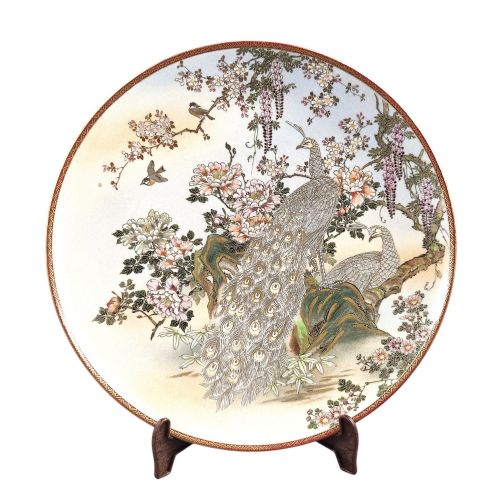
Origins span diverse periods, including seventeenth-century Kangxi and Ming pieces, through to nineteenth-century Satsuma wares and Indian engraved brass wall chargers. Each item provides a broad surface for intricate painting, cobalt glaze, or applied metalwork.
How they were made
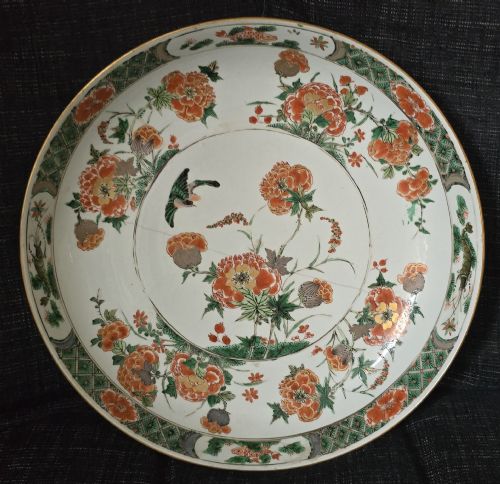
Potters and metalsmiths relied on porcelain clay, brass, copper, and enamel to build these substantial vessels. Cobalt glaze, gold leaf, and surface pigments provided the vivid colour palettes seen across Imari, Famille Verte, and Satsuma wares.
Japanese cloisonne enamel chargers used fine wire partitions soldered to copper bases to hold glass pastes before firing. Meanwhile, Chinese and Japanese porcelain pieces combined hand-painted underglaze blue with overglaze enamels fixed in kilns.
Large Oriental Plate Retail Price Guide 2026
Typical asking prices for large oriental plate among the pieces listed under this phrase on Sellingantiques today, from the lower quarter to the upper quarter. They describe what is for sale here now, not the wider market.
Listings feature porcelain, brass, and cloisonne enamel chargers spanning the seventeenth century to the twentieth century, including Japanese Imari and Chinese Famille Rose.
What varies in quality
Quality rests in the precision of the hand-painted detail and the crispness of the cobalt or enamel pigments across the broad surface. Superior pieces exhibit confident brushwork on complex motifs such as court scenes, birds, and dragons.
The weight, symmetry, and glaze consistency of the porcelain body also separate standard production wares from masterworks. Signed works or specific period attributions often reflect heightened skill in the execution of the design.
Shozo
The Large Oriental Plate Glossary
- Charger
- A large broad plate traditionally used for display on walls or sideboards rather than for serving food. These heavy dishes provide a wide canvas for detailed pictorial scenes.
- Imari
- A style of Japanese porcelain featuring a distinct palette of underglaze blue, iron red, and gilt highlights. Makers produced these robust wares largely for export.
- Cloisonne
- A metalworking technique where flat wire is soldered to a copper base to create compartments filled with enamel paste. Artisans fired these layers to achieve a smooth, colourful decorative surface.
- Famille Verte
- A Chinese porcelain palette dominated by green enamel overglazes, developed during the Qing dynasty. These compositions often depict court life and garden landscapes.
- Satsuma
- A type of Japanese earthenware featuring a crackle ivory glaze decorated with delicate enamel and gold leaf. These items frequently display pictorial subjects like figures, wisteria, and peonies.
Large Oriental Plate: Frequently Asked Questions
What is the difference between Imari and Satsuma wares?
Imari pieces are made of hard porcelain decorated with cobalt blue, iron red, and gold leaf, resulting in a robust and colourful finish. They were produced extensively in Japan for both domestic and international markets.
Satsuma wares utilise a cream-coloured earthenware body with a fine crackle glaze, carrying dense enamel paintings of figures, birds, and flora often enhanced with raised moriage work.
Can these large plates be used for food?
Historic chargers and wall dishes are intended strictly for decorative display rather than culinary use. The glazes and enamel pigments on antique pieces can wear or react when subjected to modern dining habits and frequent washing.
Exhibiting them safely on a wall or stable surface protects the delicate hand-painted motifs and preserves the structural integrity of the porcelain or enamel.
How do you date a Chinese porcelain charger?
Dating relies on examining the characteristics of the cobalt blue underglaze, the weight of the porcelain body, and the style of the painted motifs. Specific reigns, such as the Kangxi period, display particular blue tones and border designs.
Comparing base marks, potting techniques, and foot rim construction alongside known historical examples helps establish the likely century of manufacture.