

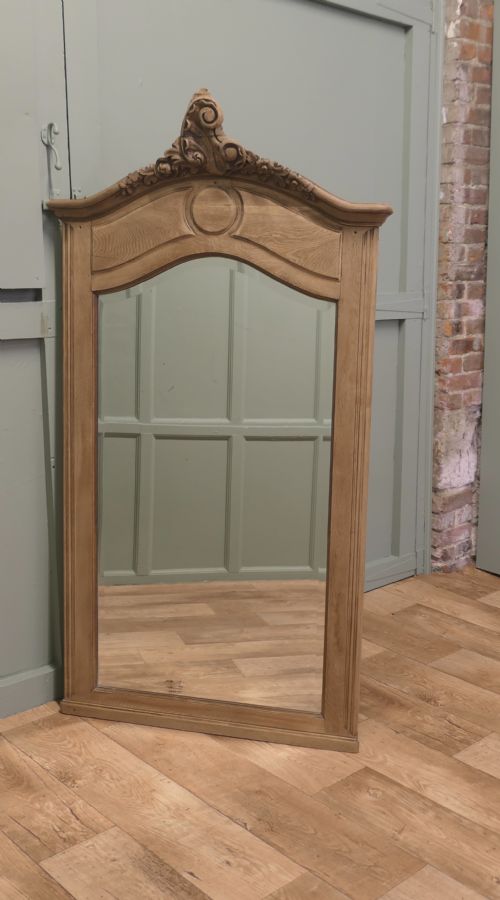
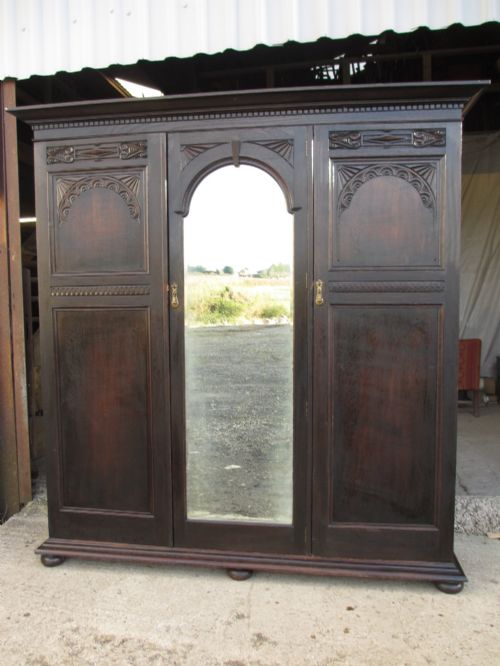
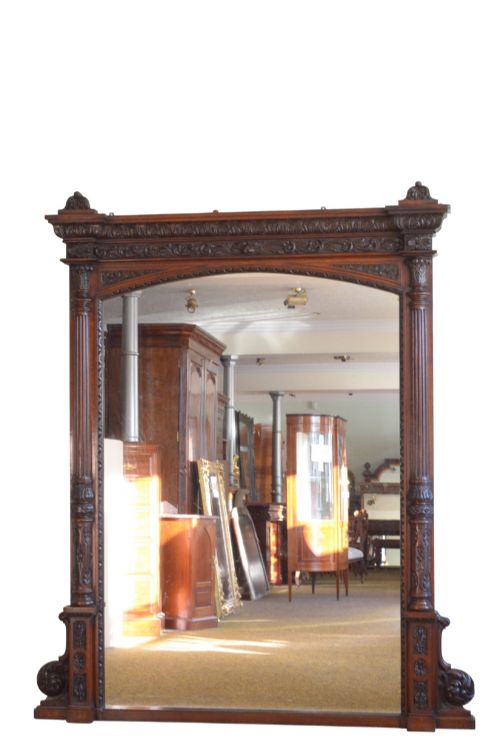
Large Oak Mirror
A large oak mirror brings warmth and solid architectural weight to a room, offering both practical reflection and strong period character.
Large Oak Mirror
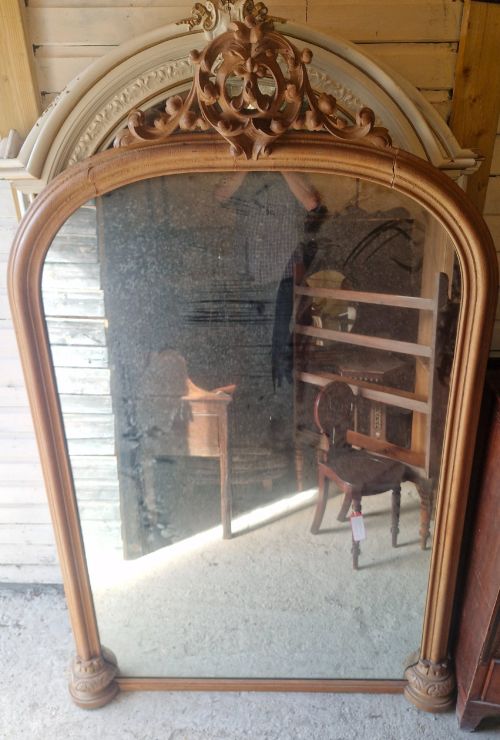
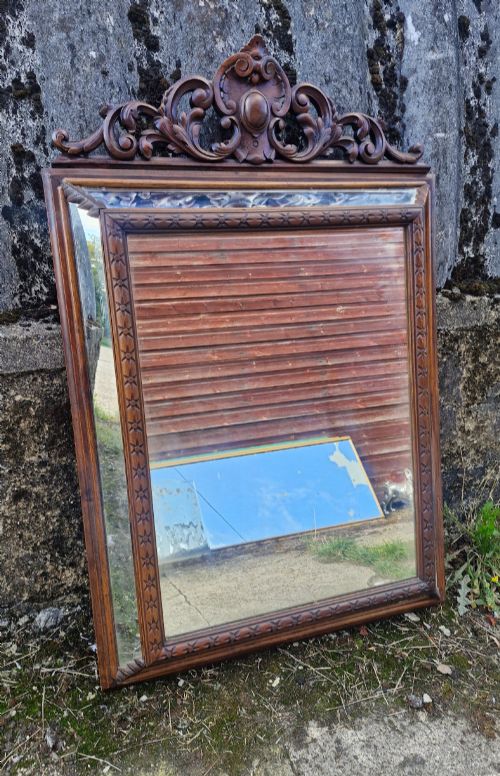
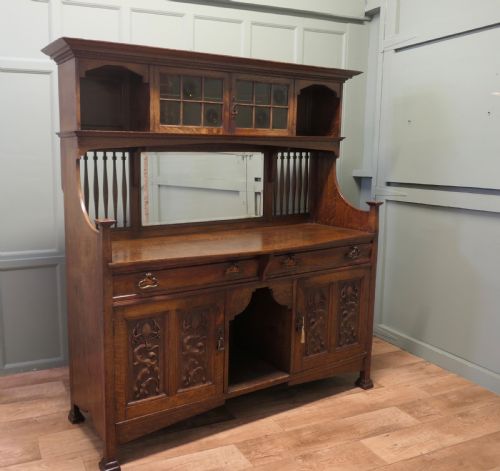
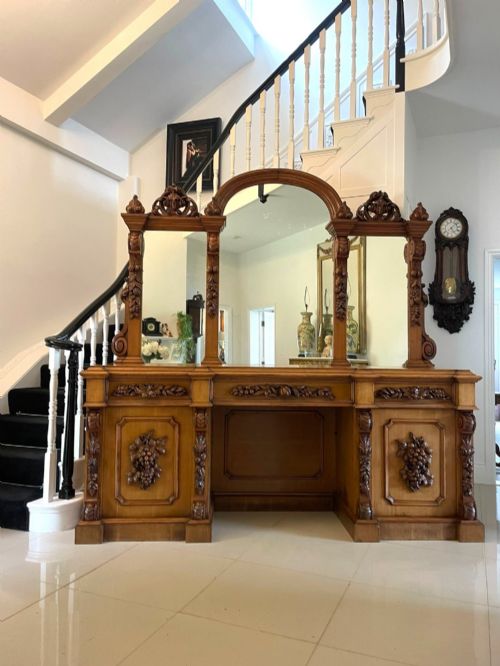
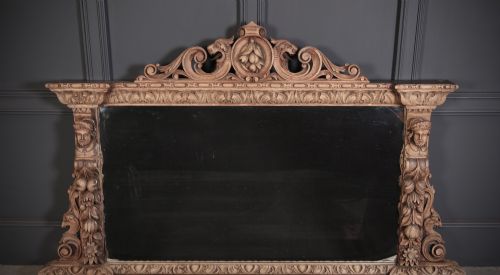
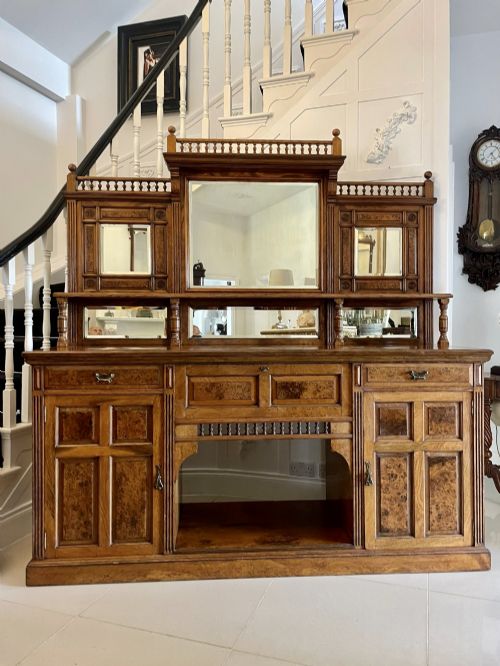
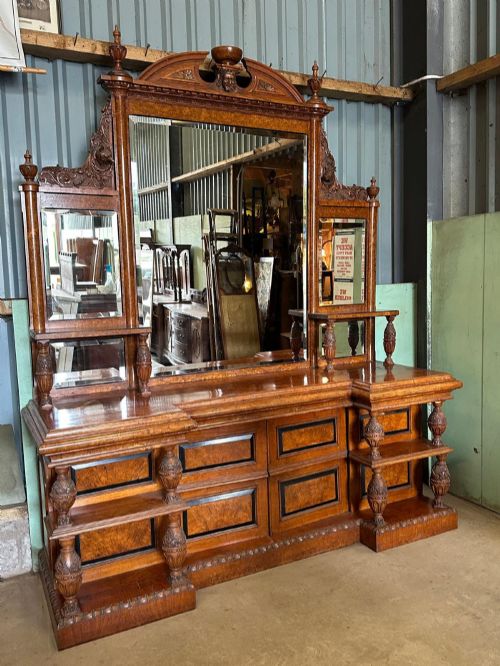
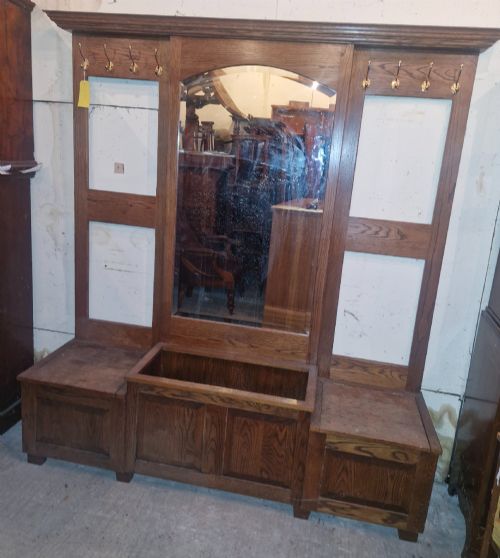
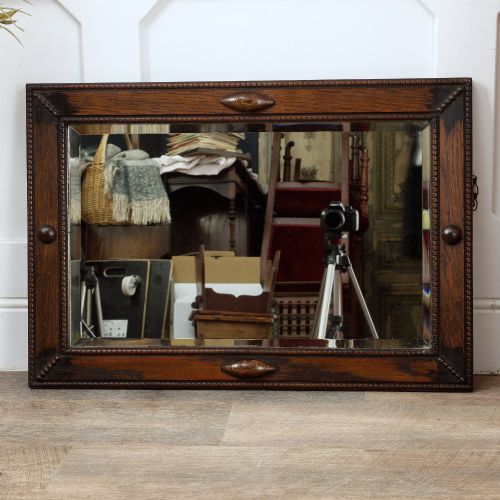
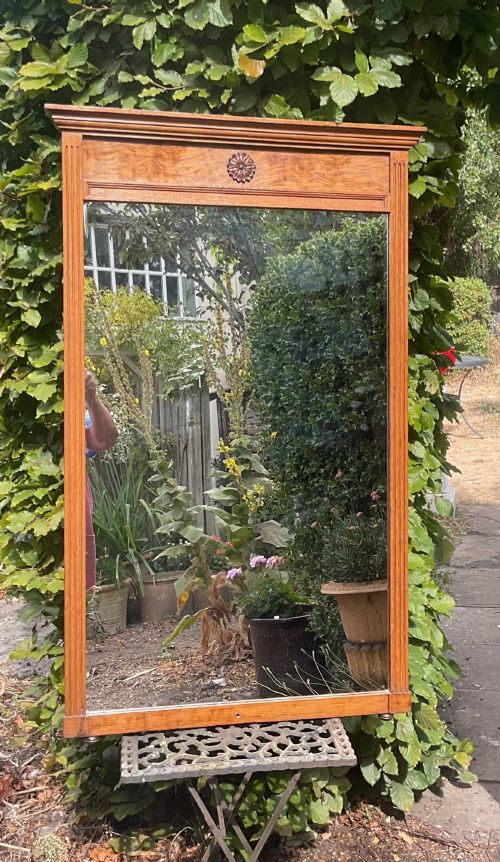
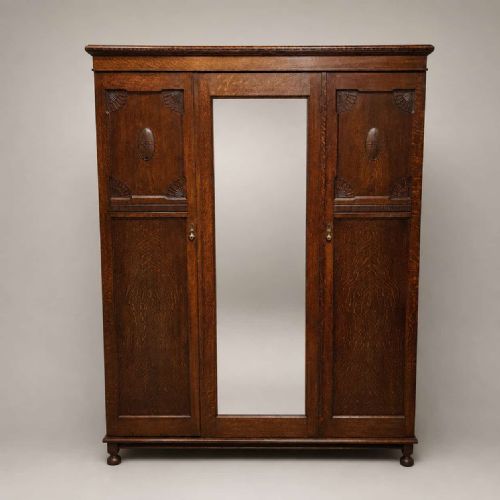
A large oak mirror serves as a substantial focal point in a domestic interior, spanning several distinct periods from the Victorian era through the Edwardian years and into the early twentieth century. These pieces appear in multiple formats, most commonly as wall-hanging plates, expansive overmantels designed for chimney breasts, and freestanding floor or dressing mirrors.
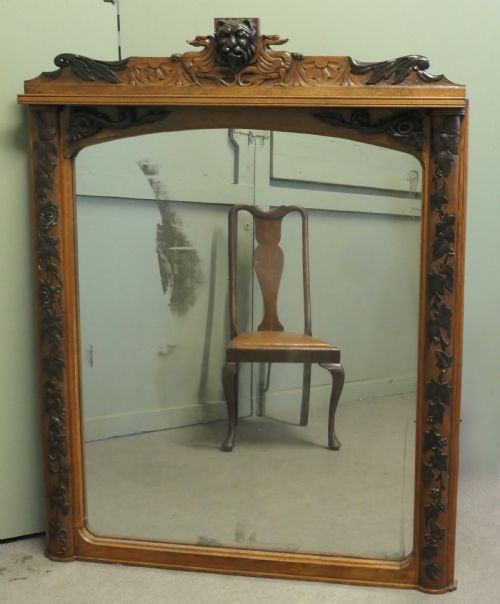
The heavy timber frames often display regional British craftsmanship or continental European influence, ranging from austere Arts and Crafts designs to heavily carved Gothic Revival and Renaissance Revival statements. Buyers searching for a large oak mirror encounter both simple, utilitarian frames intended for tailors' shops and ornate, sculptural pieces featuring deep mouldings and figural carvings.
How they were made
Makers utilised solid native and imported timber, frequently selecting quartersawn oak to reveal distinctive medullary ray figuring across the broad frame surfaces. Alternative treatments involve pollard oak with its clustered growth knots, bleached or scrubbed finishes that lighten the natural grain, and occasional contrasting details in brass, walnut, or gilded gesso.
Joinery methods rely on traditional mortise and tenon construction to support the considerable weight of heavy mirror glass within deep wooden rabbets. Carved elements are worked directly into the solid timber framework rather than applied as separate compo castings, demonstrating substantial hand labour by period cabinet makers.
Listings feature 19th-century and early 20th-century periods, utilising materials including bleached oak, pollard oak, brass, and mirror glass.
What varies in quality
The distinction between standard commercial pieces and exceptional workshop examples rests upon the depth and precision of the hand carving, particularly in foliate scrolls, cushion mouldings, and figural work such as Green Man motifs. Finer pieces demonstrate superior timber selection with balanced grain patterns and substantial frame thickness that resists warping over time.
Originality of components dictates upper-tier standing, where mercury or early bevelled mirror plates, original brass hanging hardware, and intact maker stamps or labels remain undisturbed. Lower quality examples often feature later replacement glass or simplified mouldings lacking the sculptural presence of true period items.
Maple and Co·Gordon Russell·Liberty
The Large Oak Mirror Glossary
- Overmantel
- A mirror specifically proportioned to hang on the wall directly above a fireplace mantelpiece. These frames often incorporate wider horizontal dimensions to match the span of the hearth.
- Cushion frame
- A convex, outwardly rounded frame profile that slopes back toward the wall or forward to the glass. This style creates a pronounced three-dimensional effect popular during revival periods.
- Pollard oak
- Timber taken from trees that have been pollarded, producing dense, highly figured wood clustered with small knots. It yields a distinctive decorative surface prized in Victorian cabinet work.
- Quartersawn
- Wood cut radially across the annual growth rings, producing a stable board marked with characteristic silver flecks or medullary rays. This cut ensures minimal movement in heavy frames.
- Bevelled glass
- Mirror plate with an angled, polished edge tapering down to the thickness of the glass. This traditional edge treatment catches and refracts light across the room.
Large Oak Mirror: Frequently Asked Questions
How do I hang a heavy oak mirror safely?
Large timber frames require direct anchoring into masonry walls or substantial wall studs using heavy-duty steel brackets or mirror plates rated for the specific weight.
Because Victorian and Edwardian oak frames carry considerable mass due to thick timber and glass, professional installation ensures the hanging hardware supports the load permanently.
Where should I place an overmantel mirror?
An overmantel mirror belongs above a fireplace where its horizontal proportions balance the architectural weight of the hearth below. Positioning it here also allows the glass to reflect natural light from opposite windows deep into the room.
While traditionally anchored above a mantel, these large frames also function effectively when mounted low on a principal wall as a primary focal point.
How can I tell a Victorian oak mirror from a later revival piece?
Victorian examples generally exhibit deeper hand carving, heavier timber scantlings, and traditional construction techniques such as hand-cut joinery and early backboards. The mirror glass may show slight imperfections or minor foxing consistent with age.
Later twentieth-century reproductions often feature machine-planed timber dimensions, standardised modern fixings, and uniformly clear glass without period characteristics.
How do I care for antique oak and mirror glass?
Feed the dry oak timber periodically with a quality beeswax polish to maintain the grain and prevent shrinkage, avoiding silicone-based sprays. Clean the mirror plate with a soft cloth and mild glass cleaner applied to the cloth rather than directly onto the glass.
Keeping the piece away from direct heat sources and dramatic humidity fluctuations preserves both the wooden joinery and the silvering on the mirror plate.