


Large Oak Desk
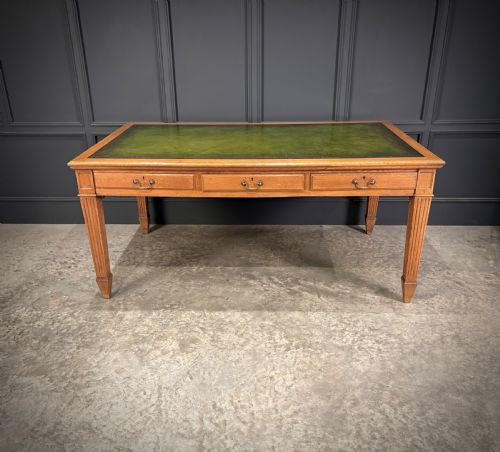
A large oak desk brings substantial presence and working space to a room, drawing on nineteenth and twentieth-century traditions of solid craftsmanship.
Large Oak Desk
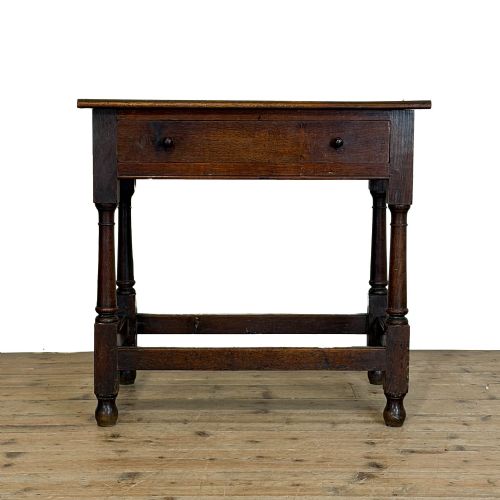
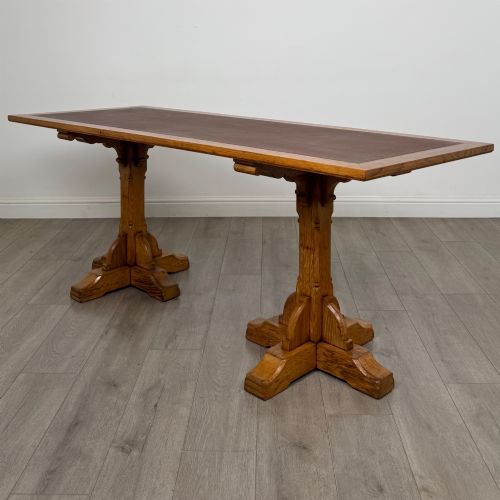
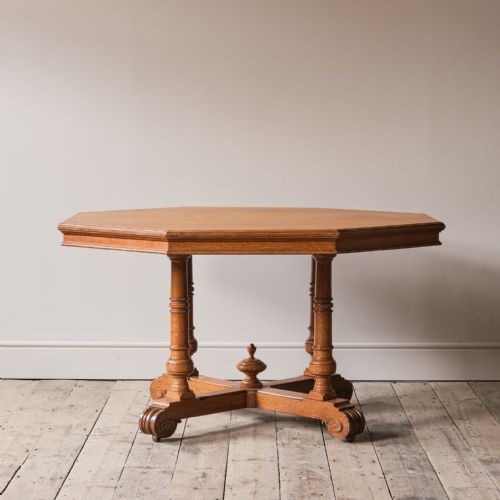
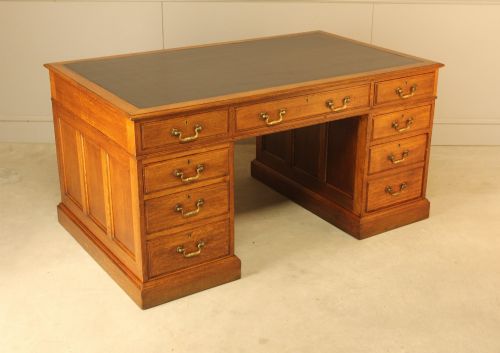
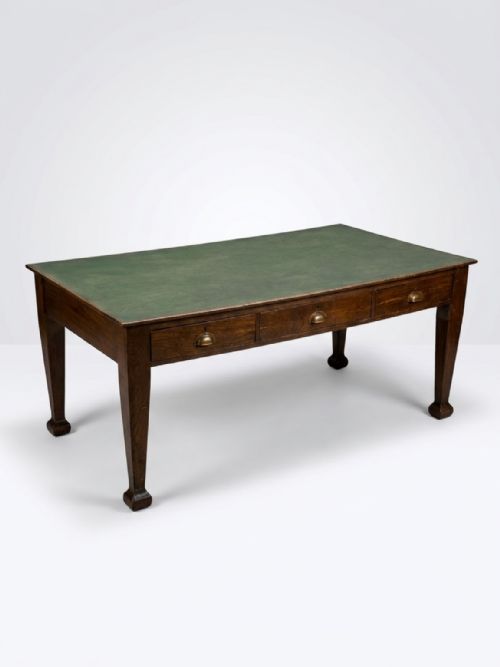
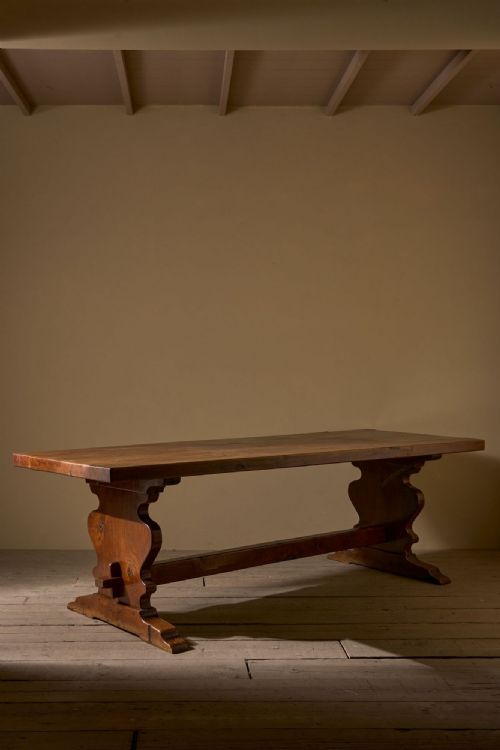
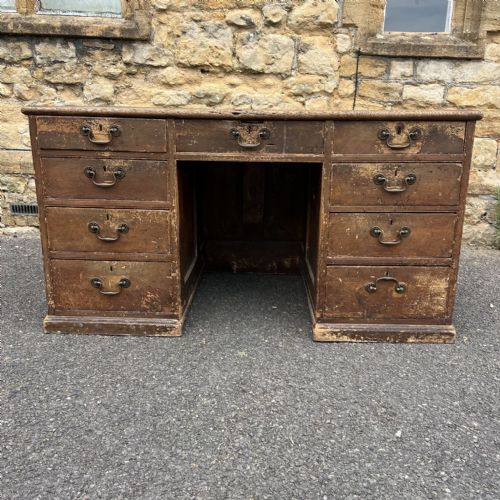
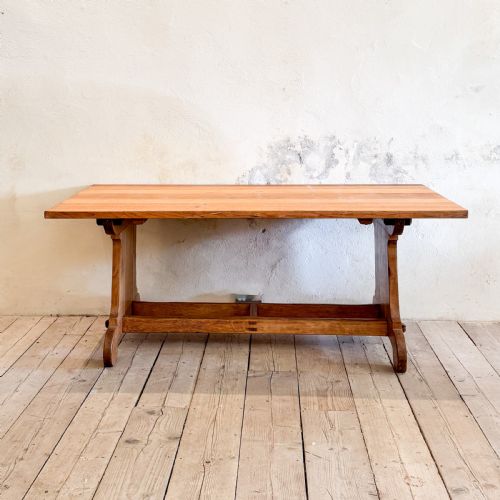
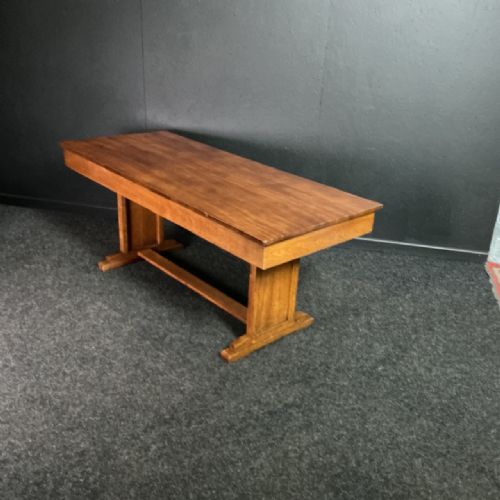
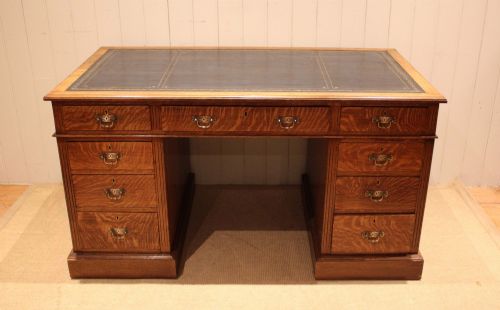
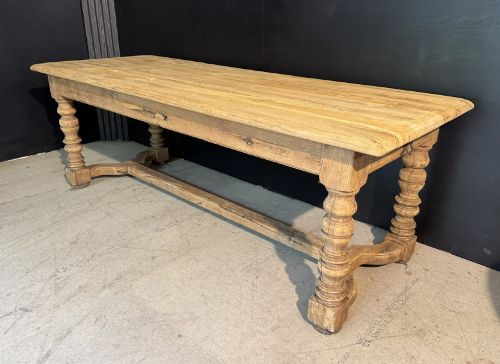
A large oak desk serves as a commanding centrepiece for a study or library, built to handle heavy daily use with robust timber construction. When searching for a large oak desk, buyers encounter partners desks designed for two users side by side, pedestal configurations with multiple drawers, and expansive library tables.
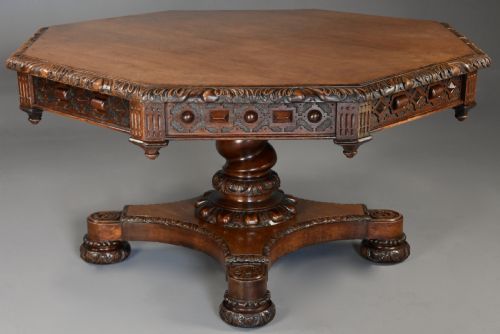
The pieces appearing most frequently range from Victorian and Edwardian examples to early twentieth-century office furniture. These items reflect various historical revivals, including Gothic, Jacobean, and Arts and Crafts movements, which imparted strong architectural detailing to standard working surfaces.
How they were made
Makers utilised solid oak, often complemented by figured or quarter-sawn grain patterns that exposed striking medullary rays across the desktop. Secondary timbers such as pine appeared in drawer linings and internal framing.
Surfaces were frequently inset with tooled leather or fabric writing panels, bordered by applied mouldings or hand-carved panels. Brass handles, escutcheons, and castors finished the heavy pedestals and framework.
Listings feature oak combined with brass, leather, fabric, glass, iron, and ebonised wood across Victorian and Edwardian periods.
What varies in quality
The standard of construction depends on whether the piece is constructed entirely from solid timber or incorporates secondary veneers over alternative woods. Superior examples maintain structural integrity across large expanses without excessive warping.
Carving depth, architectural detailing, and the integration of functional elements such as panelled backs for freestanding placement distinguish standard utility pieces from exhibition-grade commissions.
T Wilson·Galloway and Sykes
The Large Oak Desk Glossary
- Partners desk
- A double-sided writing table designed for two people to work opposite one another, featuring drawers and cupboards accessible from both sides.
- Pedestal desk
- A freestanding writing table comprising two separate pedestals of drawers supporting a single top, often featuring a central kneehole.
- Quarter-sawn oak
- Timber cut radially to the growth rings, producing distinctive grain patterns known as silver grain or medullary rays.
- Ebonised wood
- Timber treated with a chemical stain or finish to imitate ebony, commonly used for decorative highlights and mouldings on nineteenth-century furniture.
Large Oak Desk: Frequently Asked Questions
How do I accommodate a large oak desk?
These substantial pieces require careful measurement of room access points, stairwells, and floor space before placement. Many pedestal variants separate into modular sections to ease transportation.
Positioning the item away from walls allows partners desks and freestanding library tables to be accessed from all sides, highlighting their finished panelwork.
What is a partners desk?
A partners desk is built with matching drawers and cupboards on opposing sides, allowing two people to share the workspace simultaneously. These configurations were standard in administrative offices, banks, and large libraries.
They are distinguished from standard single-sided desks by their finished backs and substantial proportions.
How do I care for leather writing surfaces?
Leather inserts benefit from regular dusting and occasional treatment with appropriate leather balms to prevent drying and cracking. Avoiding direct sunlight preserves the original colour and gold tooling.
When writing on the surface, using a blotter or pad protects the historic leather from ink stains and deep pressure marks.
How can I tell Victorian from Edwardian desks?
Victorian desks tend to feature heavier proportions, deeper hand-carvings, and influences from Gothic or Jacobean revival styles. Darker finishes and robust brass hardware are common.
Edwardian examples often display lighter golden oak tones, cleaner lines influenced by the Arts and Crafts movement, and simplified pedestal layouts.