

Large Nineteenth Century Mirror
A large nineteenth century mirror anchors a room with scale, reflecting light and period craftsmanship across giltwood, mahogany, and gesso surfaces.
Large Nineteenth Century Mirror
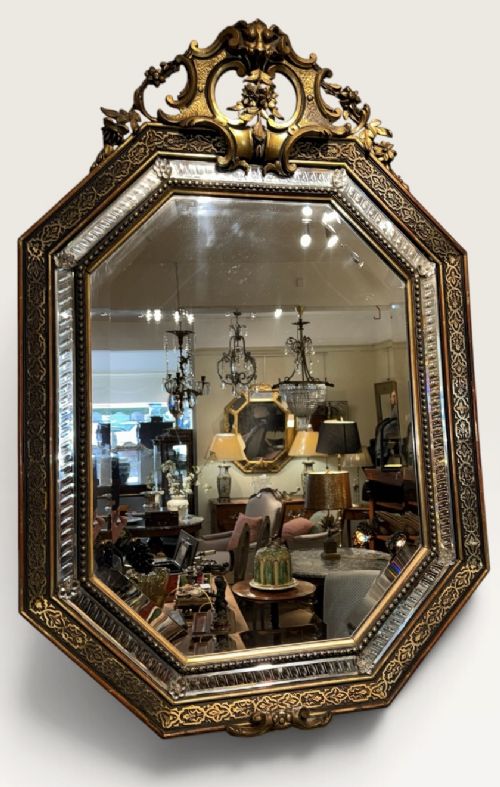
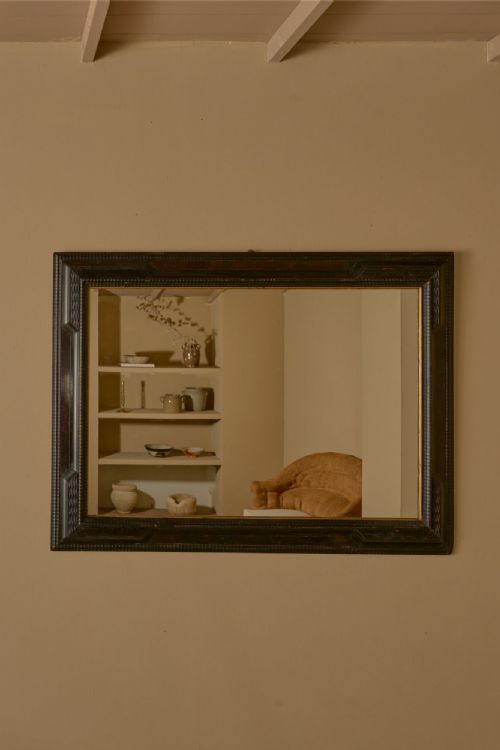
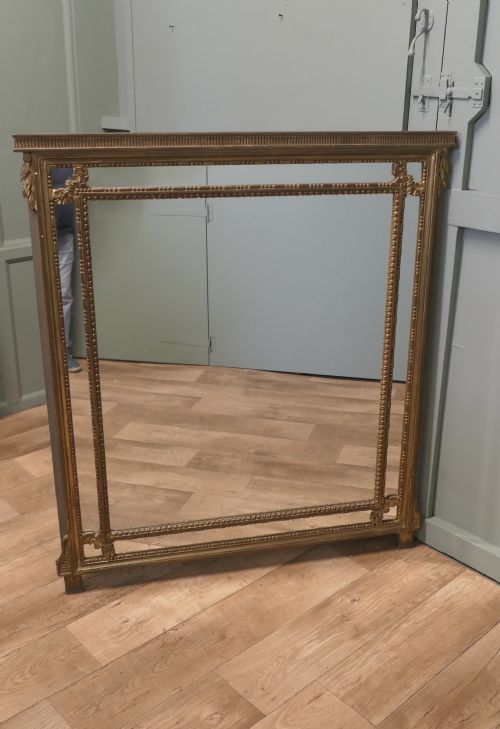
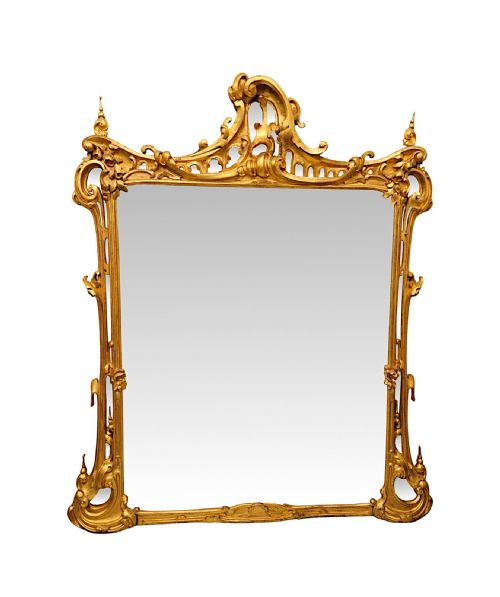
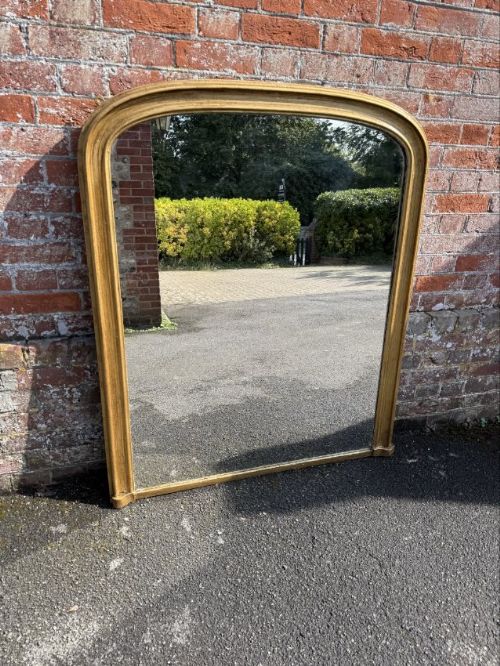
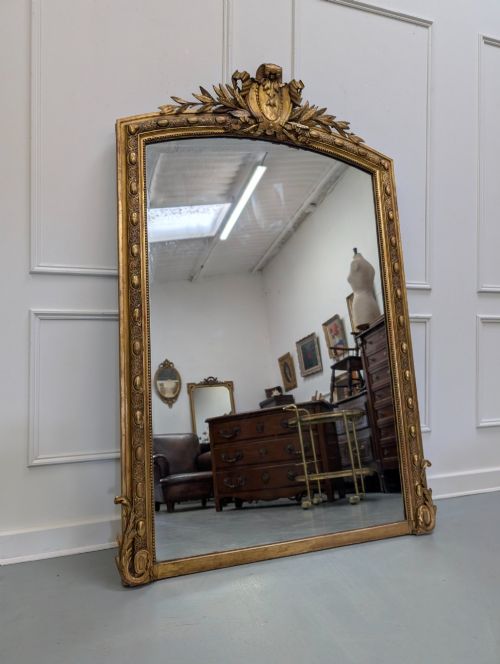
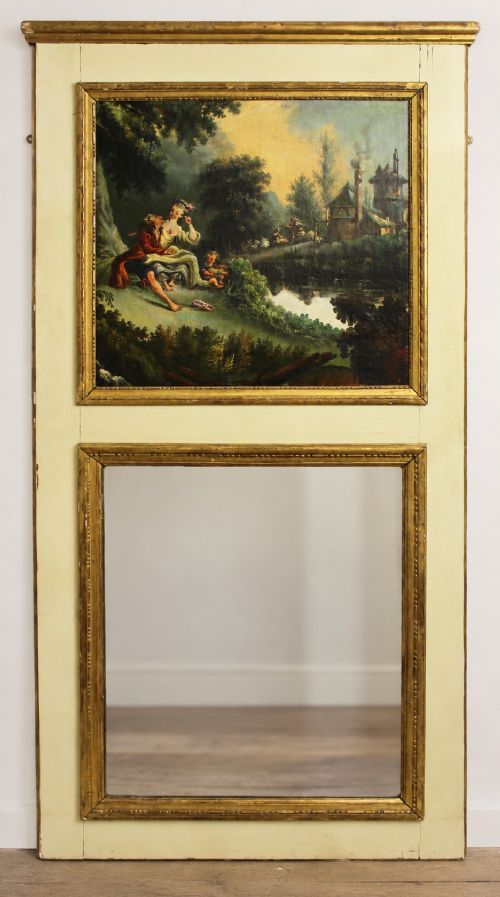
When searching for a large nineteenth century mirror, collectors encounter substantial overmantel mirrors, pier glasses, and French trumeau frames designed for principal reception rooms. These pieces originate across English country houses and French provincial settings, spanning the Georgian, Regency, and Victorian eras.
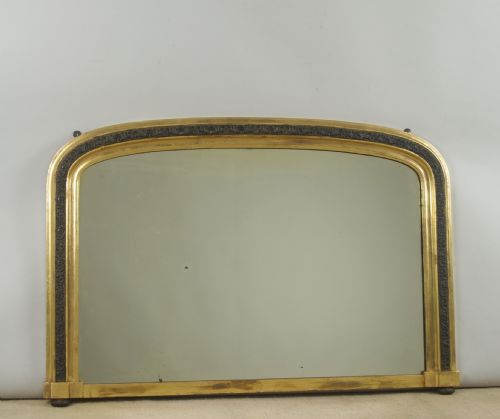
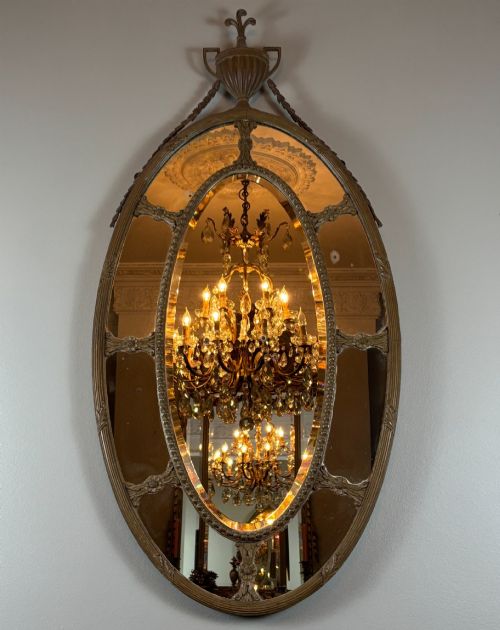
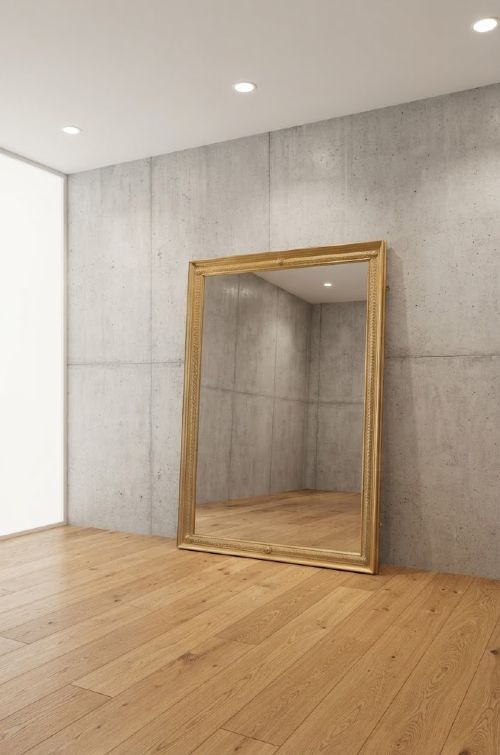
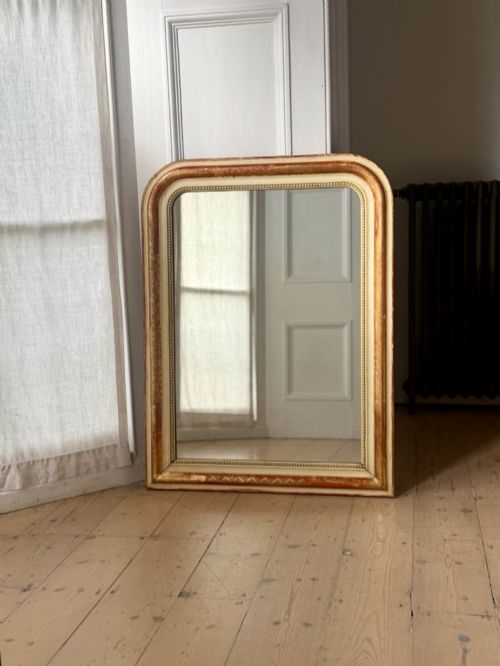
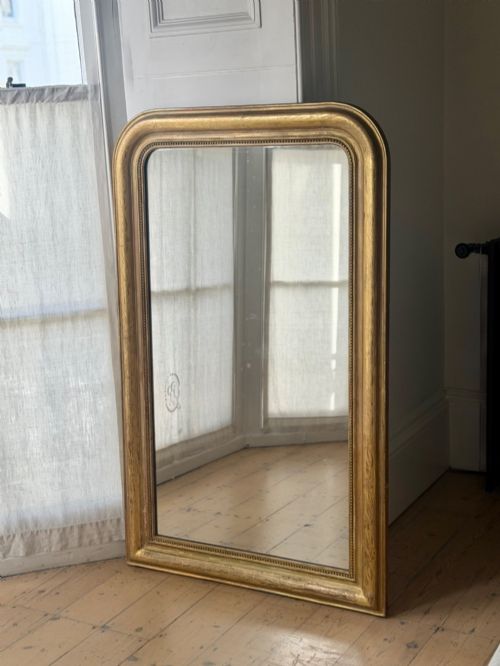
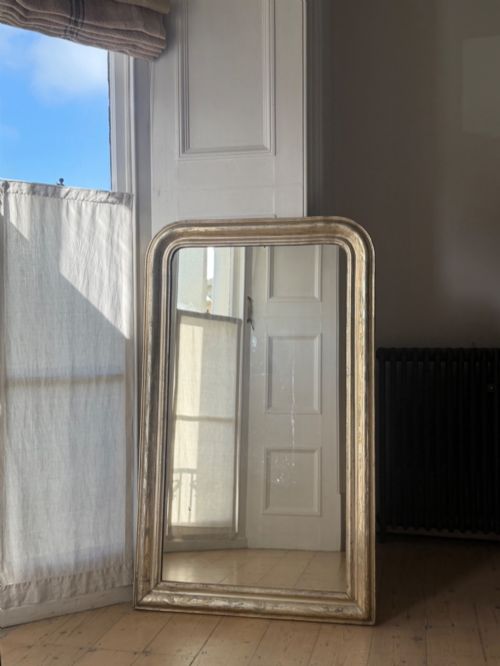
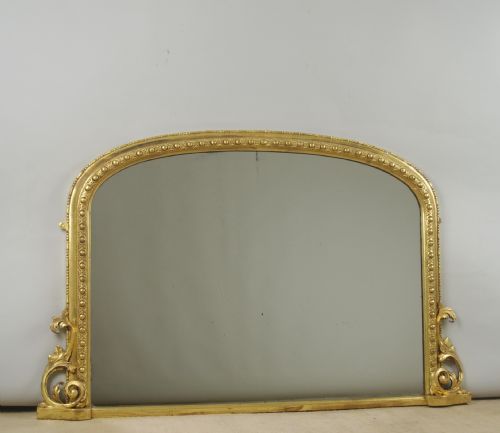
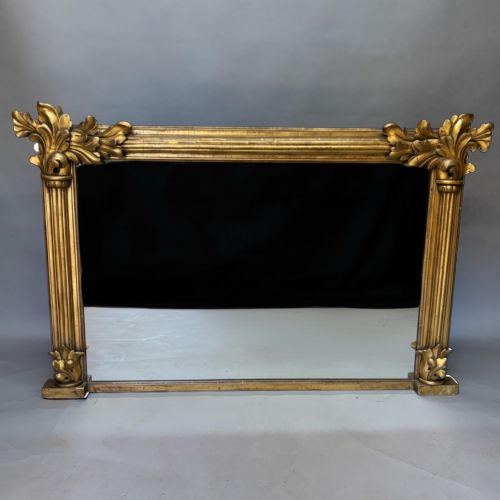
The most common form on this page is the arched top overmantel mirror carved from wood and gesso, finished in gold leaf or gilt. Alongside these hang tall leaner mirrors, oval wall mirrors, and architectural pier glasses intended to stand between windows.
Makers and workshops utilised varied regional idioms, producing English giltwood frames with robust mouldings alongside French Louis Philippe and Napoléon III designs featuring softer floral or pastoral details.
How they were made
Craftsmen shaped frames from solid timbers such as mahogany and walnut, or constructed them from carved wood and composition gesso built up over a wooden carcass. Gilders applied gold leaf or metallic paint directly to these prepared surfaces.
Many French examples incorporate original mercury glass, recognisable by its distinctive mottled depth and dark speckling, while other pieces utilise bevelled mirror glass or newly fitted replacement plates.
Large Nineteenth Century Mirror Retail Price Guide 2026
Typical asking prices for large nineteenth century mirror among the pieces listed under this phrase on Sellingantiques today, from the lower quarter to the upper quarter. They describe what is for sale here now, not the wider market.
Current listings feature materials including giltwood, gesso, mahogany, walnut, brass, and mercury glass across Victorian and Georgian periods.
What varies in quality
Quality rests in the crispness of the hand-carved ornamentation and the integrity of the original gilding versus later overpainting. Deeply undercut scrollwork, lion masks, and intact gesso mouldings separate ambitious workshops from standard commercial production.
The condition and survival of the original mirror plate heavily influence character, particularly where mercury silvering has aged naturally over the decades.
Gillows
The Large Nineteenth Century Mirror Glossary
- Giltwood
- Wood that has been coated with thin sheets of gold leaf. This finish defines the most formal nineteenth century reception room mirrors.
- Gesso
- A plaster-like mixture applied to wooden frames to create a smooth surface for carving and gilding. Artisans built up relief details using this paste before applying gold leaf.
- Overmantel mirror
- A large mirror specifically proportioned to hang above a fireplace mantelpiece. These horizontal frames frequently feature arched tops to draw the eye upward.
- Mercury glass
- An early type of mirror plate produced by pouring a silvering amalgam between double-walled blown glass or onto flat glass plates. It yields a characteristic mottled, atmospheric reflection.
- Pier glass
- A tall, narrow mirror designed to hang on the wall space between two windows. These pieces often sat above low console tables or pier tables.
Large Nineteenth Century Mirror: Frequently Asked Questions
How do I hang a heavy overmantel mirror?
These substantial frames require secure fixing directly into masonry or wall studs using heavy-duty mirror brackets and battens.
Weight distribution matters because wooden and gesso frames place immense strain on a single fixing point.
What is mercury glass?
Mercury glass refers to antique mirror plates silvered with a mercury amalgam rather than modern chemical solutions.
This process creates characteristic dark spots and a deep, cloudy reflection unique to nineteenth century pieces.
How do I clean an antique gilt frame?
Dust giltwood surfaces gently with a soft, dry brush to avoid disturbing fragile gesso mouldings and gold leaf.
Moisture and commercial cleaning agents will strip the historical finish from nineteenth century frames.
Are these mirrors original throughout?
Surviving nineteenth century mirrors frequently retain their original frames alongside either mercury plates or later replacement glass.
Listings specify whether the mirror plate is new or original to help collectors assess the piece.