


Large Metal Plant Pot
A large metal plant pot brings weight and texture to a room, offering a durable vessel for substantial greenery.
Large Metal Plant Pot
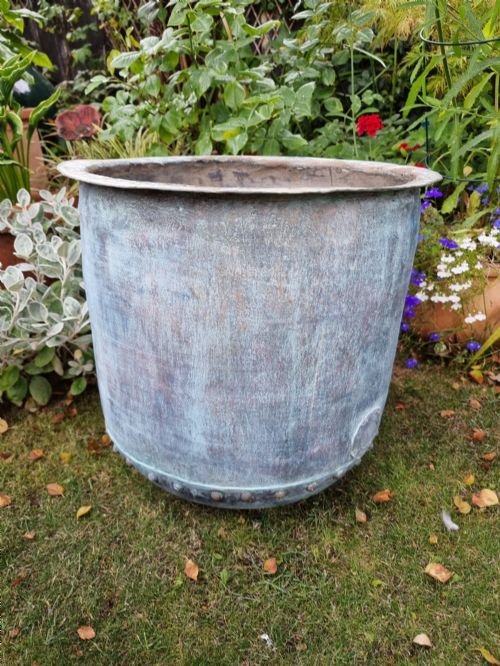
A large metal plant pot functions as a dramatic container for interior or garden planting, drawing the eye with a substantial metallic presence. When searching this phrase, buyers encounter robust vessels cast, beaten, or soldered into forms designed to hold earth and plants. The selection spans distinct periods from the nineteenth century onward, including Victorian, Edwardian, and Regency examples alongside Asian bronzes.
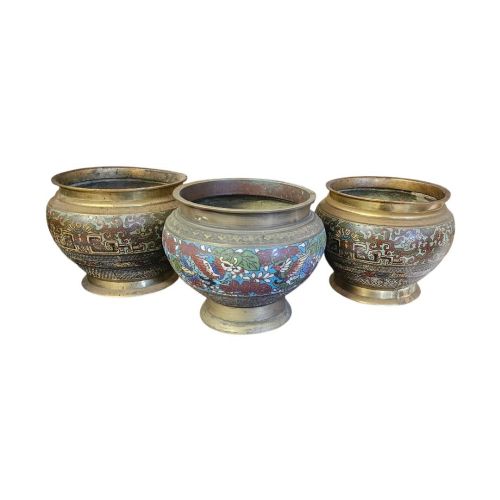
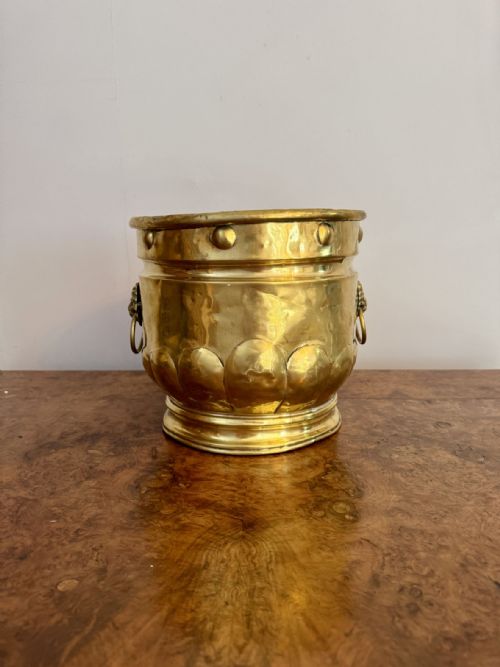
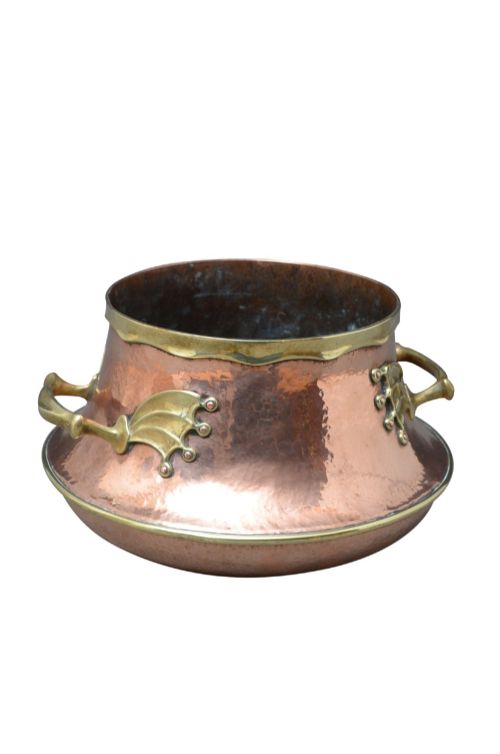
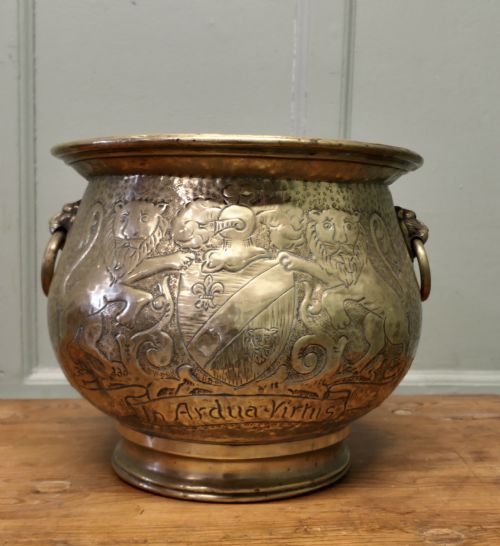
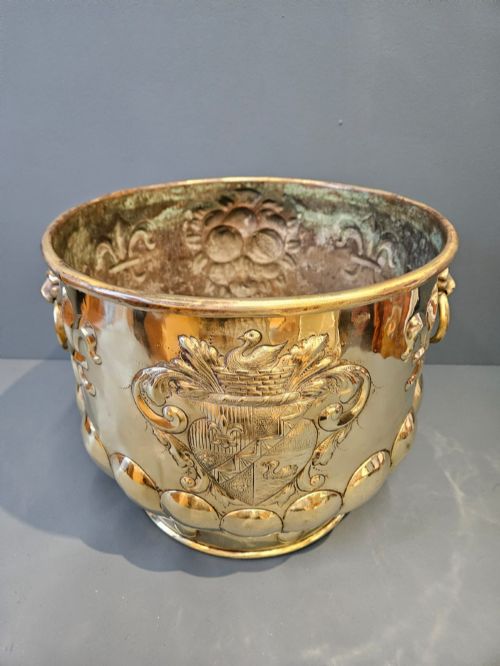
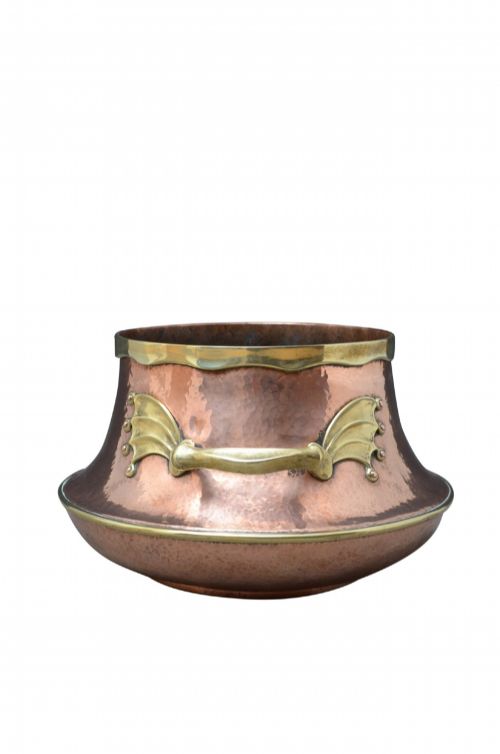
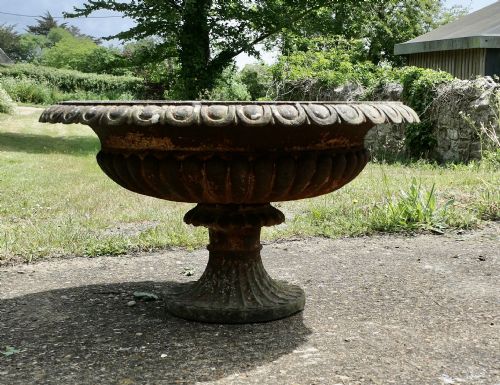
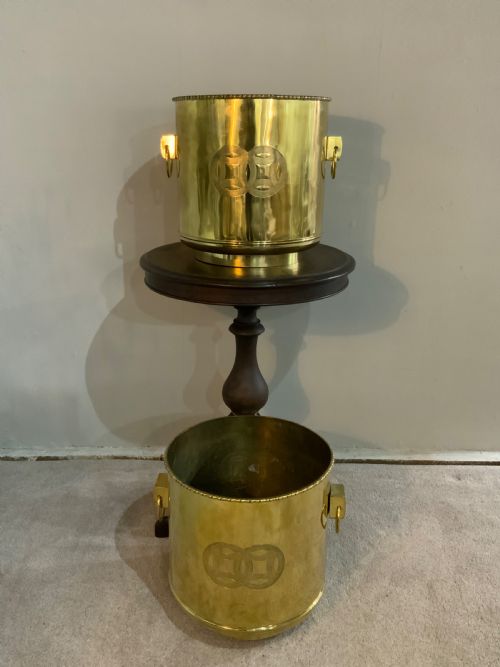
The most common formats on this page are jardinieres, cachepots, and planters rendered in brass, copper, and bronze. These pieces often feature decorative elements such as lion mask handles, crests, shields, or champleve enamel work. Dimensions vary from heavy bronze bowls to expansive copper garden display pots and cast iron urns.
Origins range from British and French workshops to Japanese Meiji period pieces and Chinese Qing dynasty vessels. Many double as log bins or waste bins, showing that these heavy metal containers served multiple domestic and decorative functions over the decades.
How they were made
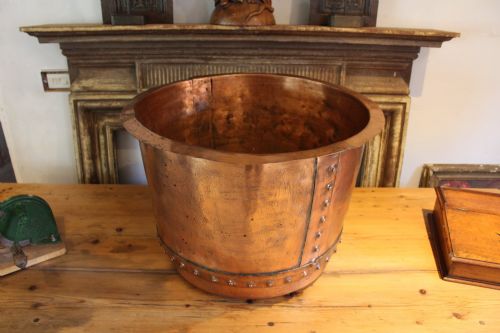
Makers utilised heavy gauge sheet copper and brass, often shaping the metal by hand through hammering and riveting to create seamless or panelled bodies. Cast iron and bronze pieces were poured into moulds, yielding heavier urns and bowls with crisp relief details and substantial weight.
Surface decoration required specialist skills, from the hand-engraving seen on Indian Raj period brass to the intricate cloisonne and champleve enamelling found on Chinese bronzes. Zinc and lead vessels relied on soldered joints and folded edges to withstand moisture in gardens and conservatories.
The inventory combines nineteenth century European copper and brass with Meiji period Japanese bronzes and Chinese enamelled vessels.
What varies in quality
The distinction between ordinary utility items and finer examples lies in the thickness of the metal and the crispness of the hand-finishing. Thicker gauge brass and heavy bronze maintain structural integrity and resist distortion over decades of holding wet soil.
Decorative detailing separates standard production from superior work. Hand-engraved crests, crisp cast handles, and detailed enamel panels demonstrate an artisan's investment of time, whereas plain spun vessels represent more utilitarian manufacture.
The Large Metal Plant Pot Glossary
- Cachepot
- An ornamental flowerpot used to cover a less attractive utilitarian pot. The term translates from French as hiding pot.
- Champleve
- An enamelling technique where troughs or cells are carved into the metal surface and filled with vitreous enamel before firing. This method creates rich coloured patterns on bronze vessels.
- Meiji Period
- A Japanese historical period spanning from eighteen sixty-eight to nineteen twelve, known for exceptional bronze casting and decorative metalwork.
- Cloisonne
- A metalworking technique where fine wire is soldered to a metal base to create compartments that receive enamel paste. It produces intricate, multi-coloured decorative surfaces.
Large Metal Plant Pot: Frequently Asked Questions
How were large metal plant pots used historically?
These vessels served primarily as decorative containers for indoor palms and ferns during the Victorian and Edwardian eras. They sat on heavy floors or plant stands to protect interiors from water drainage.
Many also functioned as log bins beside fireplaces or as display pieces in conservatories and gardens. Their substantial metal construction made them durable enough for both domestic and outdoor settings.
Can these antique planters be used outdoors?
Cast iron, zinc, and lead pieces tolerate outdoor weather well and suit garden display. Copper and brass items can weather outside too, though prolonged moisture may accelerate corrosion.
Protect delicate finishes like enamel work or thin brass from frost and heavy rain. Using a protective liner helps preserve the interior metal regardless of where you place the pot.
How do I identify a Victorian metal planter?
Victorian examples often display specific stylistic clues such as Gothic Revival motifs, heavy cast brass lion mask handles, or stamped crests. Look for hand-hammered marks and traditional joining methods like dovetailing or heavy riveting.
Weights tend to be reassuringly heavy compared to modern reproductions. Materials were predominantly solid brass, copper, and cast iron rather than plated modern alloys.