
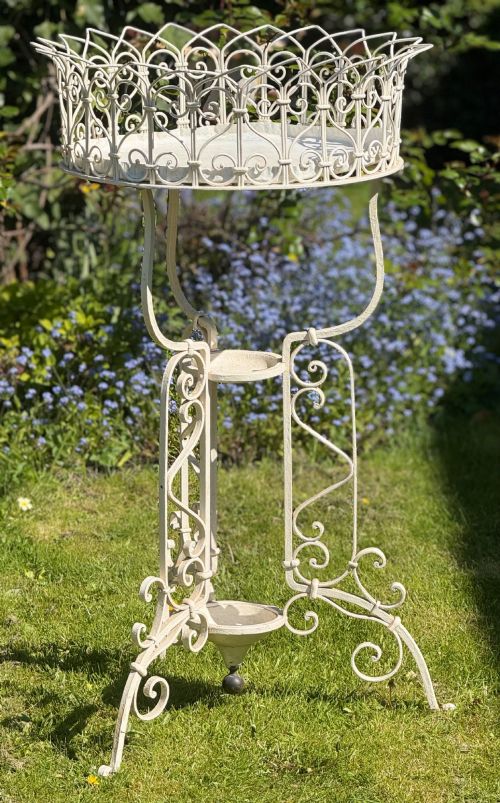


Metal Garden Jardiniere
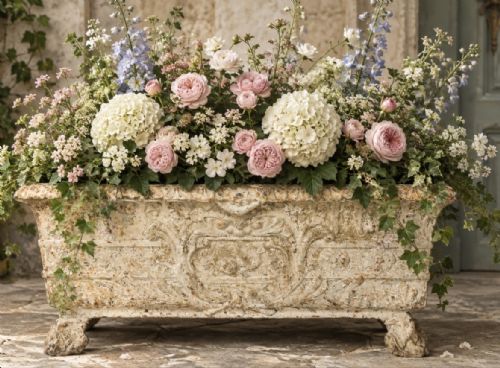
A metal garden jardiniere brings sculptural presence to a terrace, and you will find these heavy planters cast, forged, or wired for outdoor display.
Metal Garden Jardiniere
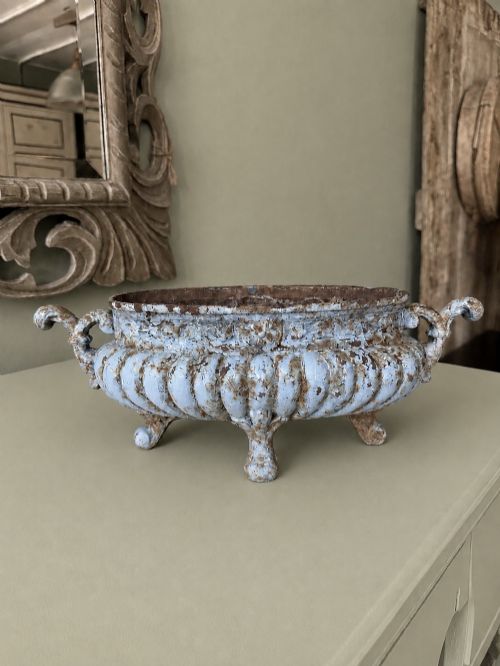
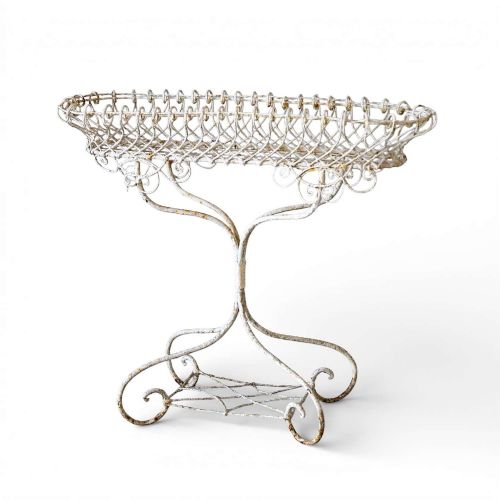
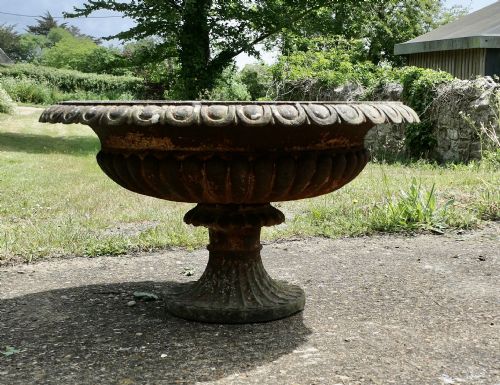
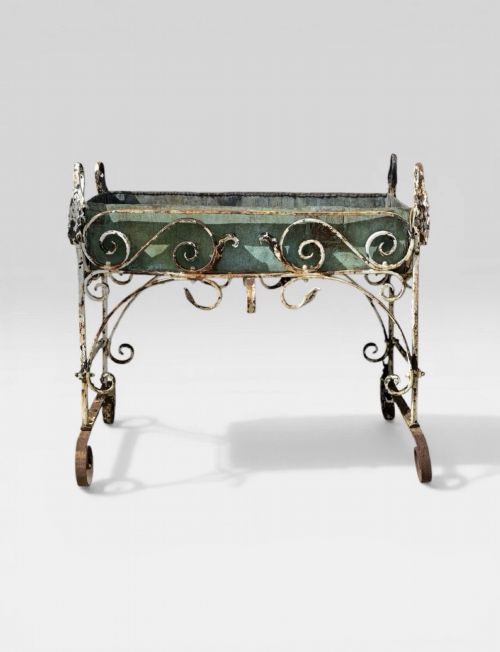
A metal garden jardiniere provides a sturdy vessel for displaying plants and flowers across terraces, lawns, and conservatory spaces. The selection ranges from robust nineteenth-century cast iron urns to delicate wirework plant stands suited for domestic glasshouses.
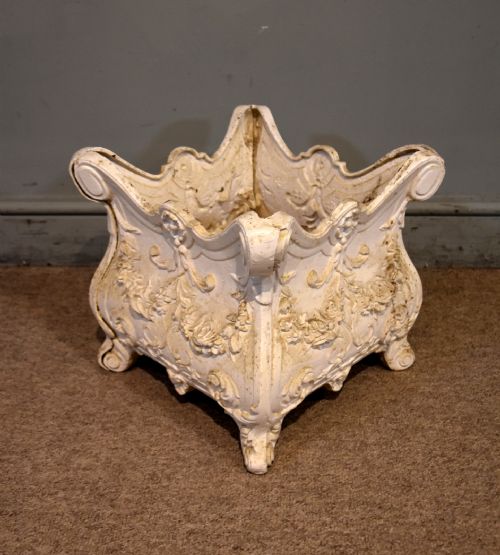
You are most likely to encounter nineteenth-century cast iron designs and French styles alongside tiered wirework pieces. Formats span deep garden planters, multi-tiered plant stands, and large ornamental vessels resting on claw feet.
The origins span English country houses and French provincial settings, encompassing distinct periods from the Georgian era through the Victorian and Edwardian years. Makers such as Coalbrookdale contributed heavily ornamented ironwork to this tradition.
What varies in quality
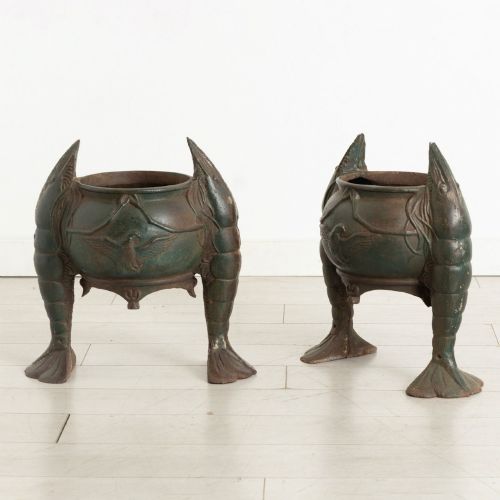
The definition and depth of the casting separate standard production items from superior works, particularly in foundry pieces bearing crisp ornamental motifs and sculptural details like animal forms. Heavier gauges of metal and substantial scale dictate structural integrity.
The sophistication of the metalwork, seen in complex wrought scrollwork or fine wire lattice baskets, distinguishes exceptional pieces. Original patination, weathering, and surviving historic paint finishes also contribute to the distinction of the object.
Listings feature pieces from the 18th Century, Regency, Victorian, and Edwardian periods, utilising cast iron, wrought iron, zinc, tin, and wirework.
Coalbrookdale
The Metal Garden Jardiniere Glossary
- Jardiniere
- An ornamental pot or stand designed to hold plants or flowers, typically displayed in a garden, patio, or conservatory.
- Cast iron
- A heavy, durable alloy poured into moulds to create rigid garden urns, planters, and decorative stands with high detail.
- Wrought iron
- Iron beaten and shaped by hand into structural frames, scrollwork, and plant stands using traditional blacksmithing tools.
- Wirework
- Metal wire bent, woven, and soldered into lightweight, open-framework plant stands and tiered conservatory displays.
- Urn
- A rounded ornamental vessel on a pedestal base, frequently cast in iron or lead for use as a garden planter.
Metal Garden Jardiniere: Frequently Asked Questions
What is a metal garden jardiniere?
A metal garden jardiniere is an outdoor vessel or stand designed to hold potted plants and floral displays. They are built from materials like cast iron, lead, and wirework to withstand exterior conditions.
These pieces function as focal points in gardens and conservatories, elevating greenery above ground level. Their robust construction supports large volumes of soil and mature plants.
Where should I place a plant stand?
Plant stands suit conservatories, sheltered patios, and garden terraces where their metal frames remain protected from extreme moisture. Tiered wirework versions fit well in bright indoor glasshouses.
Positioning them on stable, level ground ensures safety given the substantial weight of ironwork and damp soil. They work effectively near entranceways or against stone garden walls.
How do I care for cast iron planters?
Cast iron planters require periodic inspection for surface rust and weathering, particularly where moisture collects around the base. Maintaining a protective layer of paint helps preserve the metal.
Lining the interior prevents direct contact between damp soil and the metal walls. During freezing winter months, elevating the planters prevents water from pooling and cracking the iron.
How do I date an antique garden planter?
Dating relies on identifying manufacturing techniques, material choices, and stylistic markers associated with specific periods like the Regency or Victorian eras. Machine-rolled sheet metal and heavy sand-cast iron indicate nineteenth-century production.
Design motifs such as Gothic revival patterns or Arts and Crafts framing provide further chronological clues. Examining fasteners, welds, and surface patination helps confirm the age of the piece.