

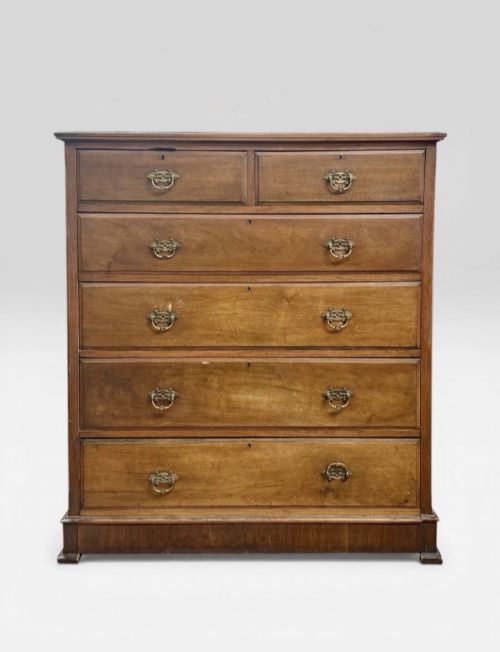
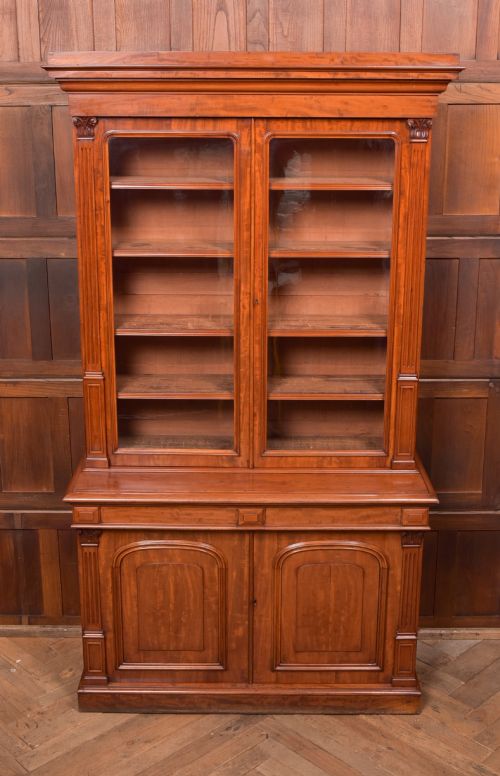
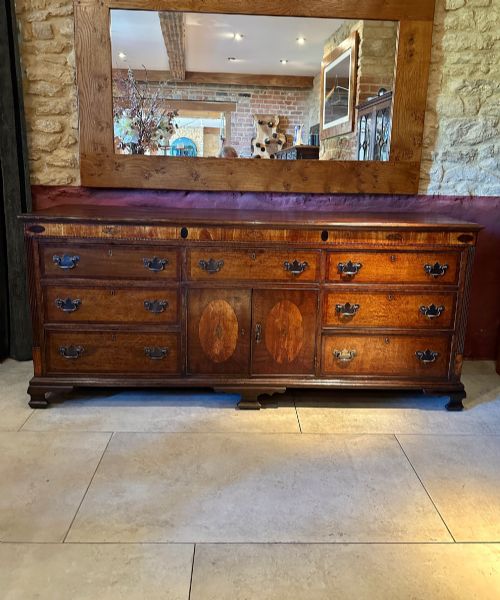


Large Mahogany Dresser
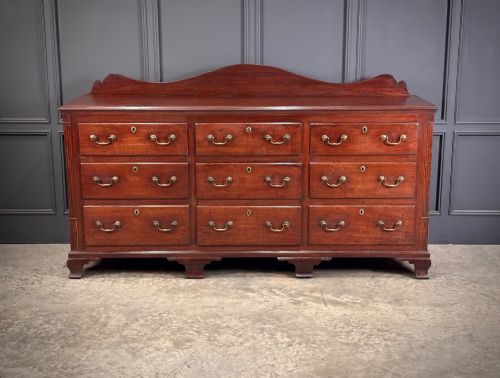
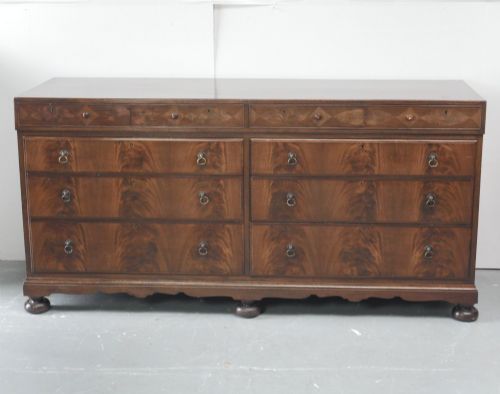
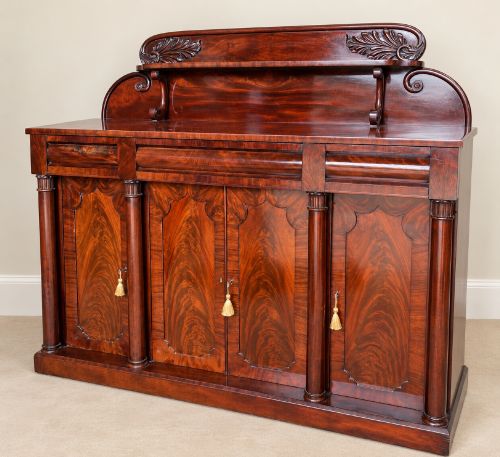
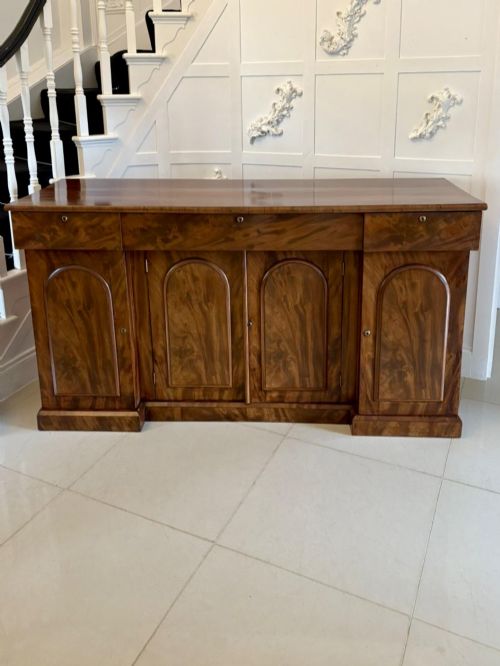
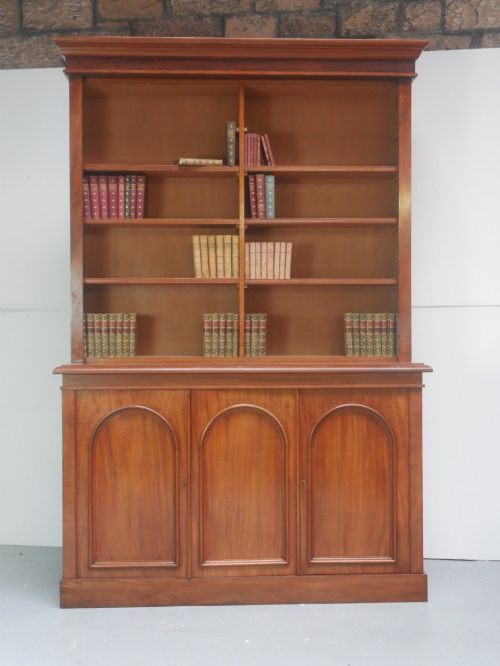
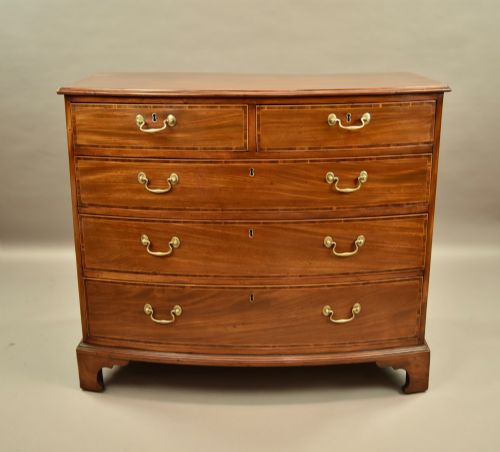
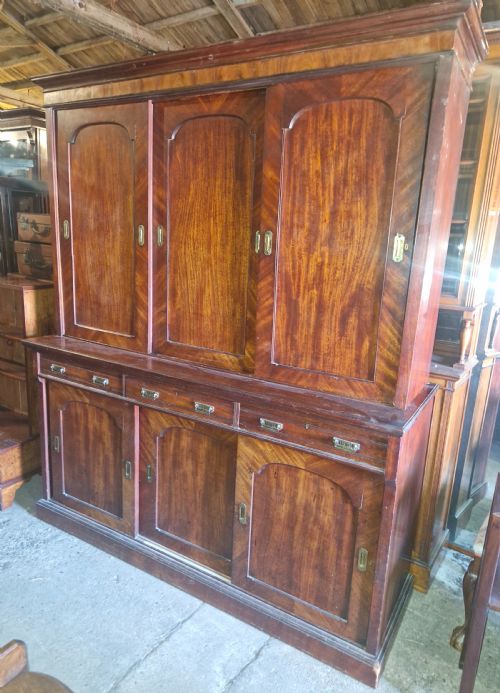
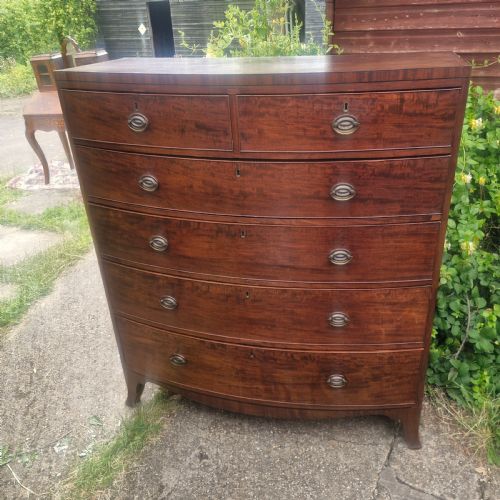
A large mahogany dresser brings serious scale and rich timber grain to a room, offering vast storage matched with enduring presence.
Large Mahogany Dresser
A large mahogany dresser encompasses substantial case pieces, mixing drawer banks, cupboards, and sideboard surfaces, frequently appearing across Victorian, Georgian, and Regency periods.
Buyers encounter solid timber and veneered examples ranging from bow-fronted chests and breakfront sideboards to country house dresser bases and tall library bookcases.
These forms reflect utilitarian storage and formal dining requirements, with Scottish chests, Lancashire dresser bases, and glazed cabinets forming the core of the selection.
Materials and construction
Cabinet makers utilised dense solid mahogany alongside flame mahogany veneer over secondary timbers such as oak and pine to build these substantial frames.
Fine detailing involved boxwood stringing, brass drawer pulls, and glass panels for glazed bookcase doors, supported by solid internal drawer construction.
One listed cabinet served an estate office, quietly hiding ledgers behind heavy mahogany doors long before modern filing cabinets existed.
Assessing quality and finish
Quality rests upon the selection of figured or flame mahogany veneers and the crispness of mouldings and inlay work rather than sheer size.
Superior examples maintain original brass hardware, unwarped drawer linings, and balanced proportions across breakfront or serpentine layouts.
Whytock And Reid
The Large Mahogany Dresser Glossary
- Flame mahogany
- A veneer cut from timber fork where branches meet the trunk, creating a distinctive flamed or feathered pattern. This figure is prized for decorative cabinet fronts.
- Bow front
- A convex, curved front to a chest of drawers or sideboard. This shape softens the mass of large furniture.
- Breakfront
- A piece of furniture whose central section projects forward from the flanking wings. It adds architectural depth to sideboards and bookcases.
- Dresser base
- A low cabinet featuring drawers and cupboards without upper shelving. These pieces often doubled as serving tables in large dining rooms.
- Tallboy
- A tall chest of drawers built in two stacked sections, often combining a smaller upper chest over a deeper base. It maximises vertical storage space.
Large Mahogany Dresser: Frequently Asked Questions
How do I date a large mahogany dresser?
Dating relies on construction methods, timber choice, and stylistic markers such as bracket feet, cockbeading, or brass hardware styles.
Earlier pieces from the eighteenth century show hand-cut dovetails and solid timber carcases, while Victorian examples often employ machine-sawn elements and vibrant flame veneers.
What is the difference between a sideboard and a dresser base?
A sideboard is typically designed for dining rooms to serve food and store tableware, often featuring central cupboards flanked by drawers.
A dresser base stems from kitchen or pantry traditions, presenting a sturdy working top above deep drawers and pot boards or lower doors.
How do I care for flame mahogany veneer?
Flame mahogany requires protection from direct sunlight and extreme humidity fluctuations to prevent the delicate veneer from drying or lifting.
Regular dusting with a dry, soft cloth and occasional application of appropriate beeswax preserves the depth and sheen of the polished surface.
Where should I place a large mahogany dresser?
These imposing pieces anchor dining rooms, wide hallways, or large living spaces, providing substantial surface area and deep internal storage.
Ensure the floor is level and allow sufficient clearance for drawers and cupboard doors to open fully without obstruction.