

Large Gold Pier Mirror
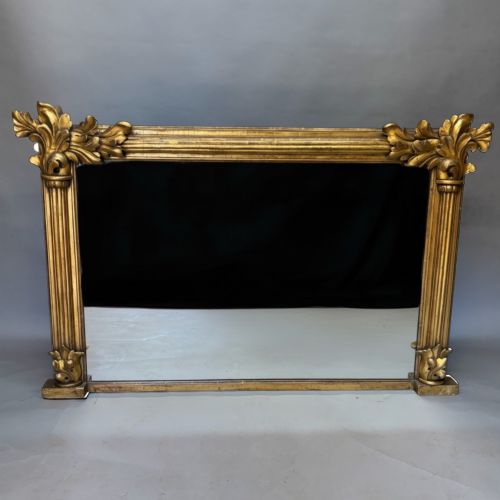
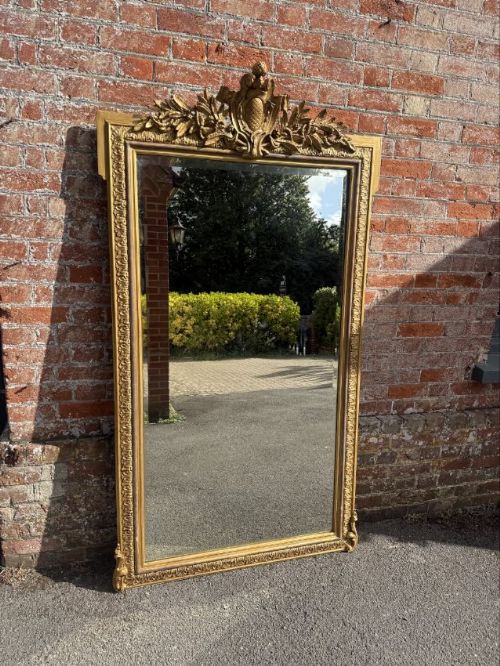
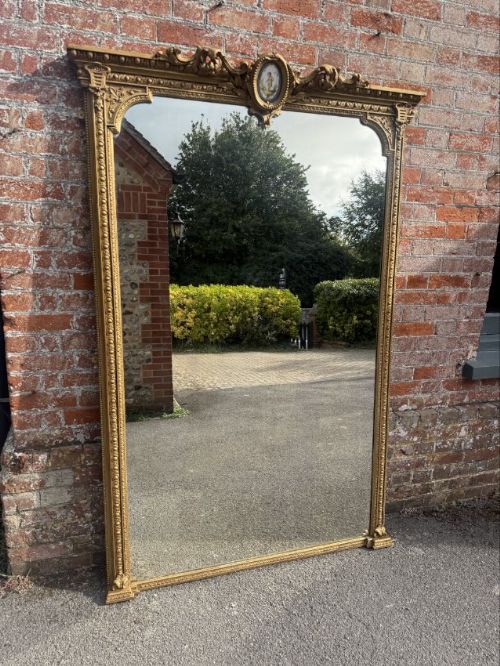
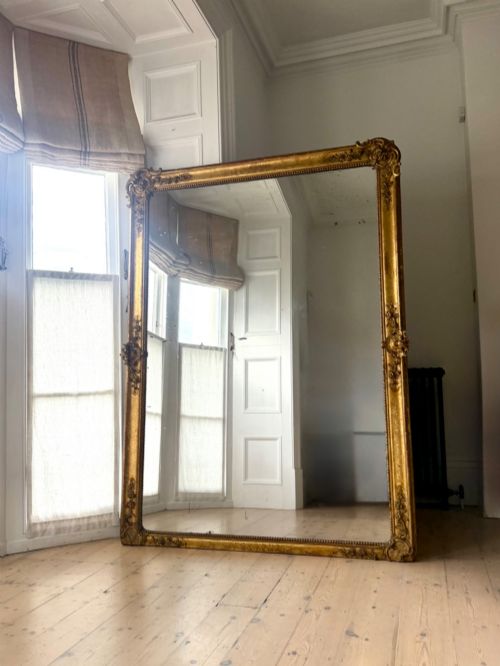
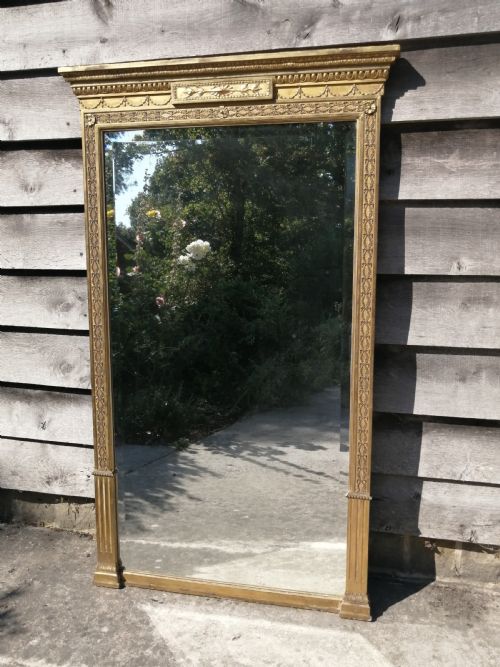
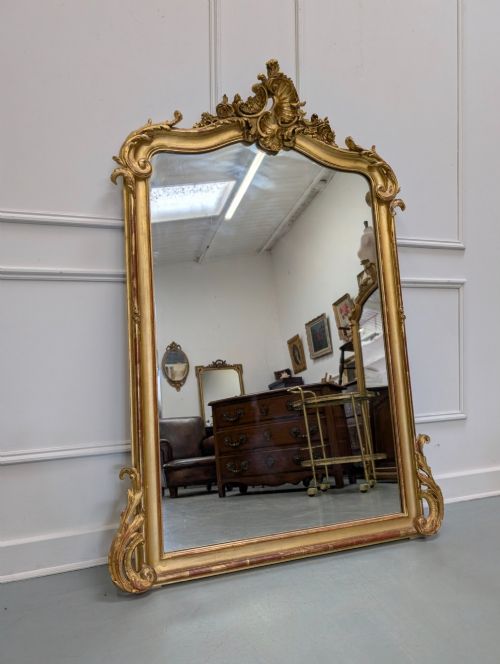
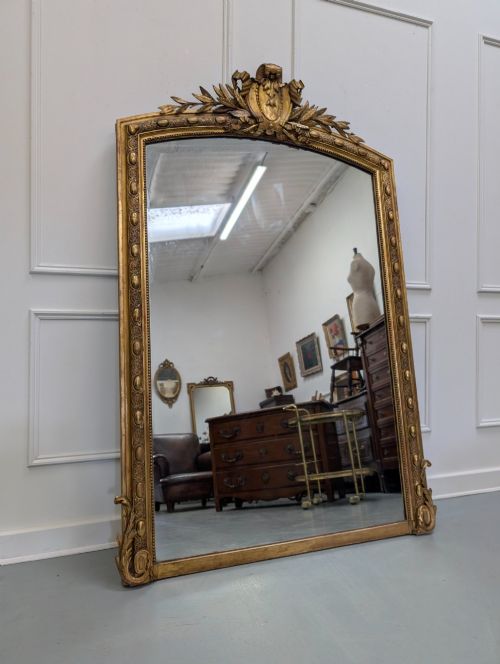
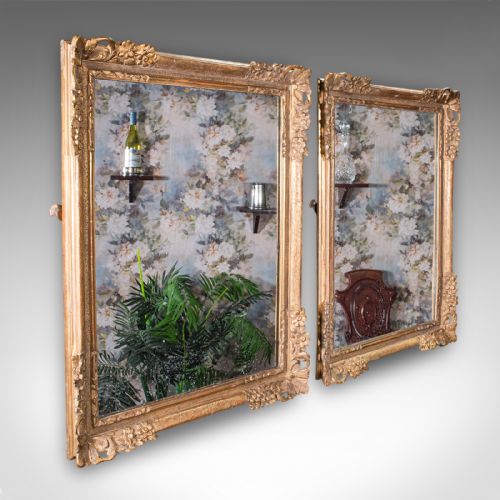
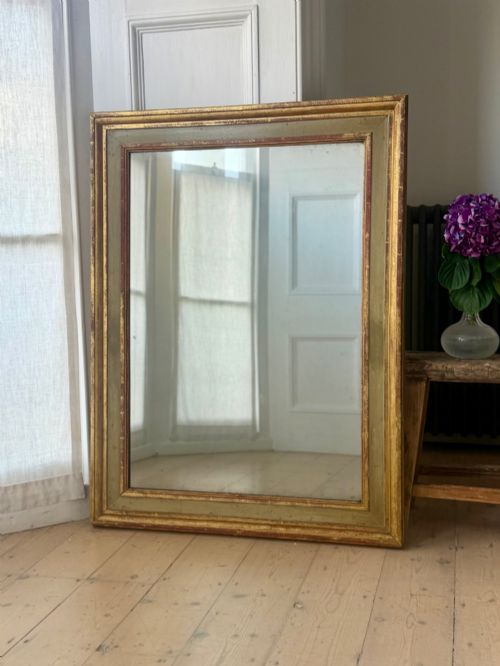
A large gold pier mirror brings scale and reflection to a room, anchoring the wall space between tall windows with period presence.
Large Gold Pier Mirror
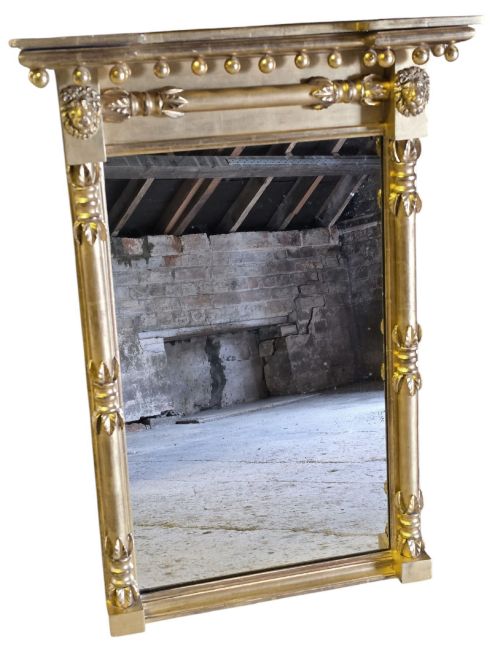
A large gold pier mirror typically occupies the architectural space between windows, reflecting light deep into the room. These pieces appear frequently in nineteenth-century and Georgian iterations, often taking tall, upright forms suited to grand proportions.
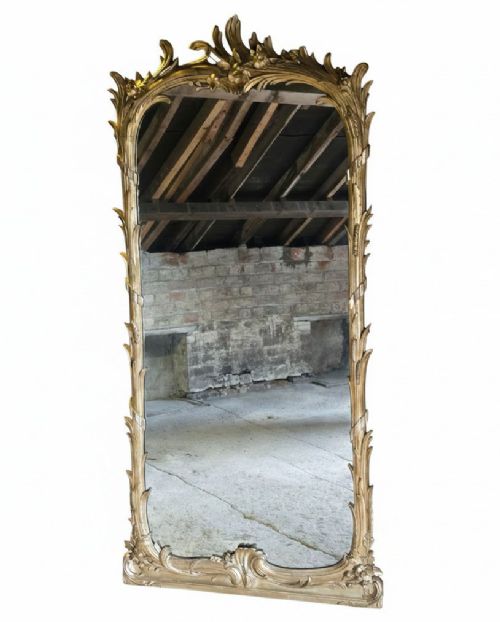
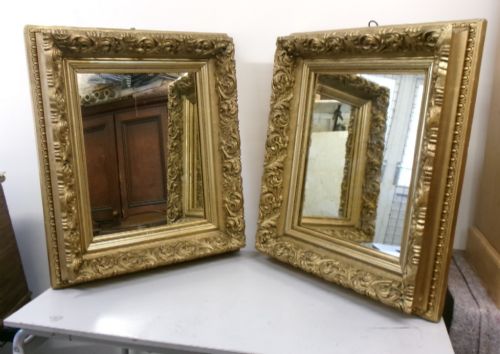
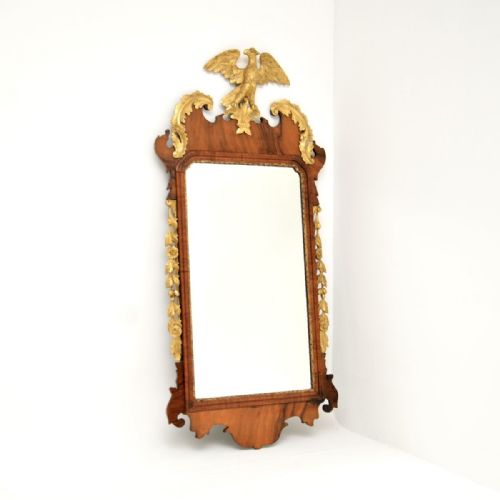
The inventory on this page ranges from English Regency and Georgian examples to French Empire, Rococo Revival, and Victorian designs. Buyers encounter wall mirrors, overmantels, and pier glasses sharing substantial scale and gilt framing.
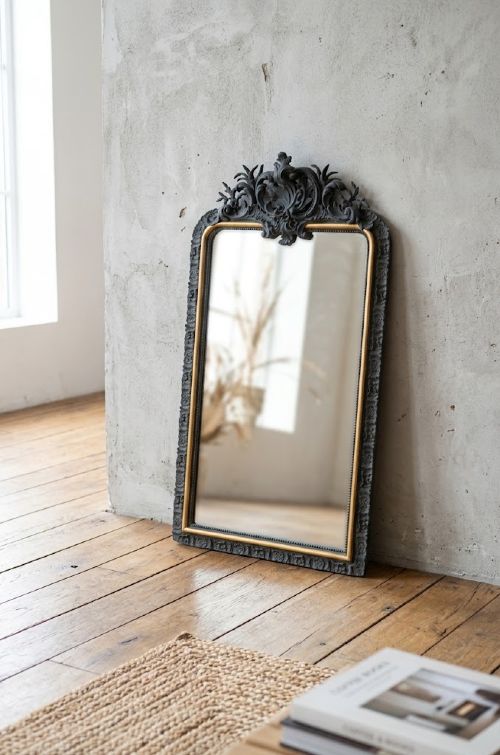
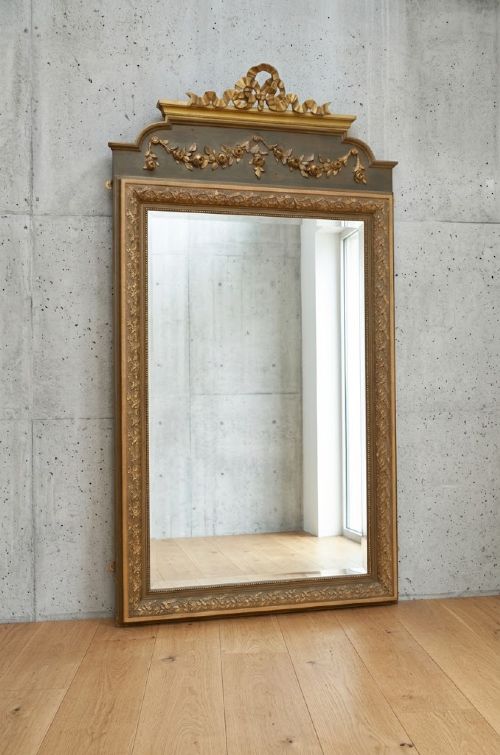
Many items incorporate painted elements alongside gold leaf or gesso, while specific regional variants reveal Italian and French origins. The primary function remains decorative and luminous, filling vertical expanses with reflective glass.
Materials and construction
Makers built these frames using timber such as pine or mahogany, applying layers of gesso to create smooth surfaces for carving and gilding. Gold leaf was laid over size, or the wood was painted and gilded to achieve rich decorative contrasts.
Glass production relied on traditional methods, yielding original mercury glass plates that often exhibit foxing and age spots. Some specimens feature specialised decorative treatments like verre églomise panels or carved details such as lion masks and ribbon crests.
Some nineteenth-century pier mirrors retain original lion masks guarding the glass, watching over the room with stern Victorian dignity.
The markers of distinction
Quality rests in the crispness of the carved wood and gesso ornament, where deep, detailed relief work distinguishes superior framing from simpler mouldings. The retention of original mercury glass plates and genuine gold leaf further elevates a piece.
Proportion and structural integrity dictate the standing of an individual mirror within its period. Pieces featuring balanced dimensions, original painted surfaces, and robust joinery represent the finer end of surviving examples.
The Large Gold Pier Mirror Glossary
- Giltwood
- Wood that has been coated with gold leaf or gold powder. This surface treatment provides a brilliant reflective finish across the frame.
- Gesso
- A plaster mix applied to wood frames to create a smooth base for carving. It allows intricate decorative details to be moulded before gilding.
- Mercury Glass
- Silvered glass produced by applying a tin and mercury amalgam behind the plate. It creates a warm, mottled reflection characteristic of older mirrors.
- Verre Eglomise
- Cold painting and gilding on the reverse of glass panels. This technique adds decorative borders or pictorial scenes above the main mirror plate.
- Trumeau
- A decorative wall mirror or panel designed to fit a specific architectural space between windows. It frequently combines painted woodwork with a lower mirror plate.
Large Gold Pier Mirror: Frequently Asked Questions
Where should I hang a large gold pier mirror?
These mirrors suit narrow wall spaces between windows or above principal mantelpieces where their vertical height can expand the room's visual volume. Positioning them opposite a window maximises natural light distribution.
Ensure the wall construction supports the substantial weight of carved wood, gesso, and heavy glass plates. Secure fixings tied directly into wall studs provide the necessary stability.
How do I identify a period frame?
Examine the construction methods, timber types, and decorative motifs visible on the reverse and framing. Regency and Georgian pieces display specific carving styles and joinery techniques distinct from later Victorian revivals.
Original surfaces show wear consistent with age, including subtle oxidisation on mercury glass and minor losses to the gesso. These natural traces help confirm the era of manufacture.
What is mercury glass?
Mercury glass describes mirror plates created using a liquid mercury and tin amalgam poured behind the glass. This process produced a distinctive, soft reflection rather than the stark clarity of modern silvered glass.
Over time, the backing develops characteristic dark spots and foxing. Collectors prize this aged appearance as an indicator of early manufacture.
Are these mirrors heavy?
Substantial timber frames combined with thick glass plates make these objects notably heavy. Handling and installation require multiple people to prevent structural strain on the frame.
Wall mounting demands heavy-duty brackets and fixings appropriate for the weight. Professional installation is recommended to secure the piece safely.