

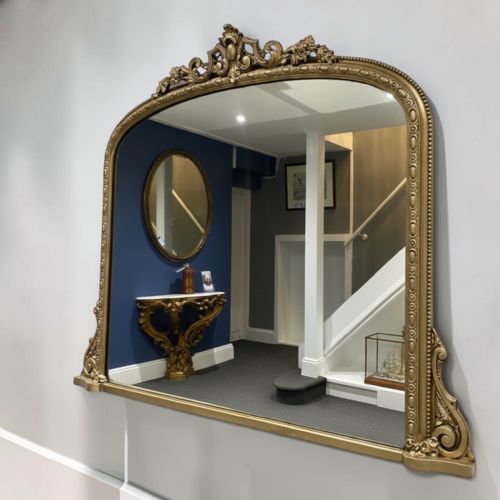
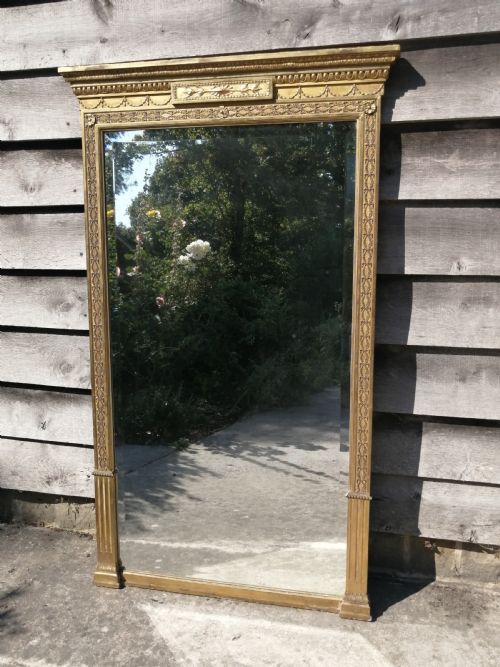
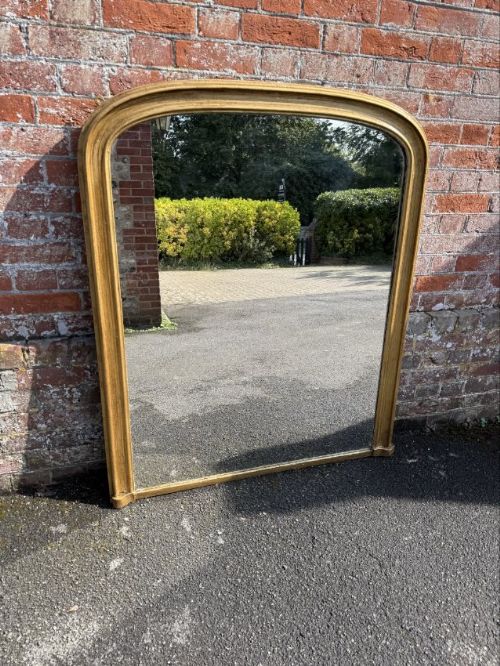
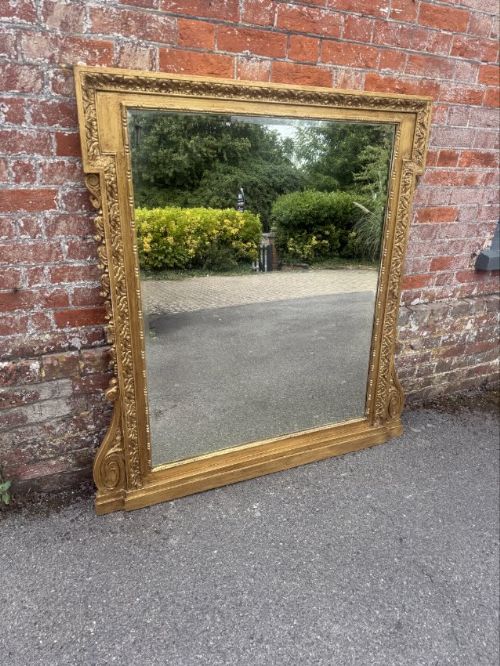
Large Gold Chimney Mirror
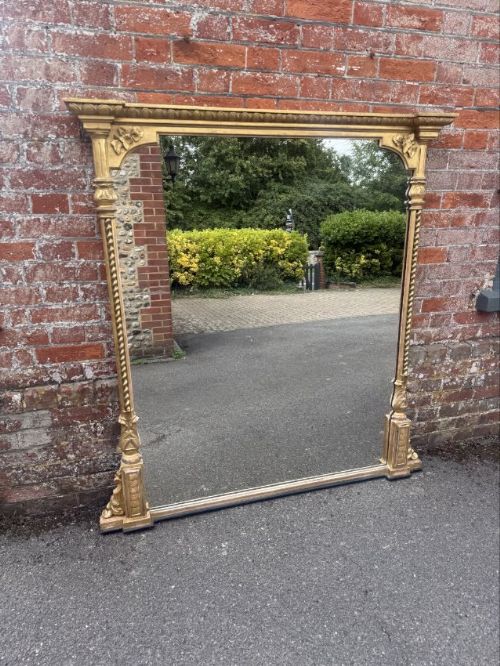
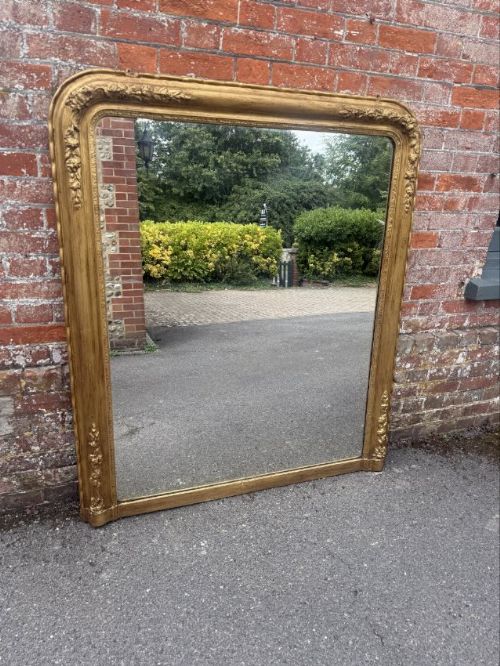
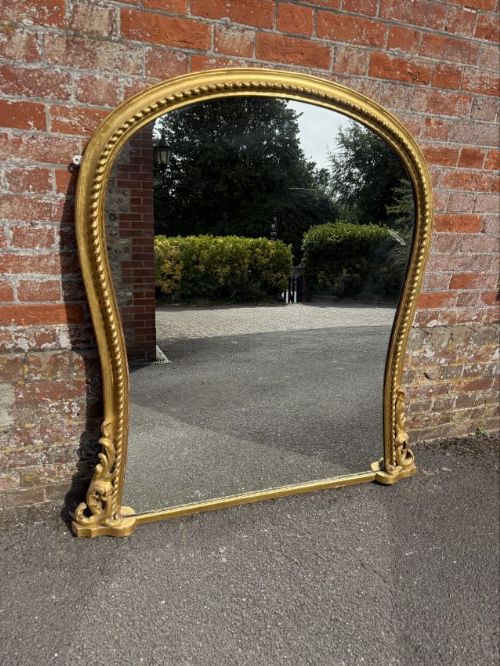
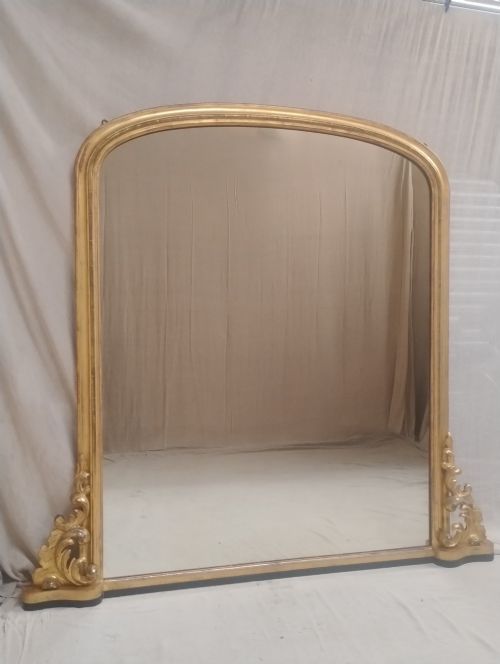
A large gold chimney mirror anchors a principal room with architectural presence, reflecting light across nineteenth-century and Regency interiors.
Large Gold Chimney Mirror
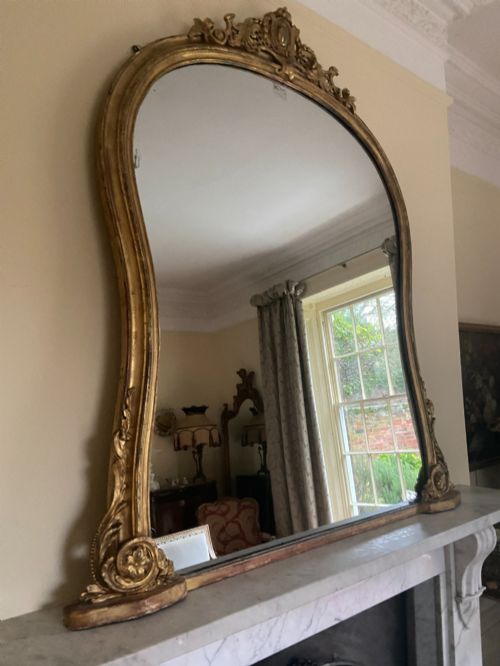
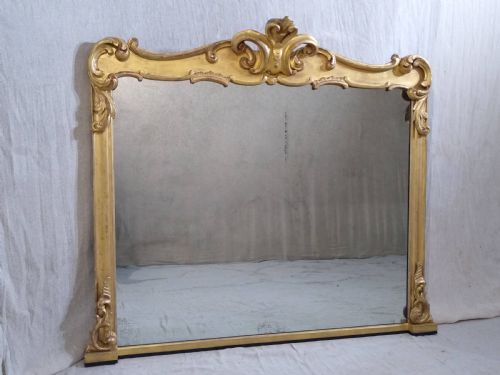
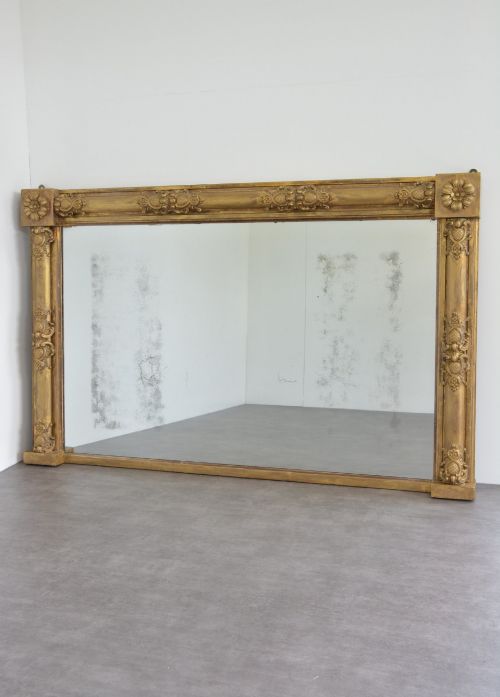
A large gold chimney mirror, also catalogued as an overmantel mirror, is designed to sit horizontally or vertically above a fireplace hearth. These grand-scale pieces originate principally from the nineteenth century, encompassing Regency, Victorian, and Edwardian periods.
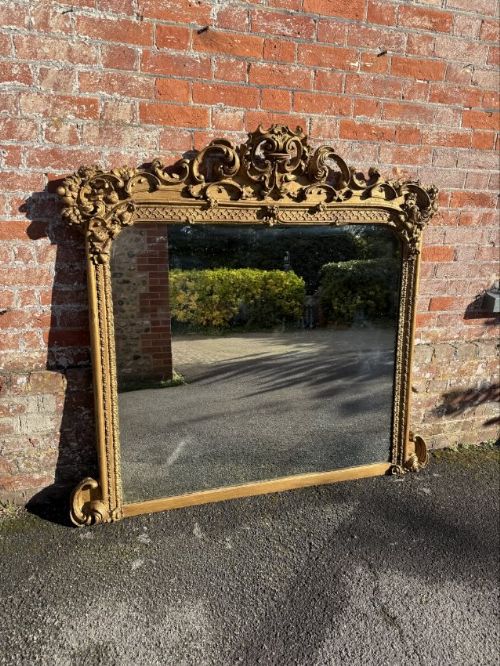
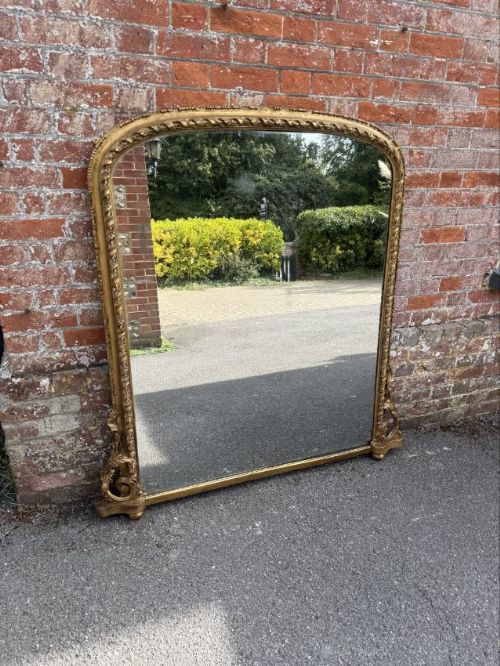
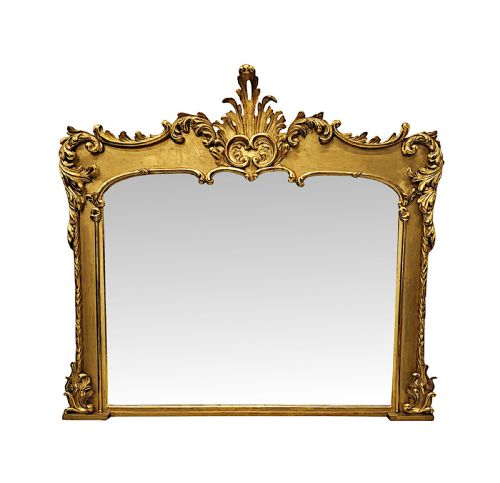
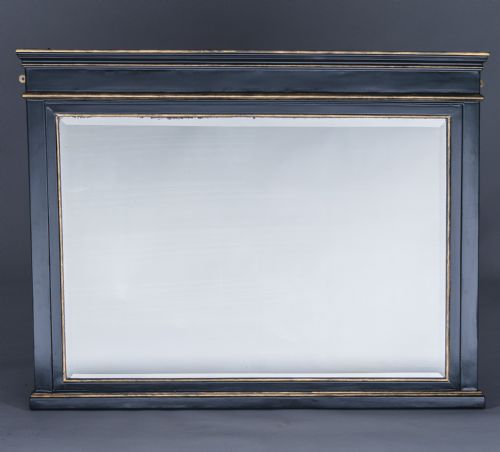
The format dominates the wall space above a mantelpiece, utilising shaped tops, arched profiles, and rectangular frames to command the room. English workshops produced the majority of these examples, employing substantial dimensions to capture and multiply natural daylight.
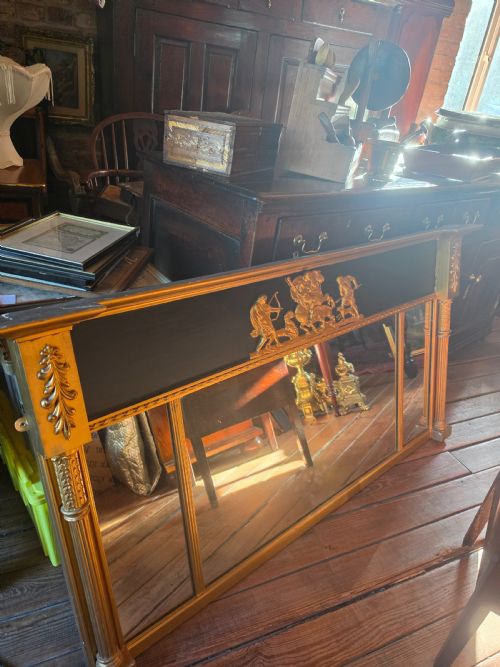
Surviving items often display classical motifs, rope twist borders, and ribbed columns that reflect the prevailing architectural tastes of their respective decades.
Materials and Construction
Makers constructed the structural frames from timber, principally wood, then applied layers of gesso to build up intricate relief ornaments and mouldings. Artisans subsequently applied gold leaf or composition finishes over the prepared ground to achieve a brilliant metallic sheen.
The heavy glass plates fitted within these frames required careful silvering and mounting, with many period pieces retaining their original mirror glass, occasionally showing light foxing. Carved wooden details and applied ornamentation were executed by hand before gilding.
Large Gold Chimney Mirror Retail Price Guide 2026
Typical asking prices for large gold chimney mirror among the pieces listed under this phrase on Sellingantiques today, from the lower quarter to the upper quarter. They describe what is for sale here now, not the wider market.
Listings feature pieces spanning the Regency, Victorian, and Edwardian periods, constructed from wood, gesso, and giltwood.
Assessing Quality and Execution
Quality rests in the crispness of the carved wood and gesso ornamentation, where deeply defined mouldings and sharp architectural details distinguish superior craftsmanship from simpler production. The integrity of the original gilt surface and the weight of the timber frame indicate the workshop's investment in materials.
The condition and depth of the mirror glass contribute significantly to the character of the piece, with heavier frames and intact original backboards commanding greater interest among collectors.
The Large Gold Chimney Mirror Glossary
- Gesso
- A plaster-like material applied to wooden frames as a smooth base for gilding. It allows artisans to carve or mould intricate decorative reliefs before applying gold leaf.
- Giltwood
- Timber that has been coated with gold leaf or gilt powder. This traditional finish provides a warm, reflective metallic surface that ages with a soft patina.
- Overmantel
- A large mirror or painting designed specifically to hang above a mantelpiece. These pieces often repeat the architectural motifs found elsewhere in the room.
- Foxing
- Small dark spots or brownish discoloration within the mirror glass caused by age and chemical reactions behind the silvering layer. It is a common characteristic of antique mirrors.
- Rope twist
- A carved decorative moulding resembling the twisted strands of a rope. This pattern appears frequently on nineteenth-century frames to add textural relief.
Large Gold Chimney Mirror: Frequently Asked Questions
How do I hang a heavy overmantel mirror?
These substantial frames require professional wall anchoring directly into masonry or solid studs to support the considerable combined weight of the wood, gesso, and glass.
Hardware must be rated for heavy loads to ensure the piece remains secure against the chimney breast.
Can these mirrors be placed on the floor?
Large chimney mirrors are structurally designed to be wall-mounted above a fireplace, but many owners rest them safely on the floor leaning against a wall.
When placed this way, the grand scale creates a relaxed interior aesthetic while still reflecting light effectively.
What is the difference between Regency and Victorian styles?
Regency frames lean towards restrained neoclassical lines, classical motifs, and architectural symmetry. Victorian examples frequently embrace bolder ornamentation, including rococo curves and heavy gesso detailing.
Both periods utilise gold leaf over timber bases but express distinct decorative philosophies.