


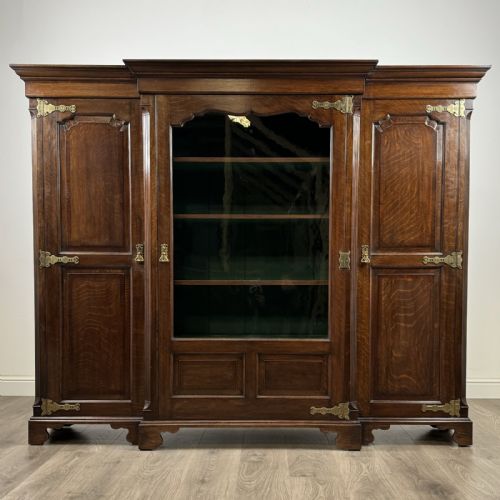
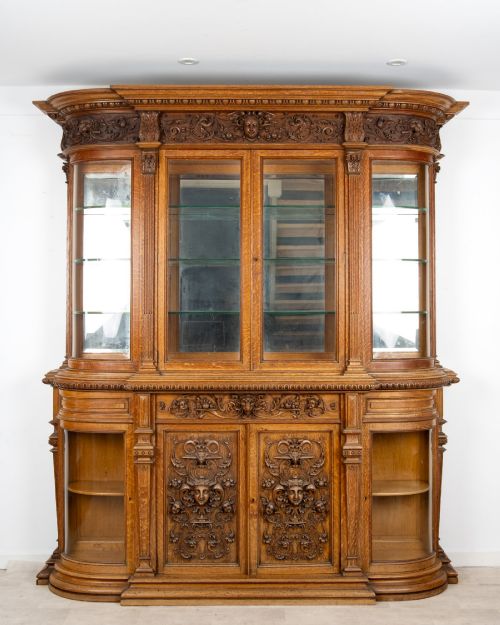
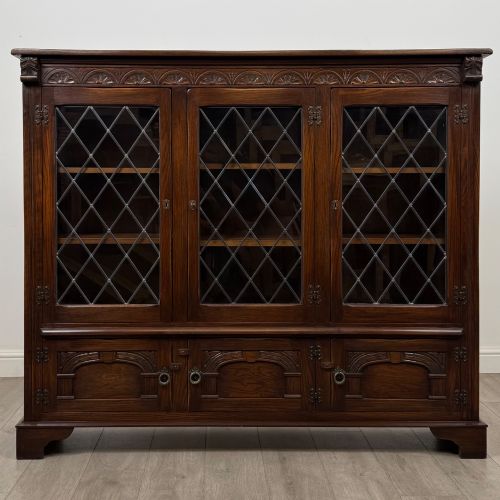
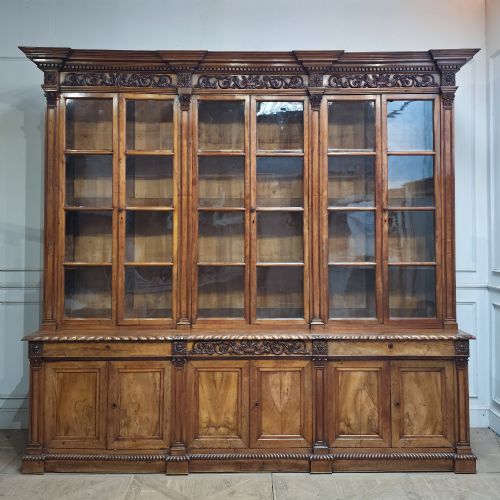
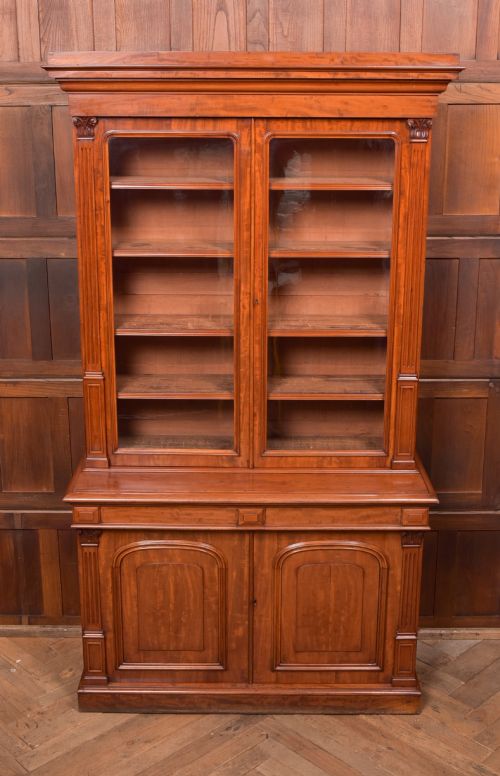

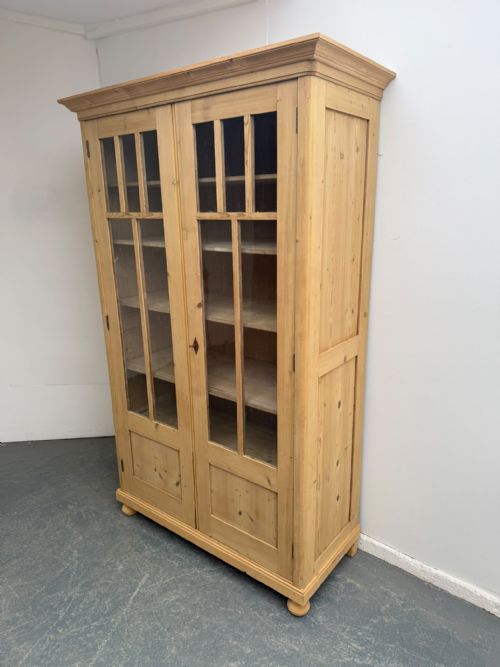


Large Glazed Dresser
A large glazed dresser commands space, bringing timber warmth and displayed storage together in rooms that need both.
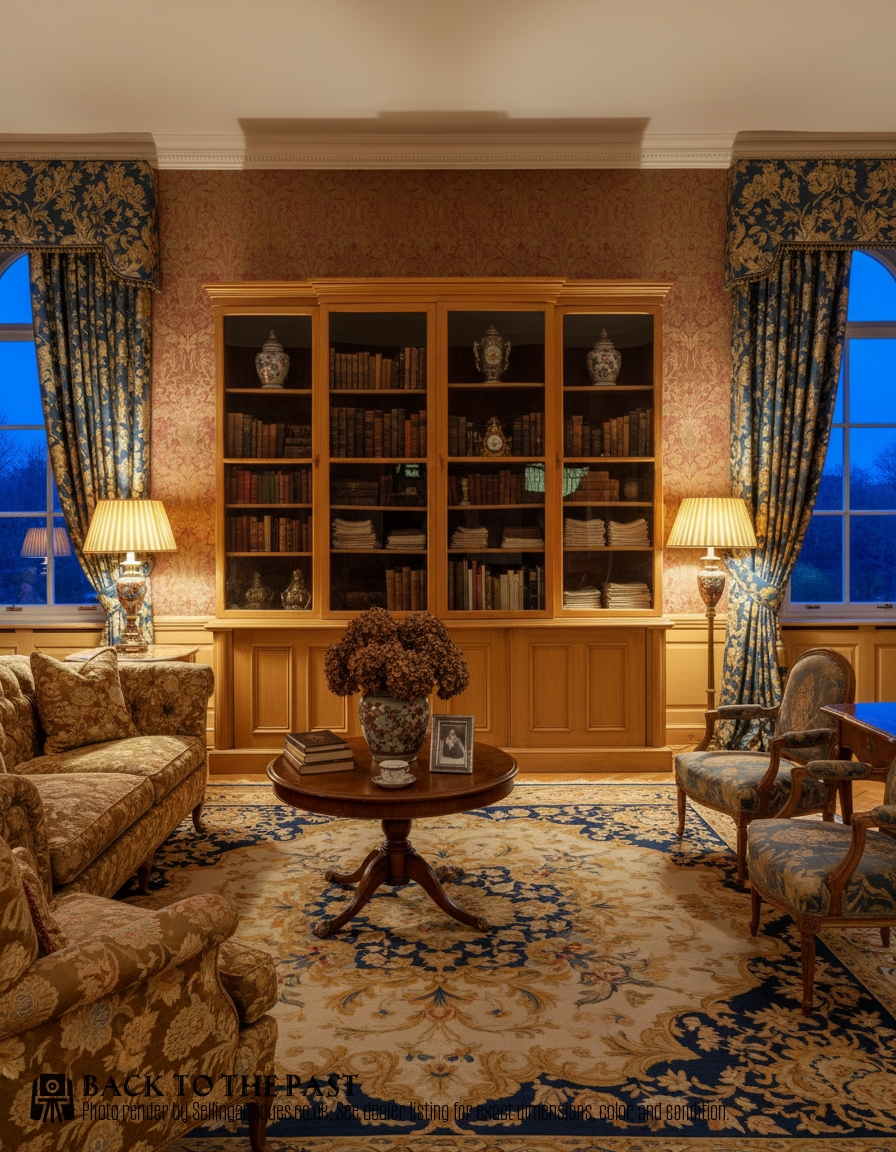
Large Glazed Dresser
A large glazed dresser combines lower enclosed storage with upper glass-fronted shelving, serving as both a working sideboard and a display cabinet. The phrase encompasses sturdy kitchen dressers, monumental library bookcases, and tall farmhouse cupboards designed to house china, books, and provisions.
Most examples encountered here date from the nineteenth century through the Edwardian era, spanning Victorian pine, solid oak, and painted finishes. Regional variations range from English and Irish country workshop pieces to French provincial and Danish cupboards.
Buyers select these substantial units to anchor large dining rooms, kitchens, and studies, utilising the glass doors to protect contents from dust while keeping them visible.
How they were made
Construction relies heavily on dense timbers such as oak, mahogany, and pine, joined to support the considerable weight of upper glazed sections and heavy base cupboards. Cabinetmakers utilised traditional mortise and tenon joinery for stability, fitting brass or iron hardware to doors and drawers.
Glazing involved securing individual panes of glass within timber framework using putty or wooden glazing bars, creating multi-pane doors that required precise carpentry. Surfaces were finished with wax, polish, or layers of paint, depending on whether the timber was intended to show grain or provide a muted country backdrop.
Large Glazed Dresser Retail Price Guide 2026
Typical asking prices for large glazed dresser among the pieces listed under this phrase on Sellingantiques today, from the lower quarter to the upper quarter. They describe what is for sale here now, not the wider market.
Listings feature structural pine, oak, and mahogany across nineteenth-century farmhouse dressers and monumental library bookcases.
What varies in quality
Quality rests in the architectural proportions of the piece, where harmonious alignment between the deeper base cabinet and the lighter upper glazed section defines visual balance. Finer items display meticulous hand-carving, well-figured timber grain, and panelled backs rather than utilitarian plywood replacements.
The integrity of the original glass, the smooth sliding or swinging action of large doors, and the retention of period hardware distinguish workshop masterworks from utilitarian institutional cupboards.
Howard and Sons
The Large Glazed Dresser Glossary
- Breakfront
- A cabinet design where the central section projects forward from the flanking wings. This architectural arrangement creates depth and shadow across the façade.
- Glazing bar
- A narrow wooden strip holding individual panes of glass within a sash. These bars form the grid pattern typical of nineteenth-century display cabinets.
- Secretaire
- A cabinet incorporating a pull-down writing flap revealing small drawers and pigeonholes. It merges desk functionality with upright storage.
- Housekeeper's cupboard
- A tall, large timber storage unit traditionally used for linen, dry goods, and household provisions. These pieces feature deep cupboards enclosed by solid or glazed doors.
- Sideboard
- A long dining room piece designed for serving food and storing tableware. Edwardian and Victorian versions often incorporate mirrored backs and carved timber details.
Large Glazed Dresser: Frequently Asked Questions
How do I style a large glazed dresser?
Arrange books, ceramics, and glassware behind the glass doors with plenty of breathing room between items to prevent visual clutter. Balance heavier serving platters and stacks of heavy volumes in the lower wooden cupboards.
Allow the natural grain of the oak or pine or the painted finish to complement the surrounding room without overcrowding the open surfaces.
Will a large glazed dresser fit in my room?
These imposing storage units require careful measurement of both floor space and ceiling height before purchase, as many historical pieces exceed standard modern dimensions. Account for the swing radius of wide doors and the clearance needed for two-part assembly.
Position the cabinet against a load-bearing wall away from direct heat sources to protect the aged timber and glass.
How do I clean and maintain antique timber?
Dust the exterior regularly with a soft, dry cloth and nourish waxed oak or pine surfaces periodically with traditional beeswax to preserve the finish. Avoid silicone-based sprays that can penetrate the grain and damage older polishes.
Clean the glass panes using a mild vinegar solution applied to a cloth rather than sprayed directly, preventing moisture from seeping into the wooden glazing bars.