





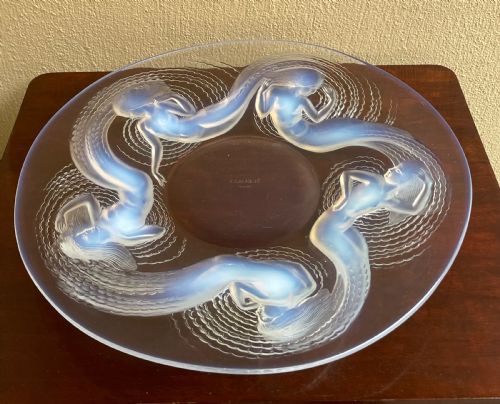


Large Glass Bowl
A large glass bowl brings weight and presence to a room, offering both decorative depth and practical capacity.
Large Glass Bowl
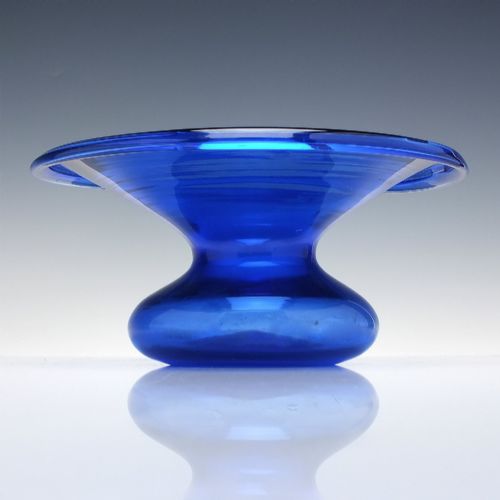
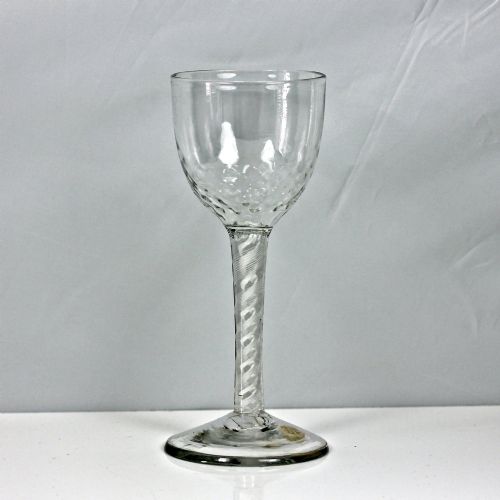
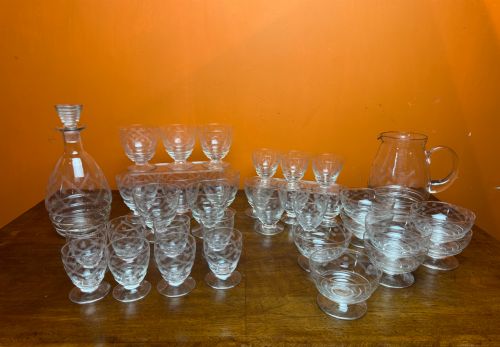
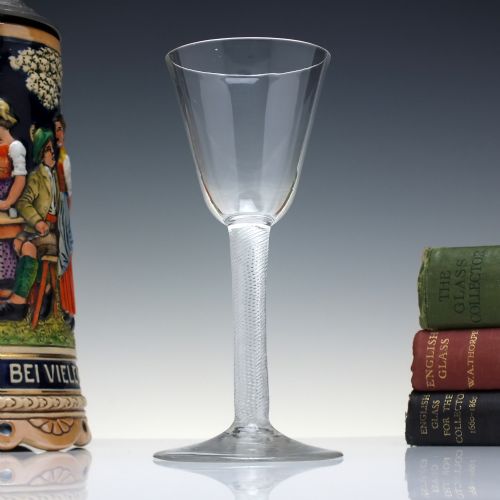
A large glass bowl appears across numerous periods, from eighteenth-century Georgian tea mixing vessels to nineteen-thirties opalescent table pieces. These items span various forms, including pedestal comports, flat chargers, and deep display vessels.
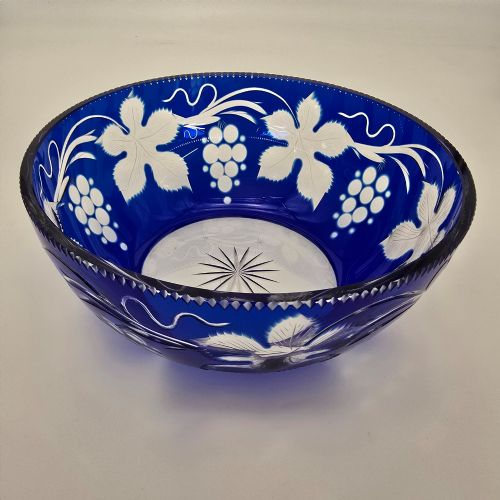
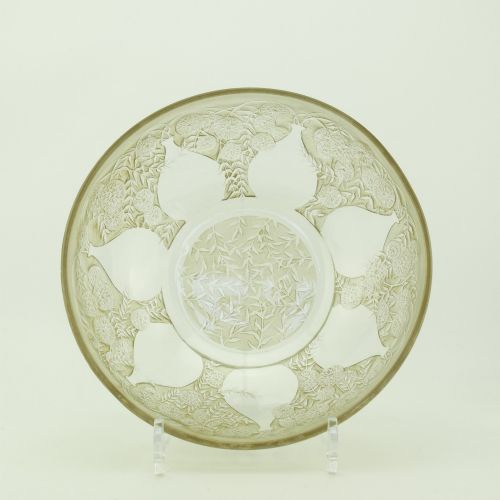
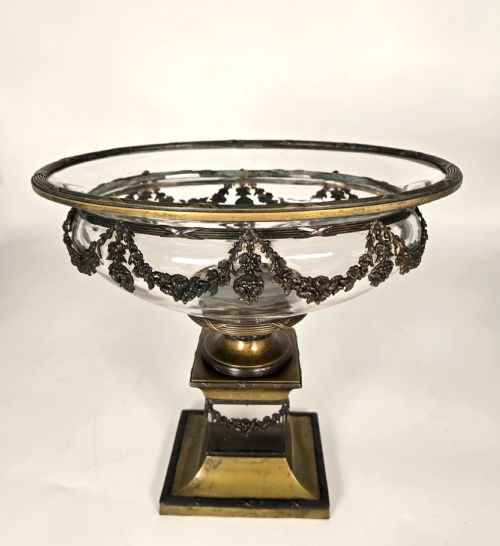
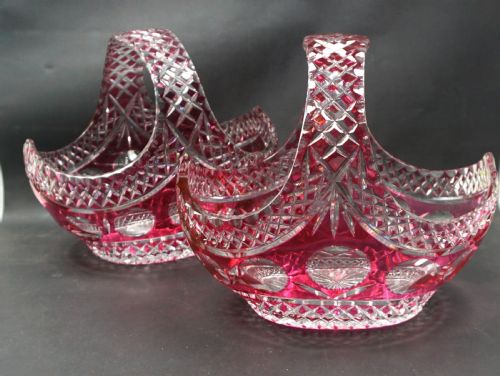
The pieces on this page originate from diverse European traditions, encompassing French opalescent works, Bohemian cobalt items, and English lead crystal. Buyers encounter everything from heavy cut glass centerpieces to delicate art glass bowls intended for display.
Many examples combine glass with metal mounts in bronze, brass, or silver, extending the functional range of the object. While some serve purely decorative purposes, others retain their historic utility as serving vessels or table centerpieces.
Materials and Techniques
Makers utilised lead crystal, clear glass, and coloured overlays, shaping them through blowing, moulding, and heavy cutting. These methods produce substantial vessels with thick walls and deep refraction.
Surface ornamentation relies on wheel engraving, gold enamel detailing, and acid etching to create contrast across the glass body. Metal components, where present, are cast and mounted securely to support the heavy glass forms.
Large Glass Bowl Retail Price Guide 2026
Typical asking prices for large glass bowl among the pieces listed under this phrase on Sellingantiques today, from the lower quarter to the upper quarter. They describe what is for sale here now, not the wider market.
Several of these heavy glass bowls weigh enough to double as impromptu strength training weights after a dinner party.
Assessing the Pieces
Quality rests in the crispness of the cutting, the purity of the metal content in the glass, and the balance of the overall form. Superior pieces exhibit precise facet work or smooth, even opalescence without cloudiness in the material.
The integration of mounts and secondary materials indicates the level of craftsmanship invested in the object. Finer items maintain structural harmony between the glass bowl and its base or surrounding metalwork.
Rene Lalique·Val St Lambert·St Louis glassworks·Graystan
The Large Glass Bowl Glossary
- Opalescent glass
- A milky, translucent glass that displays blue tones in transmitted light and warm amber tones in reflected light. This effect became particularly popular during the Art Deco period.
- Comport
- A shallow bowl raised on a high foot or pedestal, traditionally used for serving fruit or sweets at the table. These pieces often feature heavy cut crystal or coloured glass.
- Lead crystal
- Glass containing a high proportion of lead oxide, which increases the weight, brilliance, and clarity of the material. This composition allows for deep, sharp wheel cutting.
- Charger
- A large decorative plate or shallow bowl used either as a base for other tableware or displayed independently. They frequently feature extensive surface engraving or coloured overlays.
Large Glass Bowl: Frequently Asked Questions
How do I clean a heavy glass bowl?
Wash the item gently by hand using lukewarm water and a mild detergent, avoiding abrasive cloths that might scratch the surface. Dry the piece immediately with a lint-free cloth to prevent water spots on the glass.
Keep heavy pedestal pieces supported from the base rather than the rim during handling to avoid strain on the structure.
Can these bowls be used for food?
Most antique and vintage vessels serve well for dry goods or display, though historic pieces with high lead content or delicate enamel work require careful consideration. Avoid exposing older decorated glass to extreme temperature changes.
Non-decorative everyday items handle acidic foods better than pieces featuring delicate surface enamels or metal mounts.
How do I date an antique glass bowl?
Examine the pontil mark on the base, where the blowing iron was detached, as rough or polished pontils often indicate older manufacturing methods. Style indicators like Georgian facet cutting or Art Deco opalescence help narrow the production era.
Compare the weight and thickness of the material with known manufacturing standards from specific periods like the nineteenth or early twentieth century.
Where should I display a large centerpiece bowl?
Place the vessel on a stable dining table, sideboard, or low cabinet where adequate lighting can catch the refraction of the glass. Ensure the surface supports the full weight of the piece, particularly for heavy lead crystal or metal-mounted items.
Keep the bowl away from direct, harsh sunlight to protect any delicate coloured enamels or opalescent finishes over time.