



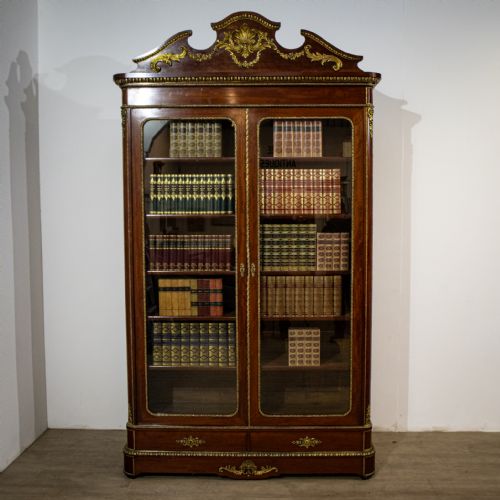
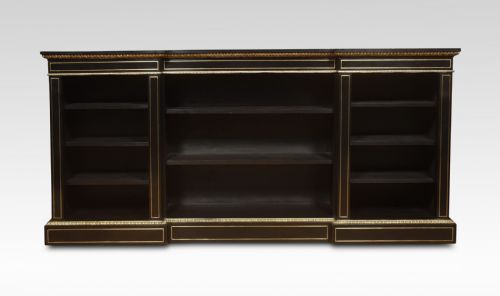
Large French Library Cabinet
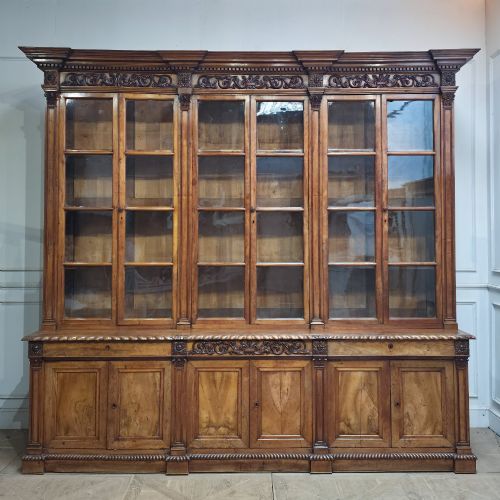
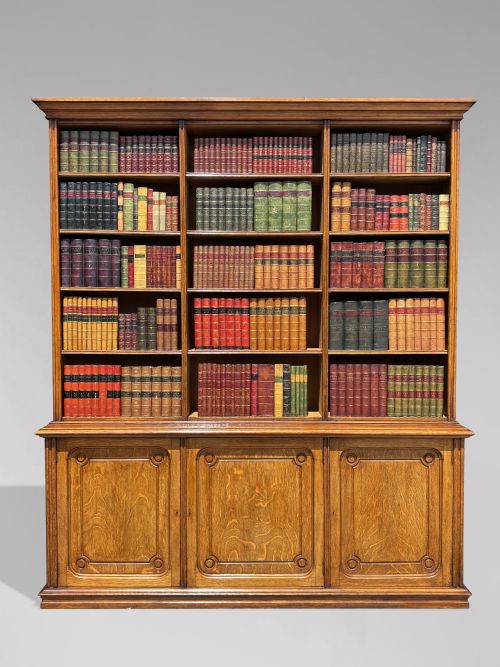
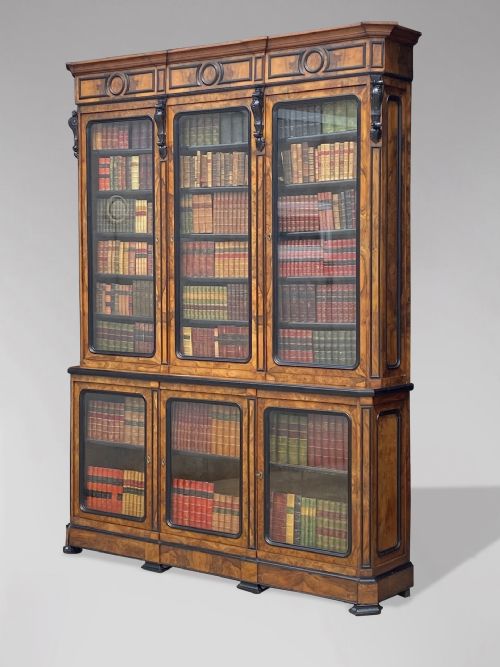
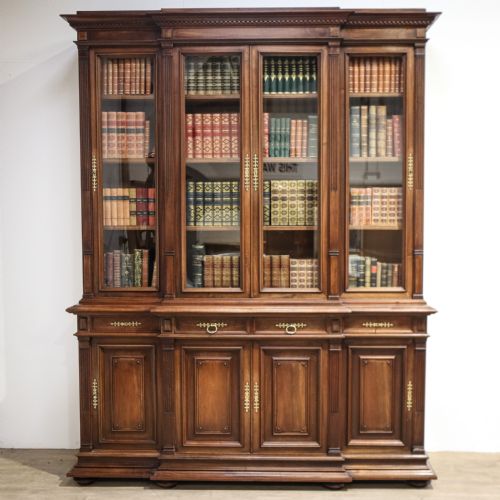
A large french library cabinet commands a room with architectural presence, offering generous shelf space for serious collections.
Large French Library Cabinet
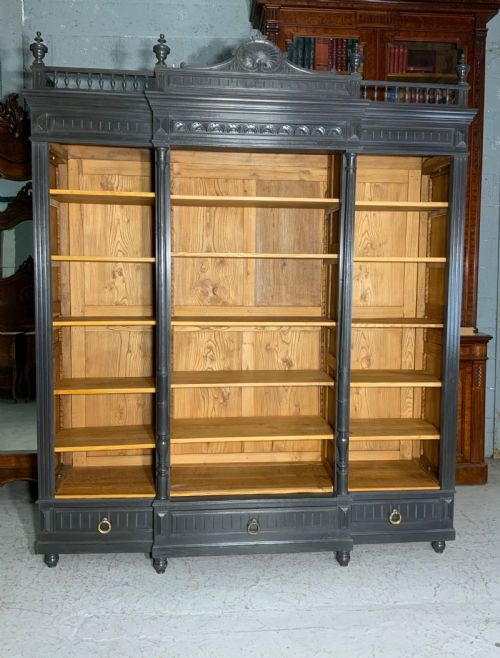
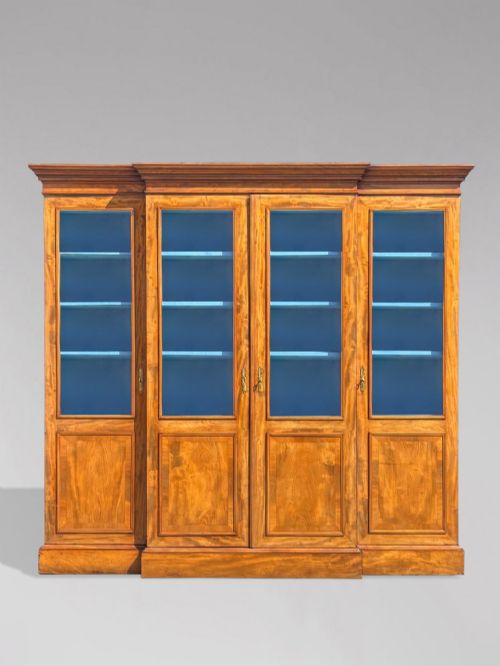
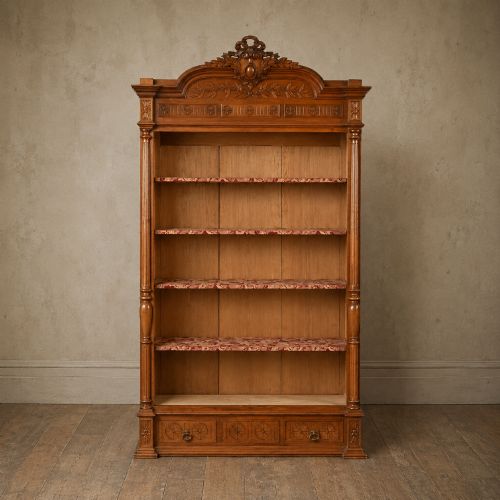
A large french library cabinet serves as a substantial storage solution for books and decorative objects, predominantly appearing in nineteenth-century interpretations. These pieces take the form of glazed bookcases, breakfront designs, and open library shelving units originating from continental workshops. Buyers will frequently encounter walnut, oak, and ebonised wood constructions spanning periods from the eighteenth century to the early twentieth century.
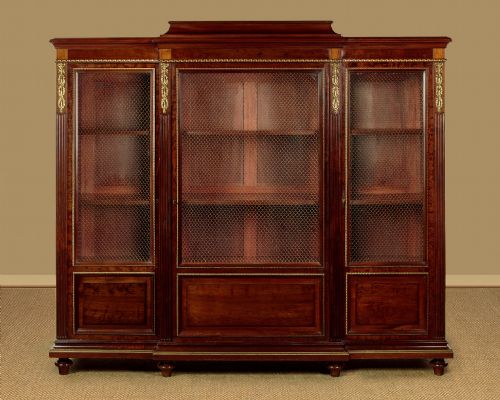
The stylistic variety ranges from restrained Louis Philippe and French Provincial forms to decorative Napoleon III and Empire pieces featuring brass mounts and ormolu. Open bookcase variants sit alongside multi-door glazed cabinets and kitchen dresser hybrids adapted for library use. Each item reflects the domestic architecture and interior requirements of its specific period.
Originating largely from the nineteenth century, these cabinets combine functional capacity with distinct regional and stylistic characteristics. The selection encompasses bleached oak, mahogany, and satinwood examples alongside traditional walnut and pine carcases. Selecting the right piece involves balancing the desired architectural aesthetic with the practical demands of book storage.
Distinguishing Quality in Construction and Finish
Quality reveals itself in the architectural proportions of the cornice, the crispness of the carved details, and the integration of brass mounts or ormolu. Finer examples display carefully selected timber grain patterns, particularly in walnut and mahogany veneers applied to the primary surfaces. The weight and stability of the doors, alongside the smoothness of the shelving adjustments, indicate the original standard of manufacture.
The condition of the original glass, the integrity of the ebonised or polished finish, and the presence of undamaged brass hardware further separate standard utility pieces from high-status examples. Cabinets retaining original painted surfaces or bleached oak finishes exhibit distinct patination acquired through age. Superior pieces maintain structural alignment across large multi-door formats without sagging or warping.
The documented periods span from the eighteenth century through to the early twentieth century Edwardian era.
The Large French Library Cabinet Glossary
- Breakfront
- A piece of furniture where the central section projects forward from the flanking outer sections. This configuration adds architectural depth and visual interest to large library cabinets.
- Ormolu
- Gilded bronze mounts applied as decorative ornamentation to furniture. This technique is frequently seen on Napoleon III and Empire style pieces.
- Ebonised
- Timber treated to resemble ebony through staining or painting processes. It provides a dark, uniform finish popular in nineteenth-century continental design.
- Glazed
- Fitted with glass panels in the doors to protect books from dust while allowing visibility. These doors often feature timber framing or brass mounts.
- Bleached oak
- Oak timber treated to lighten its natural tone, offering a softer appearance. This finish appears on eighteenth-century examples.
Large French Library Cabinet: Frequently Asked Questions
How do I fit a large library cabinet into a modern room?
Measure your ceiling height and wall space carefully, keeping in mind that these large cabinets demand significant visual clearance. Position them away from direct heat sources to protect the historic timber and veneer.
Ensure your floor can support the substantial weight of the piece, especially when filled with heavy books. Professional delivery and installation are recommended for multi-part units.
What is the difference between an open bookcase and a glazed cabinet?
Open bookcases provide direct, unobstructed access to your books and display items, creating an approachable and relaxed interior atmosphere. They suit spaces where dust accumulation is manageable and quick retrieval is a priority.
Glazed cabinets feature glass doors that protect delicate volumes from dust and environmental wear while maintaining visibility. They offer a more formal appearance and often include lockable doors for security.
How do I identify a Napoleon III library cabinet?
Napoleon III pieces often incorporate ebonised wood surfaces combined with striking brass mounts or ormolu details. They reflect a nineteenth-century taste for eclectic historical revival and opulence.
Look for refined metalwork, dark polished finishes, and decorative mouldings that distinguish them from simpler French Provincial or Louis Philippe designs.
Can these cabinets support heavy modern books?
Most antique library cabinets were constructed to hold substantial collections of heavy volumes and utilise sturdy timber shelving. However, timber can bow over long periods under excessive weight.
Inspect the thickness and support of the individual shelves before loading them with folio-sized or art reference books. Redistribute heavier volumes if any sagging becomes apparent.