
Large Framed Portrait Painting
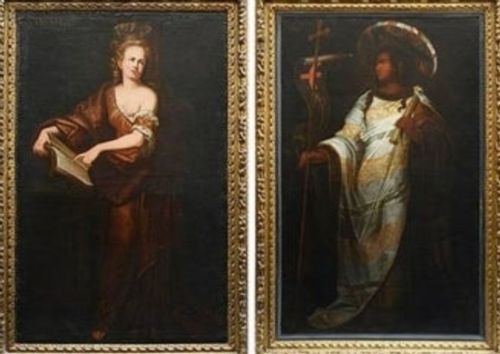
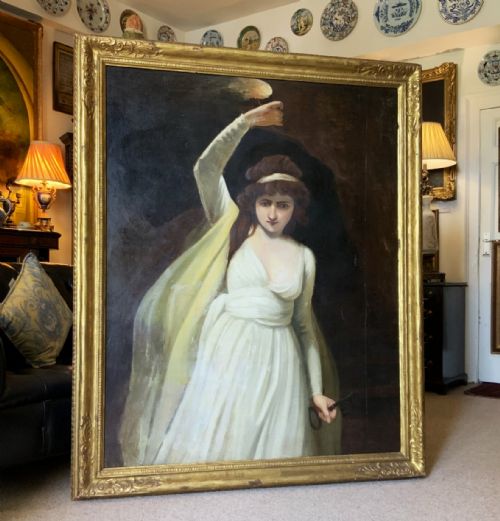
When you want a large framed portrait painting to anchor a room, you look for substantial scale, characterful subjects and period presence.
Large Framed Portrait Painting
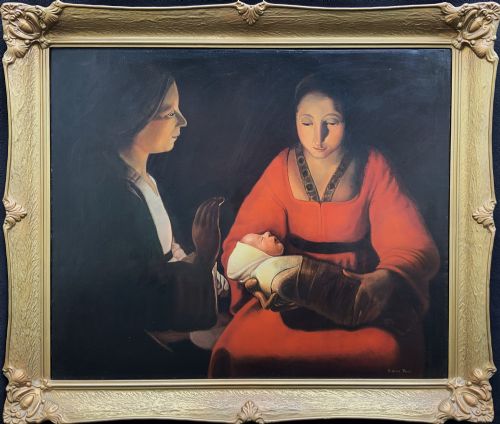
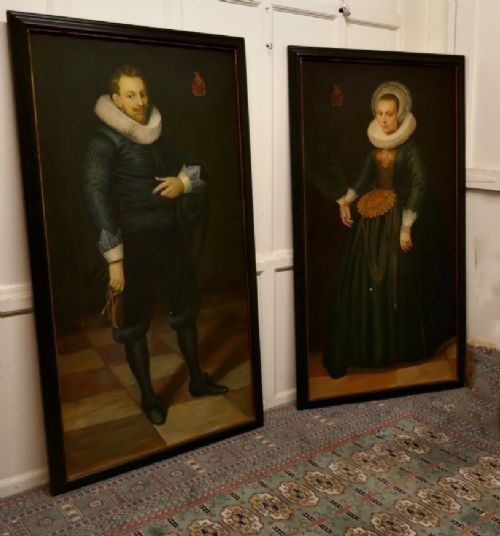
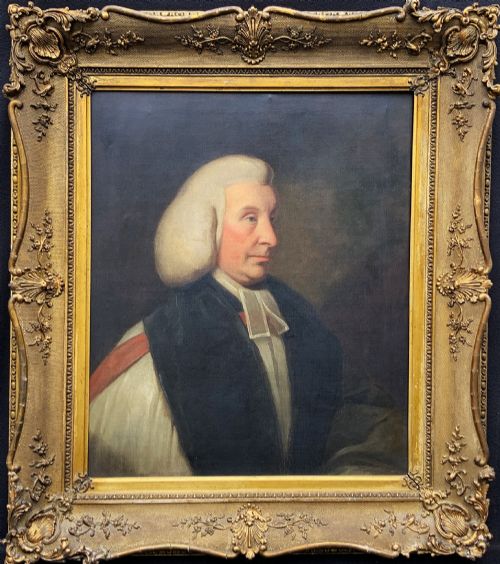
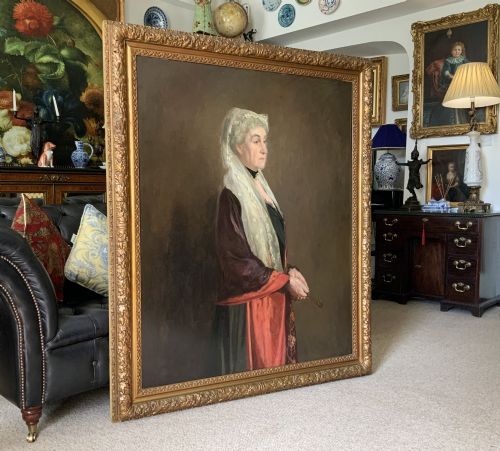
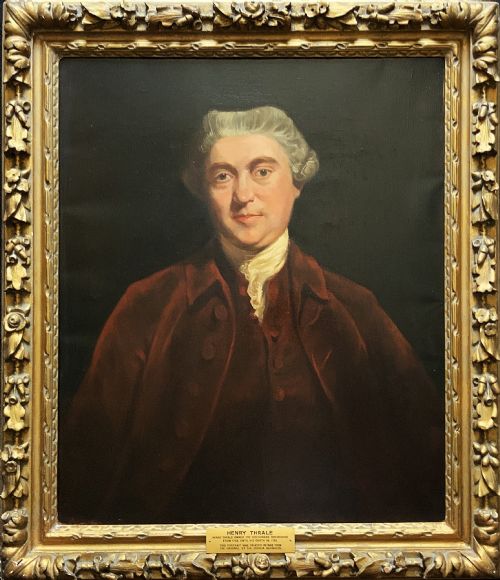
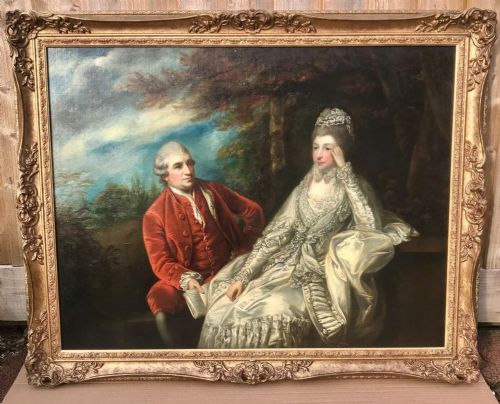
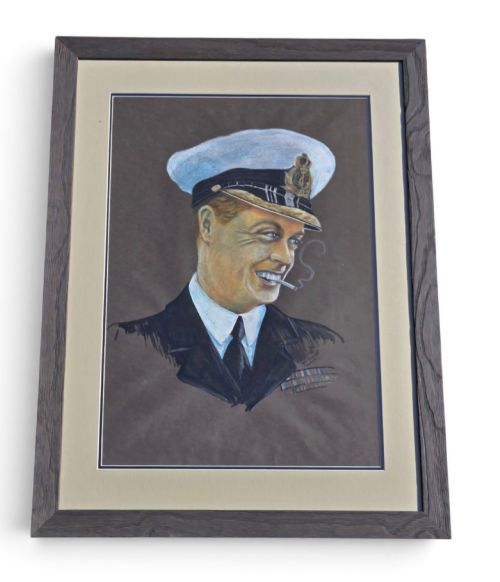
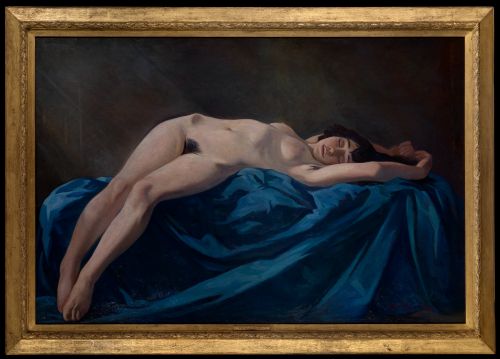
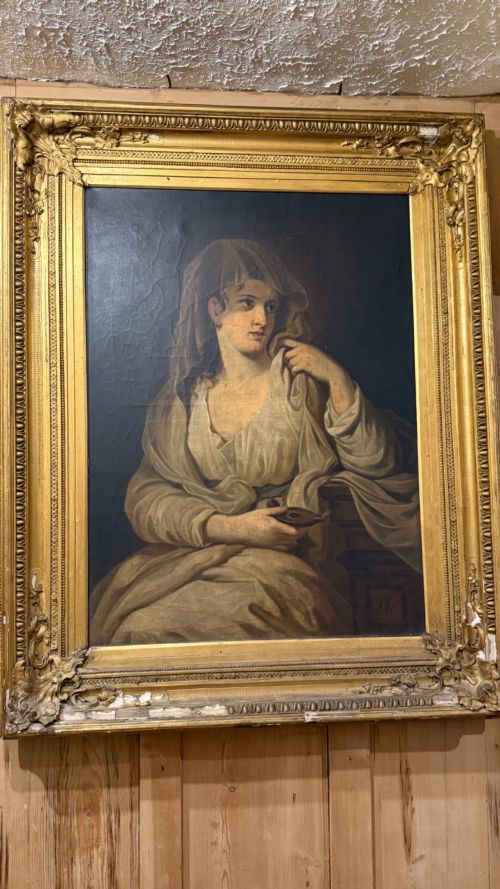
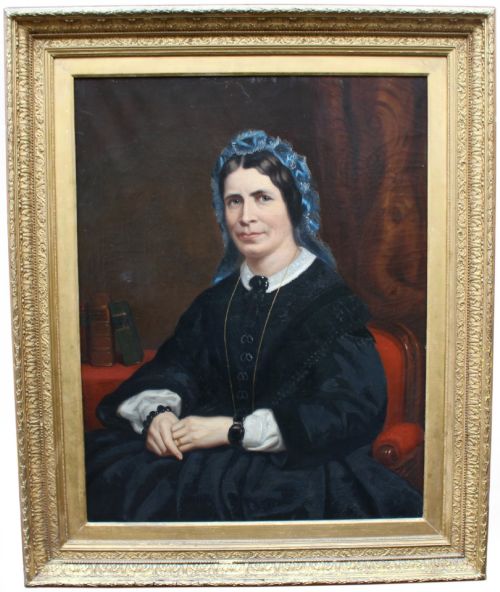
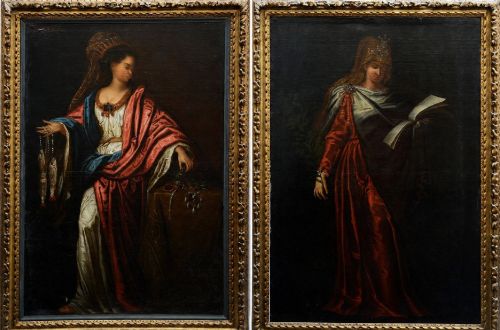
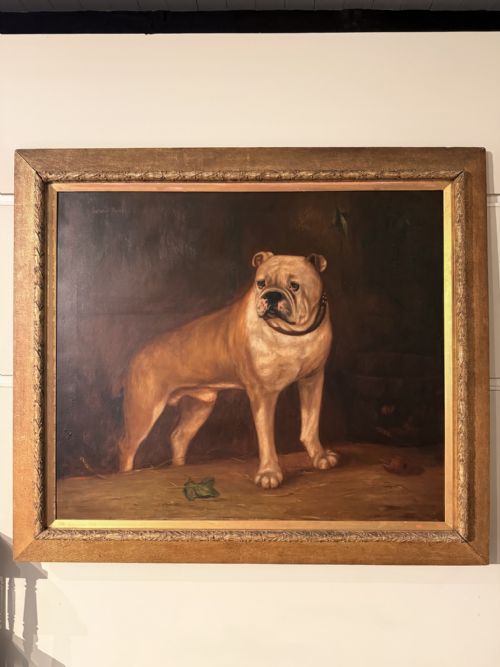
A large framed portrait painting brings historical depth and human presence into a room through substantial canvases and boards depicting sitters from past centuries. When browsing this selection, you encounter everything from grand Georgian oil paintings and Victorian military likenesses to Edwardian works and mid-century studies.
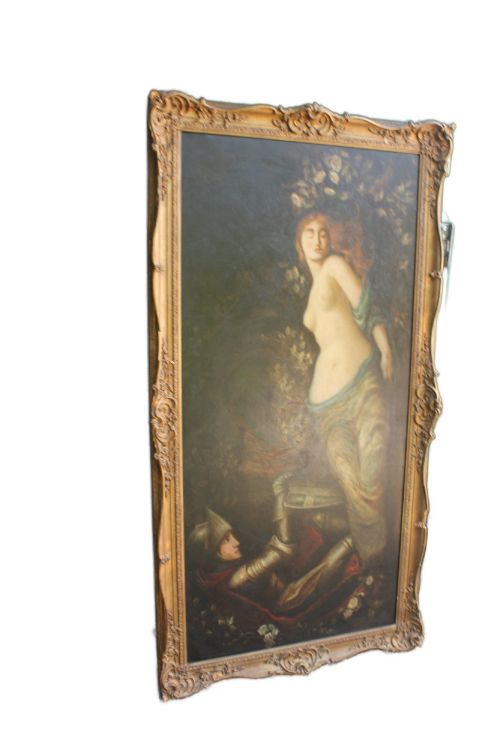
The subjects range from named historical figures and military officers to anonymous sitters, children, and mythological figures executed after old masters. Many pieces arrive housed in their original heavy timber frames, often embellished with gilt wood, moulding or egg-and-dart detailing.
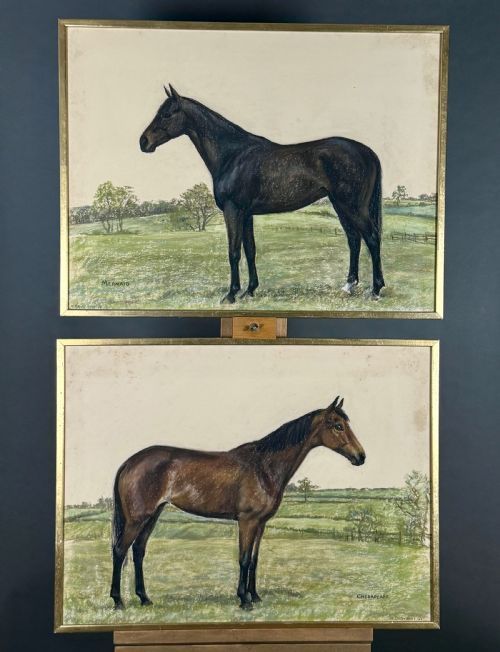
Beyond traditional oils on canvas, the selection includes pastels on paper, reverse paintings on glass, and vinyl canvas variants. These works originate from various European schools as well as Chinese export studios, offering a diverse array of aesthetic traditions.
How they were made
Makers built these works primarily using oil paint applied to stretched canvas, wooden boards, or paper, often building up rich layers of pigment to achieve depth in skin tones and drapery. Artists also utilised pastel media and glass surfaces for specific regional techniques like reverse painting.
The protective surrounds required skilled joinery, employing heavy timber such as wood finished with applied gilt, leaf, or intricate beaded and egg-and-dart moulding to complement the scale of the artwork.
Several canvases gaze out with such intense authority that guests might feel compelled to mind their manners in the hallway.
What varies in quality
The strength of the brushwork and the anatomical confidence in rendering the sitter's hands, face, and drapery distinguish ambitious studio output from simpler decorative work. A master hand captures psychological depth and lifelike presence rather than a rigid likeness.
The integrity and age of the frame matter greatly, as original period giltwood or moulded frames that match the era of the canvas elevate the physical cohesion and visual impact of the piece.
John Opie RA·George Watson·Harold Knight RA·Thomas Sidney Cooper·William Henry Mander
The Large Framed Portrait Painting Glossary
- Giltwood
- Wood that has been thinly coated with gold leaf or gold powder. This finish is commonly found on period frames designed to reflect candle or window light.
- Oil on Canvas
- A traditional painting medium utilising pigment suspended in drying oils applied to woven fabric. This combination allows for rich blending and enduring flexibility.
- Reverse Painting on Glass
- An technique where the artist applies pigment directly to the back of a glass panel, viewed from the unpainted front. This method imparts a glossy, preserved finish.
- Egg-and-Dart
- A decorative moulding pattern consisting of an egg-shaped ornament alternating with a dart-like element. It frequently appears on neoclassical and Victorian picture frames.
- Pastel
- A dry painting medium consisting of powdered pigment and a binder rolled into sticks. Works on paper require glazing to protect the delicate surface from smudging.
Large Framed Portrait Painting: Frequently Asked Questions
How do I hang a heavy portrait painting securely?
Large framed works require heavy-duty fixings anchored directly into wall studs or masonry rather than standard plasterboard plugs.
Employing a dual-point hanging wire or mirrored brackets distributes the substantial weight evenly across the structure.
Are these paintings original period pieces?
The selection includes original works created by artists of the period alongside later studio copies painted after old masters. Descriptions specify whether a piece is an original life portrait or a later homage.
Examining the canvas weave, stretcher construction, and pigment ageing helps determine the exact period of production.
What lighting suits a large framed portrait best?
Positioning the artwork away from direct, harsh sunlight prevents the pigments and paper pastels from fading over time. Warm, adjustable picture lights mounted above the frame highlight the depth of the oil and the detail of the moulding.
Consider ambient room illumination to avoid distracting glare on glazed surfaces.