

Large Framed Paintings
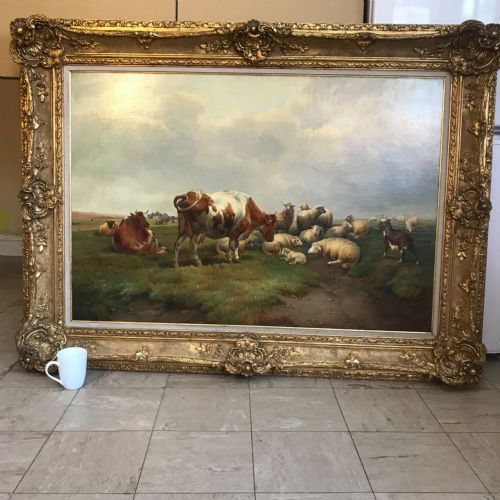
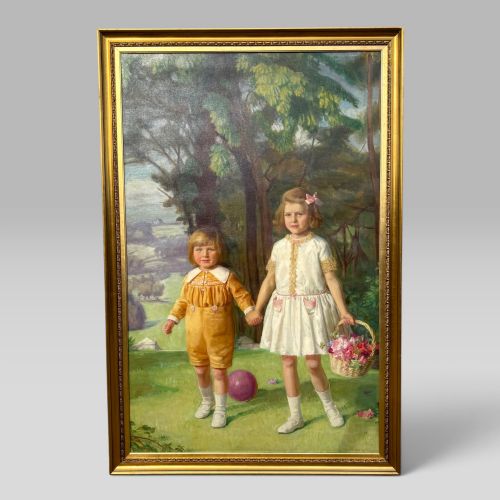
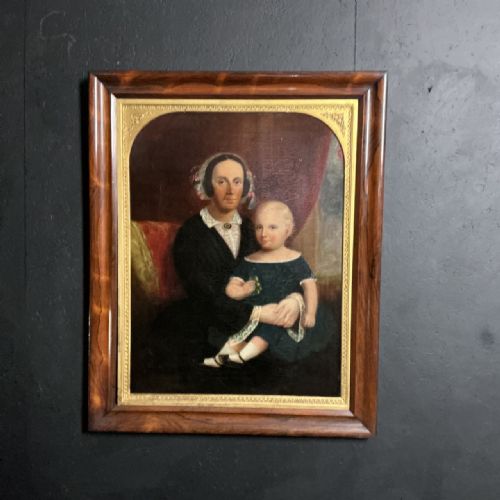
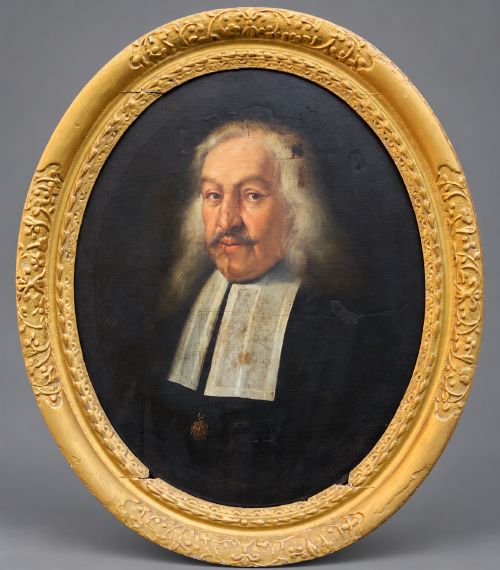
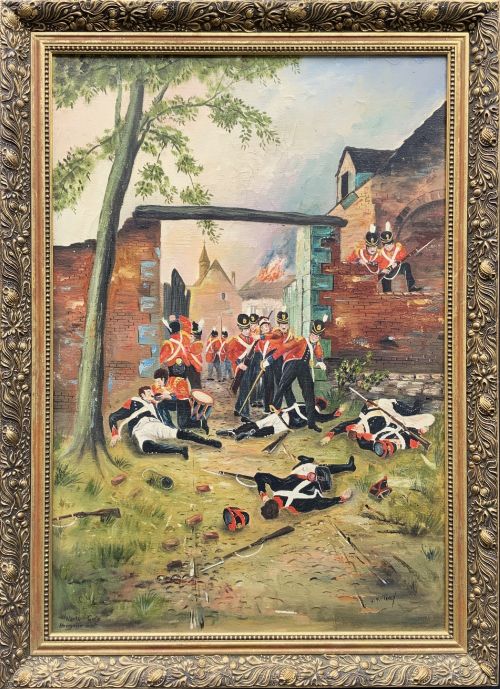
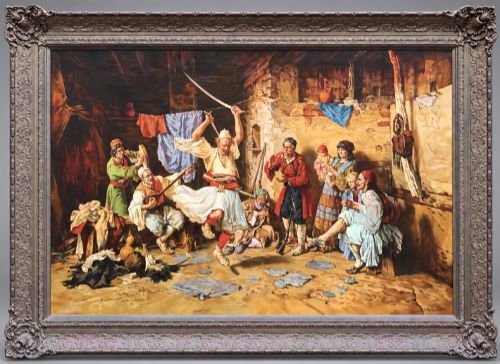
Large framed paintings command space with substantial canvases, heavy wood mouldings and significant historical presence.
Large Framed Paintings
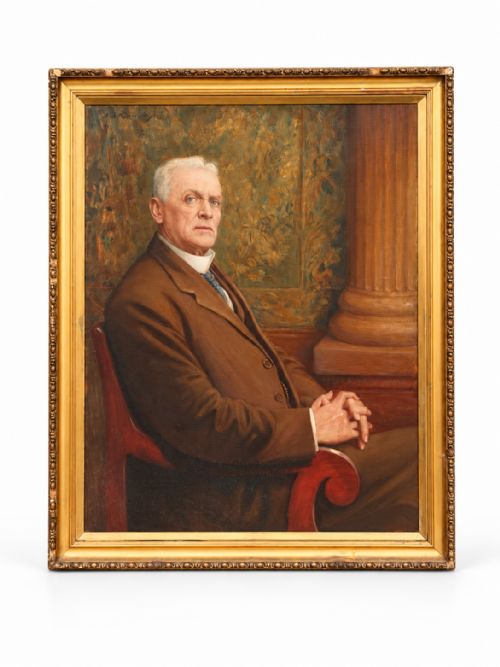
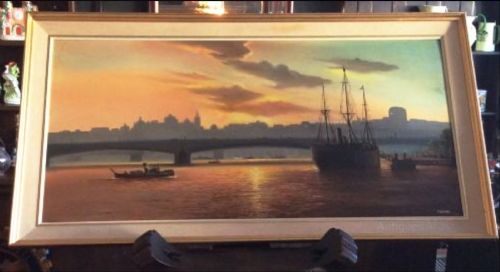
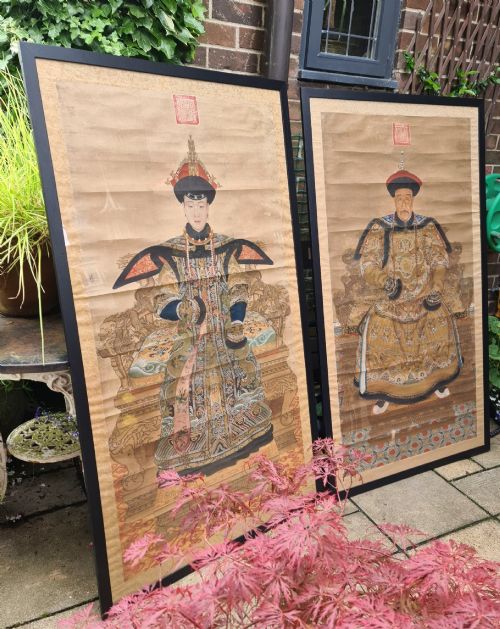
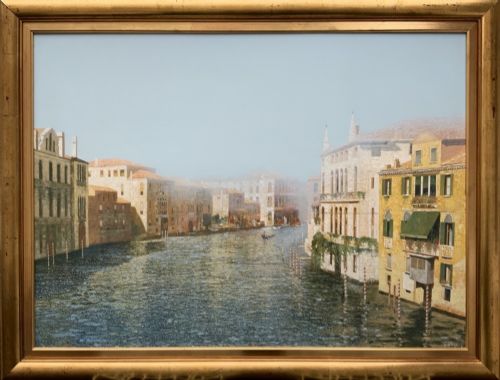
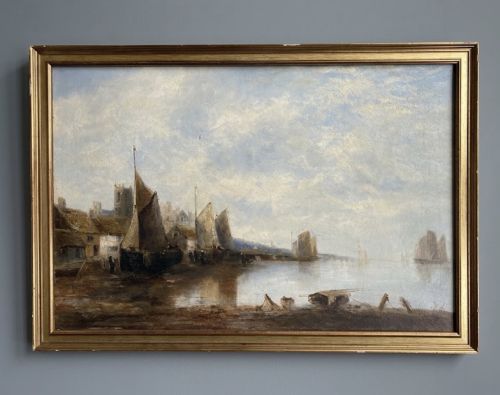
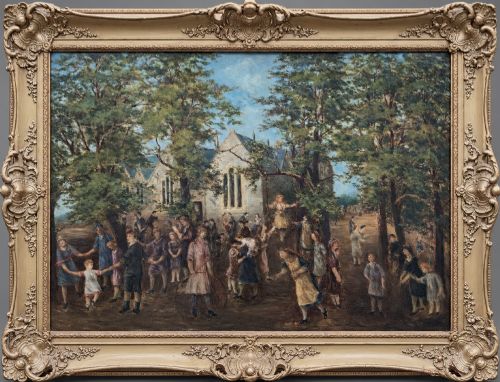
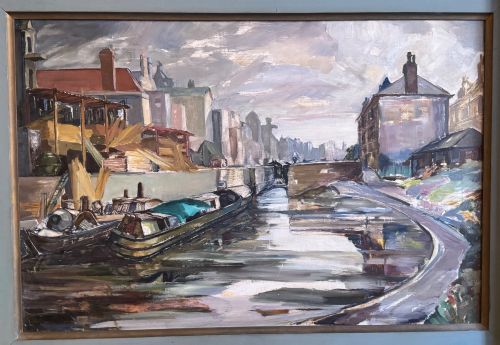
When searching for large framed paintings, collectors encounter substantial works spanning the eighteenth century through to the mid-twentieth century. These pieces encompass oil on canvas, oil on board, and mixed media works housed within period surrounds.
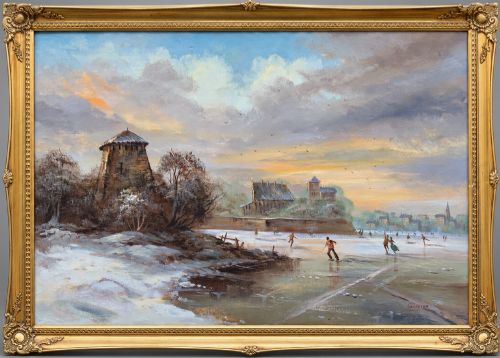
Portraits, maritime scenes, landscapes, and mythological subjects dominate the selection. Many examples draw inspiration from earlier masters or record specific historical and domestic events.
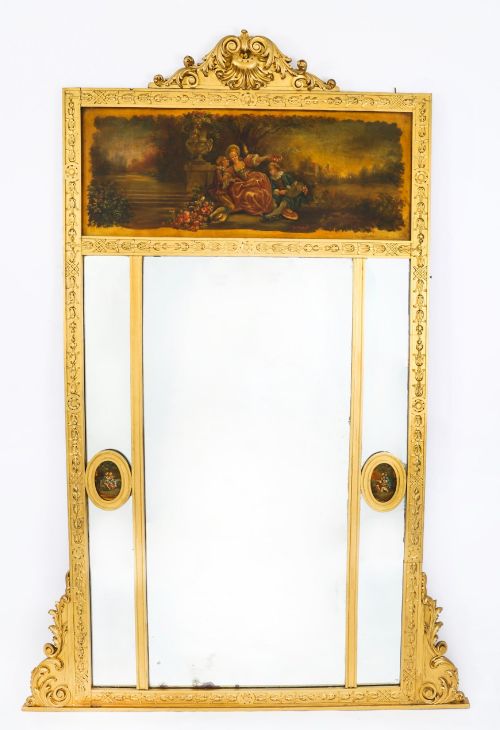
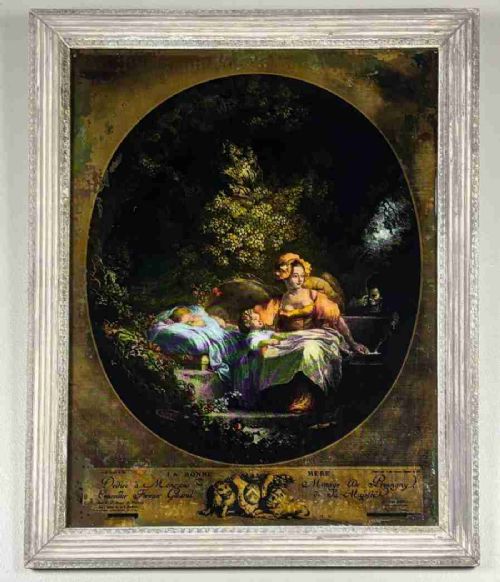
The category also extends to architectural trumeau mirrors incorporating integrated oil paintings and reverse prints on glass. These formats function as primary architectural focal points within a room.
How they were made
Makers built the foundational supports using heavy timber stretchers and wooden panels to sustain large expanses of canvas or board. Artists applied oil paint in layered glazes or impasto, utilising canvas and prepared wood as their primary surfaces.
Frames relied on carved wood, often finished with giltwood or painted surfaces to complement the scale of the artwork. Glass protected delicate works on paper or reverse prints, while specialised joinery secured heavy panels within their architectural surrounds.
Large Framed Paintings Retail Price Guide 2026
Typical asking prices for large framed paintings among the pieces listed under this phrase on Sellingantiques today, from the lower quarter to the upper quarter. They describe what is for sale here now, not the wider market.
Listings feature works spanning the eighteenth to the twentieth centuries, utilising oil on canvas, wood, glass, and giltwood.
What varies in quality
Execution and handling of the subject matter separate accomplished works from routine decorative output. Finer examples display confident brushwork, balanced composition, and sophisticated treatment of light and shadow by the artist.
The integrity of the frame contributes substantially to the overall quality. Original giltwood mouldings and period frames that match the age and scale of the canvas retain greater historical coherence than later replacements.
Cornelis van der Voort·Siegfried Bendixen·Evelyn Harris·Paja Jovanović·George F. Bird·Deidre Daines·Gaastra·Stuart Lloyd·George Armfield·Sir Joseph Noel Paton·Georges de La Tour·Sir Joshua Reynolds·David & Eva Maria Garrick·Eric Robertson·Thomas Smythe·W.R. Waters·Konstantin Stoitzner
The Large Framed Paintings Glossary
- Oil on Canvas
- Pigments suspended in a drying oil applied to a woven fabric support stretched over a wooden frame. This method allows for rich texture and lasting depth of colour.
- Giltwood
- Wood carved and coated with a thin layer of gold leaf or metallic powder. It provides a luminous, reflective border for significant wall pieces.
- Trumeau Mirror
- An architectural wall mirror featuring an upper panel containing an oil painting or decorative motif. These pieces originated in eighteenth-century interior design.
- Reverse Print on Glass
- An image painted or printed directly onto the back of a glass sheet and viewed from the front. This technique produces a distinct glossy finish.
- Impasto
- Paint applied thickly to a canvas so that the strokes stand out from the surface. This method adds tangible texture and volume to the artwork.
Large Framed Paintings: Frequently Asked Questions
How do I hang a heavy painting?
Large works require secure wall anchors fixed directly into structural studs or masonry to support substantial weight.
Professional hanging hardware distributed across two points ensures the frame remains level and secure over time.
Can I place these works in direct sunlight?
Direct sunlight causes pigments to fade and accelerates the degradation of canvas and historic wooden frames.
Positioning pieces away from south-facing windows preserves the integrity of both the oil paint and the giltwood surround.
How do I clean a historic oil painting?
Surface dust should be removed gently using a soft, dry brush without applying pressure to the canvas.
Chemical cleaners and moisture must be avoided, as professional conservators are required to address deeper grime or varnish discolouration.
What defines a trumeau mirror?
A trumeau combines a looking glass with an integrated upper panel containing an oil painting or decorative carving.
These pieces were designed to fit specific wall spaces between windows or above mantelpieces in period interiors.