




Large Fire Dogs
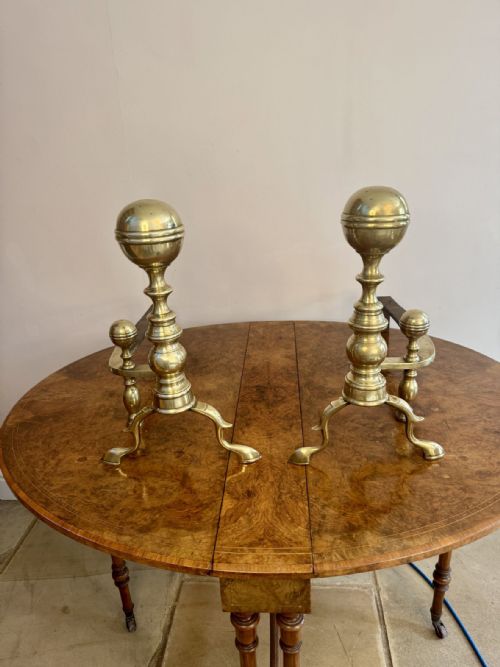
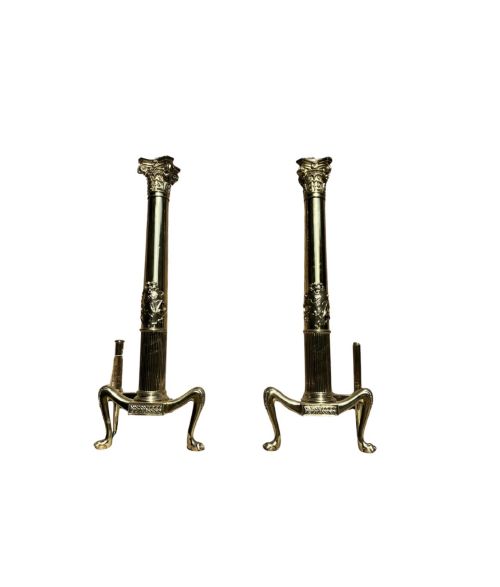
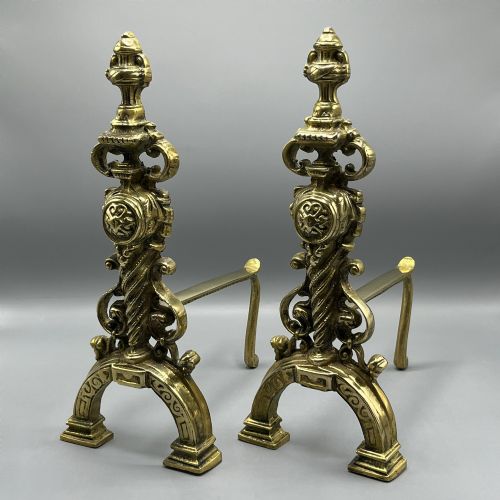
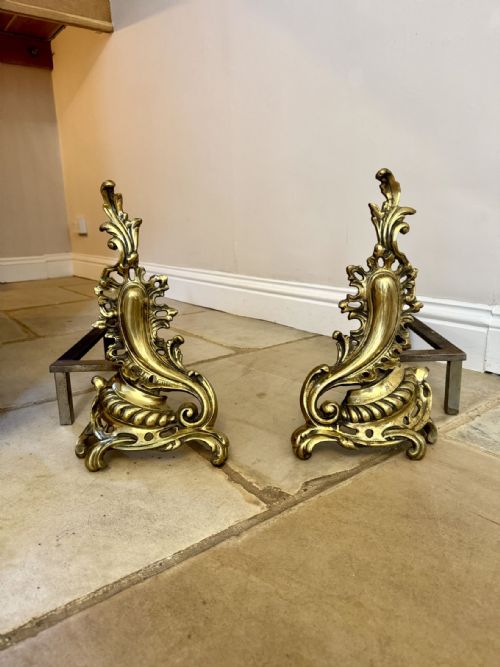
Large fire dogs anchor a hearth with functional weight and sculptural presence, supporting logs for an open fire.
Large Fire Dogs
Large fire dogs stand at the hearth to support logs above the floor, ensuring adequate air circulation for a steady burn. When searching for large fire dogs, buyers encounter substantial hearth furniture designed for generous fireplaces and inglenooks.
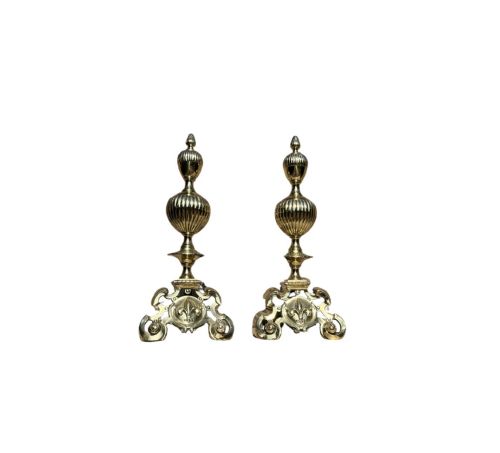
The selections span the nineteenth century, featuring Victorian, French Baroque, Gothic Revival, and Arts and Crafts designs. English and French origins predominate, alongside Dutch and Italian pieces.
Most examples function as paired supports, occasionally accompanied by grates, fire baskets, or companion sets. Their proportions suit wide hearths where heavy timber demands robust structural backing.
How they were made
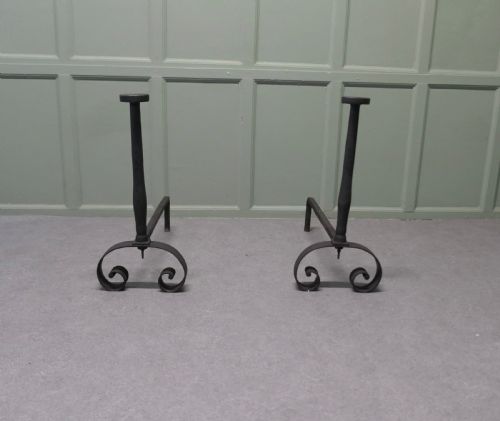
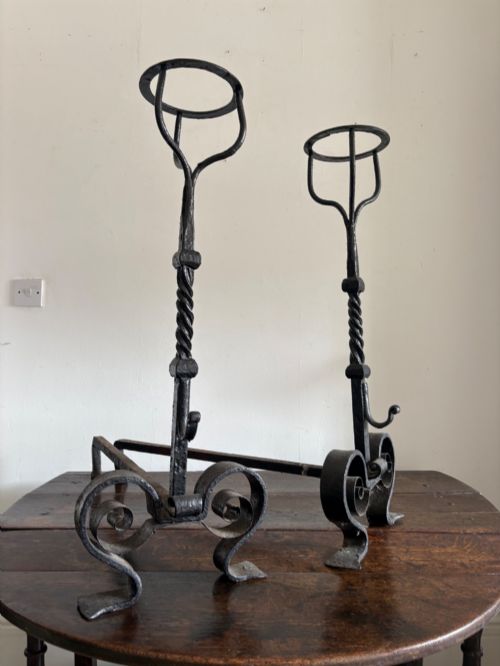
Makers utilised cast and wrought iron for durability and heat resistance, forging heavy uprights and horizontal billets to bear burning wood. Iron examples often combine cast elements with hand-wrought bars for structural integrity.
Brass and solid brass feature extensively for decorative fronts, sometimes finished with gilt or paired with iron frames. Bronze and copper appear in specific pieces, while firebrick lines associated grates to withstand high temperatures.
Large Fire Dogs Retail Price Guide 2026
Typical asking prices for large fire dogs among the pieces listed under this phrase on Sellingantiques today, from the lower quarter to the upper quarter. They describe what is for sale here now, not the wider market.
Listings feature periods from the sixteenth century through the Victorian era, utilising iron, brass, bronze, copper, and firebrick.
What varies in quality
Substantial weight and material thickness distinguish superior examples from lighter utilitarian casting. Solid brass, heavy wrought iron, and deep bronze casting provide stability that withstands intense hearth heat.
The refinement of decorative detail sets the standard across different styles, from cast lion paw feet to intricate French rococo scrollwork or owl faces. Crisp execution in metal chasing and secure joinery between the upright and the billet indicate skilled workshop production.
The Large Fire Dogs Glossary
- Andirons
- Supports used in pairs to hold logs in a fireplace. They typically consist of an upright pillar and a horizontal bar extending backward.
- Chenets
- The French term for andirons, often denoting decorative front standards associated with French Baroque or Rococo styles.
- Fire basket
- A metal basket holding fuel, frequently used alongside or integrated with andirons within an open hearth.
- Billet bar
- The horizontal iron bar connecting the front standard of the fire dog to the rear support, designed to bear the weight of fuel.
- Inglenook
- A large recessed hearth space designed to accommodate seating alongside the fire, requiring substantial hearth furniture.
- Gilt brass
- Brass treated with a gold-coloured finish or plating to enhance decorative brightness on hearth furnishings.
Large Fire Dogs: Frequently Asked Questions
How do I choose the right size?
Measure the depth and width of the hearth opening before selecting hearth furniture. Large fire dogs require adequate clearance at the back and sides to function safely.
Ensure the horizontal billet length matches the depth of the logs you intend to burn. Height matters for visual balance against the mantel and surround.
Can I use antique fire dogs?
Many iron and brass examples remain structurally sound for regular burning in an open fireplace. Solid iron and thick brass handle high temperatures effectively.
Check for stability and secure joinery before lighting a fire. Some decorative bronze or gilt pieces suit decorative placement or gas-insert hearths better.
How do I clean brass fire dogs?
Use a soft cloth and mild soapy water to remove soot and surface dust from brass surfaces. Avoid harsh abrasives that strip aged patination.
Apply a traditional metal polish sparingly if a bright finish is preferred over a mellow, historic tone. Iron components benefit from a light application of oil to prevent oxidation.
What is the difference between fire dogs and andirons?
The terms describe the same object, with andirons being the formal designation and fire dogs serving as the traditional English name. Both refer to paired hearth supports for logs.
Regional preferences and period documentation often determine which term appears in descriptions. Both function identically within an open fireplace.