



Large Elm Kitchen Table
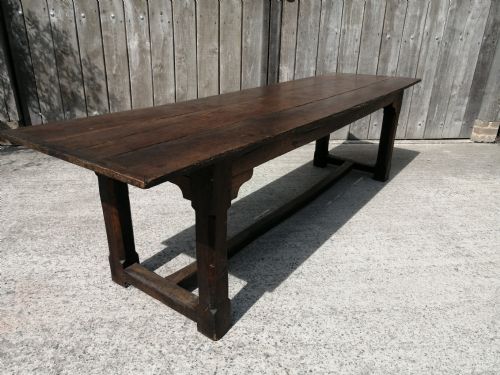
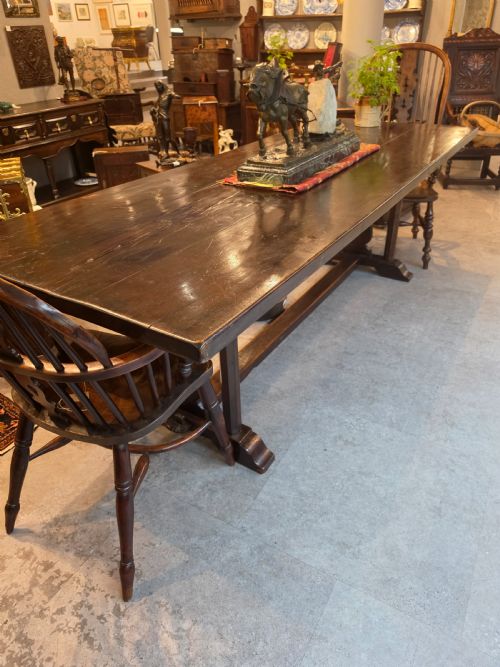
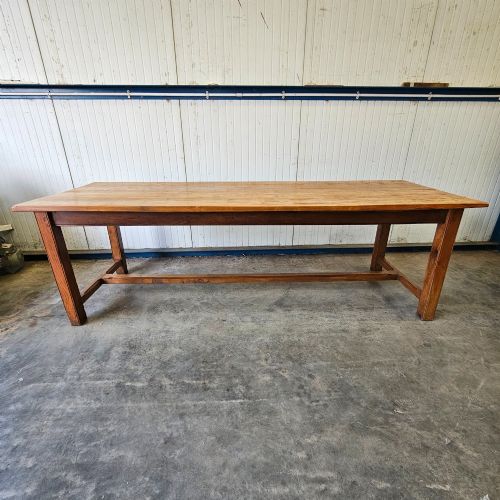
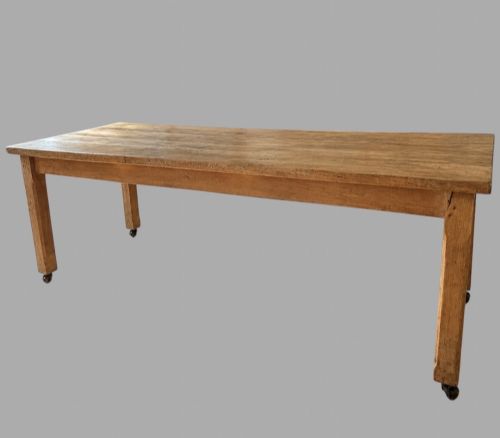
A large elm kitchen table brings hard-wearing timber and generous proportions to the heart of the home.
Large Elm Kitchen Table
A large elm kitchen table serves as the central gathering surface in domestic spaces, combining robust utility with vernacular charm. These dining and refectory tables span from the 17th century through the Victorian era, offering substantial surfaces for daily preparation and meals.
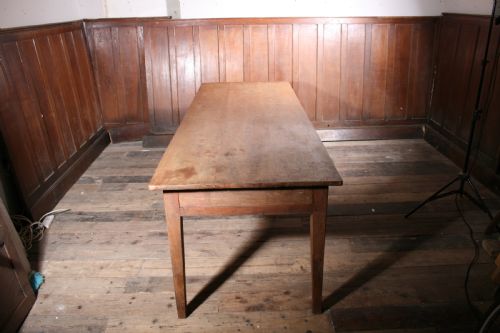
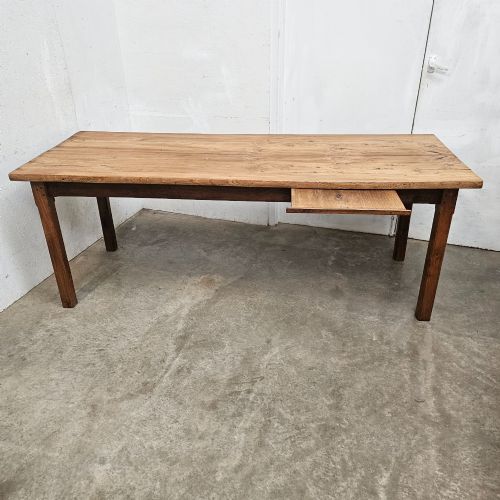
The most common examples encountered on this page are 19th-century French and English farmhouse tables. These pieces typically display regional characteristics such as single-plank or two-board tops supported by sturdy timber frames.
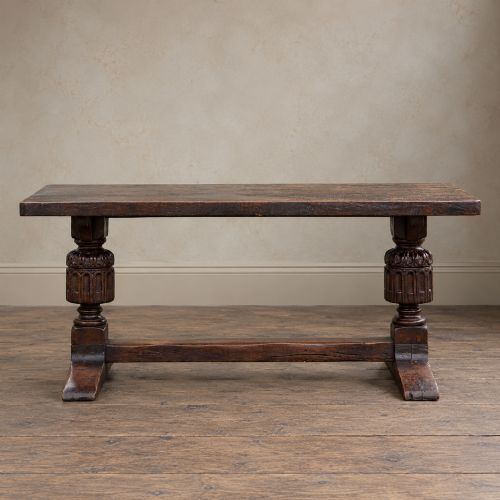
Surviving examples frequently integrate oak alongside elm, particularly in refectory formats and earlier centuries. Buyers encounter rectangular and oval configurations designed to seat multiple diners comfortably in country kitchen settings.
How they were made
Construction relies heavily on solid timber, pairing elm tops with structural supports in oak and pear wood. Artisans selected elm for its resilience and distinctive grain pattern, often utilising single or double planks to span the full length of the surface.
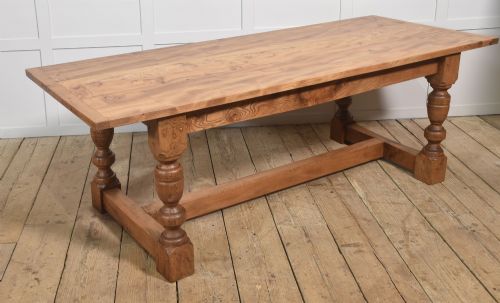
Joinery methods reflect traditional cabinet-making and carpentry practices suited to heavy use. Frames incorporate turned legs and stretchers, while occasional inclusions like side drawers demonstrate functional domestic design.
Large Elm Kitchen Table Retail Price Guide 2026
Typical asking prices for large elm kitchen table among the pieces listed under this phrase on Sellingantiques today, from the lower quarter to the upper quarter. They describe what is for sale here now, not the wider market.
Listings feature pieces spanning the 17th, 18th, and 19th centuries, alongside Victorian examples, constructed primarily from elm, oak, and timber.
What varies in quality
The integrity of the timber top dictates much of the distinction between pieces, with single-plank surfaces holding particular architectural appeal. The depth of the grain, the stability of the wood, and the preservation of original surface patination separate standard examples from finer specimens.
Proportion and structural balance shape the overall character of each table. Pieces retaining original frames, integrated stretchers, and uncompromised structural height demonstrate superior craftsmanship from their respective periods.
The Large Elm Kitchen Table Glossary
- Refectory table
- A long, narrow dining table traditionally used in communal halls and later adapted for domestic kitchens. These forms often feature heavy stretcher bases for stability.
- Farmhouse table
- A utilitarian domestic table characterised by sturdy wooden construction and generous proportions. These pieces reflect regional English and French country aesthetics.
- Single plank top
- A tabletop fashioned from one continuous board of timber across its width. This feature showcases the full breadth of the tree's grain.
- Turned leg
- A structural support shaped on a lathe to create decorative circular profiles. This technique appears frequently on 19th-century dining tables.
- Stretcher
- A horizontal timber rail connecting the legs of a table to increase rigidity and strength. These components are essential in large refectory designs.
Large Elm Kitchen Table: Frequently Asked Questions
How do I clean a large elm table?
Wipe the surface gently with a damp cloth and mild soap, avoiding harsh chemical cleaners that strip the finish. Dry the timber thoroughly immediately afterwards to prevent moisture damage.
Apply natural beeswax periodically to nourish the wood and maintain its protective barrier against everyday kitchen use.
Can I use an antique elm table daily?
These tables were built specifically for heavy domestic work and dining, making them well-suited for daily family life. Using trivets and placemats helps protect the historic timber from excessive heat and moisture.
Embrace natural marks and patination as part of the ongoing history of the piece rather than signs of wear.
How do I date an elm farmhouse table?
Examine the construction methods, tool marks on the underside, and the type of fixings used in the frame. Timber shrinkage patterns and overall wear also provide reliable indicators of age.
Compare the leg turning style and wood combinations, such as oak frames paired with elm tops, against established period characteristics.
Why is elm used for kitchen tables?
Elm timber possesses a twisted, interlocking grain structure that makes it exceptionally resistant to splitting under heavy impact. This durability made it the traditional choice for working surfaces and chopping blocks.
Its natural resilience to moisture further suited elm for demanding environments like country kitchens.