



Large Edwardian Clock
A large edwardian clock brings architectural presence to a room, driven by heavy brass movements and housed in rich mahogany or oak cases.
Large Edwardian Clock
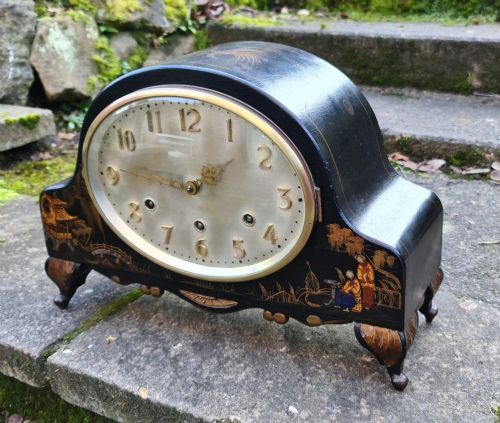
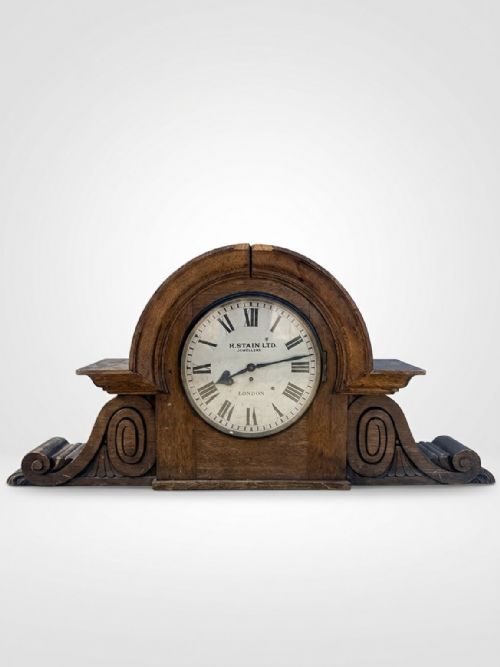
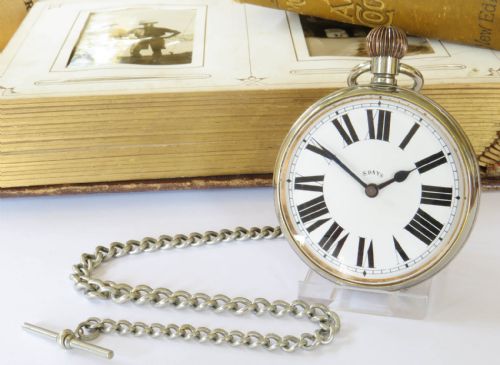
When you search for a large edwardian clock, you encounter substantial timepieces built around the turn of the twentieth century, with mantel and wall clocks forming the bulk of what is available.
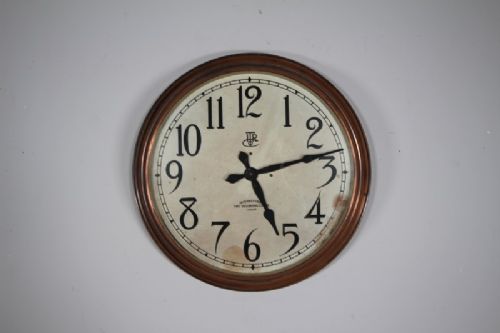
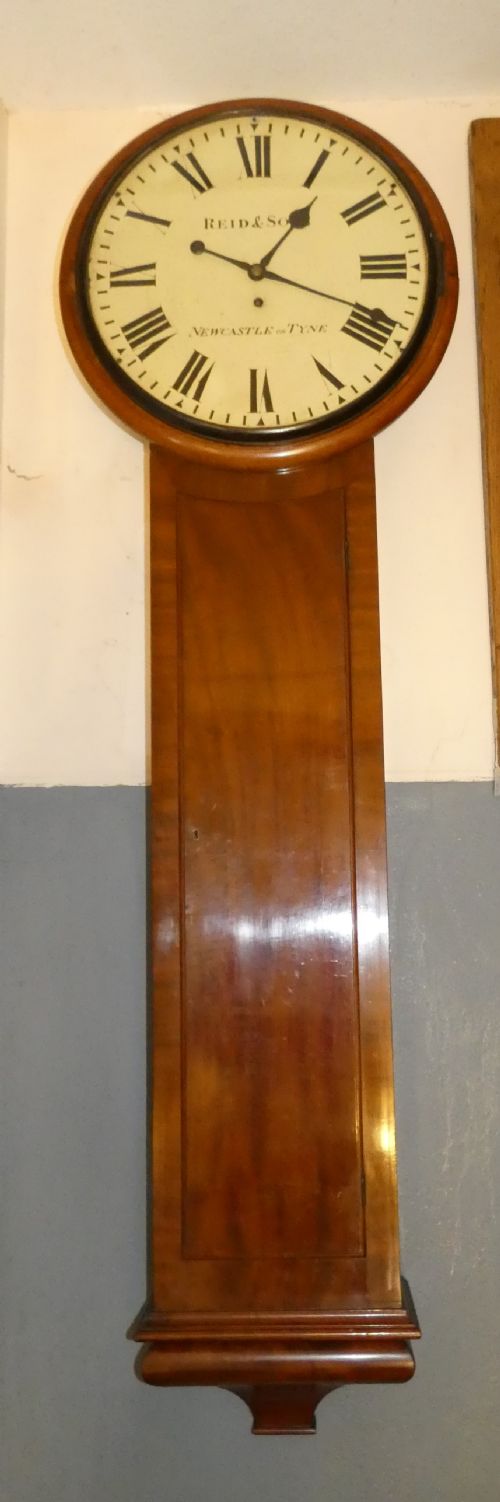
Makers of the period favoured architectural wooden cases, particularly in inlaid mahogany and carved oak, alongside functional factory wall models designed for heavy use.
The selection ranges from domestic balloon-shaped mantel pieces to substantial dial wall clocks and French crystal regulators housed under glass.
Materials and Construction
Cases combine solid woods like mahogany, walnut, and oak, frequently decorated with delicate line inlay or brass mounts.
Movements rely on heavy brass and copper components, while dials incorporate white enamel, exposed escapements, and protective glass panels.
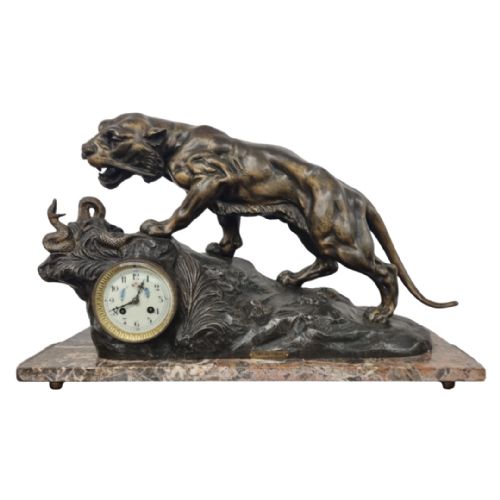
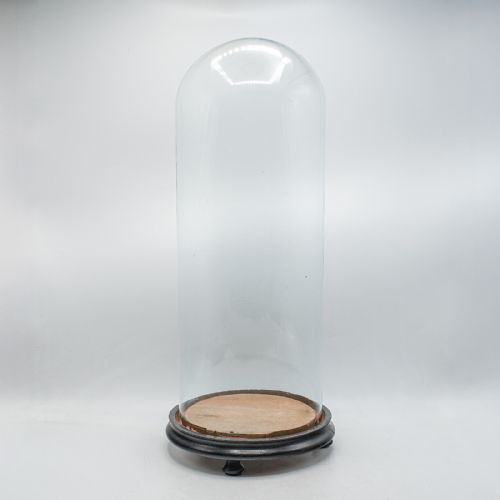
Several clocks share shelf space with taxidermy display domes and startled serpents.
Judging Quality
The standard of a clock rests upon the crispness of its case carving, the precision of its wood inlays, and the heft of its metal fittings.
Fine examples retain original dials, undamaged enamel, and movements that demonstrate careful finishing on hidden internal components rather than mass production shortcuts.
R Varnier·Palmer and Co·Henry Matthews
The Large Edwardian Clock Glossary
- Fusee movement
- A mechanism using a conical pulley and chain to ensure even power delivery as the mainspring unwinds. This system helps maintain consistent timekeeping throughout the duration of the wind.
- Carriage clock
- A portable spring-driven timepiece originally designed for travel. These pieces typically feature glass panels allowing the brass movement to be viewed from multiple angles.
- Cartel clock
- A wall-mounted clock housed in an ornate decorative frame. They originated in France and often display elaborate gilt bronze or carved wooden scrollwork.
- Regulator
- A precision pendulum clock designed for high accuracy. They generally feature large single-dial faces with separated hands to make reading the time straightforward.
Large Edwardian Clock: Frequently Asked Questions
Where should I place a large mantel clock?
These substantial timepieces require a sturdy surface such as a deep sideboard, a heavy mantelpiece, or a dedicated bracket. Their considerable weight and size mean they demand a prominent position in a room.
Ensure the supporting surface is entirely level to keep the pendulum swinging truly. Keep them away from direct heat sources and damp exterior walls to protect the wooden cases and internal brass work.
What is a crystal regulator clock?
A crystal regulator is a mantel clock enclosed by bevelled glass panels held within a brass or gilt frame. This design allows light to pass through the entire case.
The style became popular in France during the late nineteenth century. It displays the mercury or compensating pendulum clearly as it swings back and forth.
How do factory wall clocks differ?
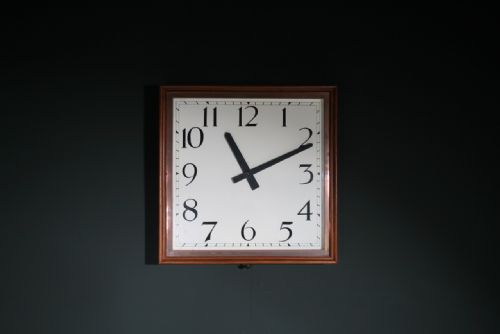
Factory wall clocks were built for legibility and durability in working spaces rather than domestic ornament. They feature simple wooden or metal surrounds with bold painted dials.
These pieces prioritise utilitarian function over decorative inlay. Their robust movements were designed to withstand vibrations and heavy industrial atmospheres.