



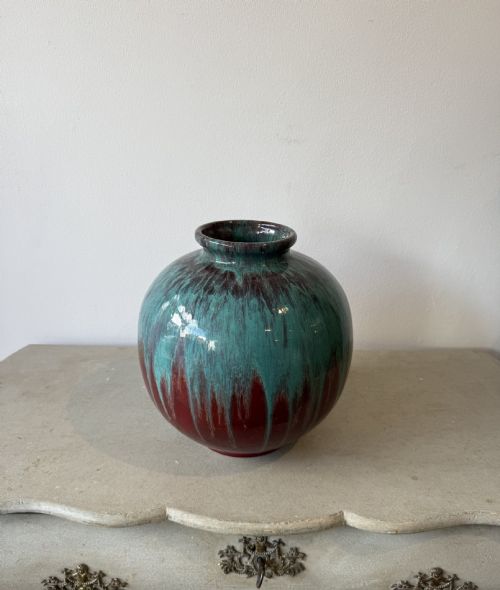


Large Earthenware Vase
A large earthenware vase brings weight and presence to a room, offering a sculptural anchor rooted in centuries of ceramic tradition.
Large Earthenware Vase
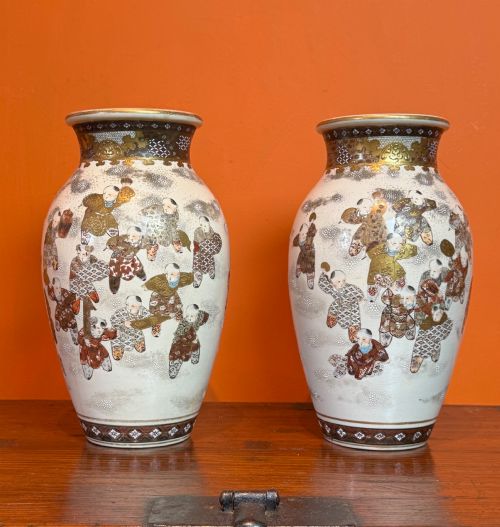
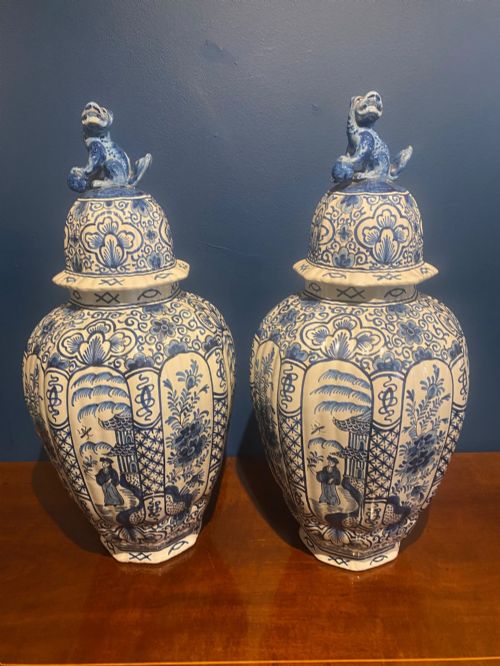
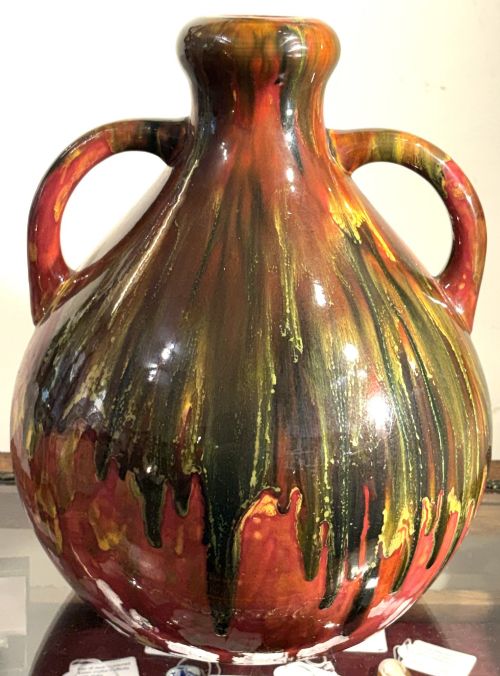
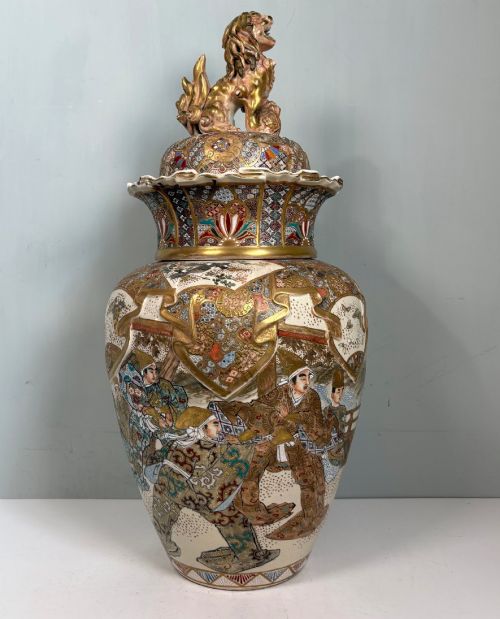
A large earthenware vase is a substantial ceramic vessel shaped for display, storage or planting, originating from diverse traditions across Europe and Asia. When looking for a large earthenware vase, a buyer encounters forms ranging from monumental Japanese Satsuma wares to Dutch Delftware and British majolica.
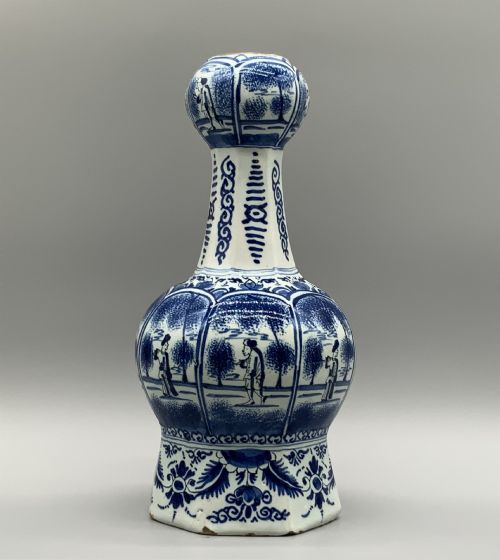
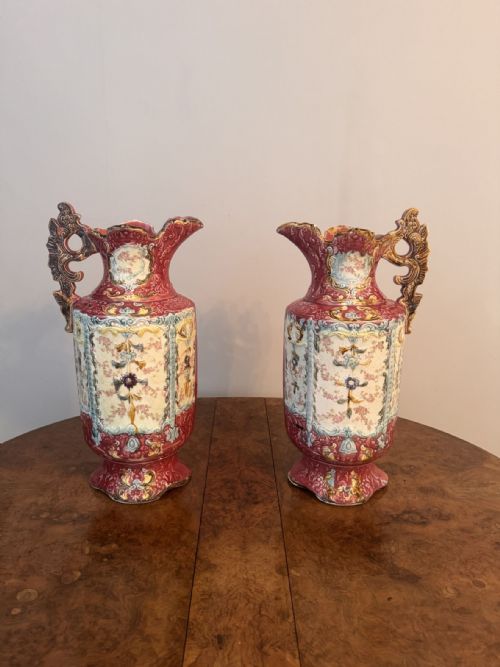
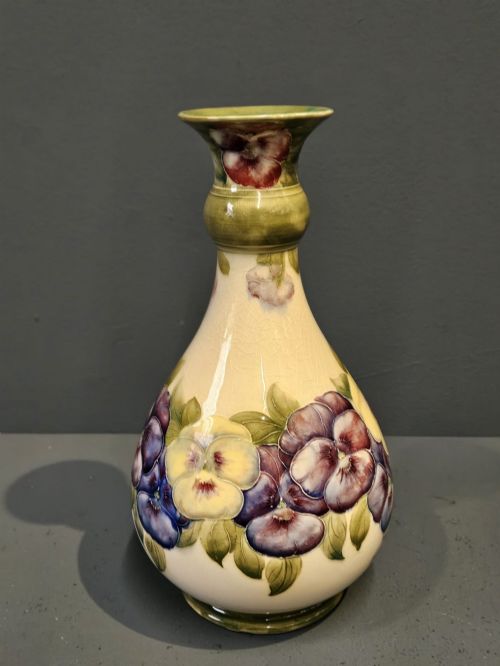
The pieces appearing here span several centuries, with a strong representation of nineteenth-century examples alongside seventeenth-century Delft and twentieth-century pottery. These vessels take various shapes, including covered urns, handled ewers, garden planters and traditional garlic-head vases.
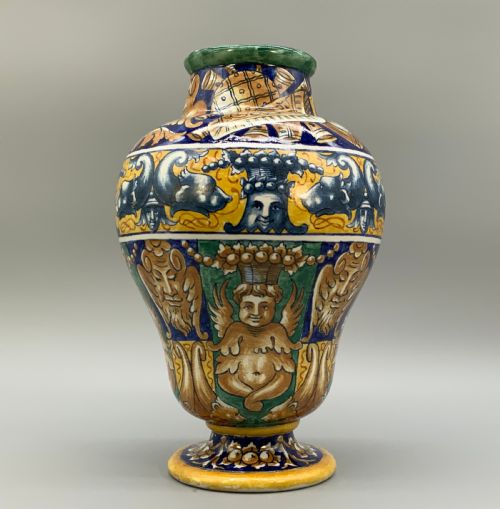
Japanese Satsuma wares dominate the Japanese items, characterised by intricate hand-painted figurative scenes and crackle glazes. European examples lean towards tin-glazed faience, majolica and terracotta garden vessels with classic revival styling.
How they were made
Makers shaped these large bodies from clay on a potter's wheel or formed them within moulds before firing the raw material in kilns. Earthenware required lower firing temperatures than stoneware or porcelain, remaining porous until sealed with glazes.
Surface decoration relied heavily on tin glaze, enamel pigments and gold leaf to achieve opaque white backgrounds and rich polychrome details. Potters applied cobalt blue for traditional Chinoiserie and Delft designs, while majolica pieces utilised colourful metallic oxide glazes over moulded reliefs.
Large Earthenware Vase Retail Price Guide 2026
Typical asking prices for large earthenware vase among the pieces listed under this phrase on Sellingantiques today, from the lower quarter to the upper quarter. They describe what is for sale here now, not the wider market.
Object forms span standard vases, monumental urns, garden planters, ewers and decorative Staffordshire figures.
What varies in quality
The distinction between ordinary production and superior work rests upon the crispness of the modelling and the precision of the hand-painted details. Finer pieces display confident brushwork, securely fixed enamel layers and well-defined relief moulding without glaze pooling or distortion from the kiln.
The ambition of the form also dictates the tier of the piece, moving from standard thrown vessels to monumental, heavily potted pairs with elaborate handles, covers and intricate narrative scenes. Signature marks from recognised workshops or named artists further elevate the standing of individual vessels.
Burmantofts·Moorcroft McIntyre·Hotoda·Amphora·Seiko-en Chokei·Minton·Poole Pottery
The Large Earthenware Vase Glossary
- Earthenware
- Porous pottery fired at lower temperatures, requiring a glaze to hold liquids. It forms the structural base for many historical decorative vessels.
- Tin Glaze
- An opaque white glaze containing tin oxide, providing a smooth surface for painted cobalt and enamel decoration. It is characteristic of Delftware and faience.
- Majolica
- Heavy earthenware coated in coloured lead glazes, often featuring high-relief classical or figural modelling. It gained immense popularity during the Victorian era.
- Satsuma
- Japanese earthenware pottery featuring a distinctive ivory crackle-glaze decorated with elaborate polychrome enamels and gilding. These wares were widely produced during the Meiji period.
- Chinoiserie
- European artistic interpretations of Chinese and East Asian stylistic motifs. It appears frequently on seventeenth and eighteenth-century blue and white tin-glazed vessels.
Large Earthenware Vase: Frequently Asked Questions
How do I clean a large earthenware vase?
Dust the surface gently with a dry, soft-bristled brush to remove accumulated particles without disturbing delicate enamel or gold leaf details.
Avoid submerging porous terracotta or unglazed pieces in water, using only a slightly damp cloth on glazed interiors if absolutely necessary.
Can these vases hold fresh flowers?
Many historical earthenware and tin-glazed vessels remain porous or feature older repairs that make holding water risky for the fabric of the ceramic.
Utilise a discreet waterproof inner liner if you intend to display fresh floral arrangements inside antique vessels.
How do I distinguish Delftware from majolica?
Delftware relies on a tin-glaze producing a smooth white background, typically painted with blue or polychrome motifs derived from Chinese porcelain or Dutch scenes.
Majolica employs colourful lead-based glazes over moulded sculptural reliefs, resulting in a heavier, highly glossy appearance with distinct botanical or figural themes.
Where should I place a heavy vase?
Position substantial vessels on sturdy, level furniture or dedicated floor pedestals capable of supporting considerable weight safely.
Keep them away from direct sunlight and heavy foot traffic zones to protect fragile handles and painted surfaces from accidental knocks.