

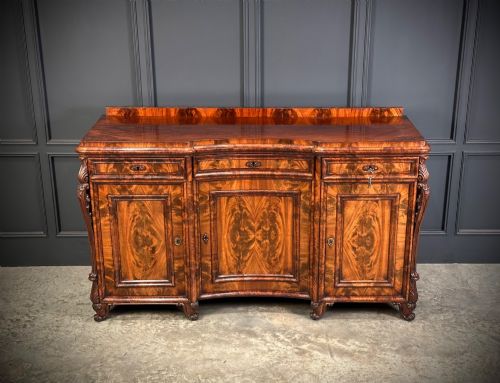
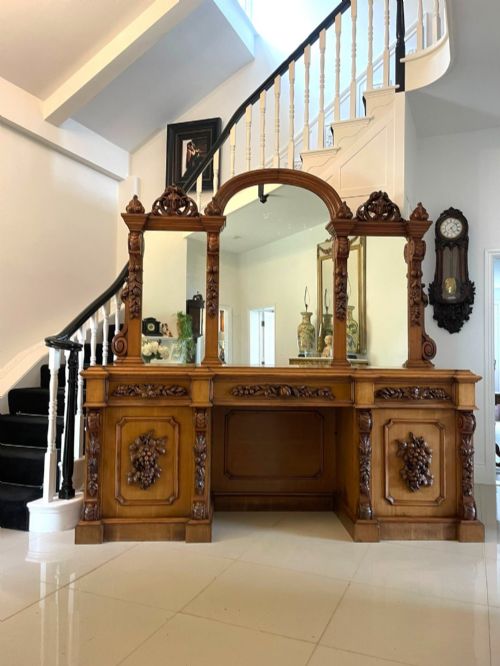
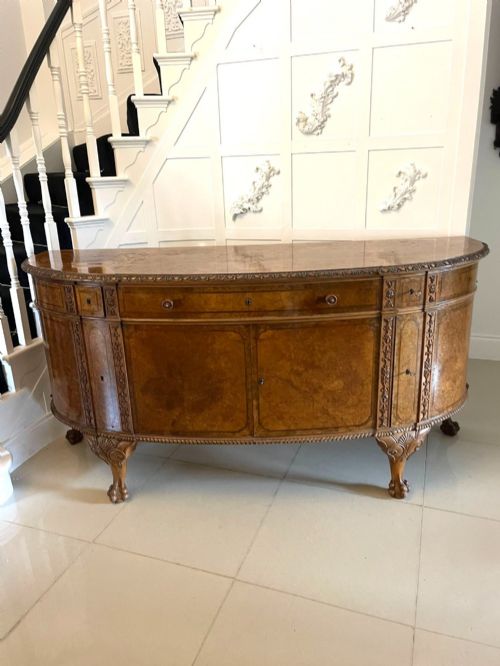
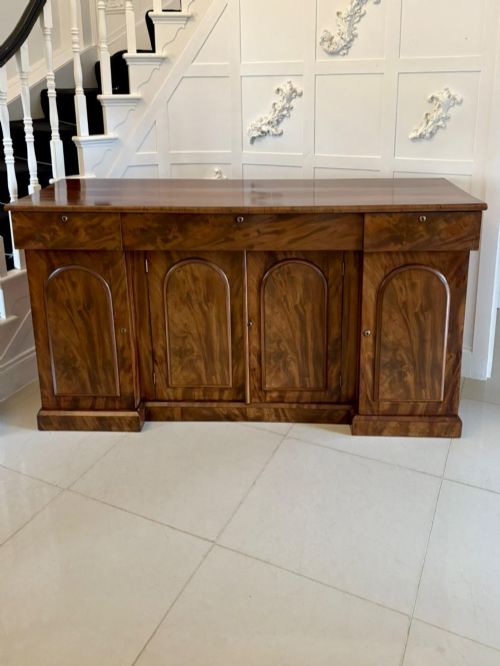
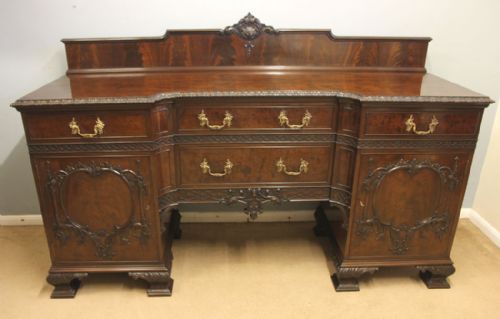


Large Dining Buffet
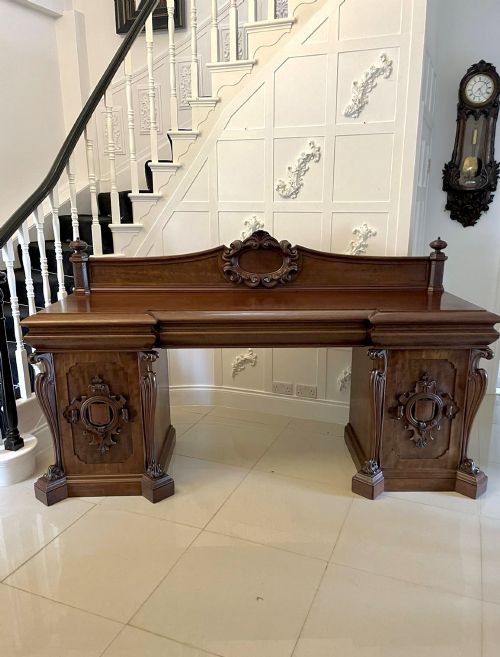
A large dining buffet anchors a formal dining room, offering substantial surface space for serving and deep storage for silver and linen.
Large Dining Buffet
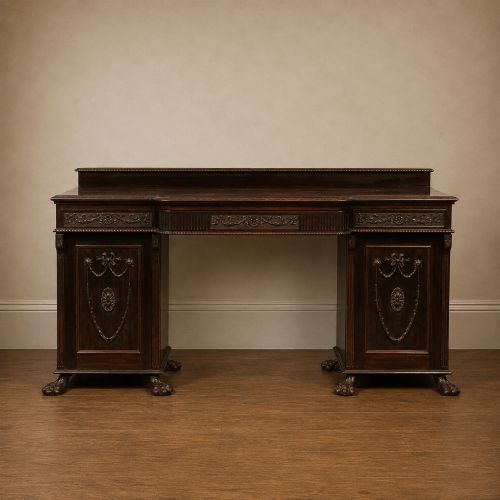
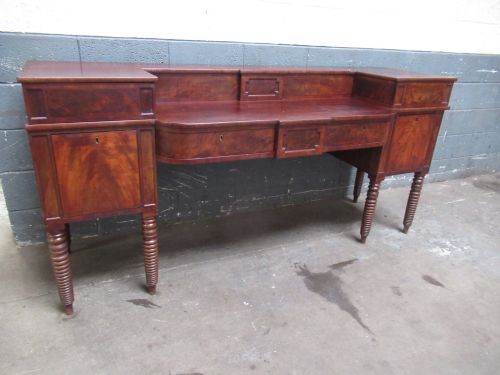
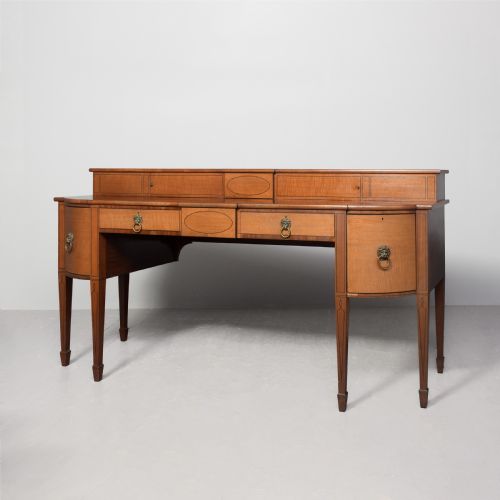
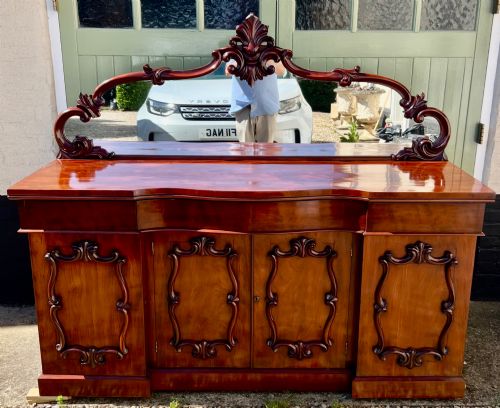
A large dining buffet, often catalogued alongside sideboards, servers, and credenzas, serves as a focal point for the dining room. Buyers encounter various historical interpretations, from George III and Regency pieces to Victorian and Edwardian examples.
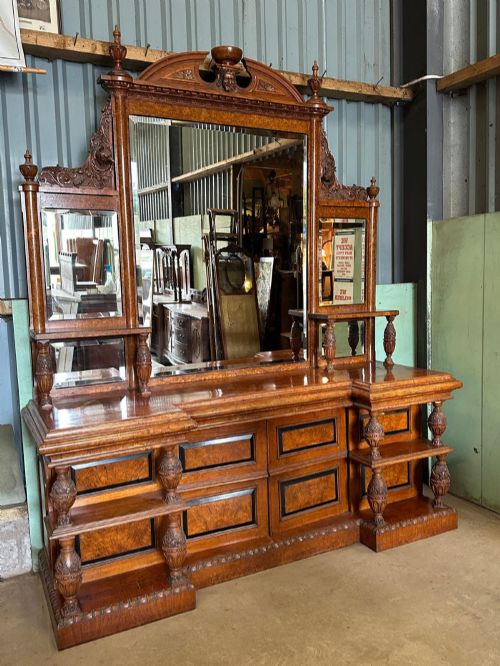
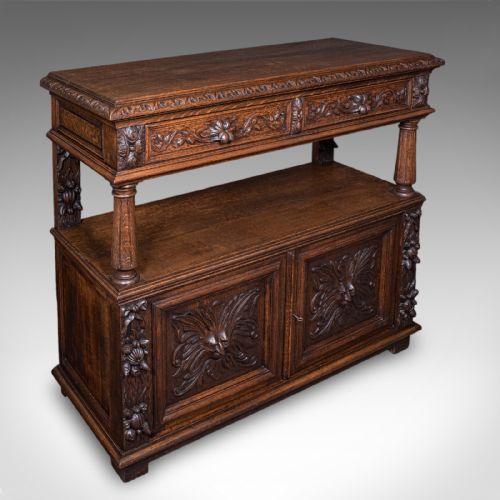
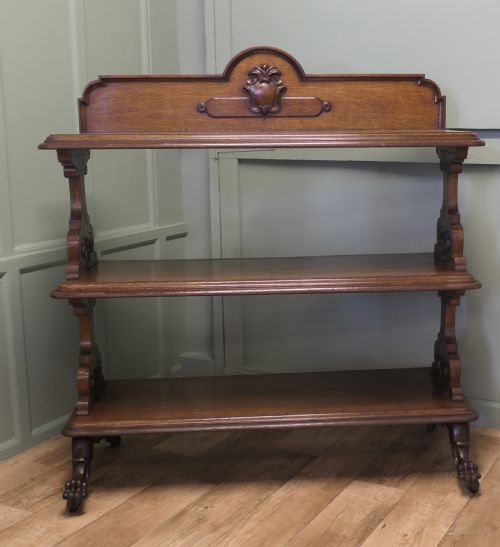
The selection ranges from George III mahogany masterpieces to sturdy oak Victorian and Edwardian designs featuring mirror backs, carved stretchers, or breakfront configurations. Regional pieces, including Scottish and Italian variations, appear alongside revival styles such as Chippendale and Jacobean.
These items were constructed to house dining service equipment and display silver, utilising generous proportions suited to large entertaining spaces.
Craftsmanship and Proportion
Construction integrity distinguishes finer items, evident in the weight of the timber, the stability of stretcher bases, and the original condition of brass handles and glass components.
Large Dining Buffet Retail Price Guide 2026
Typical asking prices for large dining buffet among the pieces listed under this phrase on Sellingantiques today, from the lower quarter to the upper quarter. They describe what is for sale here now, not the wider market.
Materials recorded on this page include flame mahogany veneer, pollard oak, satinwood, brass, and glass.
Lord Leverhulme
The Large Dining Buffet Glossary
- Breakfront
- A cabinet design where the central section projects forward from the flanking sections. This configuration adds architectural depth to large dining furniture.
- Pedestal sideboard
- A form comprising two pedestal cupboards joined by a central section or table base. These heavy pieces originated in the Georgian period.
- Stage-back
- A stepped superstructure rising above the main surface of the sideboard. It provides additional display ledges for serving dishes and porcelain.
- Stringing
- Thin lines of contrasting wood inlaid into the primary timber surface. Cabinetmakers used boxwood and satinwood for this linear decoration.
Large Dining Buffet: Frequently Asked Questions
Where should I place a large dining buffet?
These substantial pieces require a dedicated wall in a dining room or large reception space where guests can access serving surfaces easily.
Ensure adequate clearance around the piece so that cupboard doors and drawers open fully without obstruction from dining chairs.
How do I maintain mahogany surfaces?
Dust regularly with a soft cloth and apply traditional beeswax periodically to nourish the timber and maintain its natural sheen.
Keep the wood away from direct sunlight and radiators to prevent the flame mahogany veneer from drying or splitting over time.
What is the difference between a buffet and a sideboard?
While terms often overlap in historical listings, buffers and servers traditionally emphasise surface space for food presentation during meals.
Sideboards generally include more enclosed cupboard and drawer storage for dining accessories, silver, and linens.
How do I identify a George III piece?
George III pieces typically display restrained classical proportions, premium mahogany construction, and fine boxwood stringing or satinwood inlay.
They rely on architectural elegance rather than heavy carving, distinguishing them from later Victorian revival interpretations.