


Large Dial Clock
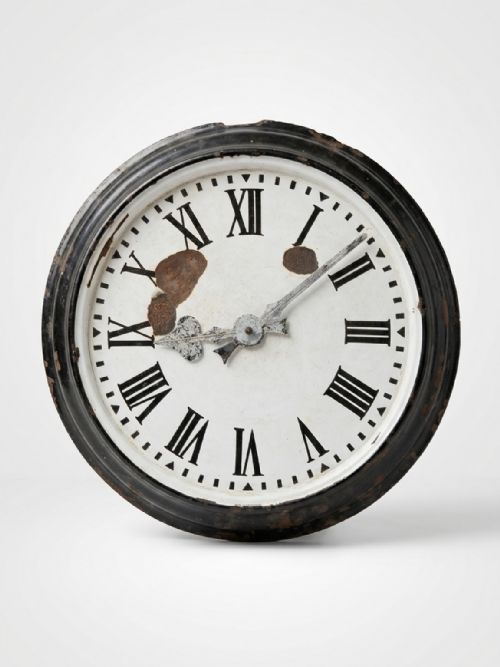
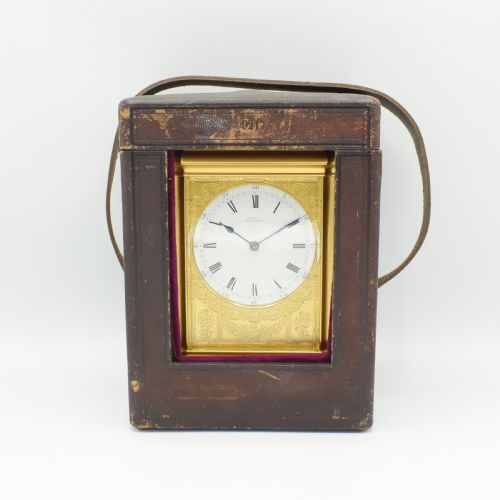
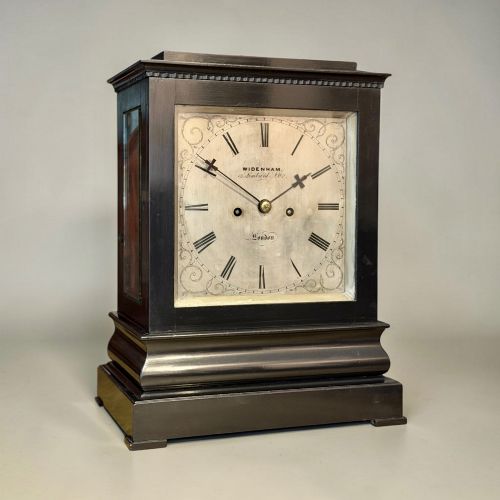
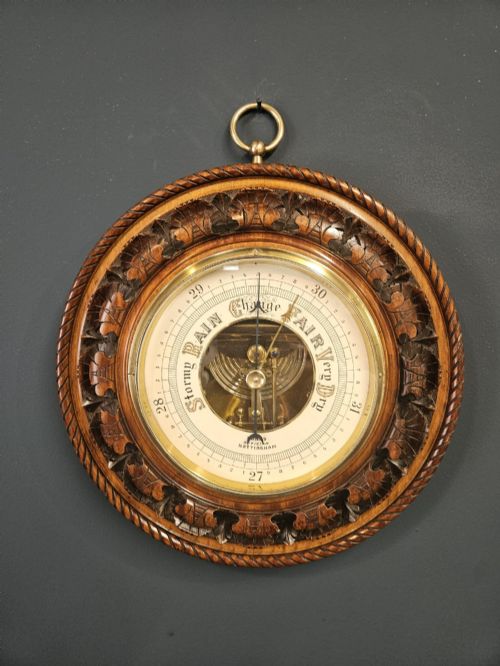
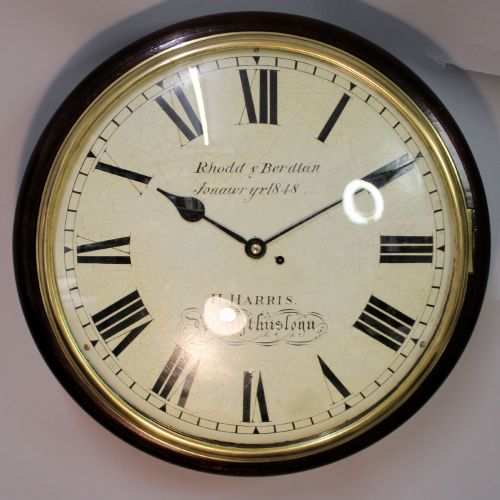
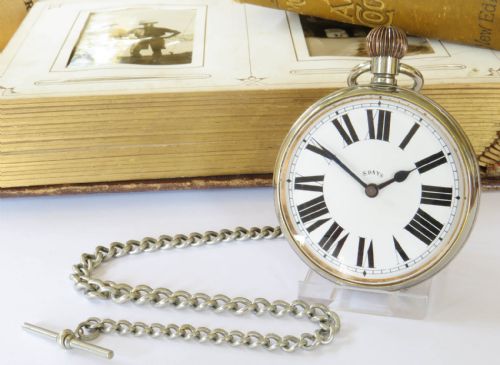
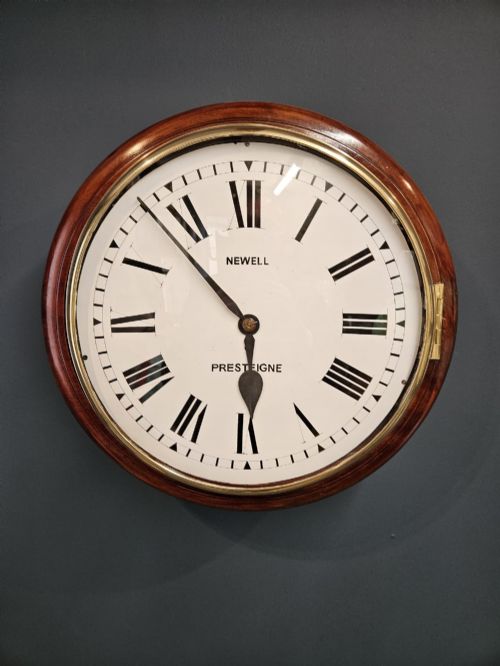
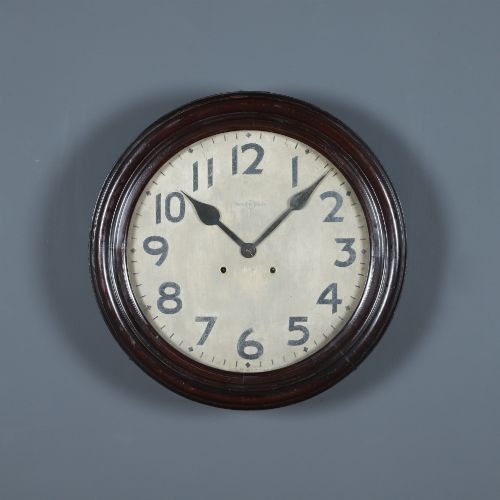
A large dial clock commands a room through legible proportions, historic mechanics, and substantial wooden or metal housings.
Large Dial Clock
When searching for a large dial clock, buyers encounter robust timekeepers designed for public spaces, offices, and substantial domestic rooms during the nineteenth and early twentieth centuries.
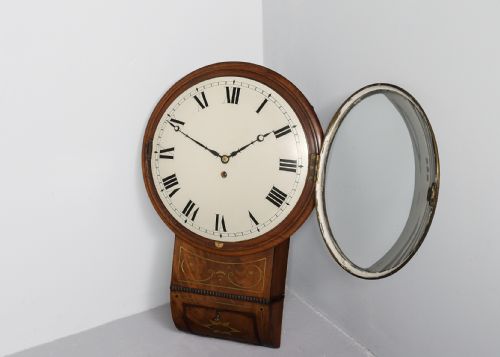
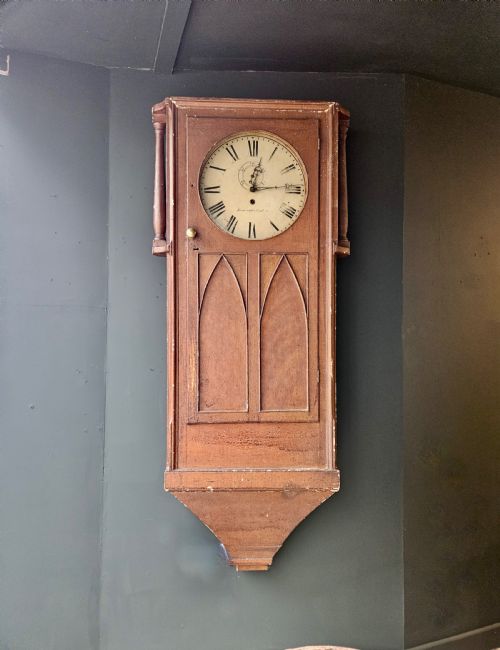
The most common formats on this page are wall-mounted fusee dial clocks and drop-dial variants housed in mahogany, oak, or pine.
Originating largely from English workshops, railway companies, and industrial settings, these pieces prioritise clear legibility from a distance over intricate miniature detail.
Materials and construction
Clockmakers relied on durable native hardwoods such as mahogany and oak for the cases, pairing them with heavy glass bezels to protect the face.
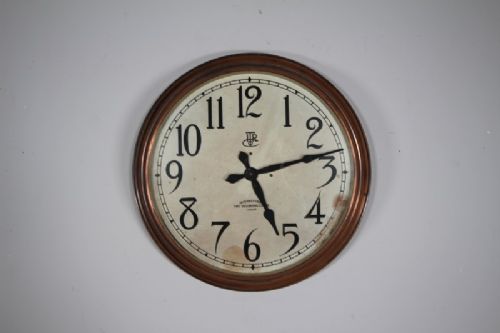
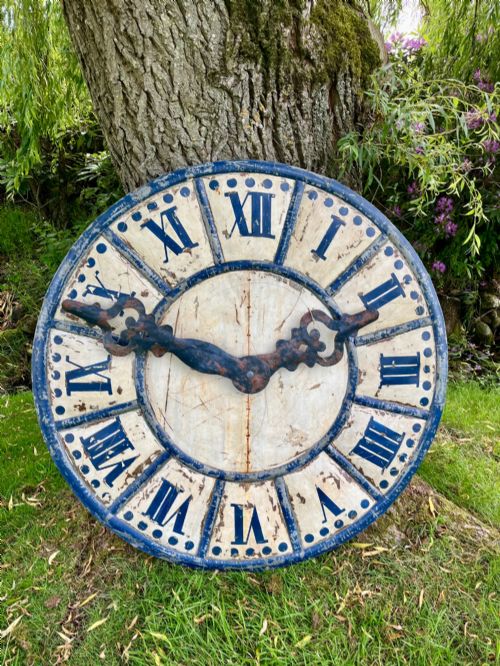
Dials themselves were fashioned from painted wood, brass, or iron, often featuring bold Roman or Arabic numerals applied by hand.
Movements frequently employed fusee mechanisms to maintain even tension as the mainspring wound down, ensuring steady timekeeping across eight-day cycles.
Distinctions in craftsmanship
Quality rests upon the crispness of the case joinery, the original integrity of the painted dial, and the mechanical refinement of the movement inside.
Makers who signed their dial faces or plates often incorporated superior fusee movements with robust brass framing and precise escapements.
Pieces retaining original finish, undamaged bezels, and matching components command greater recognition than those altered or fitted with replacement parts over subsequent decades.
Widenham of London·Henry Harris·Joyce Whitchurch·John Walker·Camerer Cuss·John Jones·Barrauds Cornhill·Gillett and Johnston·Anthony Furnace·Grimshaw and Baxter·Hill of Bristol·Ritchie of Edinburgh·G.W Barker·Edwards Holyhead
The Large Dial Clock Glossary
- Fusee
- A conical pulley connected to the mainspring by a chain or cord. This device equalises the diminishing power of the spring as it unwinds.
- Drop-dial
- A wall clock featuring an extended lower wooden case beneath the circular dial. This tail often houses a pendulum and allows for a longer drop.
- Bracket clock
- A portable domestic clock originally designed to sit on a wall bracket or table. Many examples feature substantial brass handles and glazed side panels.
- Turret clock
- A large clock intended for an architectural tower or outdoor gable. These dials are engineered to withstand exposure to the elements.
- Garniture
- A coordinated set of ornamental objects designed to be displayed together on a mantelpiece. It typically comprises a central clock flanked by matching urns or candelabra.
Large Dial Clock: Frequently Asked Questions
How do fusee movements work?
A fusee movement uses a conical pulley and chain to regulate power delivery from the mainspring. As the spring loses tension, the chain rides higher on the cone to maintain consistent torque.
This clever mechanical compensation ensures the clock maintains steady accuracy throughout its eight-day run without requiring heavy weights.
Where were drop dial clocks used?
Drop dial clocks were primarily hung in public spaces, railway stations, boardrooms, and large domestic hallways where time needed to be read from afar.
Their extended lower cases provided adequate clearance for the pendulum swing while offering a balanced architectural presence on the wall.
What is a ships bulkhead clock?
A bulkhead clock is a heavy-duty timekeeper engineered to withstand the damp and rolling conditions found aboard marine vessels.
These pieces typically feature waterproof housing, brass bezels, and robust screw-down face covers to protect the delicate internal mechanics.