







Large Decorative Plate
When you search for a large decorative plate, you are looking at substantial display vessels crafted in porcelain, earthenware, and metal.
Large Decorative Plate
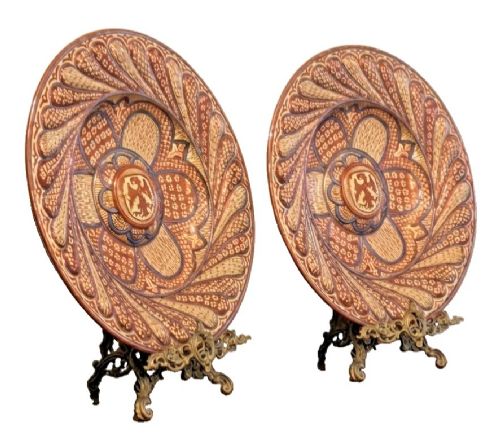
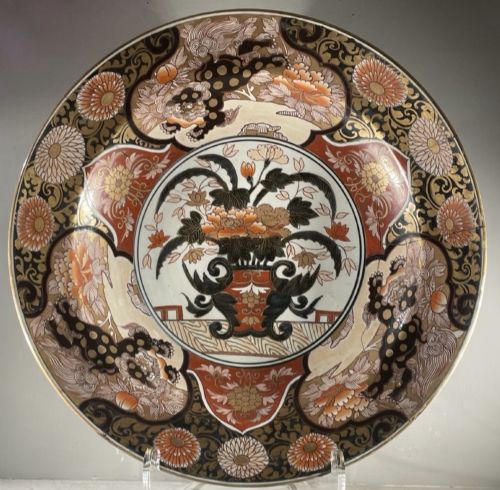
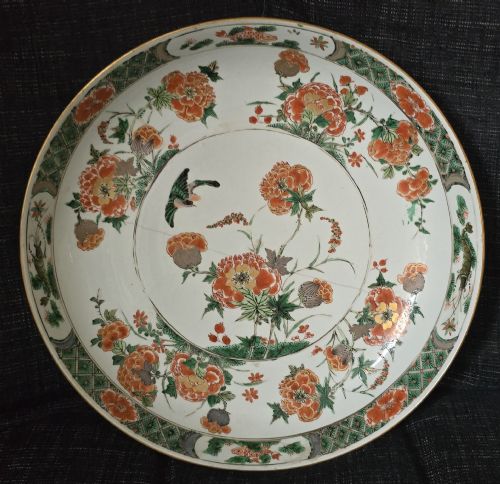
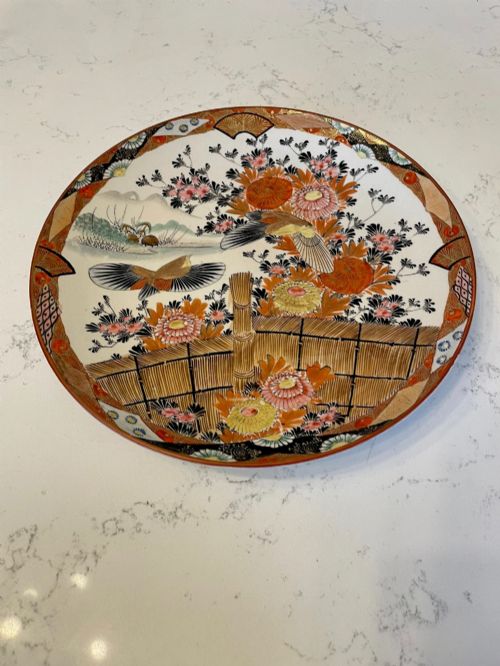
A large decorative plate functions primarily as a display piece rather than standard tableware, often seen in forms such as chargers, shallow bowls, and serving platters. These items arrive from diverse traditions, spanning Japanese Imari and Satsuma wares to European porcelain and Delft faience.
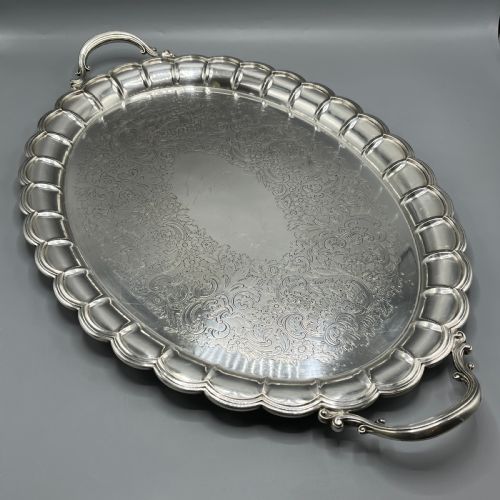
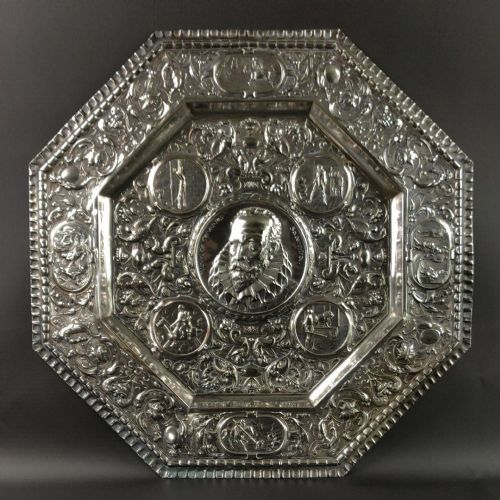
The selection ranges across the nineteenth century into the early twentieth century, taking in Victorian and Edwardian examples alongside earlier eighteenth-century Chinese and Spanish pieces. Collectors encounter circular, octagonal, and scalloped shapes designed specifically to command attention on walls, cabinets, or tables.
Materials and construction
Pottery examples rely on porcelain, earthenware, and faience bodies finished with painted glazes, enamel, or transfer printing. Japanese and Chinese works utilise hand-painted pigments and intricate moriage relief work, while European manufactories employ hand-painted Paris porcelain and tin-glazed earthenware.
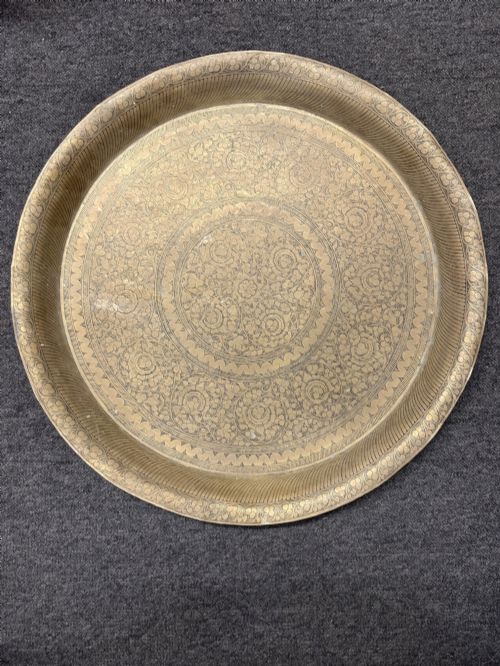
Metal versions utilise brass, copper, and silver plate shaped through repoussé work, engraving, and mixed metal techniques. Cloisonné enamelling applies vitreous enamel within wire compartments on metal bases to create detailed pictorial scenes.
Large Decorative Plate Retail Price Guide 2026
Typical asking prices for large decorative plate among the pieces listed under this phrase on Sellingantiques today, from the lower quarter to the upper quarter. They describe what is for sale here now, not the wider market.
Several antique chargers choose to depict owls, cats, and single dragons rather than formal portraits, keeping watch from the sideboard.
Assessing the craftsmanship
Quality rests upon the execution of the surface design, whether through the precision of hand-painted brushwork on porcelain or the depth and crispness of repoussé tooling on metal. Signed works by established makers or specific regional schools often display superior control of detail.
The integrity of the material foundation, from the weight of the ceramic body to the complexity of cloisonné wirework or mother-of-pearl inlay, dictates the distinction between standard production and exceptional output.
Rene Lalique·Royal Worcester·Shozo
The Large Decorative Plate Glossary
- Charger
- A large ornamental plate traditionally used for display or as a base beneath other courses. These pieces often feature elaborate pictorial designs.
- Cloisonne
- A decorative metalwork technique where enamel paste is applied within compartments created by soldered wire. Artisans fire the piece to produce a smooth, coloured surface.
- Imari
- A style of Japanese porcelain featuring a distinct palette of underglaze blue and iron red, often highlighted with gold. These wares were widely exported to Europe.
- Repousse
- A metalworking method in which the artisan hammers the design from the reverse side to form a raised relief on the front. This technique appears frequently on brass and copper trays.
Large Decorative Plate: Frequently Asked Questions
How were large decorative plates displayed historically?
These pieces were typically mounted on walls using specialised wire hangers or stood upright on sideboards and buffets to showcase their pictorial designs.
In grand interiors, large chargers served as centrepieces on dining tables or were integrated into decorative wall displays alongside paintings and mirrors.
What is the difference between a plate and a charger?
A charger is substantially larger than a standard dining plate, usually measuring well over thirty centimetres in diameter. They were built primarily for visual impact rather than practical dining use.
Plates in this size category often overlap with shallow bowls and platters, sharing the same ornamental focus but varying slightly in depth.
How do I care for antique metal trays and plates?
Metal items in brass, copper, and silver plate require careful dusting with a soft, dry cloth to prevent the accumulation of grime. Avoid aggressive chemical polishes that can strip patination or damage applied finishes.
Enamelled metal and mixed-metal pieces benefit from stable indoor humidity away from direct sunlight to preserve the integrity of the surface.
Can I hang a heavy ceramic charger on the wall?
Hanging heavy ceramic or metal chargers requires sturdy wall anchors and secure, well-fitted display hardware designed to support the specific weight of the object. Spring-loaded wire hangers must be adjusted carefully to avoid putting undue pressure on the rim.
For exceptionally heavy or fragile pieces, custom bracket mounts offer a safer alternative to standard wire systems.