



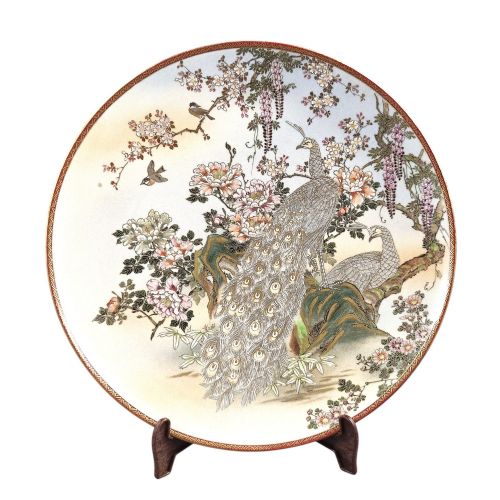
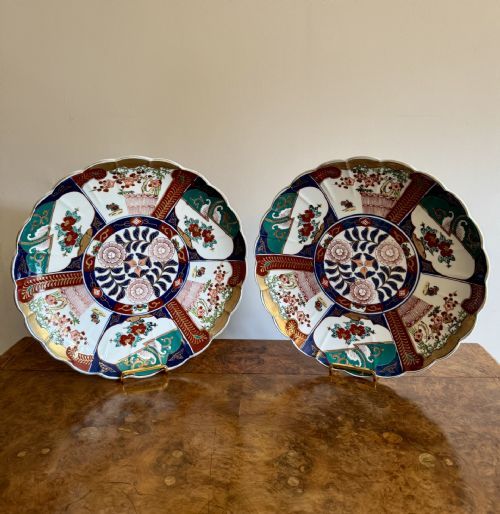


Large Decorative Ceramic Platter
A large decorative ceramic platter commands the room, bringing centuries of skilled firing and hand painting directly to a wall or table.
Large Decorative Ceramic Platter
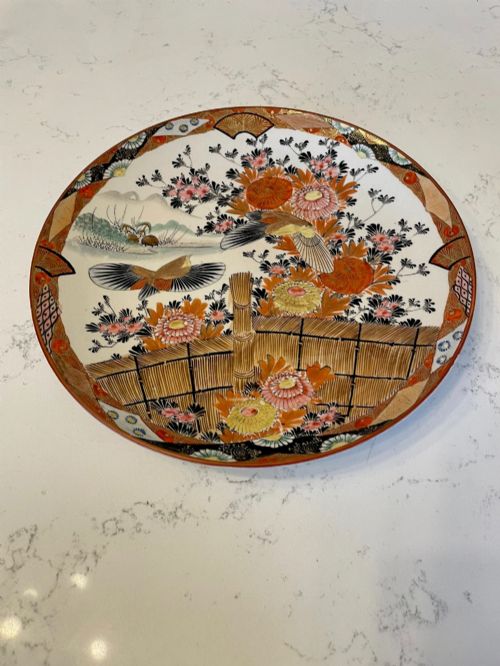
A large decorative ceramic platter encompasses expansive circular chargers, broad serving dishes, and pictorial plates designed primarily for display rather than routine dining. When you search for a large decorative ceramic platter, you encounter heavy earthenware, crisp porcelain, and tin-glazed vessels spanning the eighteenth, nineteenth, and early twentieth centuries.
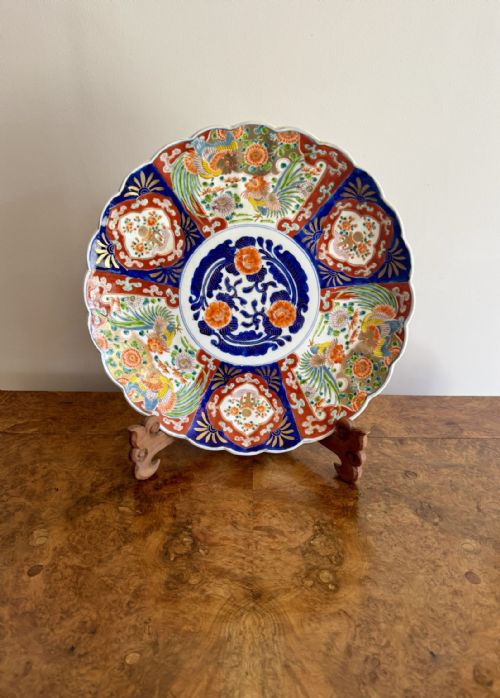
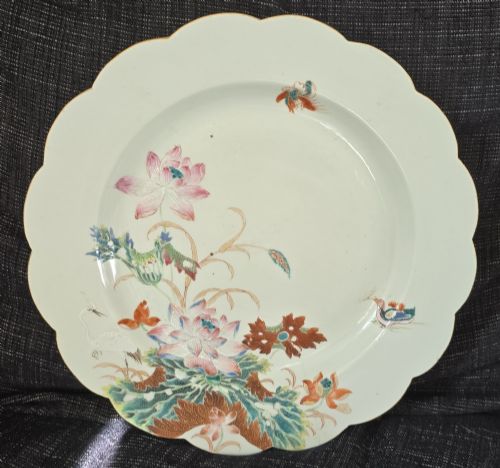
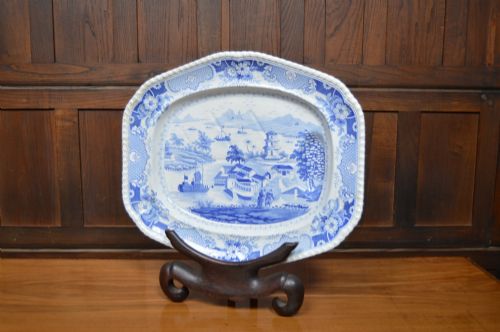
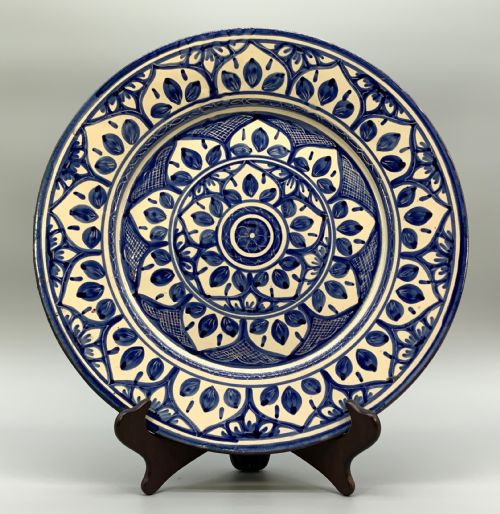
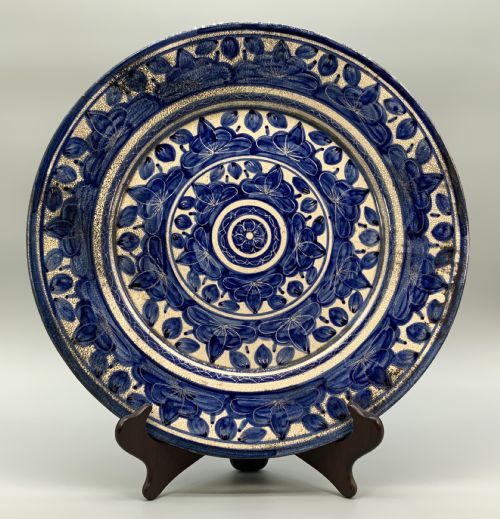
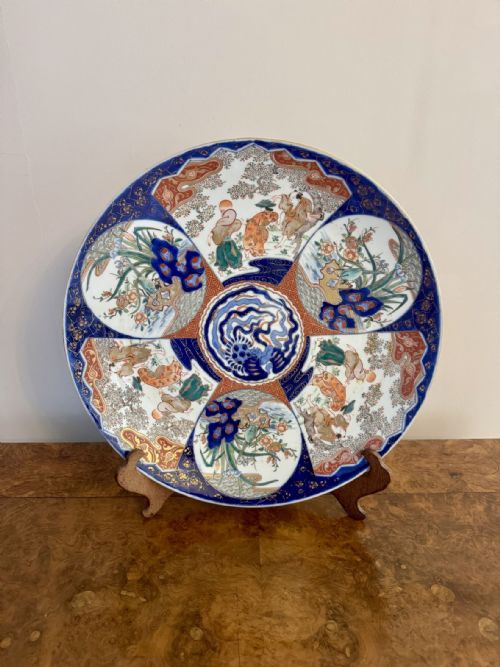
The versions most frequently met on this page originate from Japanese export kilns, particularly Arita Imari works, alongside European counterparts in French Paris porcelain, Dutch Delft, and English earthenware. These pieces typically display rich pictorial scenes, foliate borders, or traditional cobalt blue and polychrome palettes across substantial diameters.
How they were made
Makers shaped these vessels from refined porcelain clays or earthen bodies, applying tin glazes, enamel pigments, and occasionally gold leaf or gilt detailing before high-temperature kiln firing. Japanese pieces utilised intricate underglaze blue and iron-red enamels, while European manufactories employed hand-painted transferware techniques and elaborate polychrome pictorial enamelling.
Surface decoration frequently incorporated specialised treatments such as moriage relief work on Satsuma wares, intricate cloisonné tree bark effects, and tin-glazed faience painting. These techniques required precise kiln control to fix the complex metallic oxides and vibrant pigments onto wide ceramic surfaces.
Listings feature Japanese Imari porcelain, Dutch Delft faience, and English transferware spanning the seventeenth century through the Victorian era.
What varies in quality
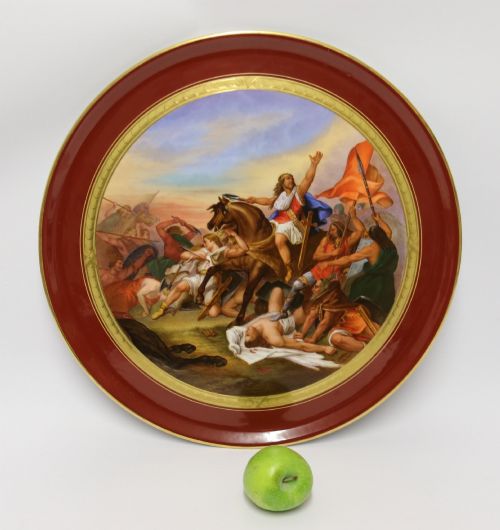
The standard of a large decorative ceramic platter rests on the crispness of the hand-painted brushwork and the ambition of the pictorial composition, whether depicting classical historical scenes or complex foliate borders. Superior examples exhibit tightly controlled enamel saturation and clean kiln transformation without warping across wide diameters.
Depth of detail distinguishes exceptional pieces, such as finely rendered facial expressions in figural subjects or meticulously articulated koi carp and floral motifs. The integration of gilding and the harmony of secondary colours reveal the hand of accomplished ateliers.
J.W.R.·Mintons
The Large Decorative Ceramic Platter Glossary
- Charger
- A large decorative plate traditionally used for display or formal service rather than daily dining. These substantial vessels often measure over forty centimetres across.
- Imari
- A style of Japanese export porcelain characterised by a palette of underglaze blue, iron red, and gilt highlights. Pieces frequently display dense floral and panelled designs.
- Tin-Glazed Earthenware
- Pottery covered with an opaque white glaze containing tin oxide, providing a smooth surface for painted decoration. This technique includes Dutch Delft and Italian maiolica.
- Moriage
- A decorative Japanese ceramic technique using raised clay slip to create tactile, three-dimensional surface patterns. It appears frequently on Satsuma wares.
- Transferware
- A method of applying printed designs to ceramics by transferring engraved ink patterns from copper plates onto paper and then onto the clay body. This process allowed consistent pictorial scenes on Victorian plates.
Large Decorative Ceramic Platter: Frequently Asked Questions
How were these large platters displayed historically?
These large ceramic vessels were primarily mounted on walls, placed on sideboards, or stood on specialised plate racks to showcase their intricate painted scenes and vibrant enamels.
In prosperous households, expansive chargers served as central decorative focal points in dining rooms and parlours rather than functional tableware.
What is the difference between a charger and a serving platter?
Chargers are exceptionally wide plates intended primarily for visual display, featuring expansive central well decorations and decorative borders.
Serving platters are generally shaped for presenting food at the table, though nineteenth-century meat platters frequently combined functional utility with pictorial transfer-printed borders.
Can these antique platters be hung securely on walls?
Many large platters feature heavy ceramic rims or sturdy bases that accommodate specialist spring-loaded wall display hangers designed for heavy porcelain.
When hanging antique pieces, secure fixtures directly into wall studs to safely support the considerable weight of nineteenth-century earthenware and porcelain.