
Large Copper Planter
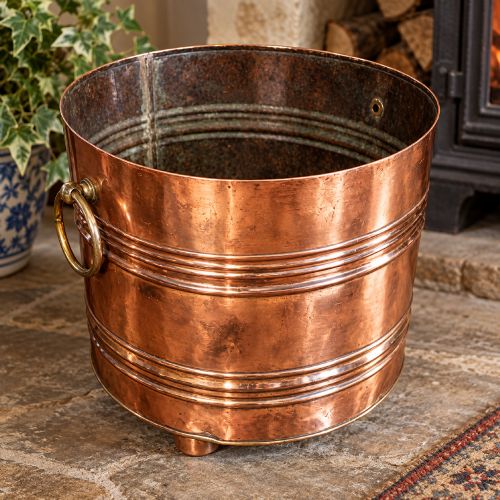
A large copper planter brings substantial warmth and weight to a room or garden, holding foliage, logs or water with utilitarian grace.
Large Copper Planter
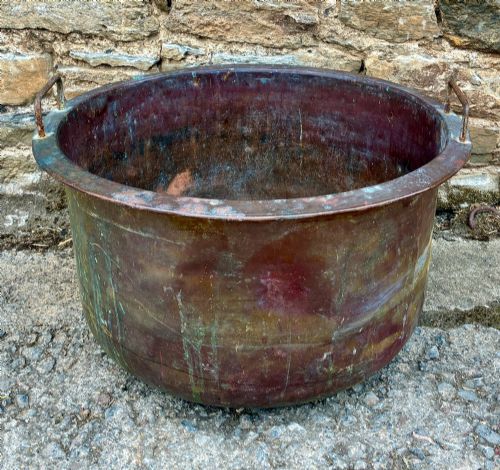
A large copper planter serves as a commanding vessel for greenery, cut logs or fireside fuel, drawing the eye with a warm metallic presence. When searching this phrase, you will encounter pieces that bridge domestic utility and display, often spanning the eighteenth, nineteenth and early twentieth centuries.
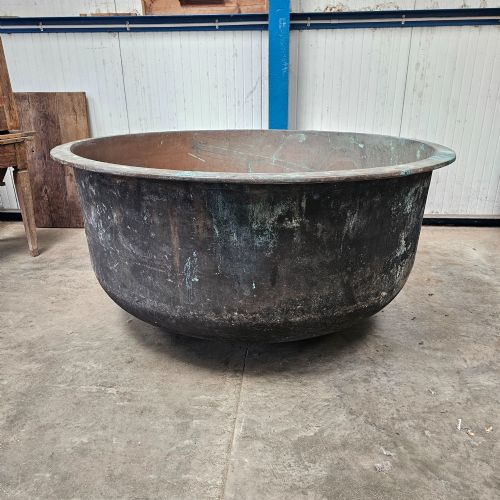
Many items recorded under this heading began life as agricultural measures, dairy vessels, cheese vats or kitchen coppers before finding a second life as planters. Victorian log bins and Edwardian jardinières share floor space with French grain measures and Georgian wine cisterns.
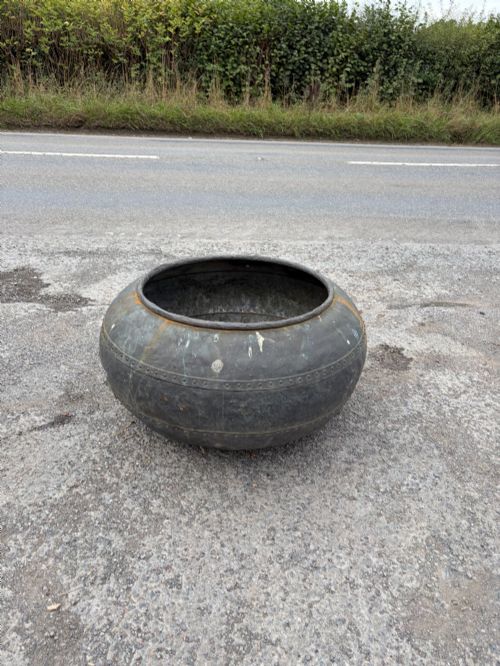
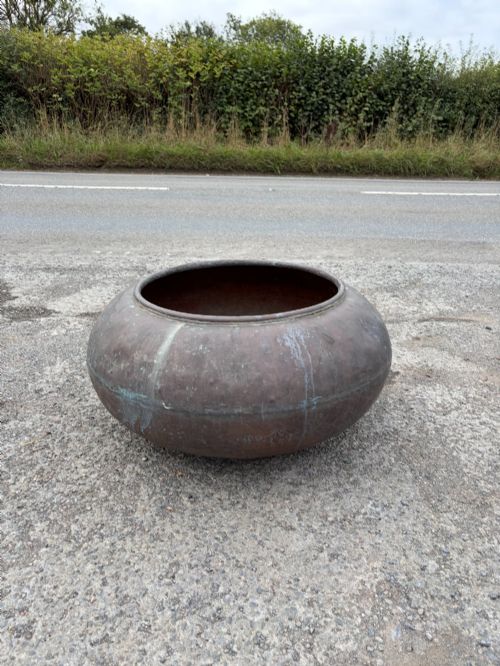
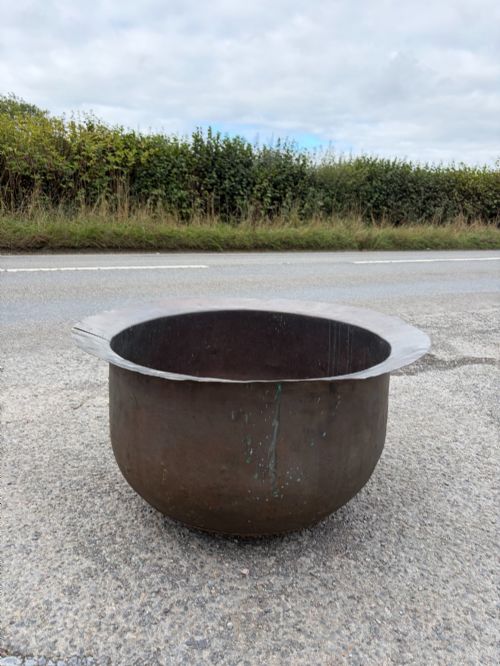
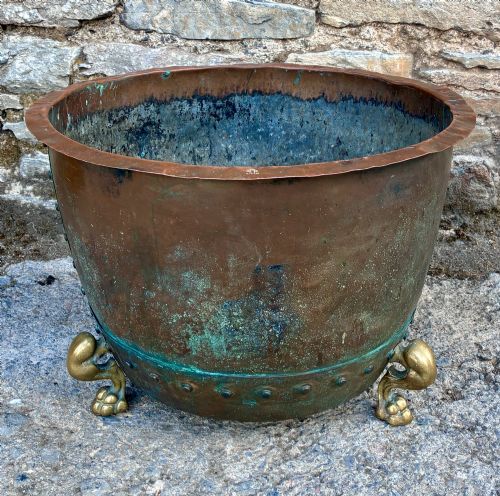
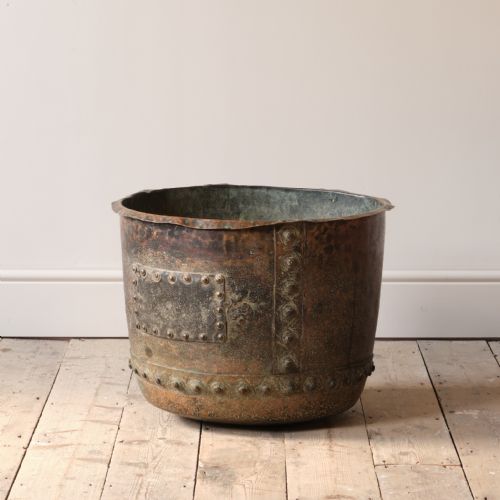
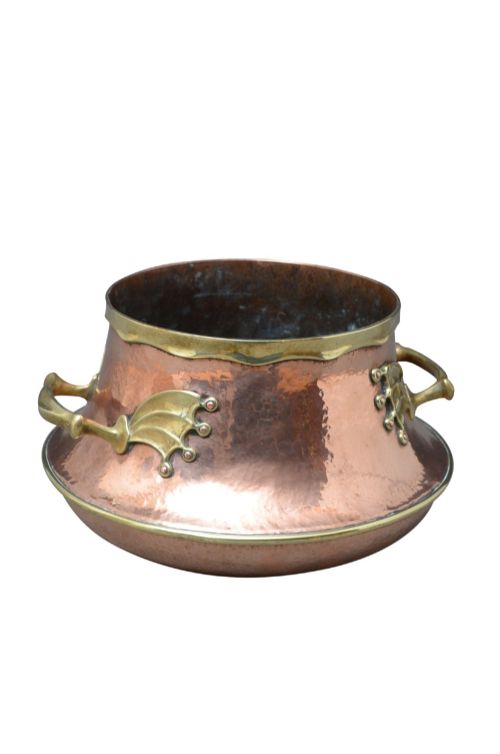
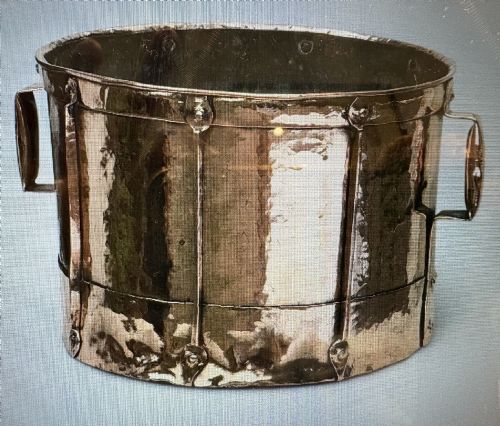
The silhouettes range from deep cylindrical buckets and riveted cauldrons to oval pans and footed pedestal bowls. These forms reflect their original functional purposes, whether intended for hearthside storage or agricultural production.
How they were made
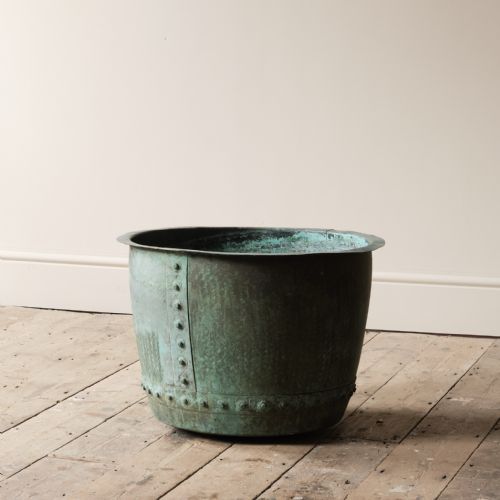
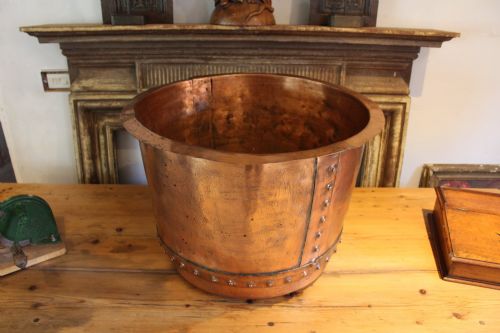
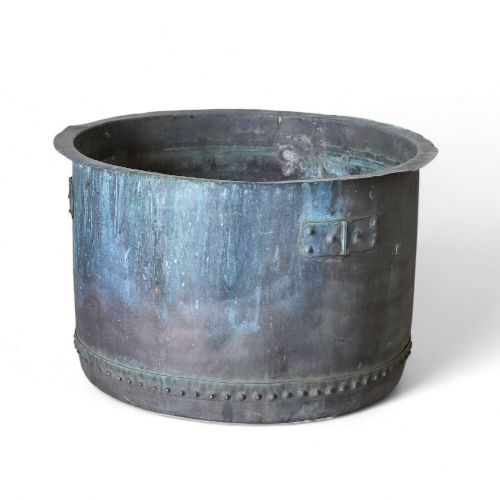
Heavy-gauge sheet copper forms the body of these vessels, shaped by hand or hammered over stakes to achieve the desired contour. Makers joined the seams with overlapping plates secured by hand-riveted copper or iron pins, ensuring a watertight or structurally robust finish.
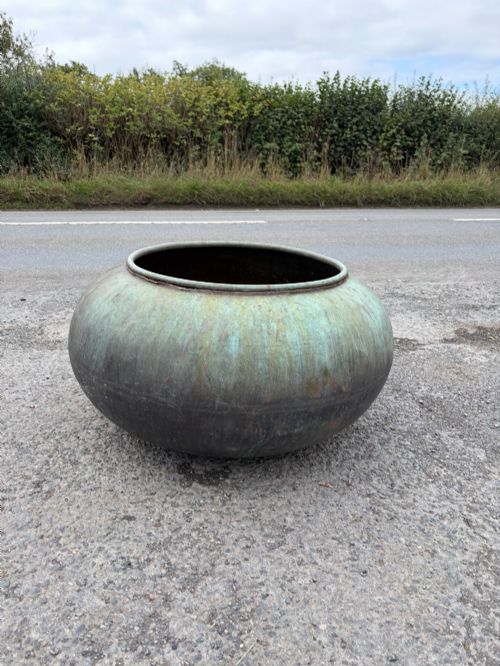
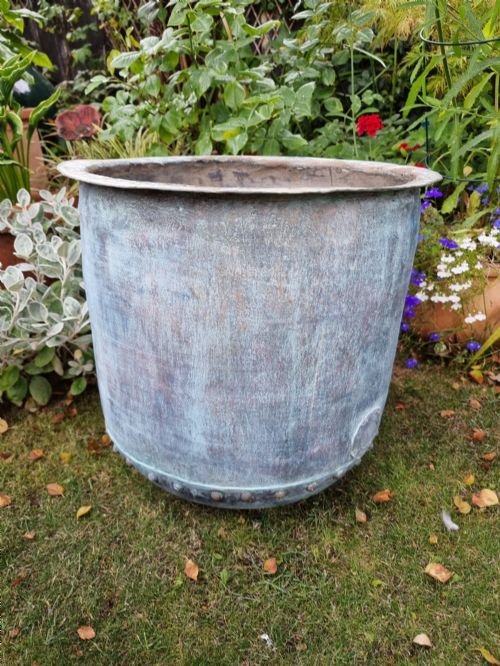
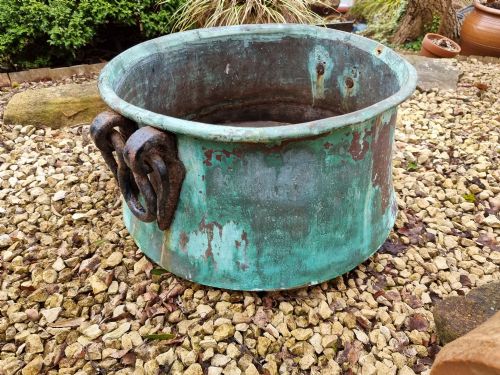
Wrought iron, brass and steel provide contrast and strength through swing handles, drop rings, feet and rim mounts. Rivets punctuate the exterior surfaces, while natural oxidation creates verdigris and patinated finishes over decades of exposure to air and moisture.
Large Copper Planter Retail Price Guide 2026
Typical asking prices for large copper planter among the pieces listed under this phrase on Sellingantiques today, from the lower quarter to the upper quarter. They describe what is for sale here now, not the wider market.
Materials span solid copper, wrought iron, brass, tin, ceramic and enamel across domestic and agricultural forms.
What varies in quality
The thickness of the metal sheet dictates the structural integrity and longevity of the vessel, with heavier gauge copper resisting dents and holding its shape under heavy loads of earth or timber. Superior examples display disciplined hand-hammering and clean rivet spacing that speak to the maker's competence.
Surface character defines the visual appeal, where undisturbed natural patination and genuine verdigris elevate a utilitarian container into an expressive decorative object. The integration of complementary metals, such as forged iron swing handles or brass paw feet, separates standard workshop output from finer display pieces.
The Large Copper Planter Glossary
- Jardiniere
- An ornamental pot or stand for holding plants or flowers. These vessels usually sit on floors or tables rather than hanging.
- Verdigris
- A green or bluish patina formed on copper or brass surfaces through natural weathering and oxidation over time. This layer protects the underlying metal and adds visual depth.
- Riveted
- Joined together using metal bolts or pins hammered flat at the ends to secure overlapping sheets. This technique provides both structural strength and a distinct industrial aesthetic.
- Cauldron
- A large metal pot with a wide mouth, often fitted with a swing handle for suspension or carrying. They were originally used for boiling liquids over open fires.
- Wine Cistern
- A large vessel designed to hold bottles and ice for cooling wine at the table. These pieces often feature decorative handles and heavy rims suited for formal dining.
Large Copper Planter: Frequently Asked Questions
Were all large copper planters originally made for plants?
Most pieces listed under this category began life as utilitarian vessels for agriculture, domestic laundering or kitchen service. Dairy pans, cheese vats, grain measures and coal scuttles were later repurposed as planters and log bins.
Their robust construction and water-resistant properties made them natural candidates for holding soil and greenery once their original industrial roles ceased.
How do I protect my floor from a metal planter?
Place a protective saucer, rubber mat or felt pads beneath the base of the vessel to catch moisture and prevent scratching. Copper conducts temperature and can leave condensation rings on polished wood.
Ensuring an internal barrier or plastic liner also protects the interior metal surface from prolonged damp soil contact.
Should I polish the copper or leave the patina?
Leaving the natural patina and verdigris intact preserves the historical appearance and visual depth earned over centuries. Polishing removes the dark oxidation and reveals bright pink metal, which changes the character entirely.
Most collectors prefer the weathered dark brown and green surfaces recorded on nineteenth-century examples.
How do I date a nineteenth-century copper vessel?
Dating relies on construction methods, handle attachments and the style of the hand-riveting along the seams. Earlier pieces from the Georgian era often feature softer hammered contours and distinctive wrought iron mounts.
Later Victorian and Edwardian examples show more uniform machine-rolled sheets while retaining hand-finished details.