





Large China Bowl
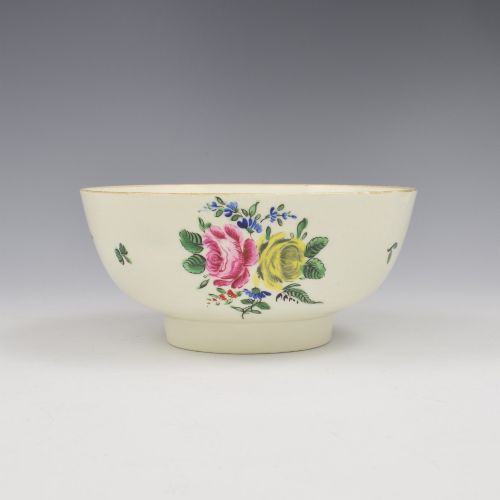
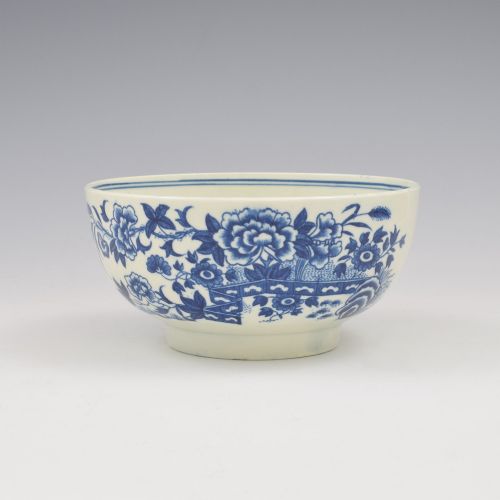
These large china bowl examples span centuries of porcelain and ironstone production, offering substantial scale and hand-painted artistry for daily display.
Large China Bowl
A large china bowl serves as a striking decorative centrepiece or a functional vessel, taking forms such as deep punch bowls, pedestal bowls, and slop bowls. The examples available here encompass diverse origins, stretching from eighteenth-century English soft-paste porcelain to nineteenth-century ironstone and Chinese export ware.
Buyers frequently encounter robust ironstone vessels featuring intricate transfer-printed and hand-coloured patterns alongside delicate porcelain items decorated with floral motifs or gilt accents. These objects reflect both domestic dining traditions and global trade histories, preserving techniques from the Georgian era through to the twentieth century.
Materials and construction methods
Potters shaped these vessels using traditional pastes, utilising soft-paste porcelain for eighteenth-century pieces and dense ironstone for durable nineteenth-century pedestal forms. Artisans then applied underglaze pigments and rich overglaze enamels to build up complex pictorial scenes.
Many items incorporate hand-applied gold leaf or gilt details to highlight scalloped edges and moulded rims. Kiln firing fixed the vitrified glazes, ensuring the permanent adhesion of detailed Chinoiserie, Imari, and rose medallion palettes.
Large China Bowl Retail Price Guide 2026
Typical asking prices for large china bowl among the pieces listed under this phrase on Sellingantiques today, from the lower quarter to the upper quarter. They describe what is for sale here now, not the wider market.
Listings feature items spanning the 18th Century, 19th Century, and 1930, constructed from porcelain, ironstone, and soft-paste porcelain.
Factors determining quality
The sophistication of the hand-painted brushwork dictates the artistic merit of each piece, distinguishing hurried factory production from meticulous artisan output. Crispness in the moulding of ironstone pedestals and the depth of translucent glazes further separate standard domestic wares from exceptional exhibition pieces.
The preservation of delicate overglaze enamels and original gold leaf gilding significantly impacts visual integrity. Consistency in the ceramic body without excessive kiln distortion points to superior manufacturing standards.
Dr Wall Worcester·Mason Ironstone·Spode·Doulton Burslem·Royal Worcester
The Large China Bowl Glossary
- Ironstone
- A dense, heavy semi-vitreous pottery developed to imitate porcelain while offering greater durability for everyday household use.
- Slop bowl
- A deep domestic vessel historically utilised at the tea table for draining tea dregs and spent leaves.
- Imari
- A decorative style inspired by Japanese export wares, typically employing a distinctive palette of iron red, cobalt blue, and gold.
- Soft-paste porcelain
- An artificial ceramic composition fired at lower temperatures than hard-paste porcelain, creating a warm, slightly creamy body.
- Overglaze enamel
- Pigments applied directly onto a previously fired and glazed ceramic surface before undergoing a secondary, lower-temperature kiln fix.
Large China Bowl: Frequently Asked Questions
What were large china bowl vessels used for originally?
These vessels served various domestic purposes, ranging from communal punch service at dining tables to tea preparation where slop bowls received discarded dregs. Larger basin forms also accommodated personal washing routines in bedrooms.
Over time, many of these robust pieces transitioned into purely decorative objects, displayed on sideboards or pedestals to showcase intricate hand-painted enamel patterns.
How do I distinguish ironstone from porcelain?
Ironstone presents as a heavy, opaque body with significant weight and a sturdy feel, designed specifically for everyday utility and durability. Porcelain tends to be lighter, possessing a finer structure and often exhibiting a degree of translucency when held to the light.
Examining the foot ring and unglazed areas helps clarify the ceramic type, as ironstone shows a dense, granular matrix while porcelain reveals a smooth, vitrified surface.
How should I display a large china bowl safely?
Place these substantial pieces on stable, level surfaces away from heavy foot traffic to prevent accidental knocks or vibrations. Ensure the supporting furniture can adequately bear the combined weight of the ceramic and any decorative contents.
Avoid positioning antique porcelain or ironstone in direct, continuous sunlight to protect vulnerable overglaze enamels and delicate gold leaf gilding from fading.
How do I identify a Victorian piece from an eighteenth-century one?
Eighteenth-century examples frequently utilise soft-paste porcelain bodies with hand-painted floral or Worcester fence patterns, reflecting earlier ceramic chemistry. Victorian items often employ heavy ironstone or feature transfer-printed Japanese Imari and Chinoiserie motifs suited to industrial production.
Maker marks, glaze characteristics, and stylistic shifts toward Aesthetic Movement or ornate pedestal designs provide further chronological indicators.