

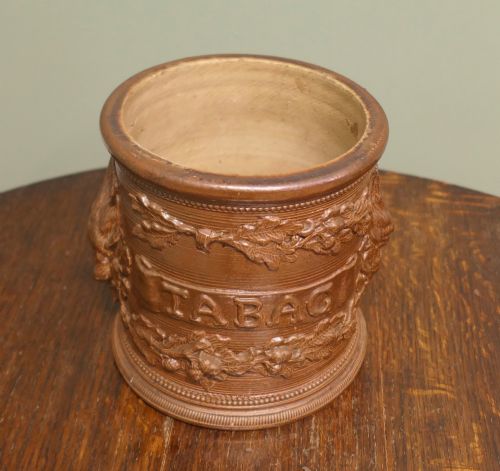

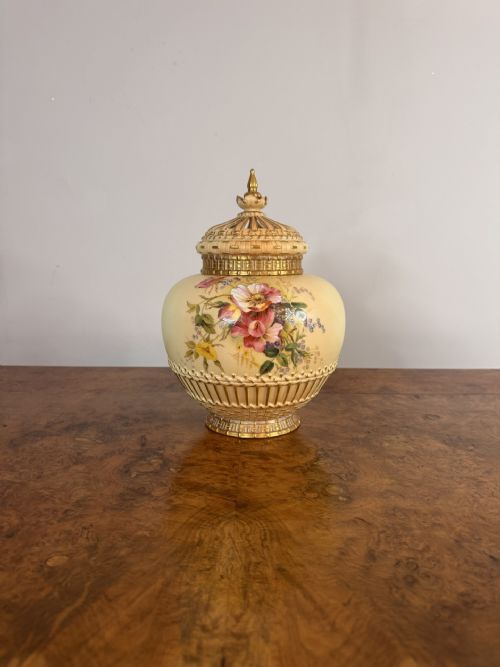


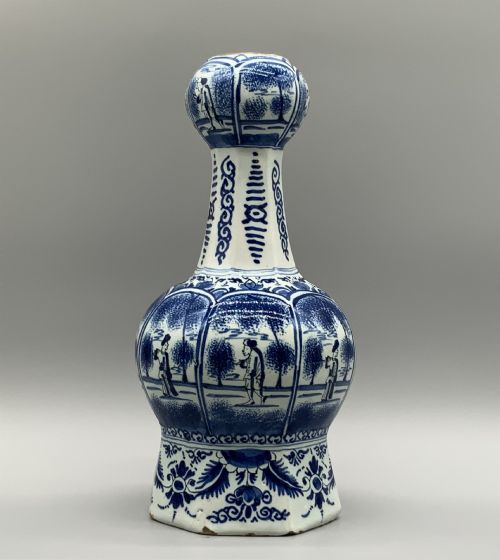

Large Ceramic Jar
These large ceramic jar examples range from monumental floor vases to apothecary vessels, chosen for scale, presence and decorative history.
Large Ceramic Jar
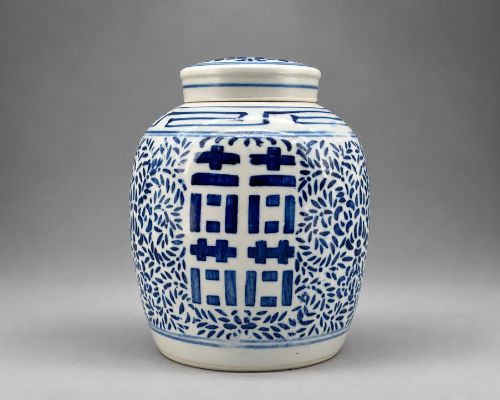
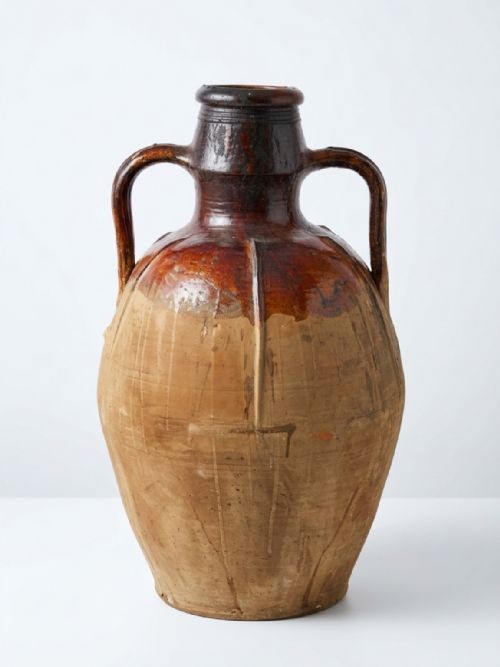
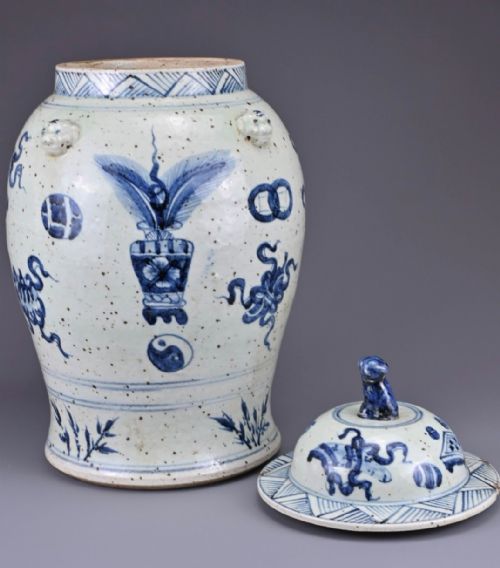
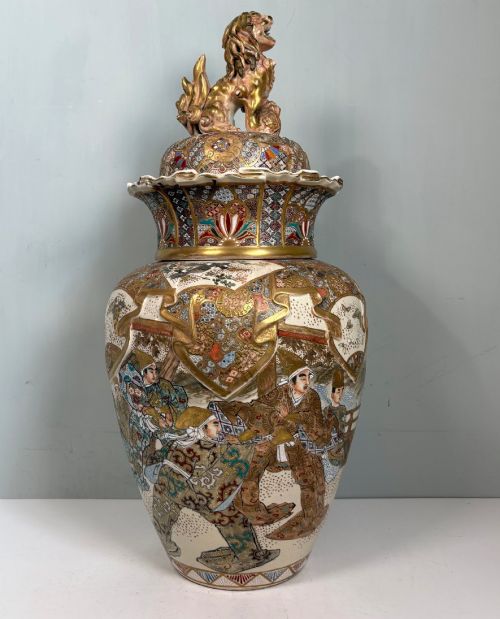
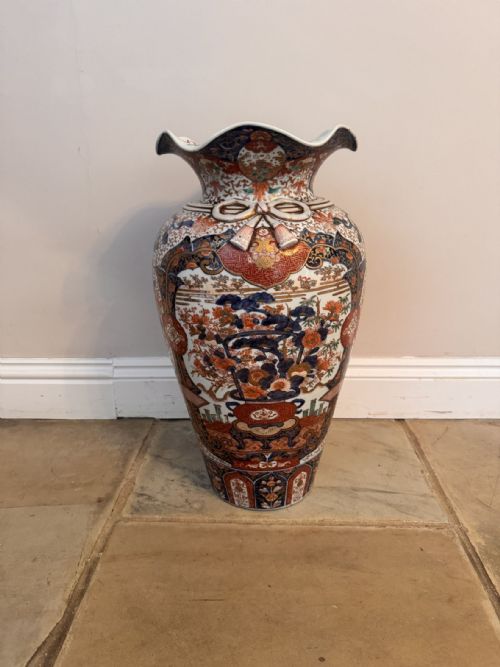
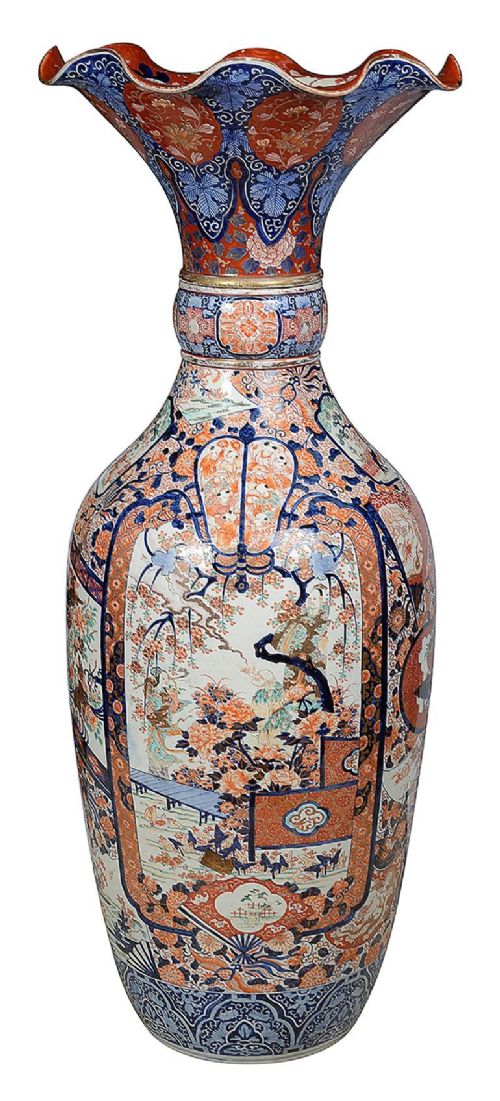
A large ceramic jar serves as a striking focal point in any interior, drawing the eye through sheer scale and decorative ambition. When exploring this selection, buyers encounter everything from nineteenth-century Japanese Imari floor vases and Chinese blue and white vessels to robust Mediterranean terracotta oil jars and Italian majolica pharmacy drug jars.
The category encompasses diverse utilitarian and decorative forms, including lidded ginger jars, bulbous amphorae, and tall bottle vases. Pieces originate from various traditions, spanning European earthenware and porcelain alongside East Asian ceramic artistry.
How They Were Made
Potters utilised traditional throwing and moulding techniques to shape dense earthenware, terracotta, porcelain, and ironstone into robust vessels. Surface decoration frequently involved hand-painted cobalt blue underglaze, enamel pigments, and applied gilding or gold leaf.
Many items underwent high-temperature kiln firing to fix intricate glazes, ranging from clear tin opacifications on faience to rich celadon and mazarine blue finishes. Larger floor-standing pieces often required multi-section construction before final assembly and glazing.
Large Ceramic Jar Retail Price Guide 2026
Typical asking prices for large ceramic jar among the pieces listed under this phrase on Sellingantiques today, from the lower quarter to the upper quarter. They describe what is for sale here now, not the wider market.
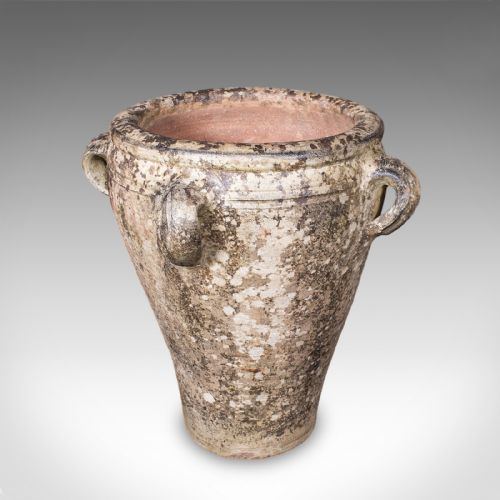
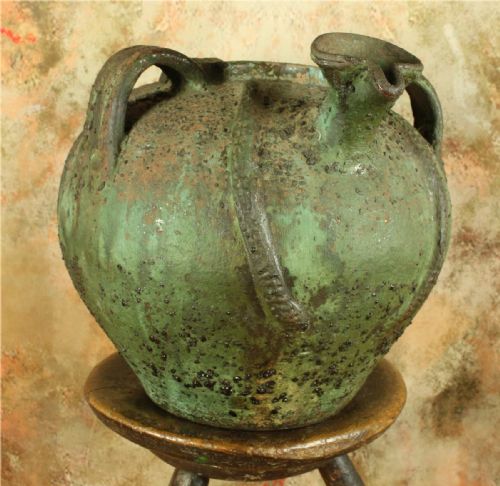
Several large olive jars retain aged patinas and multiple handles, once gripped by generations of Mediterranean merchants.
What Varies in Quality
The distinction between standard production and exceptional examples lies in the execution of hand-painted detail and the crispness of the underglaze decoration. Superior pieces display masterly brushwork, balanced proportions, and well-preserved surface gilding or enamel saturation.
Structural harmony also dictates value, particularly in large multi-part lidded vessels and floor vases where symmetry and glaze stability during firing denote superior workshop capability.
Kizan·Makuzu Kozan·Kinkozan·Sitzendorf·Masons
The Large Ceramic Jar Glossary
- Albarello
- A type of majolica earthenware jar used in pharmacies for storing ointments and dry drugs, typically featuring an hourglass silhouette that allowed pharmacists to grip them easily while stacked on shelves.
- Imari
- A style of Japanese export porcelain decorated in underglaze blue, iron red, and gold, highly prized by European collectors for its vibrant palette and complex patterning.
- Faience
- European tin-glazed earthenware, similar to delftware, noted for its opaque white background which served as a canvas for painted enamel decoration.
- Celadon
- A term for ceramics denoting both a pale green jade-like glaze and the wares themselves, originating in China and achieving its characteristic hue through iron oxides in the reduction kiln atmosphere.
- Amphora
- A two-handled jar with a narrow neck used traditionally in the ancient Mediterranean for the transport and storage of oil or wine, later inspiring decorative nineteenth-century terracotta garden and floor vessels.
Large Ceramic Jar: Frequently Asked Questions
How were large ceramic jars used historically?
Many large vessels served utilitarian purposes such as storing oil, wine, or dry goods in Mediterranean and European households, while others functioned as pharmacy drug jars for apothecaries.
Over time, grander porcelain and earthenware examples evolved purely for decorative display in palaces, grand houses, and formal reception rooms.
Where should I place a floor vase?
Floor-standing vases and monumental jars command significant visual weight, making them ideal for empty corners, entrance halls, or flanking architectural fireplaces.
They function best when given adequate surrounding space to showcase their painted motifs and substantial scale without crowding other furniture.
How do I care for antique terracotta and pottery?
Antique ceramics and porous terracotta require gentle dusting with a dry microfibre cloth and protection from sudden moisture changes.
If utilised to hold dried botanicals or florals, inserting a separate inner vessel prevents water damage to historic bodies and interior glazes.
How can I tell the difference between Chinese and Japanese styles?
Chinese ceramics frequently feature deep cobalt blue underglaze painting, celadon glazes, and symbolic motifs such as lotus blossoms or dragons reflecting dynastic traditions.
Japanese export wares, particularly Imari and Satsuma types, often incorporate dense brocade patterns alongside iron red and gold leaf highlights.