



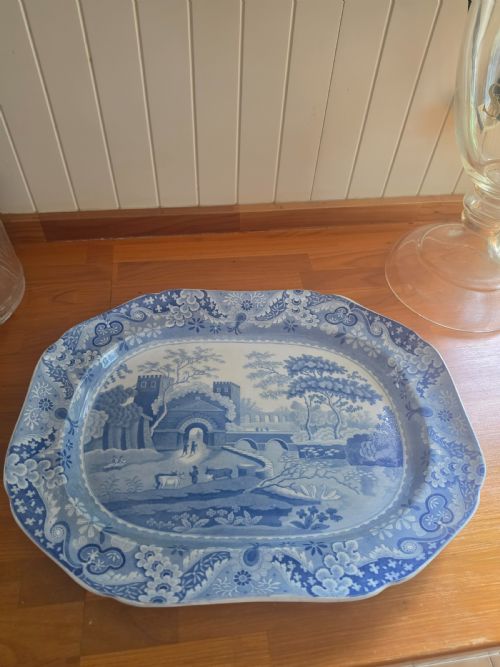
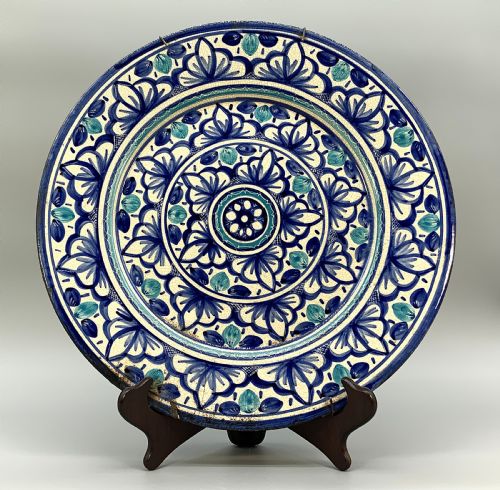
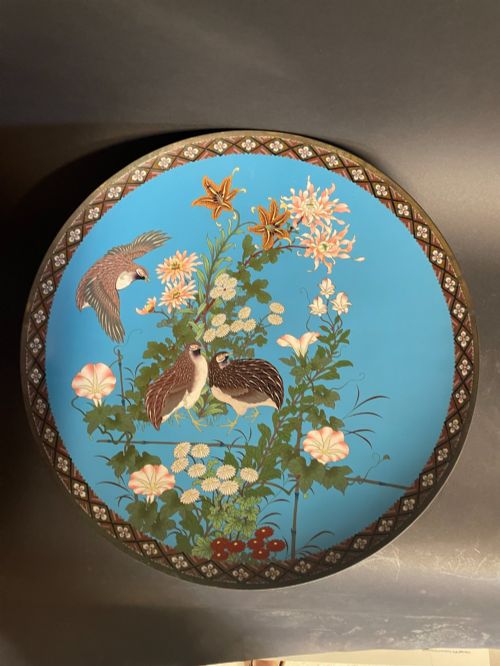
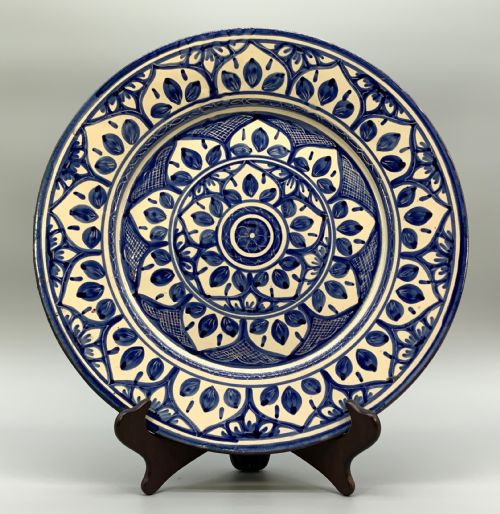

Large Ceramic Charger
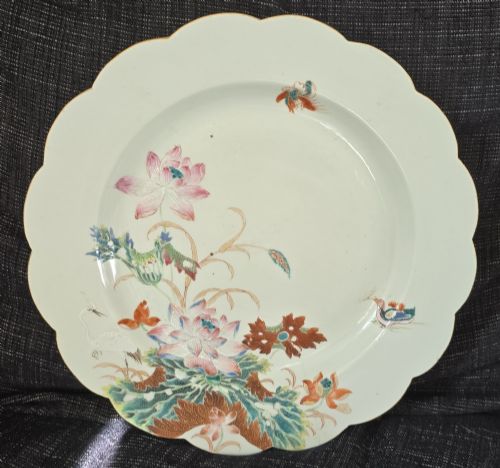
A large ceramic charger offers broad circular surfaces painted with intricate scenes, filling walls and tables with historic artistry.
Large Ceramic Charger
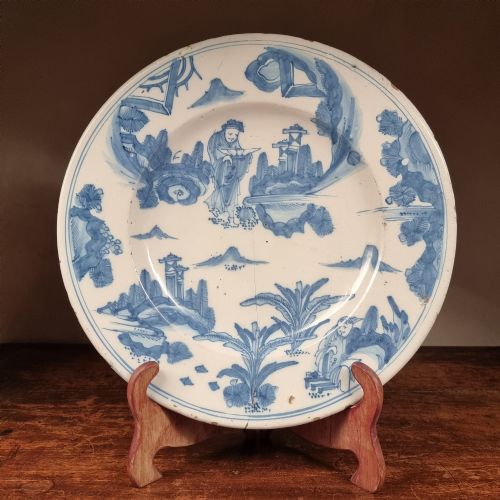
A large ceramic charger functions as a wide display dish or shallow basin, measuring substantially more than standard dining plates. These pieces appear in porcelain, earthenware, and tin-glazed varieties across centuries of production.
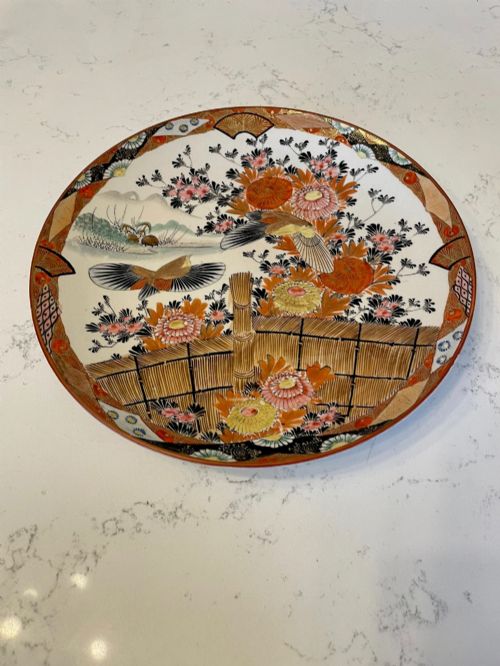
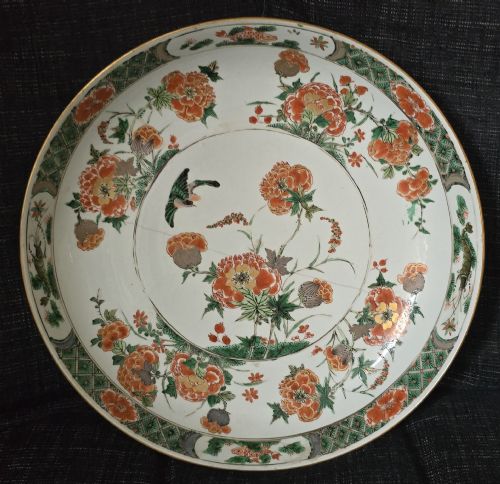
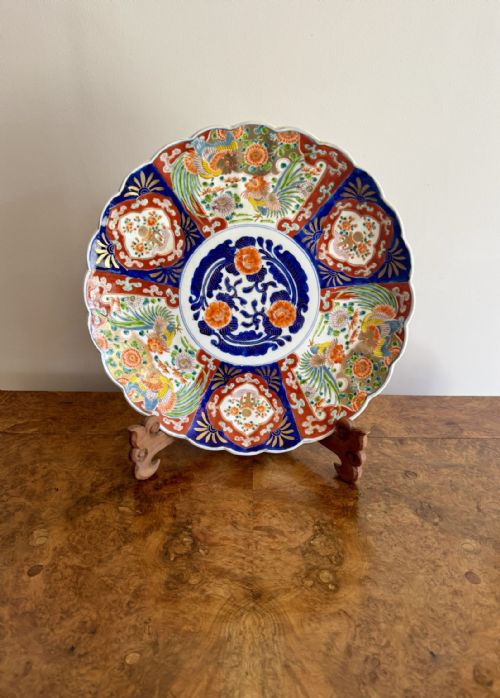
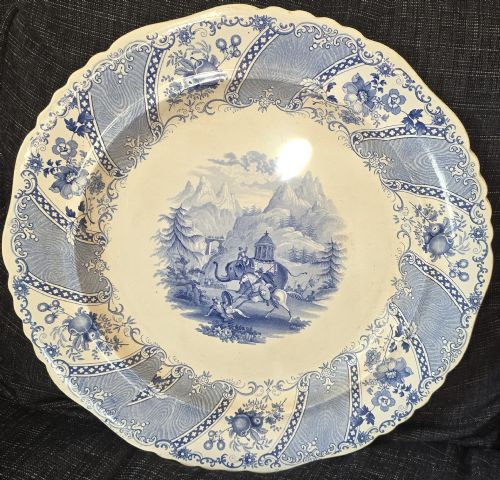
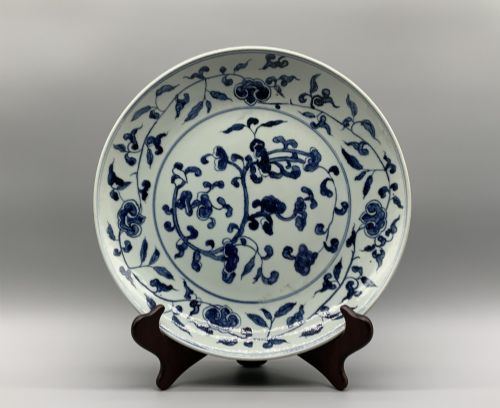
The selections on this page span from seventeenth-century Chinese export wares and Dutch delftware to nineteenth-century Japanese imari and European transferware. Japanese imari patterns and Chinese blue and white porcelains dominate the available forms.
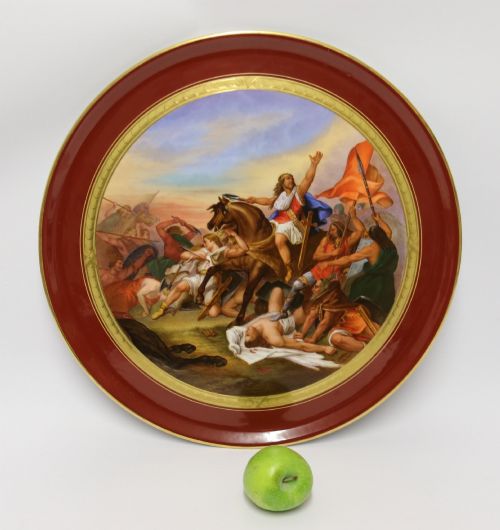
Makers shaped these items for decorative wall display or grand table service rather than everyday meals. Collectors encounter circular, scalloped, and square formats carrying hand-painted motifs or transfer-printed historical narratives.
How they were made
Potters shaped porcelain and earthenware bodies on wheels or pressed clay into moulds to achieve wide, stable bases capable of supporting heavy painted programmes. Artisans then applied tin glazes, clear coatings, or white grounds to receive pigments.
Decorators utilised underglaze cobalt blue, overglaze enamels, and gold leaf, firing the pieces multiple times to fix complex polychrome designs. Transferware methods pressed engraved paper patterns onto moist clay surfaces before glazing and kiln firing.
Specialised techniques like moriage built up raised paste details on Japanese satsuma bodies, while cloisonne works fused enamel pastes within metal wire partitions across ceramic or metallic substrates.
Motifs across the available pieces range from Japanese seven lucky gods to European historical battle scenes.
What varies in quality
The precision and fluidity of hand-painted brushwork separate ordinary production wares from exceptional studio and kiln outputs. Master painters executed intricate figures, foliage, and heraldic scenes with controlled lines and deep tonal variation.
Kiln stability during high-temperature firing determines structural integrity, where superior pieces maintain flat rims and smooth glazes free from excessive warping or surface pitting. The richness of cobalt blues and the brilliance of layered overglaze enamels reflect the purity of the raw minerals used.
Signatures by recognised artists or master potteries elevate specific examples, as do crisp relief moulding and well-preserved gilding that withstands centuries of handling.
William Smith And Co·Clement Messier
The Large Ceramic Charger Glossary
- Charger
- A large decorative plate or shallow basin traditionally used for ceremonial service or wall display rather than individual dining. These wide surfaces provide expansive canvases for elaborate pictorial decoration.
- Imari
- A style of Japanese porcelain featuring deep underglaze blue, iron red, and supplementary gold pigments. The palette originated in Arita and gained immense popularity across European export markets.
- Tin-Glazed Earthenware
- Pottery coated with an opaque white glaze containing tin oxide, creating a smooth surface for painted decoration. Examples include delftware, maiolica, and faience.
- Transferware
- Ceramic pieces decorated by applying a printed paper design from an engraved copper plate onto the bisque or glazed body. This industrial technique allowed detailed narrative scenes to be replicated consistently.
- Famille Rose
- A Chinese porcelain palette characterised by opaque pink or rose enamel colours introduced during the Qing dynasty. The style includes delicate floral compositions and figural court scenes.
Large Ceramic Charger: Frequently Asked Questions
How were large ceramic chargers displayed historically?
Historic interiors featured these wide dishes mounted on walls using wire hangers or stood upright on sideboards and buffets. Wealthy households utilised them to anchor formal room displays and demonstrate refined taste.
Today, modern collectors employ similar wall-mounting systems or sturdy plate stands to showcase the expansive painted centres safely.
Can these antique chargers still hold food?
Historic glazes often contain lead or other materials unsuitable for modern acidic foods and daily consumption. Age-related hairline cracks and crazing also harbour moisture and bacteria.
Display remains the primary purpose for these historic objects rather than practical dining use.
How do I distinguish Japanese Imari from Chinese porcelain?
Japanese imari typically exhibits a denser, greyer body with thicker iron-red and gilt highlights layered over dark underglaze blue. Chinese blue and white wares generally showcase finer cobalt shading beneath a clearer, whiter glaze.
Examining the foot rim and weight helps clarify the specific ceramic tradition.
What causes crazing on tin-glazed earthenware?
Crazing appears as a fine network of microscopic cracks in the surface glaze caused by differing contraction rates between the clay body and the glass coating over time. Environmental temperature shifts accelerate this natural ageing process.
Stable indoor humidity helps preserve pieces that exhibit extensive surface crazing.