

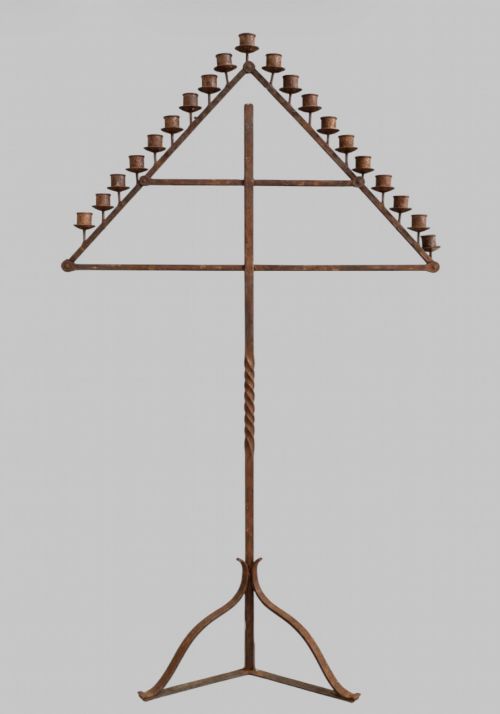


Large Candle Stand
A large candle stand brings vertical presence and ambient height to a room, drawing the eye upward with historic metal or carved timber.
Large Candle Stand
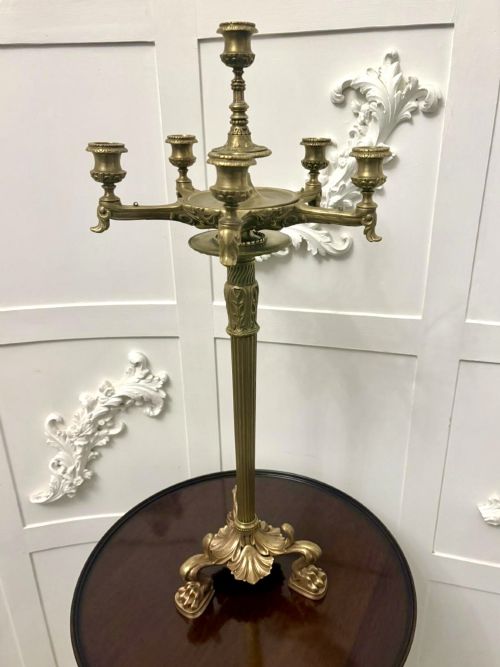
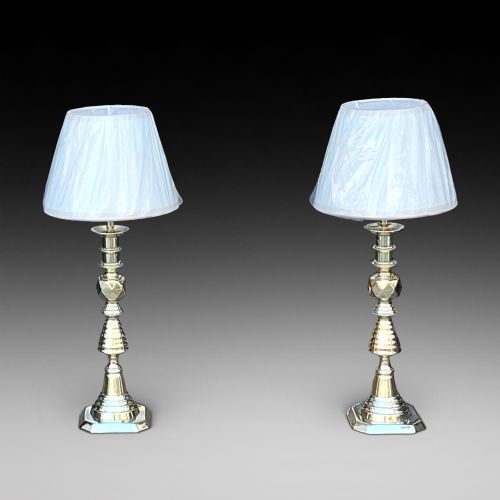
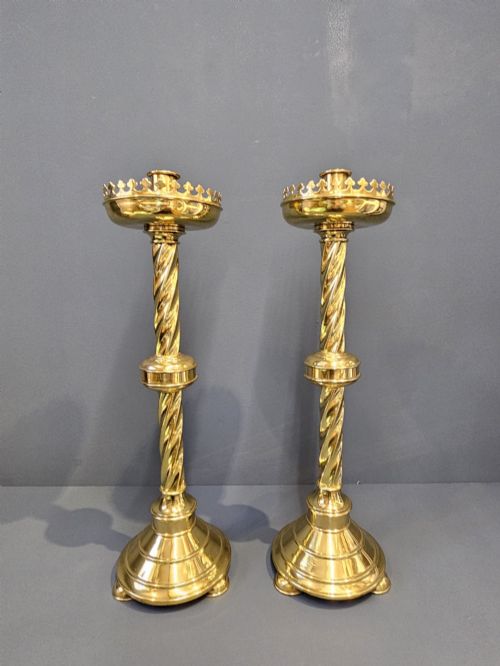
A large candle stand takes several distinct forms across domestic and ecclesiastical settings, appearing as tall floor-standing columns, heavy altar sticks, and substantial table pairs. When you search for a large candle stand, you meet objects spanning from the eighteenth century through to the early twentieth century, with Victorian brass examples and Amsterdam School designs appearing frequently.
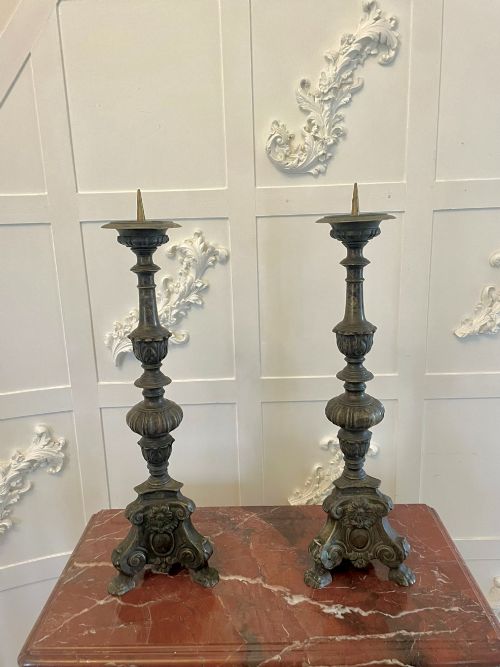
The materials range from cast and spun brass to wrought iron, copper, giltwood, and carved wood. Many pieces derive from church or ceremonial use, including pricket candlesticks designed with a central spike to hold large wax blocks, alongside multi-light candelabra and architectural torchère pedestals.
How they were made
Makers utilised durable metals such as brass, bronze, copper, and iron, often combining them through casting, forging, and hand-engraving. Brass columns and bases were frequently cast in sections and threaded together, while iron versions relied on forging and riveting for structural strength.
Wooden examples involve carved timber, gesso application, silver leaf, and polychrome painted finishes. Artisans shaped structural elements by hand, incorporating decorative elements like Corinthian capitals or turned shafts.
Large Candle Stand Retail Price Guide 2026
Typical asking prices for large candle stand among the pieces listed under this phrase on Sellingantiques today, from the lower quarter to the upper quarter. They describe what is for sale here now, not the wider market.
Listings feature brass, wrought iron, copper, giltwood, and carved wood across periods from the eighteenth century to the 1940s.
What varies in quality
Quality rests in the weight of the metal, the crispness of the casting or carving, and the integrity of the construction. Superior examples show deep, clean chasing on brass and bronze, or precise detailing on carved wooden giltwood surfaces, rather than soft or rubbed decoration.
The balance between height and base stability distinguishes finer stands. Well-proportioned pieces use heavy, weighted bases to support tall stems safely, while lesser examples may feel top-heavy or rely on later replacements for original components.
The Large Candle Stand Glossary
- Pricket candlestick
- A candle holder featuring an upright metal spike upon which a wax candle is impaled. This form appears frequently in ecclesiastical and older domestic lighting.
- Torchiere
- A tall stand designed to support a light source, often taking the form of a carved wooden pedestal or an elaborate metal column. These pieces provide elevated illumination in a room.
- Candelabra
- A branched candlestick holding multiple lights on separate arms. They range from small tabletop versions to large floor-standing architectural pieces.
- Giltwood
- Wood that has been treated with a thin layer of gold leaf or gold paint. It appears on decorative Italian and French candle holders from the nineteenth century.
- Corinthian column
- A classical architectural column style featuring ornate acanthus leaves on the capital. This design motif ornaments several nineteenth-century metal and wooden candle stands.
Large Candle Stand: Frequently Asked Questions
Where were large candle stands used historically?
These tall stands served functional and ceremonial roles in both churches and grand domestic interiors. Many ecclesiastical pieces lit altars, while floor-standing torchères illuminated dark hallways and reception rooms before the advent of electricity.
Domestic versions also occupied reception tables and sideboards, providing ambient lighting during evening gatherings.
How do I care for a brass candle stand?
Historic brass benefits from gentle dusting and occasional cleaning with a soft cloth to maintain its aged patina. Avoid harsh chemical polishes that strip away centuries of oxidation and historic character.
For pieces with wax residue, warm water applied carefully helps remove soft wax without scratching the underlying metal surface.
Can these stands support modern candles?
Many historic stands accommodate modern candles, though pricket styles require candles with a soft base that can accept the spike. Socket-style candlesticks may need small adapters if modern candle diameters differ from nineteenth-century sizing standards.
Checking the dimensions of the cup or spike ensures a secure fit before lighting.