

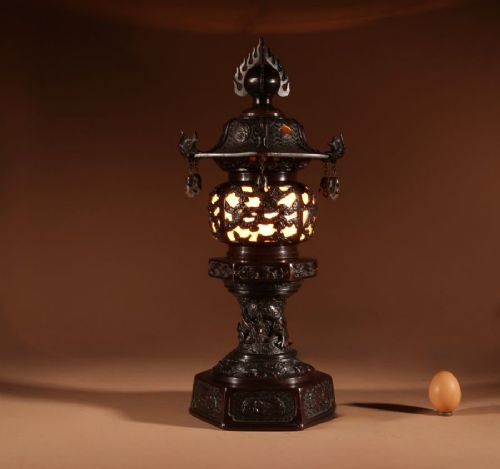


Large Bronze Lantern
A large bronze lantern brings historic weight and ambient illumination to high ceilings and generous entryways.
Large Bronze Lantern
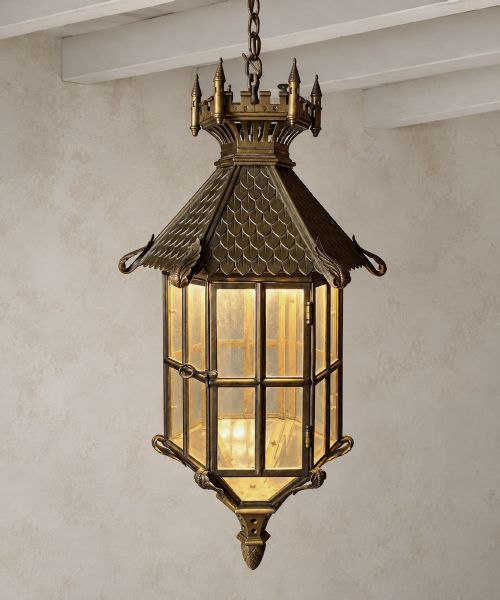
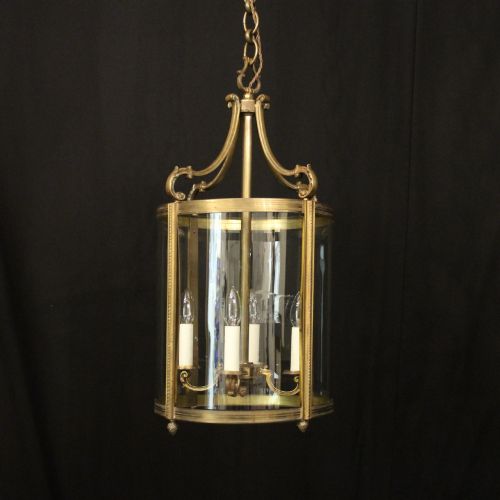
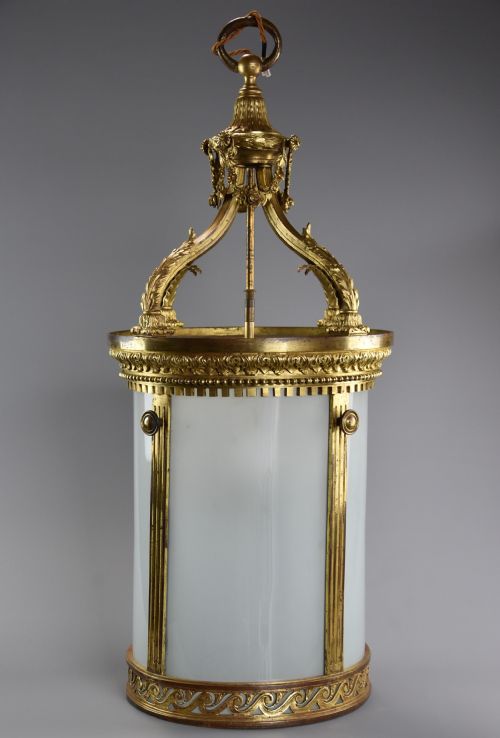
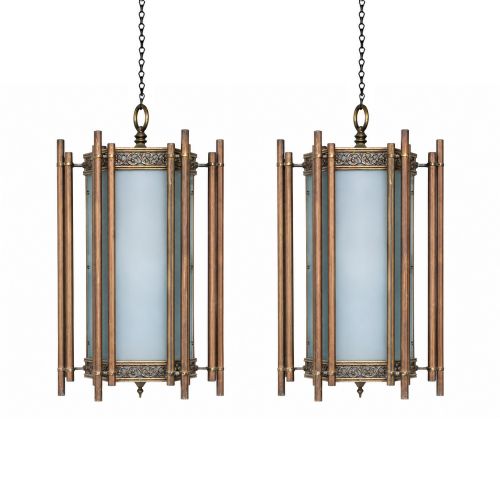
A large bronze lantern serves as a commanding architectural focal point for halls, stairwells, and principal reception rooms. When searching for a large bronze lantern, buyers encounter substantial hanging fixtures, ceiling lights, and wall lights spanning the nineteenth century through the art deco era. French workshops dominate the available selection, producing ornate gilded creations alongside geometric American and Japanese examples.
The architectural forms range from cylindrical hall lanterns and convex glass designs to multi-light temple pieces and coaching lanterns. Victorian gothic influences and french rococo revival styles appear frequently across the periods, incorporating candle sockets or electrical conversions. These heavy metal and glass fixtures define substantial vertical spaces with period presence.
Materials and Technique
Metalworkers construct these fixtures primarily from cast bronze, brass, and wrought iron, often applying layers of gold leaf or gilt finish to the metal surfaces. Gilded bronze components combine with clear, curved, or frosted glass panels to enclose the internal light source. Structural frames utilise heavy soldering and mechanical joints to support the considerable weight of the metal and glass assembly.
Decorative detailing relies on chased surface patterns, applied cast ornaments, and shaped metal strapwork fixed around glass panes. Craftspeople shape convex and stained glass elements to fit precise channels within the metal framework, securing them with traditional glazing techniques. Finish treatments range from polished or verdigried bronze patinas to applied silver and gold gilding.
Large Bronze Lantern Retail Price Guide 2026
Typical asking prices for large bronze lantern among the pieces listed under this phrase on Sellingantiques today, from the lower quarter to the upper quarter. They describe what is for sale here now, not the wider market.
Several lanterns on record began their working lives lit by candles before passing through nineteenth-century carriage drives and twentieth-century electricity.
Assessing Craftsmanship
Quality differentiates by the crispness of the bronze casting and the depth of the chased surface enrichment. Superior examples display sharply defined ornamentation and substantial metal gauge thickness that resists flexing under tension. Inferior pieces rely on softer cast details and thinner sheet metals with minimal hand-finishing.
The integrity of the glass panels and the precision of their fit within the metal rebate indicate higher manufacturing standards. Hand-curved or bevelled glass panes demand advanced glazing skill compared to flat, simple panes held by basic clips. Original gilding and integrated multi-light internal clusters further separate standard production from exceptional examples.
The Large Bronze Lantern Glossary
- Convex glass
- Curved glass panels that project outward from the metal frame, expanding the visual volume of the lantern. This technique requires specialist glassblowing or bending methods.
- Ormolu
- Finely chased and gilt bronze ornament applied to decorative objects and lighting. The term derives from French describing ground gold applied to metal.
- Verdigris
- A green patina formed naturally on copper, brass, or bronze through atmospheric oxidation over decades. Collectors value stable verdigris for historical authenticity.
- Chasing
- The manual method of refining cast metal details using small punches and hammers. This post-casting technique sharpens surface patterns and textures.
Large Bronze Lantern: Frequently Asked Questions
Where should I hang a large bronze lantern?
These substantial fixtures suit high-ceilinged entrance halls, stairwells, and grand reception rooms where scale and weight match the architecture. They require secure ceiling joists or structural load-bearing points to support heavy bronze frames.
Position the fixture so the bottom clears foot traffic and opens sightlines from upper landings or adjacent rooms.
How are antique lanterns wired for modern electricity?
Many historical pieces retain or have received internal electrical conversions fitted within original candle tubes or central clusters. Rewiring respects the historic metalwork by routing modern flex through existing channels without altering structural bronze elements.
Professional electricians inspect older lampholders and ground the metal frames to meet current safety standards while preserving external appearance.
How do I clean bronze and glass?
Dust bronze surfaces gently with a dry, soft cloth to protect patinas and delicate gilding from abrasion. Avoid commercial chemical cleaners that strip historical finishes.
Clean glass panels using standard glass cleaner applied to a cloth rather than sprayed directly onto the fixture, preventing liquid from seeping into metal joints or electrical components.
How do I identify the period of a lantern?
Dating relies on stylistic markers such as art deco geometric lines, victorian gothic tracery, or french rococo scrolling. Construction methods, including the type of screw threads, casting seams, and glass characteristics, provide further chronological clues.
Comparing the decorative motifs against documented nineteenth and early twentieth-century design repertoires confirms the manufacturing era.