
French Style Glass Light
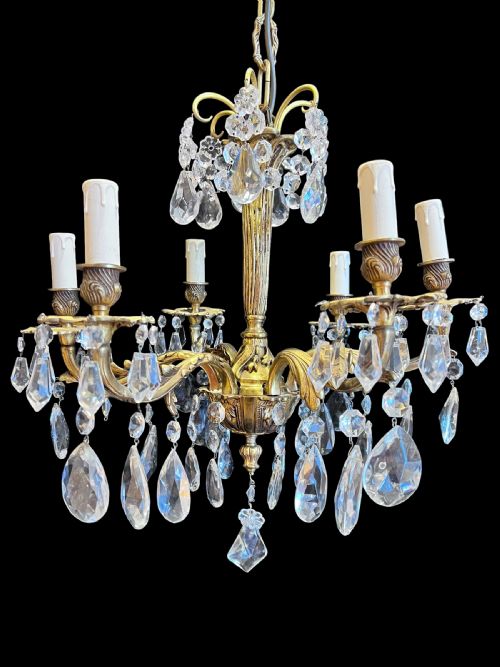
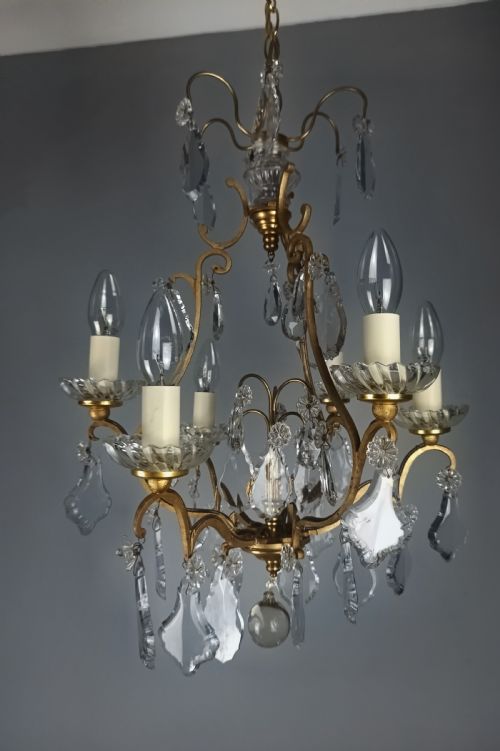
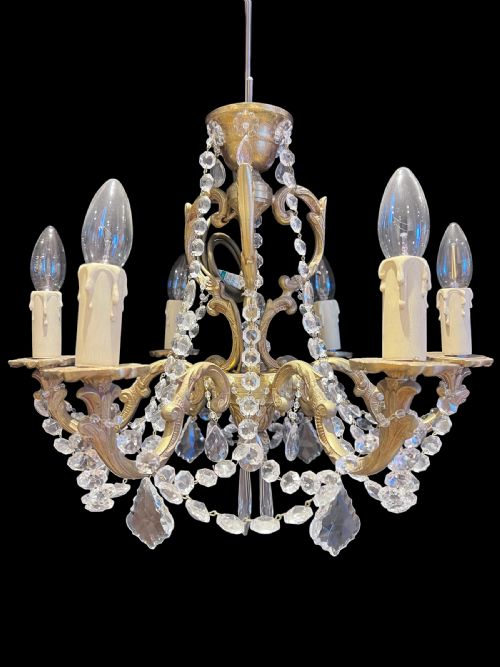
These French style glass light fixtures bring crystal, brass and gilt bronze elegance to any interior.
French Style Glass Light
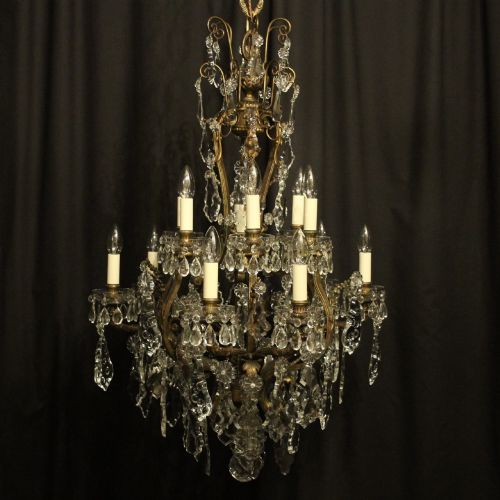
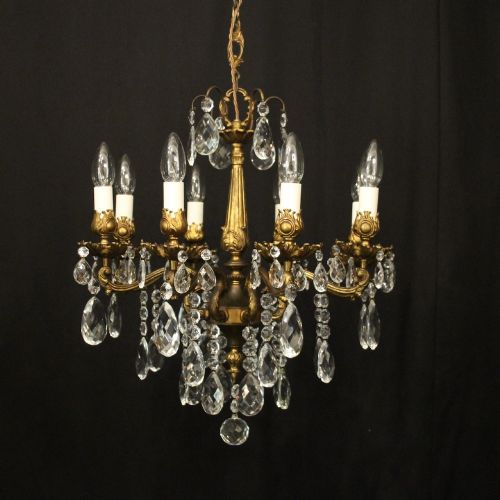
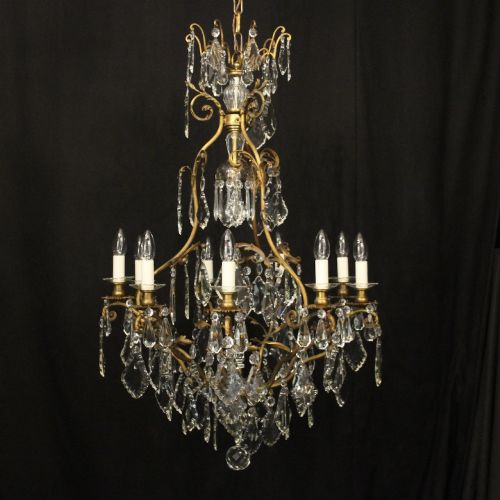
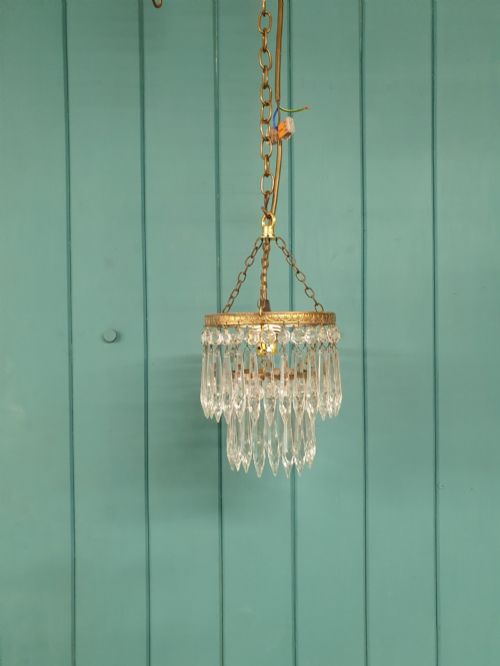
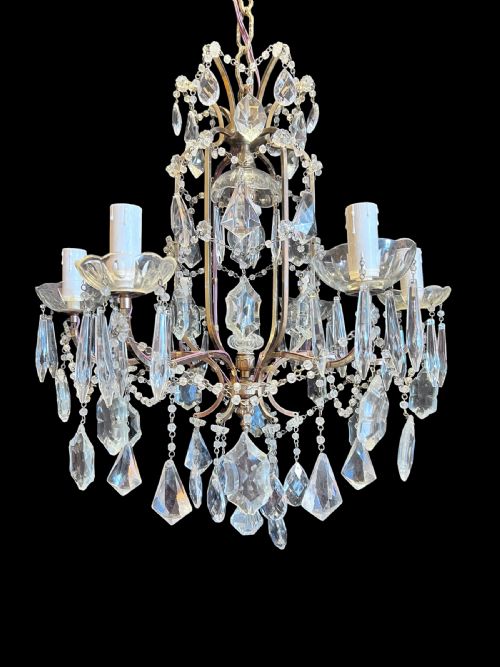
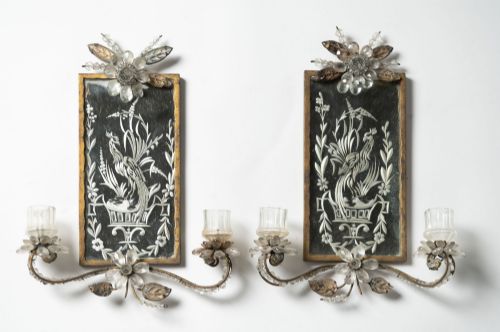
A french style glass light encompasses chandeliers, wall lights, ceiling lights, table lamps and hall lanterns originating across the nineteenth and early twentieth centuries. Buyers seeking these pieces encounter ornate variations spanning French Chateau, Empire, Rococo and Neoclassical styles.
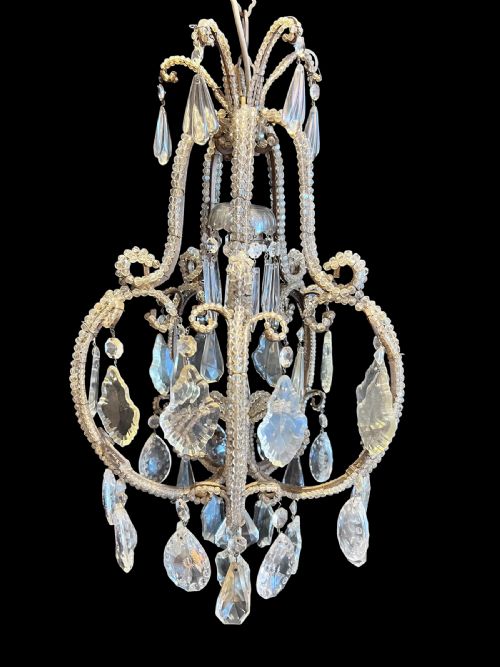
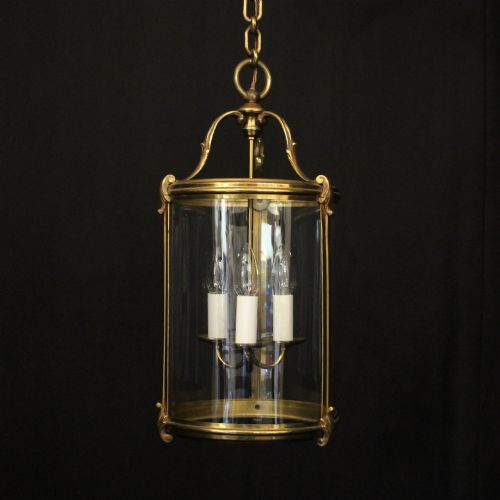
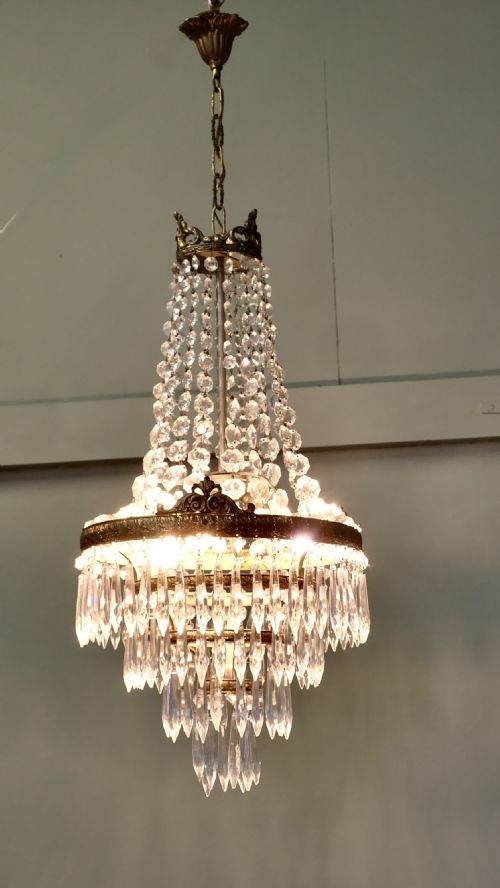
The most common examples on this page are multi-light chandeliers and convex or tapered hall lanterns dating from the Edwardian era through the nineteen-thirties. These fixtures utilise brass, gilt bronze and cut crystal to create formal illumination.
Materials and Construction
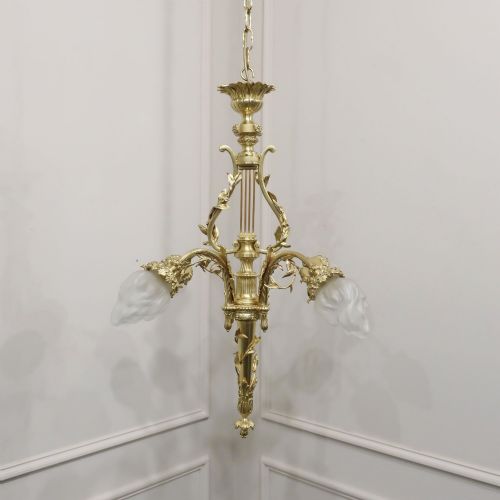
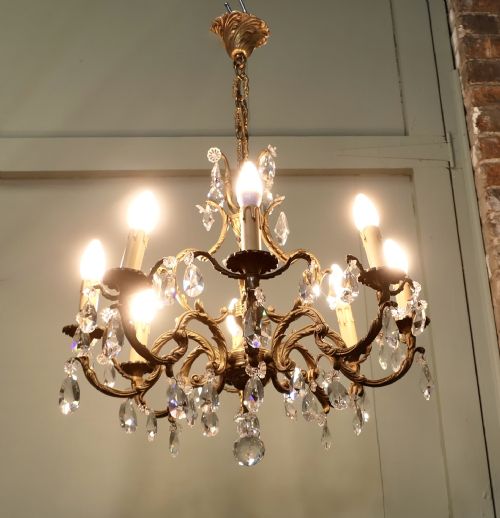
Metalwork forms the structural backbone of these pieces, employing cast brass, gilt bronze, ormolu and wrought iron to support intricate armatures and mounts. Artisans shaped these metals into neoclassical lyres, flaming torches, or rococo scrolls.
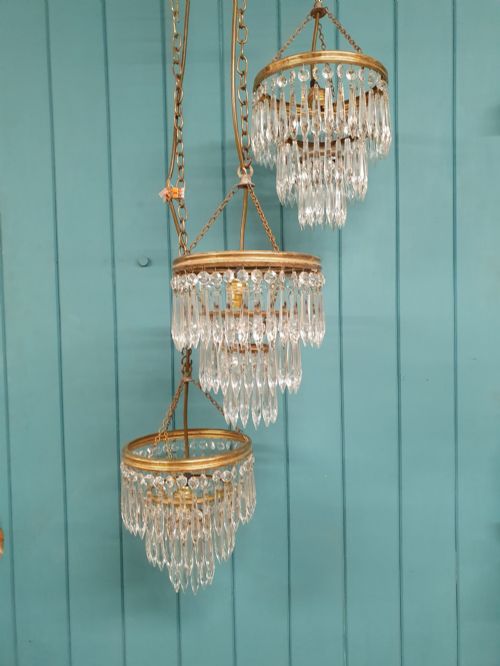
Glass and crystal components provide the refractive quality, featuring hand-cut drops, beads, lustres, tents and waterfalls suspended from the metal frames. Selected lamps incorporate opalescent or mottled glass shades characteristic of Art Deco production.
The listings span the nineteenth century up to the nineteen-thirties, featuring brass, crystal and gilt bronze.
Assessing Quality
Quality in these fixtures rests upon the crispness of the metal casting and the depth of the gilding or patination on the brass and bronze. Superior examples display sharply chased detailing on mounts and lion masks rather than soft, mass-produced edges.
The degree of hand-cutting on the crystal elements and the complexity of the drop arrangements determine the upper tier of the range. Tighter wirework connections and heavier gauge brass frames separate high-grade output from simpler production.
Maison Baguès·Charles Schneider·Lacroix·Lalique
The French Style Glass Light Glossary
- Ormolu
- Gilded bronze produced by applying a mercury-gilt amalgamation to a cast bronze base. This technique yields a deep, enduring metallic sheen seen on neoclassical mounts.
- Tent and waterfall
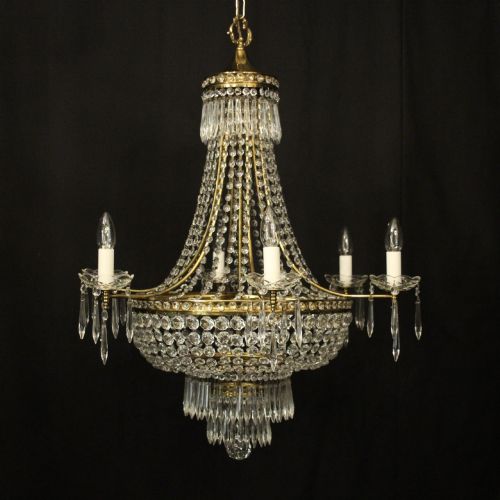
- A lighting configuration where strings of crystal beads form an upper canopy resembling a tent, cascading down over the central frame.
- Lustre
- A cut glass or crystal pendant hung from the arms or crown of a chandelier to refract light. They catch and disperse illumination across the room.
- Bag chandelier
- A light fixture featuring a flattened or rounded base bag constructed from interlocking crystal beads. These compact designs became popular during the Edwardian period.
French Style Glass Light: Frequently Asked Questions
How do I clean a crystal chandelier?
Maintenance involves wiping individual glass drops with a mild soapy solution and a soft cloth while supporting the pendant by hand.
Avoid using harsh chemical sprays that might damage the surrounding brass or gilt bronze armature.
Were these lights originally electrified?
Most pieces from the nineteenth and early twentieth centuries were adapted from gas or candle power to modern electricity. Conversion methods varied depending on when the wiring was updated.
Professional inspection of older internal wiring is recommended before installation.
How do I identify an Empire style light?
Empire style pieces draw on classical Roman and Greek motifs, featuring strict symmetry, laurel wreaths, and gilded bronze mounts. They often incorporate tent and waterfall crystal configurations.
These designs project an architectural formality distinct from the asymmetrical curves of Rococo pieces.
Where should a hall lantern be hung?
Hall lanterns work best in entranceways, corridors or stairwells with sufficient vertical clearance to display the glass panels and metal frame. Convex and tapered shapes suit narrow spaces by projecting light outward.
Ceiling height dictates whether a flush mount or a suspended chain lantern is appropriate.