



Large Bronze Bird
These large bronze bird pieces are substantial animal sculptures and vessels originating across nineteenth and twentieth century periods, prized for bringing character and presence to interior spaces.
Large Bronze Bird
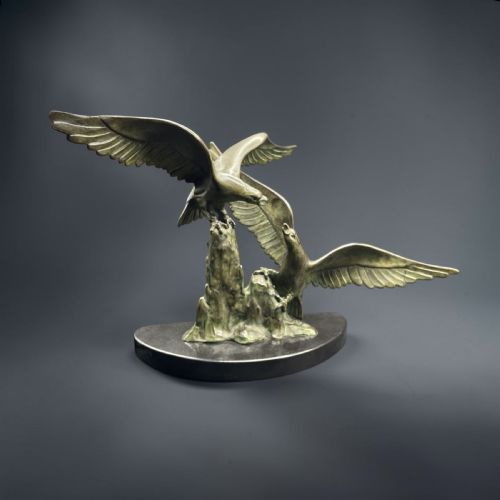
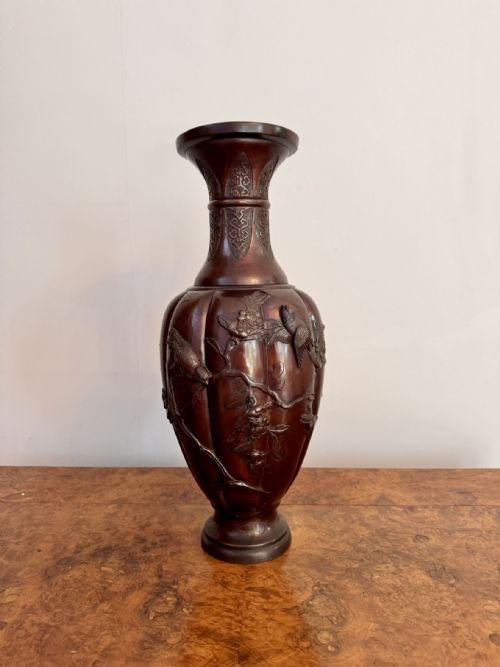
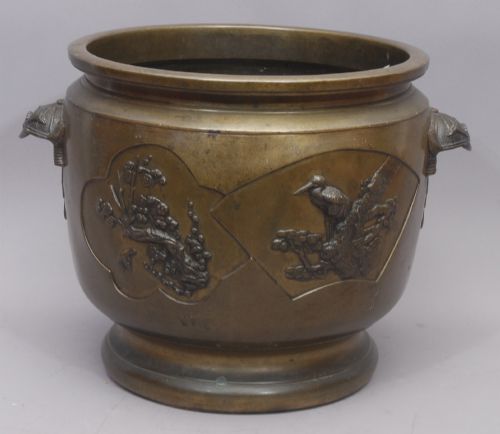
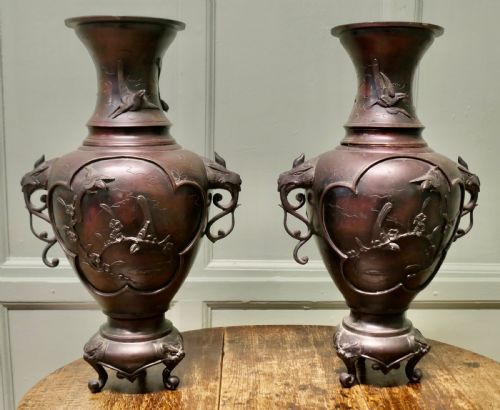
A large bronze bird search uncovers a diverse array of animal sculptures, vessels, and decorative objects created across the nineteenth and twentieth centuries. Buyers encounter realistic cranes, geese, eagles, and mythical phoenix figures, alongside decorative containers adorned with avian motifs.
Japanese Meiji period and Chinese imperial works dominate the available selection, often appearing as monumental pairs of vases, planters, or freestanding statues. European pieces also surface, including French art deco lamps and detailed desk accessories from earlier decades.
The objects serve multiple interior functions, functioning as garden statuary, centrepieces, floor urns, and sculptural focal points. Their physical weight and scale demand considered placement within a room to command proper attention.
Materials and construction methods
The primary material across the selection is cast metal, predominantly bronze, alongside patinated bronze, brass, copper, and cast spelter. Makers utilised traditional casting techniques to achieve both smooth vessel surfaces and highly textured feather details.
Surface finish is frequently enhanced through patination, cold painting, or integrated cloisonne enamel work, adding distinct colour and pattern to the metallic bodies. Some sculptural figures incorporate organic elements such as root wood bases to support the heavy metal compositions.
Large Bronze Bird Retail Price Guide 2026
Typical asking prices for large bronze bird among the pieces listed under this phrase on Sellingantiques today, from the lower quarter to the upper quarter. They describe what is for sale here now, not the wider market.
The documented periods span from the Edo period and 19th century through to 1930, including Victorian and Art Deco styles.
Assessing quality and craftsmanship
Quality separates through the crispness of the casting and the sensitivity of the sculptural detail visible in the feathers, talons, and facial expressions. Superior examples display meticulous hand-finishing and deliberate patination that brings depth to the metallic surface.
Scale and weight dictate much of the presence, with heavier, monumental pairs and signed works commanding greater artistic interest. The integrity of integrated decorative elements, such as enamel work or carved wooden bases, further distinguishes finer pieces from standard production.
Gyoko
The Large Bronze Bird Glossary
- Meiji Period
- A Japanese historical era lasting from 1868 to 1912, noted for exceptional metalwork and bronze production. Pieces from this time often exhibit highly detailed naturalistic animal forms.
- Cloisonne Enamel
- A technique where metal compartments are soldered to a base and filled with vitreous enamel paste before firing. This method creates colourful decorative patterns on vases and avian sculptures.
- Jardiniere
- A large decorative pot or planter designed to hold growing plants or floral displays. These heavy receptacles frequently feature cast bronze bird and botanical motifs.
- Spelter
- An alloy of zinc and lead used as a cheaper alternative to bronze in decorative metalware. It is lighter in weight and commonly found in European sculptural castings.
- Patinated Bronze
- Metalwork treated with chemical solutions to produce a specific surface colour or aged finish. This process protects the bronze while enhancing its visual depth.
Large Bronze Bird: Frequently Asked Questions
How were large bronze bird sculptures used originally?
These large figures and vessels served as decorative focal points in traditional gardens, domestic interiors, and imperial courts. Many functioned simultaneously as planters, ceremonial urns, or imposing statues.
Pairs were often placed symmetrically to frame entryways, alcoves, or large reception rooms. Their substantial weight ensured stability when displayed on the floor or heavy furniture.
How do I date a Japanese Meiji period bronze?
The Meiji period spans from 1868 to 1912, aligning closely with late nineteenth and early twentieth century manufacturing. Look for stylistic indicators such as naturalistic feather rendering and traditional foundry signatures.
Many pieces from this era reflect opening trade relations that influenced European and Asian decorative arts. Comparing the patina and casting weight against documented examples helps confirm the production window.
Where should I place a heavy bronze bird?
Due to their significant physical weight, these pieces require sturdy support surfaces such as low console tables, stone hearths, or direct floor placement. Ensure the chosen spot can safely bear the heavy metal load.
Positioning them away from high-traffic walkways protects both the sculpture and passing guests from accidental bumps. Adequate ambient lighting helps highlight the patinated surfaces and fine casting details.
What is the difference between bronze and spelter?
Bronze is a durable alloy of copper and tin known for its strength, rich weight, and ability to hold deep patination. Spelter is a softer, zinc-based alloy that was frequently utilised as an economical substitute for European decorative castings.
Examining the underside or base often reveals the lighter weight and different metallic colour of spelter. Genuine bronze pieces maintain a colder touch and superior resistance to surface wear.