



Large Bronze Animal
A large bronze animal brings weight and motion into a room, capturing wild creatures through enduring cast metal.
Large Bronze Animal
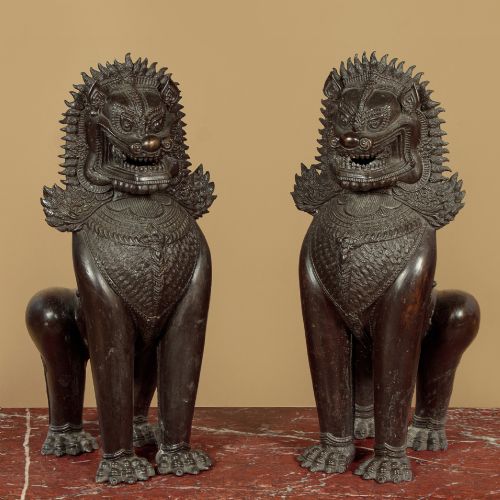
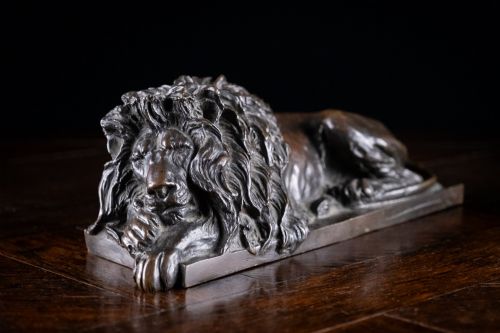
When searching for a large bronze animal, collectors encounter striking sculptures depicting lions, elephants, tigers, bears, horses, and birds. These substantial figures take various forms, from garden statues and okimono to functional table lamps, pin cushions, and inkwells.
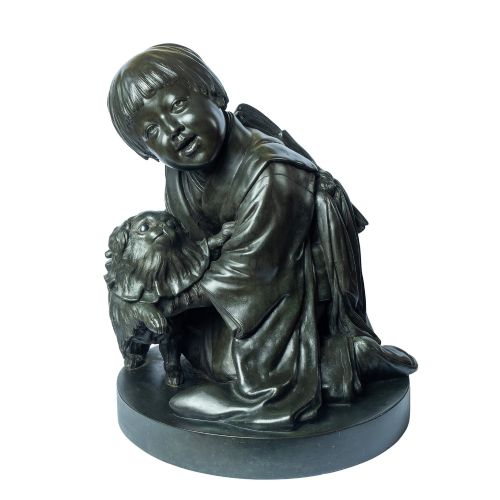
The pieces on this page span the nineteenth and twentieth centuries, incorporating Meiji period Japanese works, French Animalier sculptures, and Art Deco designs. Many pieces stand proudly upon marble, onyx, or carved bases.
Makers and artists represented include Masaaki, Kaniya Kuniharu, Seiunsai Miyamoto Sei, G. Gardet, Andrey, Le Courtier, and C. Masson. Some listings also feature related materials such as spelter, brass, bone, ivory, and patinated bronze.
Materials and casting techniques
Foundries utilised traditional casting methods to shape molten bronze into lifelike creatures, often applying patination to achieve deep brown or dark surface tones. Alternative metals such as spelter and brass appear alongside cast metal and bronzed plaster.
Many heavy figures incorporate natural stone elements, mounted securely onto bases made of black marble or onyx. Finer details on smaller items, such as Austrian cold painted bronze pieces, involve careful hand-colouring applied directly to the metal.
Large Bronze Animal Retail Price Guide 2026
Typical asking prices for large bronze animal among the pieces listed under this phrase on Sellingantiques today, from the lower quarter to the upper quarter. They describe what is for sale here now, not the wider market.
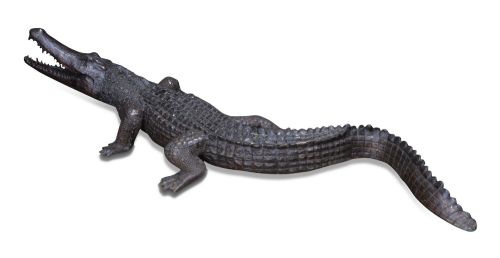
A two-metre crocodile waits alongside tiny cold painted ibex pin cushions.
Distinctions in craftsmanship
Quality rests upon the crispness of the casting and the sensitivity with which the sculptor has rendered muscle, fur, and expression. Superior pieces capture authentic movement and anatomical precision without losing fluidity in the metal.
The integration of the sculpture with its base also marks the tier of a piece, particularly where heavy marble or onyx supports substantial bronze or spelter figures. Signed works by documented artists command closer attention for their recorded provenance.
Masaaki·Kaniya Kuniharu·Seiunsai Miyamoto Sei·G. Gardet·Andrey·Le Courtier·C. Masson
The Large Bronze Animal Glossary
- Animalier
- A nineteenth-century artistic movement focused on the realistic portrayal of animals, particularly predators and game. Sculptors in this tradition studied anatomy closely at menageries.
- Okimono
- A Japanese decorative object designed for display, typically placed in a tokonoma alcove. These carvings and castings often depict elephants, bears, and tigers with intricate detail.
- Spelter
- An alloy of zinc and copper used as an economical alternative to bronze. It frequently appears in Art Deco sculptures mounted on marble bases.
- Patinated bronze
- Metal treated with chemical solutions to produce a specific surface colour or aged finish. This layer protects the bronze while enhancing visual depth.
- Cold painted bronze
- A technique where colours are applied to a finished bronze object without firing. Austrian workshops popularised this method for small decorative items like pin cushions.
Large Bronze Animal: Frequently Asked Questions
Where should I display a large animal sculpture?
Substantial pieces suit heavy furniture, entrance halls, or garden settings depending on their scale and weather resistance. Marble-mounted sculptures require a stable surface capable of supporting considerable weight.
Floor-standing figures or massive okimono need adequate clearance to be viewed properly from multiple angles within a room.
How do I identify a Meiji period bronze?
Meiji period Japanese bronzes often take the form of detailed okimono depicting elephants, tigers, or horses. These works frequently feature character signatures or foundry marks from nineteenth-century makers.
Japanese bronzes of this era are celebrated for their remarkable fidelity to nature and precise surface textures.
What is the difference between bronze and spelter?
Bronze is a durable alloy of copper and tin that takes a rich patina and holds crisp sculptural details over centuries. Spelter is a softer zinc-based alloy commonly used for Art Deco animal figures.
Spelter pieces are generally lighter than bronze and are frequently finished with a bronzed or painted coating atop marble bases.
How do I care for patinated bronze?
Dust bronze sculptures gently with a soft, dry cloth to prevent accumulation in recessed areas. Avoid chemical cleaners or polishes that might strip the historic patina from the metal surface.
Maintain stable indoor humidity levels to protect any integrated marble or onyx bases from moisture damage.