






Large Brass Pan
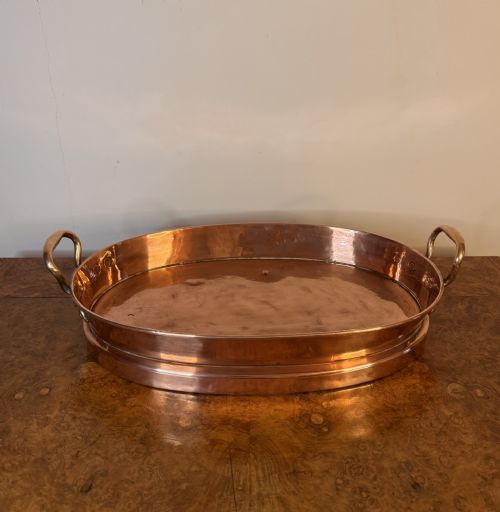
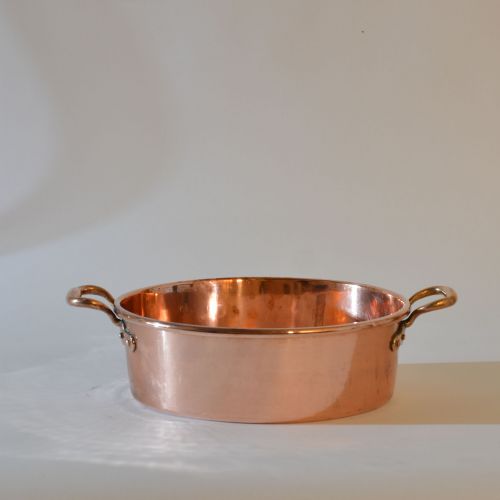
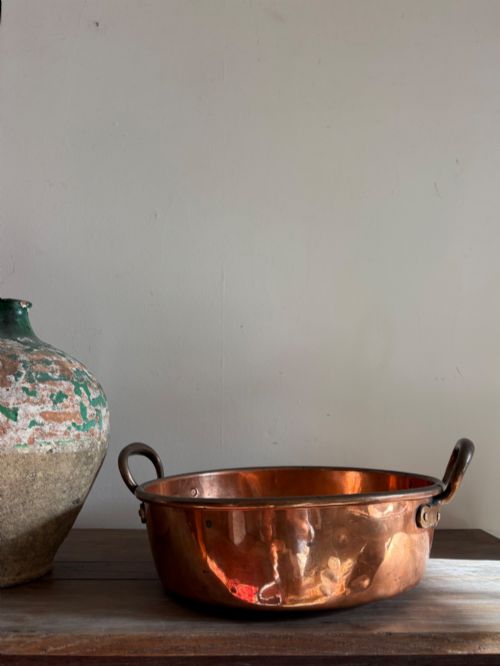
A large brass pan brings weight and warmth to a room, offering robust construction suited to both display and utility.
Large Brass Pan
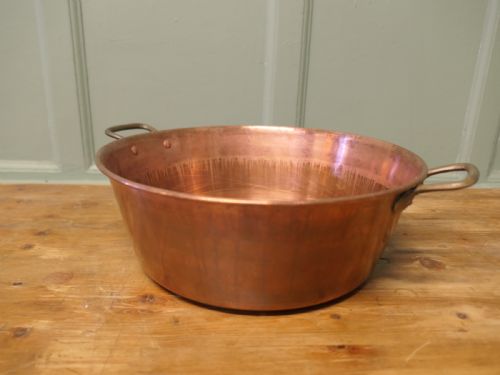
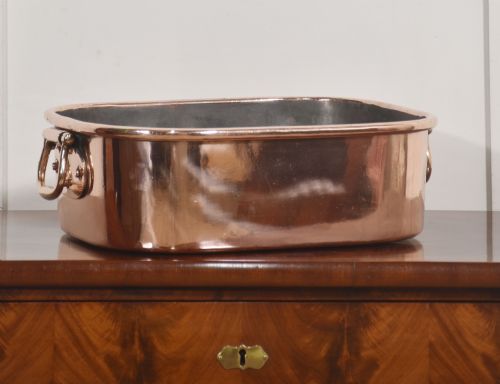
A large brass pan represents substantial metal vessels designed for culinary work or domestic duties, encompassing pieces from the eighteenth century through to the early twentieth century. These items include preserve pans, cooking pots, and saucepans originating across British, French, and Dutch traditions.
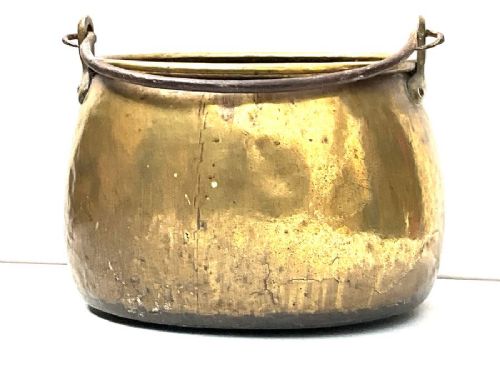
Buyers frequently encounter nineteenth-century examples alongside Georgian pieces, often featuring characteristic side handles in brass or iron. The forms range from heavy double-handled jam pans to mottled vessels intended for hearth use or prominent display.
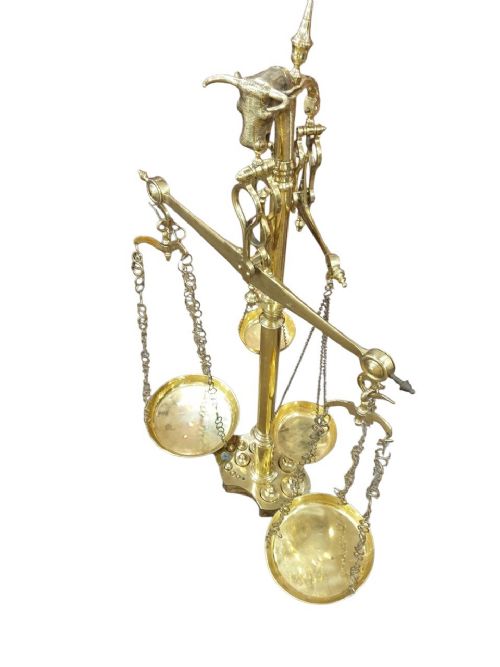
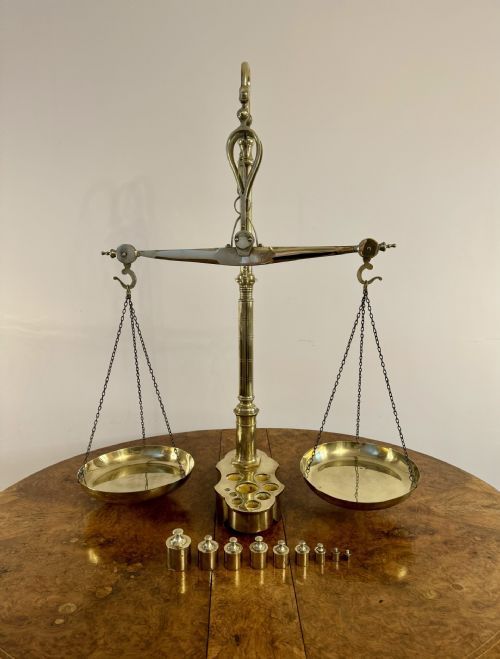
The selection also bridges related domestic metalware, including copper preserving vessels, brass beam scales, and fish kettles that share the same utilitarian heritage. Each object reflects the heavy-duty requirements of period kitchens and dairies.
Materials and construction
These vessels utilise heavy gauge brass, copper, and bronze, often paired with wrought iron handles or attachments for functional strength. The primary metals provide thermal conductivity and durability, shaped through traditional hammering and casting techniques.
Surface treatments and joins reveal the hand of the maker, with riveted handles and beaten body panels common across the surviving pieces. Iron components provide structural support to the softer brass and copper bodies.
Large Brass Pan Retail Price Guide 2026
Typical asking prices for large brass pan among the pieces listed under this phrase on Sellingantiques today, from the lower quarter to the upper quarter. They describe what is for sale here now, not the wider market.
Listings include items spanning the Georgian and Victorian eras, alongside early twentieth-century metalware.
Judging quality in metalware
Quality rests on the thickness of the metal plate and the integrity of the original joins, where heavier gauge walls distinguish superior vessels. Weight distribution and the proportion of handles to the main body indicate the original intended utility.
The finish of the metal surface, whether left with honest patination or shaped with smooth uniformity, marks the distinction between everyday utility items and pieces made for refined display.
Hodges & Sons·De Grave & Co London
The Large Brass Pan Glossary
- Brass
- An alloy of copper and zinc known for its bright golden appearance and corrosion resistance. It forms the primary body material for many hearth and display vessels.
- Preserve pan
- A wide, open vessel designed for boiling fruit and sugar. The shallow form allows rapid evaporation during jam making.
- Daubiere
- A specialised cooking pot used for braising meats. It typically includes a tight-fitting lid to retain moisture during slow cooking.
- Wrought iron
- Tough, malleable iron produced by hammering while hot. It appears on these items primarily for handles and structural reinforcement.
Large Brass Pan: Frequently Asked Questions
How were these large brass pans used?
These vessels served primarily in large domestic kitchens for boiling preserves, heating water, or preparing large quantities of food over an open hearth.
Their substantial metallic construction allowed for even heat distribution, which prevented scorching during long periods of cooking.
Can I cook in an antique brass pan?
While originally made for culinary tasks, historical vessels often require careful assessment of their interior surface before modern food use.
Many surviving examples now serve decorative roles in homes and kitchens rather than active cooking duties.
How do I date an older brass pan?
Dating relies on observing construction details such as handle attachment methods, hammer marks, and overall stylistic traits characteristic of Georgian or Victorian periods.
Comparing the weight and rim formation with known examples helps narrow down the decade of production.
How should I clean antique brass?
Maintaining these pieces usually involves gentle dusting or mild cleaning to preserve the dark patination accumulated over centuries of use.
Aggressive polishing removes the historical surface character that collectors and enthusiasts prefer to retain.