




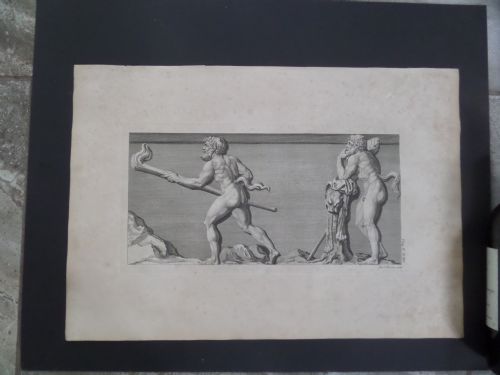


Large Black Engraving
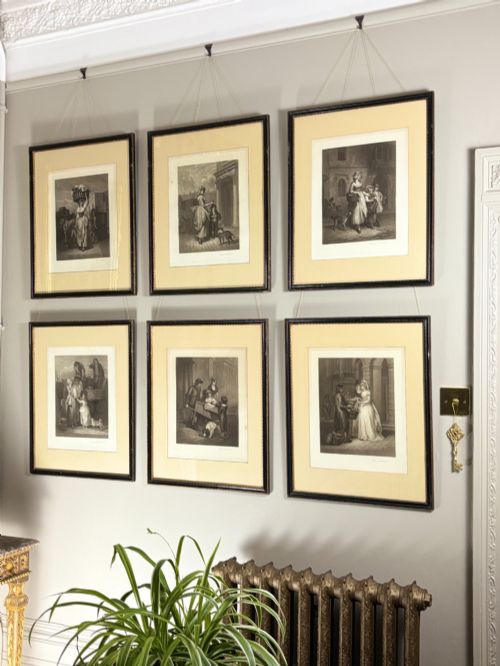
These large black engraving pieces offer substantial historic wall art spanning the eighteenth and nineteenth centuries, bringing classical and architectural depth to any room.
Large Black Engraving
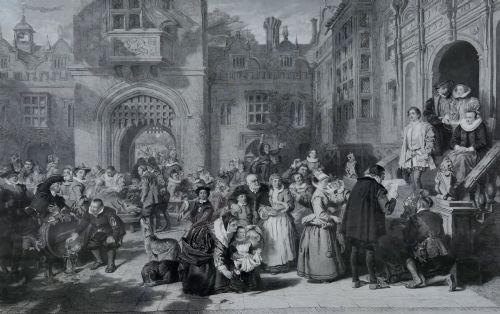
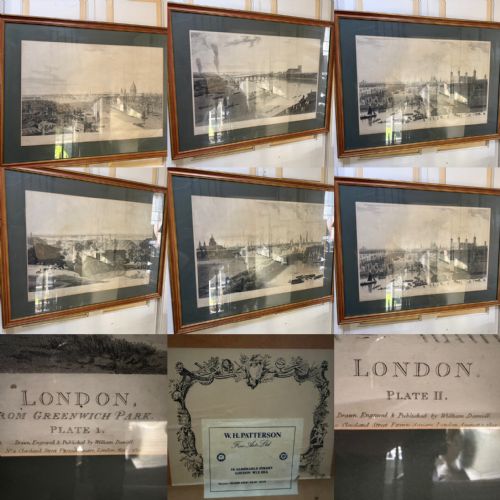
When you search for large black engraving, you encounter substantial works on paper originating predominantly from the eighteenth and nineteenth centuries. These prints span Georgian, Victorian, and Neoclassical styles, capturing architectural studies, mythological scenes, and London views.
The selection on this page leans heavily toward eighteenth-century architectural plates and classical antiquities, alongside nineteenth-century interior scenes and panoramic town views. Many examples arrive preserved behind glass within ebonised wood or Hogarth frames.
Makers and engravers such as James Basire and Giovanni Ottaviani dominate the historical production found here. Their plates record precise details of ancient Greek sites and Vatican loggie compositions.
Materials and Techniques
Makers utilised heavy paper sheets to receive the inked impressions pressed from engraved metal plates. Black ink provides the primary tonal range, defining the intricate lines of architectural elevations and figural studies.
Framing materials incorporate ebonised wood, plain wood, and gilt elements designed to protect the fragile paper sheets. Glazing covers the face of the artwork, shielding the ink and paper from dust and ambient moisture.
Large Black Engraving Retail Price Guide 2026
Typical asking prices for large black engraving among the pieces listed under this phrase on Sellingantiques today, from the lower quarter to the upper quarter. They describe what is for sale here now, not the wider market.
Some eighteenth-century architectural plates record ancient serpents with expressions of mild confusion.
Distinguishing Quality
The impression sharpness on the paper determines the visual clarity of the fine lines and tonal depth. Early strikes from a freshly inked plate display crisp architectural details, whereas later strikes lose edge definition.
Paper preservation and sheet integrity separate standard examples from finer specimens. Clean margins around the printed image and minimal foxing or staining maintain the historical integrity of the piece.
James Basire·Giovanni Ottaviani·Thomas G Appleton·William Daniell
The Large Black Engraving Glossary
- Engraving
- A printmaking technique where an artist cuts lines directly into a metal plate using a sharp tool called a burin. The resulting grooves hold the ink for transfer under pressure onto paper.
- Neoclassical
- A style originating in the mid-eighteenth century drawing inspiration from the classical art and culture of ancient Greece and Rome. This aesthetic appears frequently in architectural and mythological engravings.
- Ebonised wood
- Timber treated with a chemical stain or finish to imitate true ebony, producing a deep black surface. This treatment is common on frames housing nineteenth-century prints.
- Foxing
- Brown spots and discolouration that develop on antique paper over time due to chemical reactions involving iron impurities and humidity. Proper framing behind glass helps mitigate this process.
Large Black Engraving: Frequently Asked Questions
How should I hang a large engraving?
Position the piece at eye level on a structurally sound wall away from direct sunlight to protect the paper and ink from fading.
Ensure the wall fixings support the combined weight of the heavy wooden frame and glass.
Are these prints originals from the period?
The works listed originate from the eighteenth and nineteenth centuries, produced during the active periods of the named engravers and publishers.
Check the paper texture, plate marks around the image edges, and framing materials to confirm period authenticity.
What frames typically accompany these works?
Many prints retain period surrounds such as ebonised wood mouldings or traditional Hogarth frames.
These dark or gilt frames complement the monochromatic tones of the black ink impressions.
How do I identify eighteenth-century prints?
Look for laid paper showing visible chain lines when held to the light, alongside typography styles typical of the Georgian era.
Subject matter often includes classical architectural surveys, such as the antiquities of Athens or Vatican interiors.