



Large Asian Figurine
These large asian figurine choices bring substantial presence to a room through centuries of skilled craftsmanship.
Large Asian Figurine
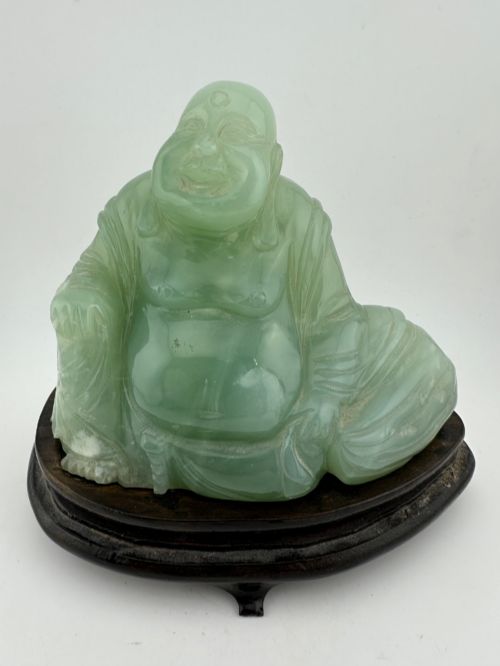
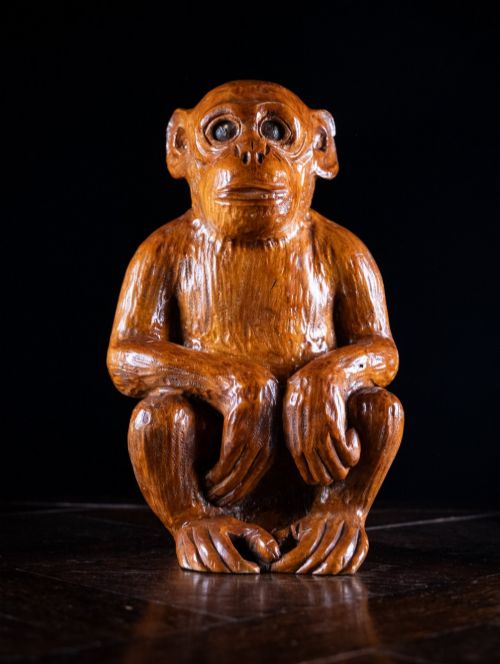
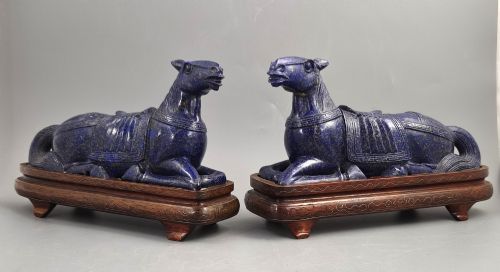
A large asian figurine covers substantial sculptural works originating from various eastern traditions spanning the late nineteenth century through to the mid twentieth century. Buyers seeking this phrase encounter solid bronzes, carved hardwoods, and painted porcelains depicting cultural figures, animals, and mythological subjects.
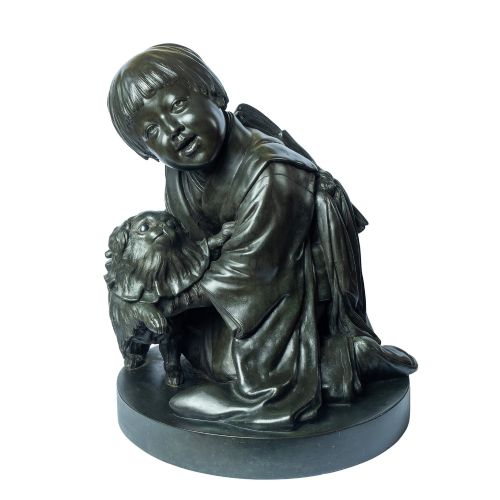
The selections available here lean heavily toward Japanese bronze okimono, Chinese hardwood figures, and glazed porcelain ducks or horses. These pieces reflect specific historical periods including the Meiji period and the Qing dynasty.
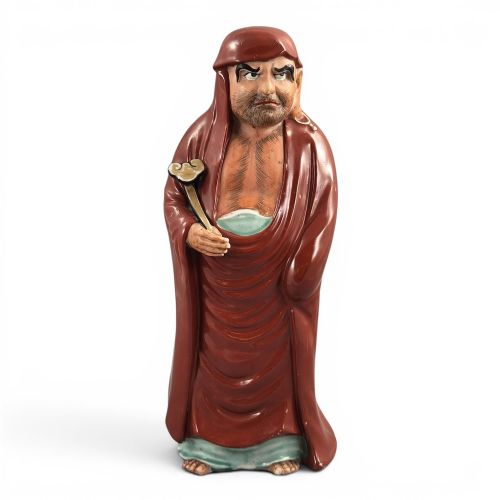
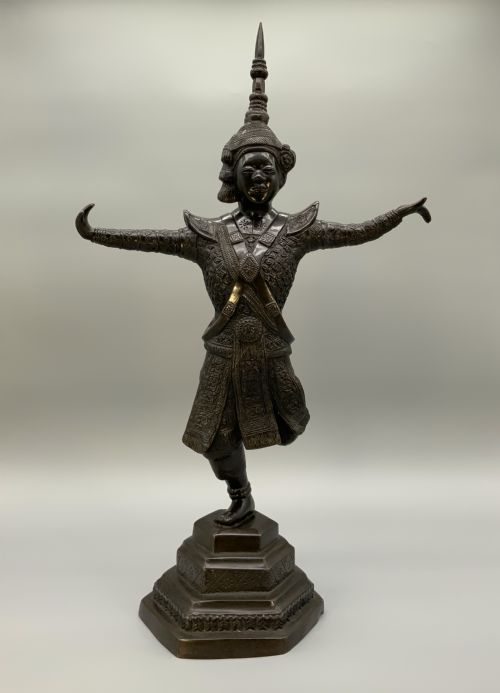
Objects range from imposing Buddhist deities and sages to dynamic animal groups and court dancers. Each piece demonstrates the distinctive artistic vocabulary of its region and era of production.
Materials and construction
Makers utilised cast bronze, dense hardwood, and fine porcelain as the primary foundations for these works. Bronze pieces often incorporate intricate surface detailing, sometimes complemented by silver inlay or patination.
Large Asian Figurine Retail Price Guide 2026
Typical asking prices for large asian figurine among the pieces listed under this phrase on Sellingantiques today, from the lower quarter to the upper quarter. They describe what is for sale here now, not the wider market.
Several bronze elephants find themselves permanently locked in mortal combat with ambitious tigers.
Distinctions in quality
Quality rests upon the crispness of the carving, the refinement of the bronze casting, and the nuance present in painted or glazed surfaces. Superior examples display confident handling of anatomy and drapery that brings vitality to the subject.
The presence of artist signatures or specific workshop origins elevates certain pieces above standard decorative output. Material selection and the preservation of original patinas or finishes further divide baseline production from exceptional work.
MASAAKI
The Large Asian Figurine Glossary
- Okimono
- A Japanese ornamental figurine designed for display on a tokonoma or shelf. These pieces range widely in subject matter from historical figures to wildlife.
- Sancai
- A traditional three-colour glaze technique characteristic of Chinese ceramics. This method produces rich interlocking colour effects across the glazed surface.
- Meiji Period
- A historical epoch in Japan marked by significant artistic output and international trade. Works from this time frequently demonstrate advanced metalworking and casting skills.
- Qing Dynasty
- The final imperial dynasty of China associated with refined hardstone carving and porcelain production. Pieces from this era often carry traditional imperial motifs.
Large Asian Figurine: Frequently Asked Questions
How do I identify a Meiji period bronze?
Meiji period bronzes typically display dense patination, precise surface chasing, and naturalistic animal or human forms.
Many of these Japanese pieces carry artist signatures or marks indicating the foundry or sculptor responsible for the casting.
What is the difference between hardwood and bronze figures?
Hardwood figures rely on direct hand carving to create texture and depth in the grain.
Bronze sculptures utilise metal casting techniques allowing for sharper anatomical lines and inlaid decorative elements.
Where should I display a large statue?
These substantial pieces require stable placement on sturdy low tables, pedestals, or dedicated display cabinets.
Ensure the location protects the surface from direct sunlight and heavy foot traffic to preserve the patina and carved details.
How do I care for antique porcelain and hardstone?
Dust these items gently using a soft, dry brush to prevent accumulation in recessed carved areas.
Avoid liquid cleaners or abrasive cloths which can damage delicate glazes or soft mineral surfaces.