



Large Art Frame
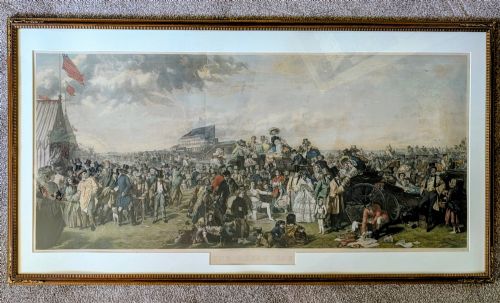
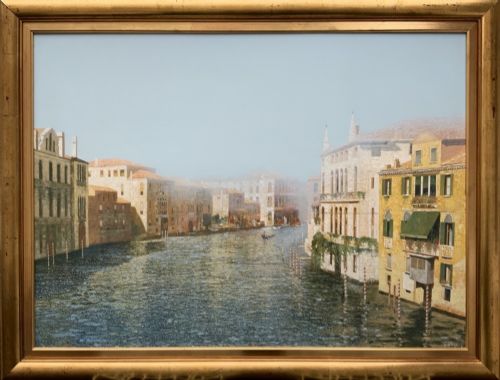
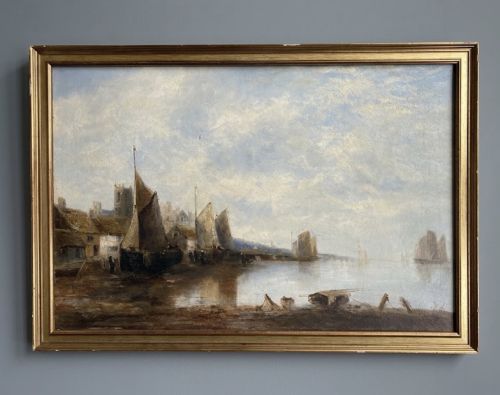
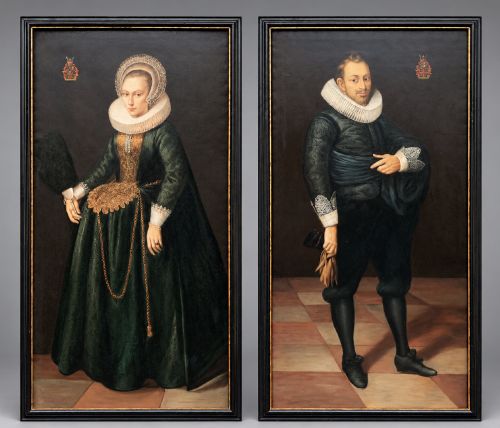
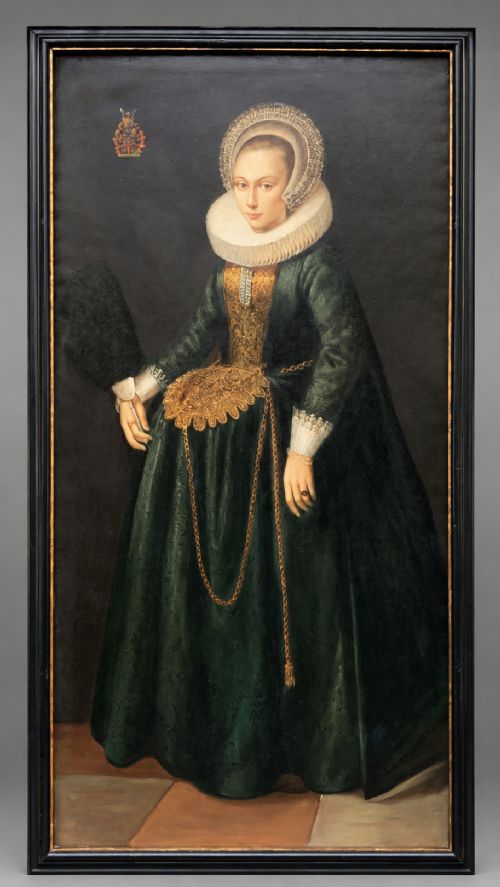
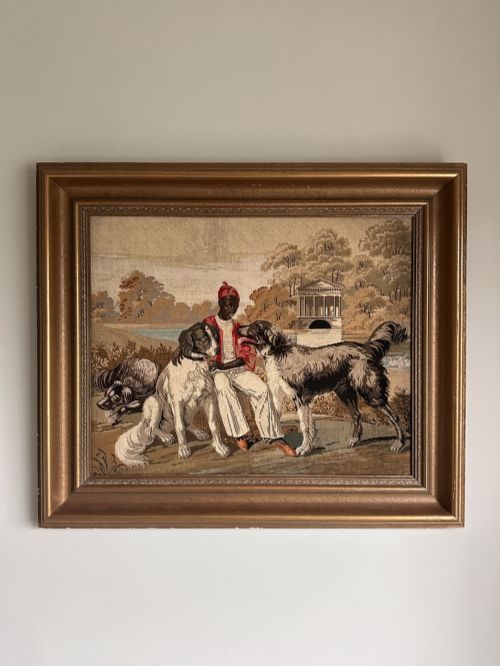
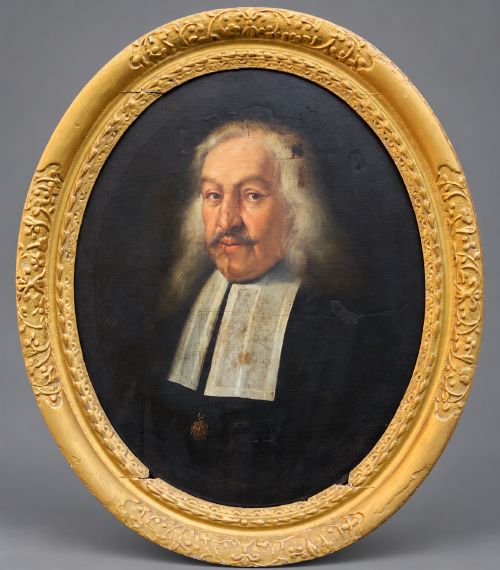
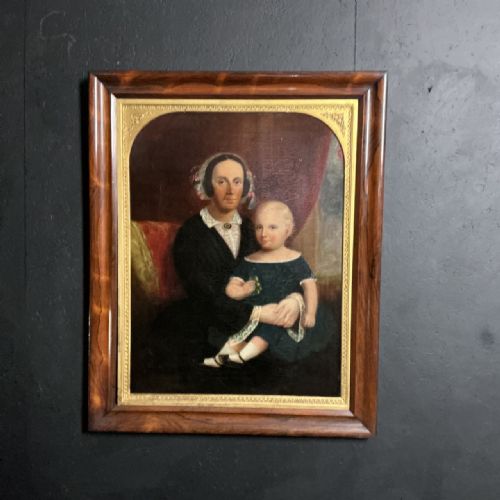
When you search for a large art frame, you are looking at substantial surrounds designed to house oil paintings, prints, and textile art from the eighteenth century to the mid-twentieth century.
Large Art Frame
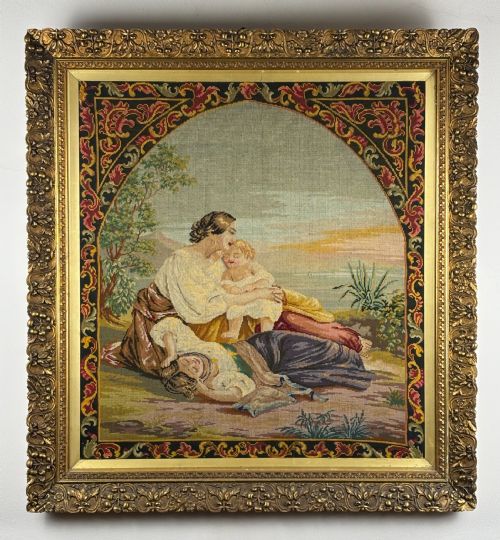
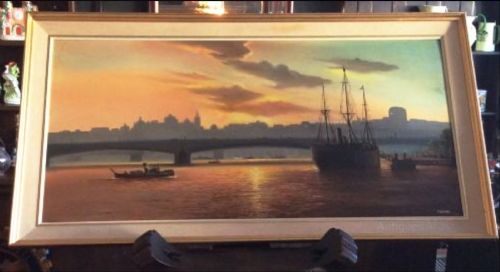
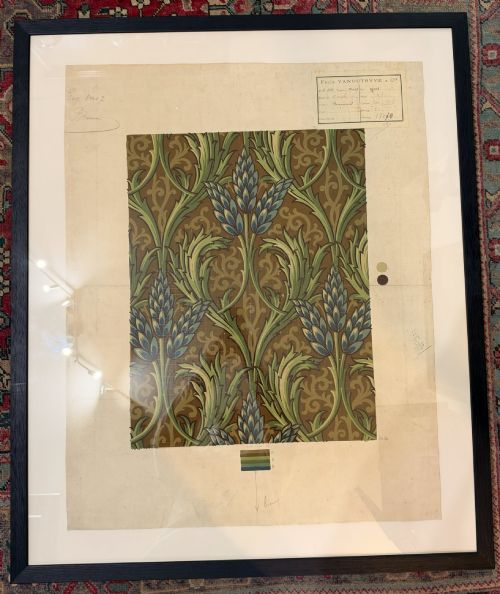
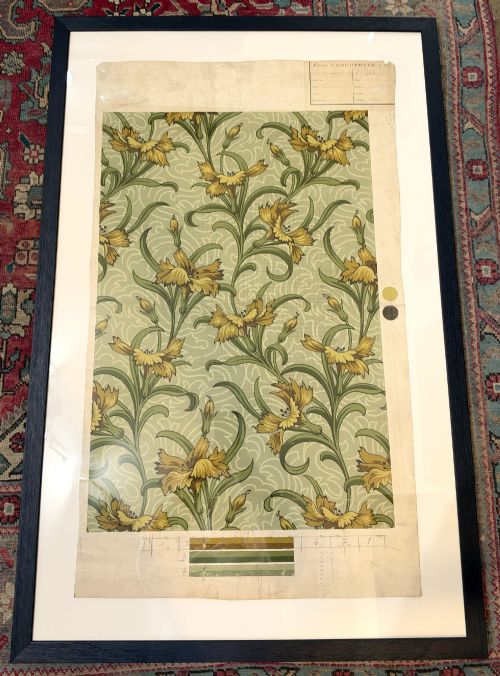
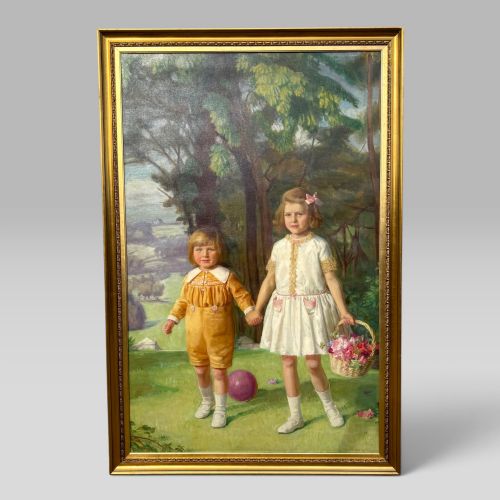
A large art frame encompasses heavy timber mouldings, gilded surrounds, and Hogarth profiles designed to support substantial canvases and paper works. The pieces found here range from Georgian mirrors and Victorian portrait surrounds to mid-century Dutch landscape mountings.
Buyers seeking this phrase typically encounter works framed in gilt wood, oak, or painted finishes, housing subjects from sporting scenes and floral still lifes to classical mythology. The scale dominates a wall, functioning as both structural protection and visual completion for the artwork it holds.
Origins stretch across British, French, and Dutch schools, capturing periods from the eighteenth century through to nineteen-sixties modernism. The enclosing structure is integral to the piece, often contemporary to the painting or engraving within.
How They Were Made
Construction relies on solid timber foundations, predominantly wood and oak, joined at the corners with mitred or halved joints to support heavy canvas and glass weights. Gilt wood examples utilise layers of gesso applied to a wooden base before receiving fine leaf application.
Finishes include hand-carved decorative motifs, shellwork applied in later periods, and dark polished stains. Engravings and pastels employ fitted glass and paper backing boards to protect delicate surfaces from atmospheric moisture.
Large Art Frame Retail Price Guide 2026
Typical asking prices for large art frame among the pieces listed under this phrase on Sellingantiques today, from the lower quarter to the upper quarter. They describe what is for sale here now, not the wider market.
Materials recorded across these items include oil on canvas, gilt wood, glass, textile art, and paper.
What Varies in Quality
The distinction between tiers rests upon the depth of hand-carved detail within the wooden mouldings and the integrity of the original gilding. Superior examples display crisp moulding profiles and period-appropriate joining techniques rather than cast composition ornament.
The relationship between the art and the surround dictates overall cohesion, where original Hogarth frames or period-matched gilt surrounds elevate the piece beyond later marriages of convenience.
George F. Bird·James Elliot·Stuart Lloyd·Alfred Walter Bayes·Thomas Smythe
The Large Art Frame Glossary
- Gilt Wood
- Timber coated with gold leaf or metallic powder over a prepared gesso ground. This finish reflects light to illuminate the enclosed painting.
- Hogarth Frame
- A narrow, dark wooden profile with an inner gilded edge, popular for eighteenth-century engravings and prints. It provides a restrained border that complements monochromatic works.
- Gesso
- A plaster-like mixture applied to wood to create a smooth surface for gilding or painting. It allows intricate relief details to be moulded onto the frame.
- Mitre Joint
- A corner joint formed by cutting two pieces at an angle, typically forty-five degrees, to create a ninety-degree frame corner.
Large Art Frame: Frequently Asked Questions
How do I hang a heavy frame?
Substantial frames require secure wall fixings, such as steel screws driven directly into wall studs or heavy-duty masonry plugs. Picture wire must be rated well above the combined weight of the wood and canvas.
Distributing the load across two separate hanging points prevents the frame from tilting and reduces stress on the corner joints.
Are these frames period-correct?
Many surrounds are original to their paintings, reflecting the prevailing joinery and gilding techniques of the eighteenth, nineteenth, or mid-twentieth centuries. Evidence in the wood grain and backing materials often confirms this alignment.
Some pieces feature later mountings or alterations, such as added shellwork or replacement gilding applied during subsequent centuries of use.
How do I clean gilt wood?
Dusting requires a very soft, dry brush to remove particles without disturbing delicate gold leaf layers. Moisture and chemical solvents must be avoided entirely to prevent lifting the gesso.
Professional conservation is recommended for deep cleaning or repairing flaking areas on antique gilded surfaces.
Can I change the artwork inside?
These surrounds are custom-fitted to their specific oil paintings, canvases, or panel works, often secured with traditional glazier's points and backing boards. Altering the contents risks damaging the structural tension of the rebate.
Keeping the original artwork intact preserves the historical integrity and proportion of the piece.