
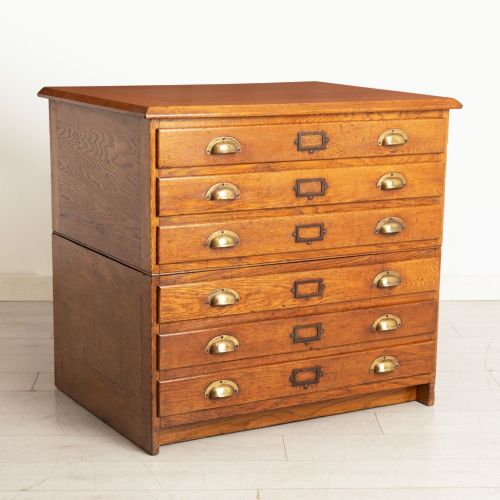
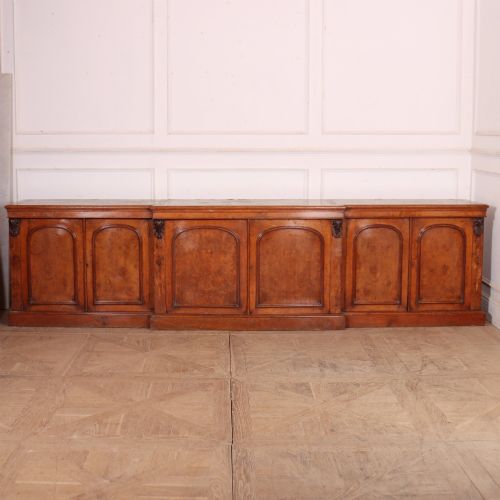
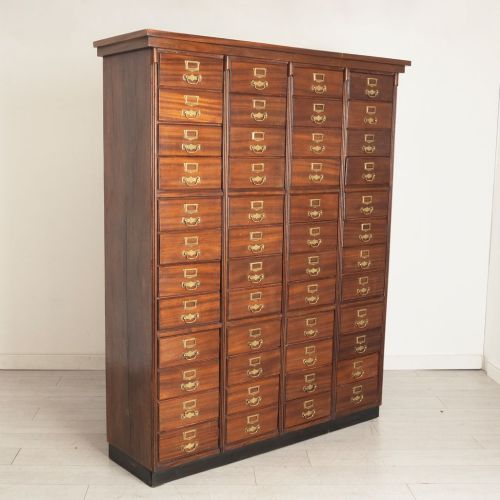
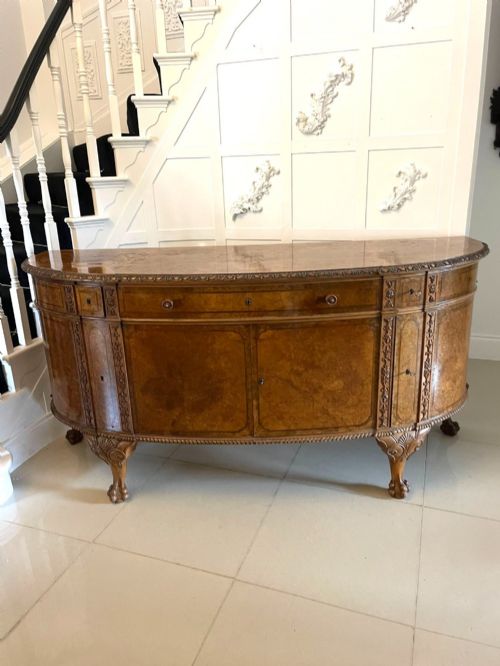
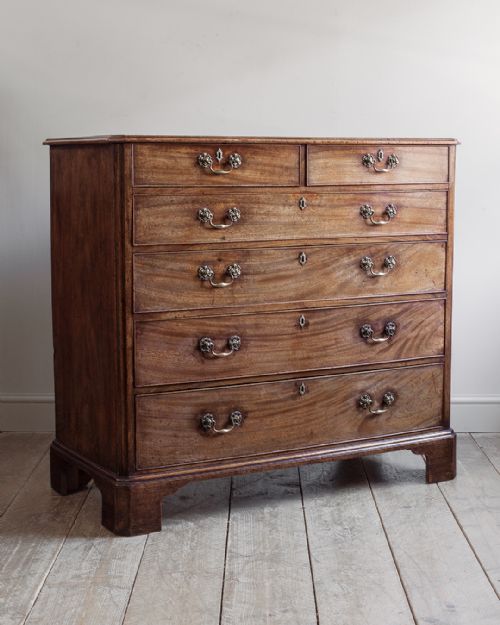
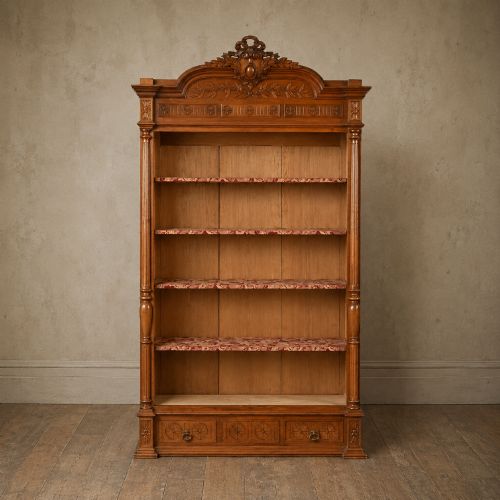
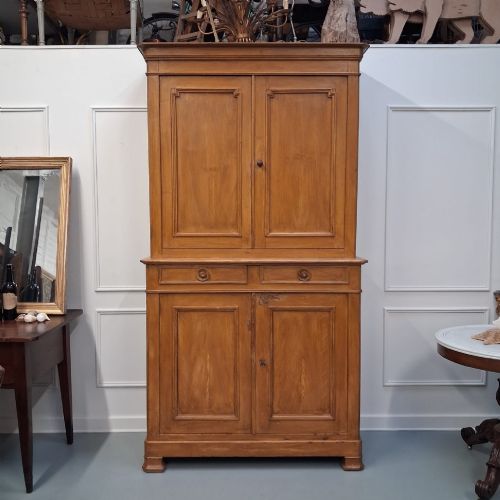
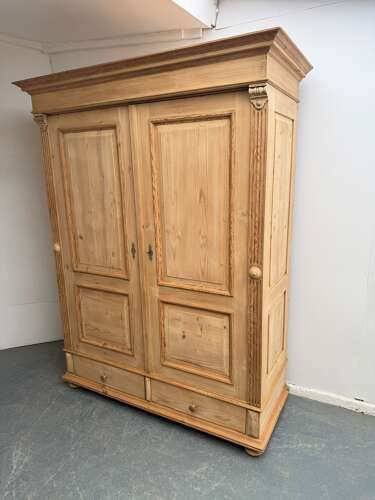
Large Storage Cabinet
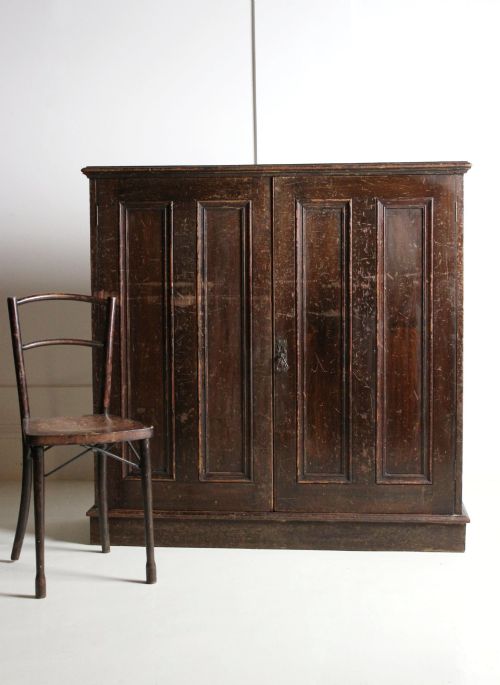
A large antique storage cabinet solves domestic clutter with profound architectural presence, spanning utilitarian pine presses to figured walnut display pieces.
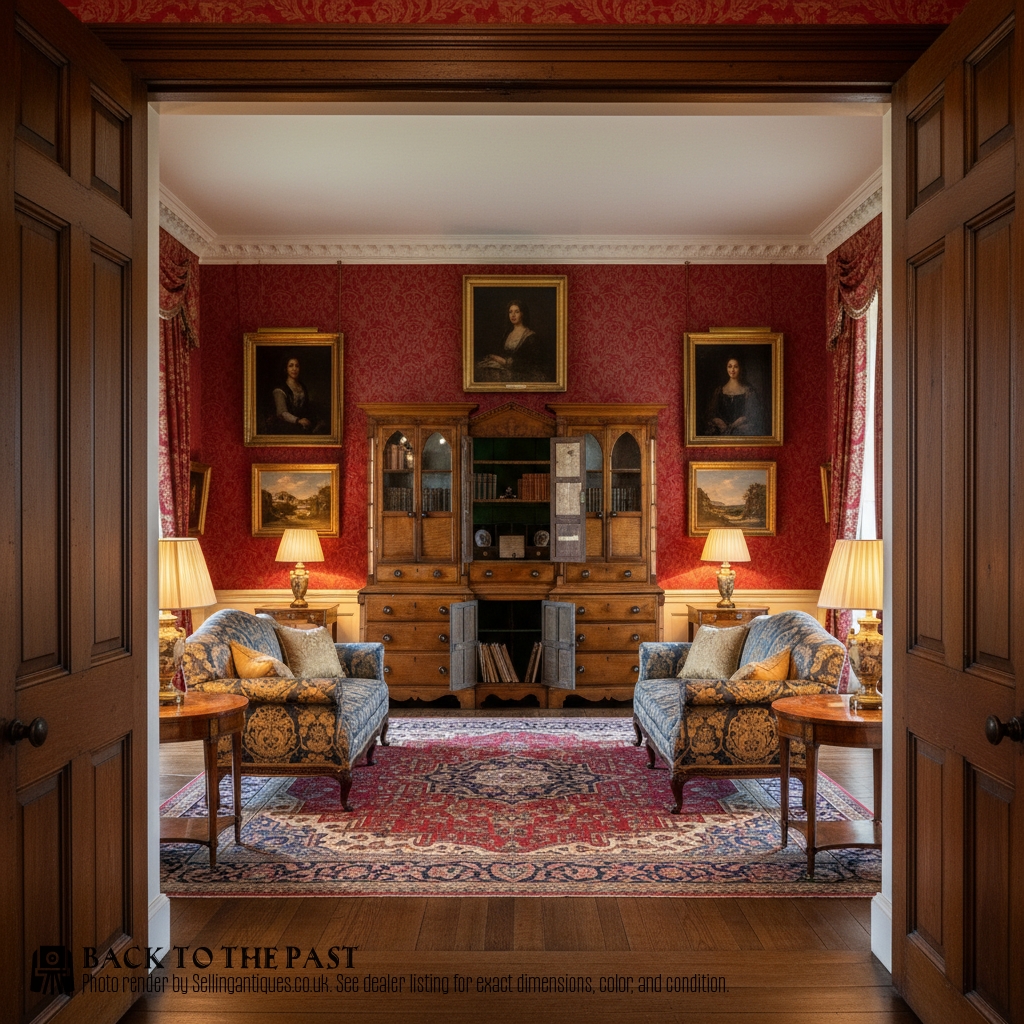
Large Storage Cabinet
When searching for a large antique storage cabinet, buyers encounter a diverse taxonomy of domestic furniture designed to hold books, linen, garments, and provisions. These forms range from towering wardrobes and breakfront bookcases to capacious housekeepers' cupboards and multi-drawer chemist shop fittings.
The material palette spans humble utilitarian softwoods like pitch and painted pine alongside richly figured hardwoods such as mahogany, burr walnut, and oak. Pieces originate from domestic English workshops, continental European provinces, and further afield, reflecting the specific storage needs of past centuries.
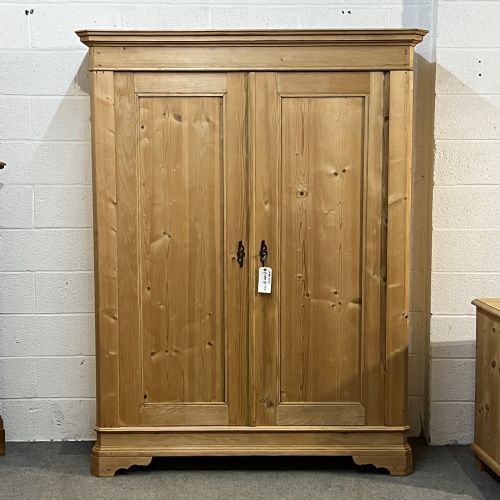
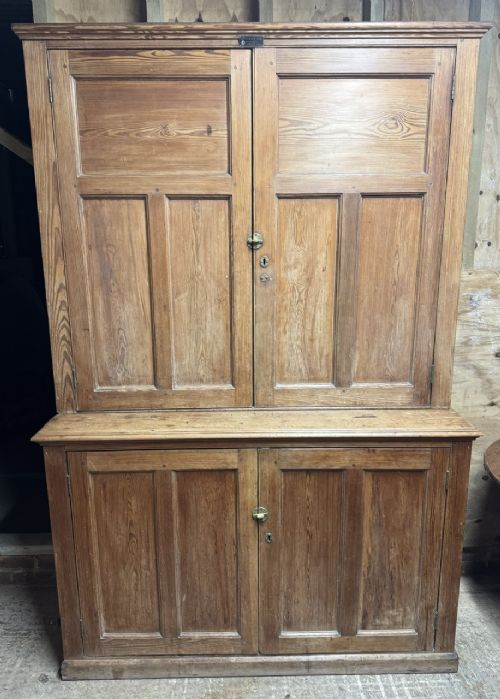
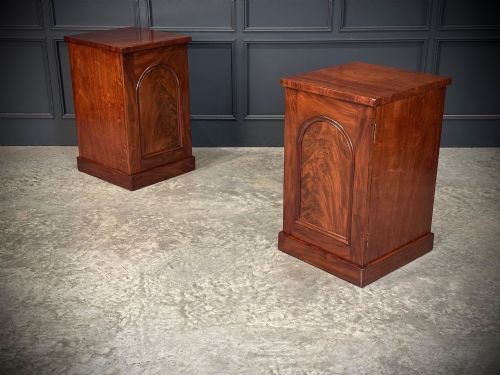
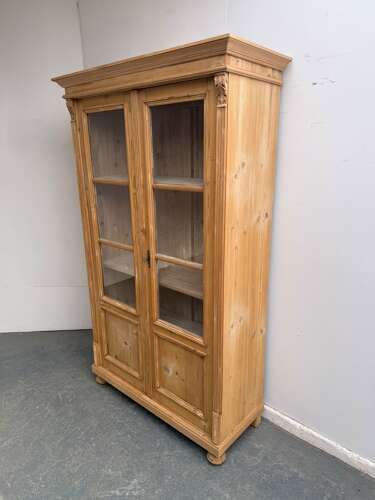
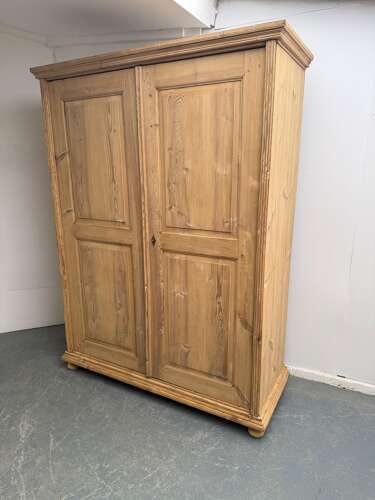
Victorian pine examples and mahogany linen presses dominate the available selection, often presenting substantial proportions suited to prominent placement in modern interiors. Buyers find both painted country furniture and polished formal cabinetwork ready to serve contemporary storage requirements.
How They Were Made
Cabinetmakers utilised solid timber construction alongside sophisticated veneering techniques, applying figured mahogany, burr walnut, and satinwood onto stable secondary woods. Structural integrity relied upon traditional joinery, including dovetail drawers and panelled doors designed to accommodate seasonal wood movement.
Surface finishes varied widely according to the original function of the piece, ranging from wax-polished hardwoods and French polish to layered painted finishes on utility pine cupboards and housekeepers' pieces. Brass hardware, iron strapwork, and glazed panels completed the construction of these substantial receptacles.
Secret compartments hidden within nineteenth-century Wellington chests occasionally still conceal old school report cards.
What Varies in Quality
Quality reveals itself in the selection of timber figures, such as symmetrical flame mahogany or burr walnut veneers, and the restraint or skill of carved ornamentation. Superior pieces demonstrate meticulous attention to internal fittings, such as adjustable shelving, linen slides, and well-executed bank of drawers arrangements.
The integration of secondary timbers and the retention of original brass hardware, glass panels, and surface patination separate standard utility furniture from exceptional cabinetwork. Proportion and architectural balance, particularly on breakfront bookcases and compactum wardrobes, dictate the upper echelon of the range.
The Large Storage Cabinet Glossary
- Linen Press
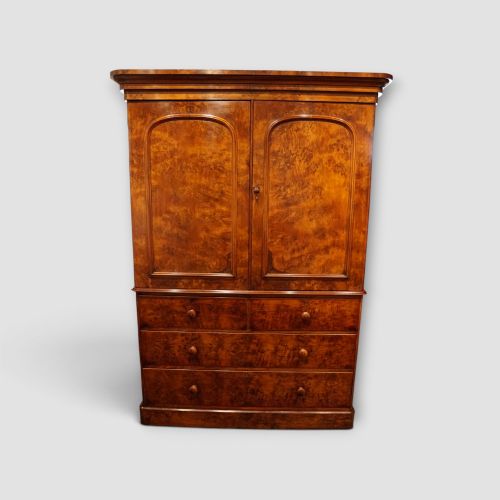
- A tall piece of furniture featuring upper doors enclosing sliding trays for folded textiles, situated above a base section fitted with drawers. These items traditionally stored household linens before modern wardrobes became standard.
- Breakfront
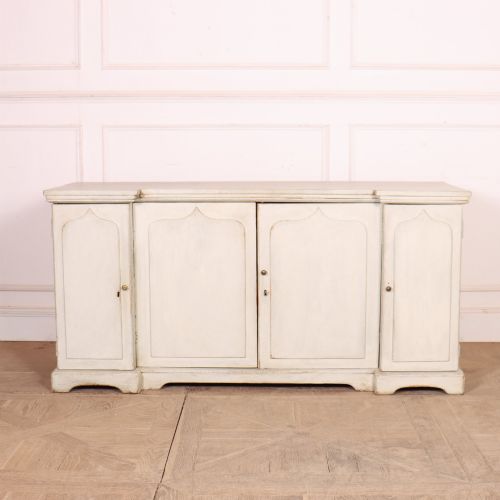
- A cabinet design where the central section projects forward from the flanking wings, creating a dynamic three-dimensional façade. This architectural arrangement appears frequently on large bookcases and sideboards.
- Compactum
- A multi-functional wardrobe containing a combination of hanging space, drawers, shelves, and sliding trays within a single unified carcass. These space-saving units often incorporate satinwood inlay and mirrored doors.
- Wellington Chest
- A tall, narrow set of drawers secured by a hinged vertical locking strip on one side that fastens with a padlock. Originating in the nineteenth century, this form provides secure storage across multiple shallow tiers.
- Damchiya
- An ornate low storage chest or cabinet originating from India, often featuring intricate carved woodwork and integrated compartments. These traditional pieces served as dowry chests within households.
Large Storage Cabinet: Frequently Asked Questions
How do I choose the right size?
Measure ceiling height and floor space carefully, accounting for the swing radius of wide doors and the projection of breakfront cornices. Large storage furniture demands generous clearance to avoid overpowering a domestic room.
Consider whether the piece is a knockdown construction, which allows easier transport and installation through tight stairwells and historical doorways than fixed, solid carcasses.
Can I use a linen press as a wardrobe?
Many historical linen presses feature internal sliding trays rather than hanging rails, which makes them ideal for folded garments, jumpers, and bedding. Some examples can be converted by cabinetmakers to accommodate modern clothes hangers if required.
Retaining the original internal configuration preserves the utility and historical integrity of the piece for storing textiles and linens.
How do I care for antique pine?
Maintain waxed pine surfaces by applying natural beeswax sparingly and buffing with a soft cloth to nourish the timber and prevent drying. Avoid placing these cabinets near direct heat sources or strong sunlight, which can cause wood splitting and fading.
Painted pine pieces require gentle cleaning with a damp cloth rather than harsh chemical solvents to protect the historic surface finish.
What is a housekeeper's cupboard?
A housekeeper's cupboard is a large, utilitarian storage piece traditionally kept in the service quarters of large country houses for provisions, china, and linens. They typically combine deep upper shelving with capacious drawers or lower cupboard doors.
Today, these versatile items function brilliantly in modern kitchens and hallways as generous pantries or general utility storage units.