

Large Shelving Unit
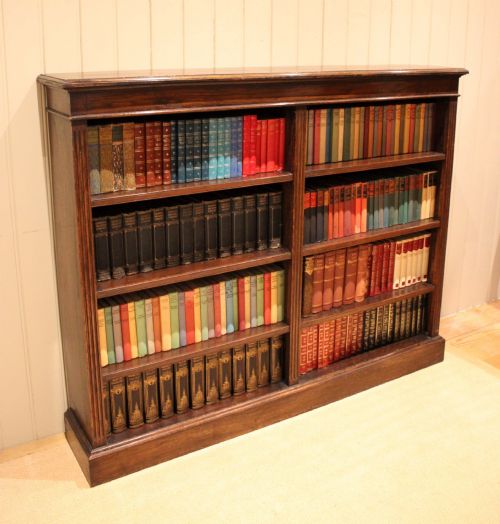
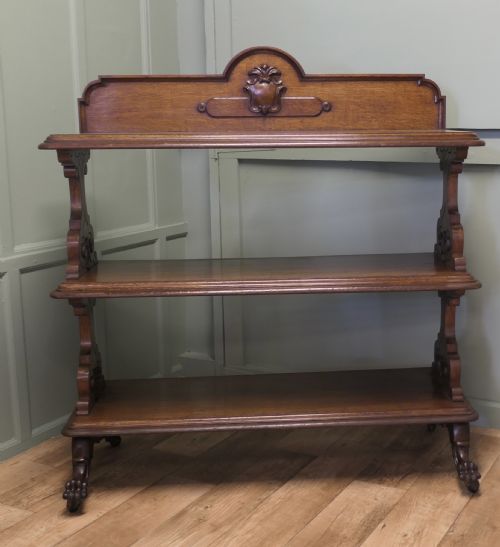
A large antique shelving unit brings presence to a room, offering substantial open storage shaped by nineteenth and early twentieth-century hands.
Large Shelving Unit
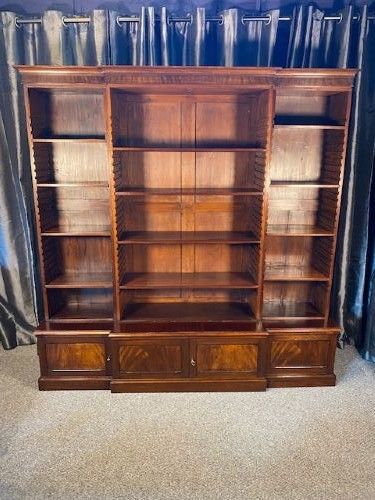
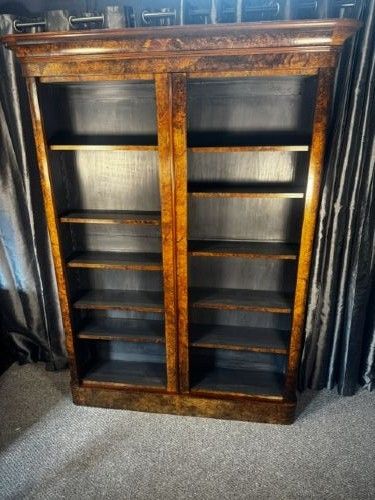
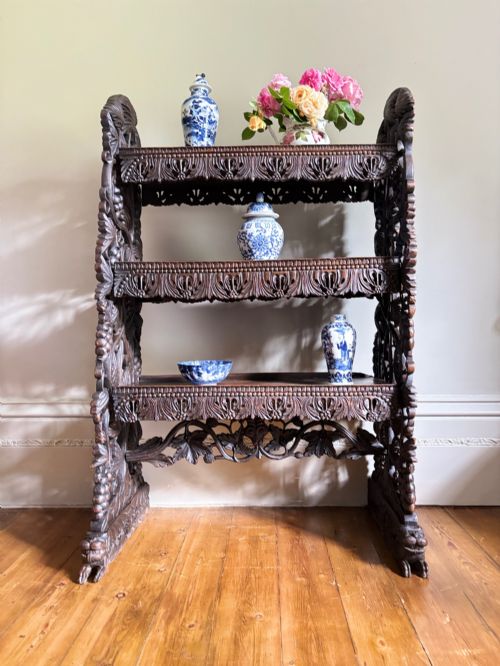
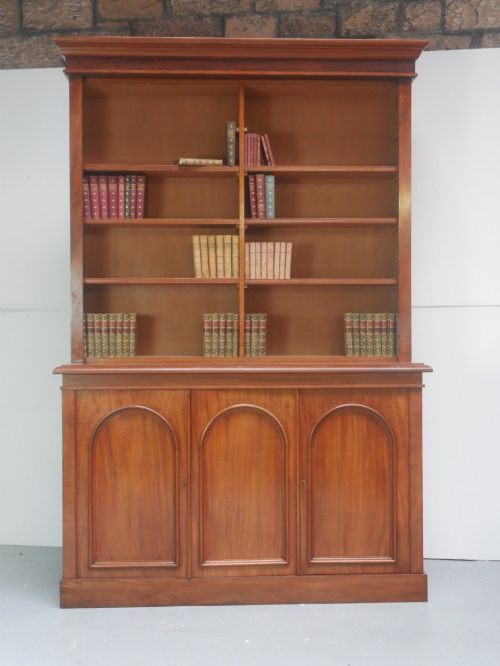
A large antique shelving unit gathers substantial bookcases, open library shelving, bakers racks, and wall cabinets originating from the nineteenth and early twentieth centuries. These pieces span Victorian, Edwardian, Regency, and William IV eras, alongside French Country, Gothic Revival, and Aesthetic Movement expressions.
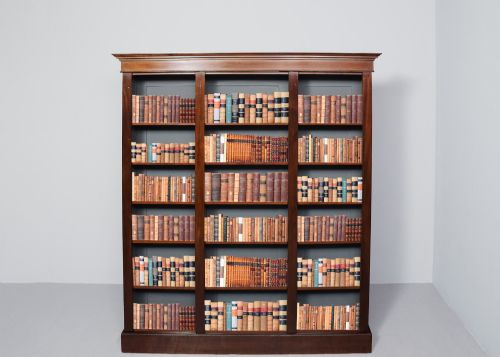
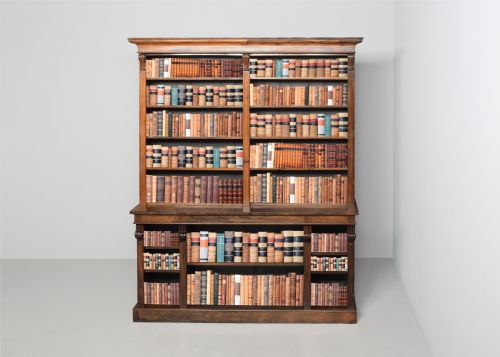
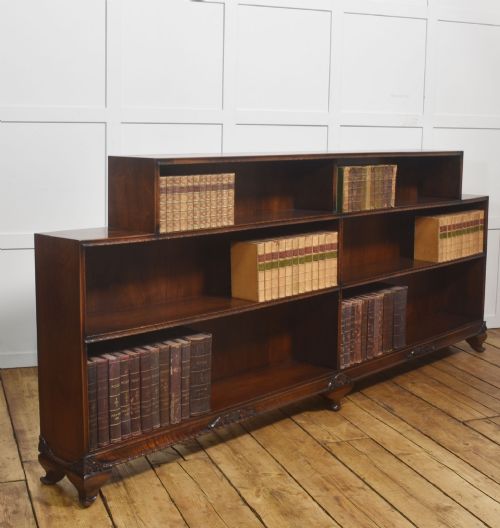
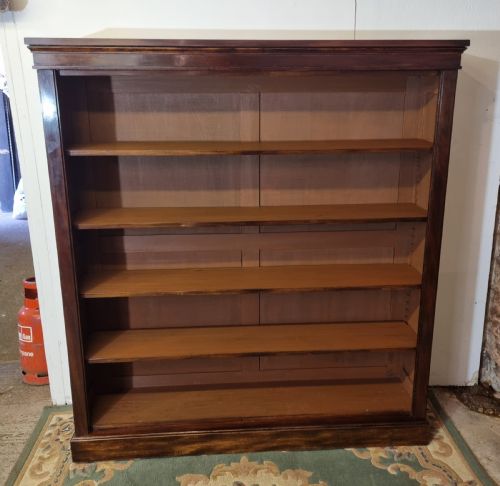
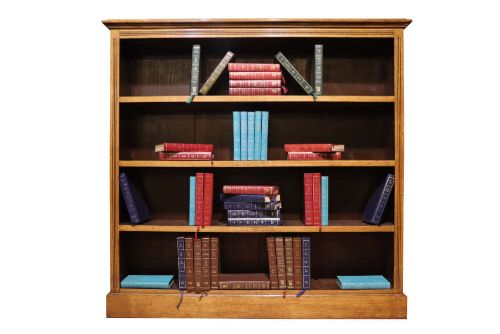
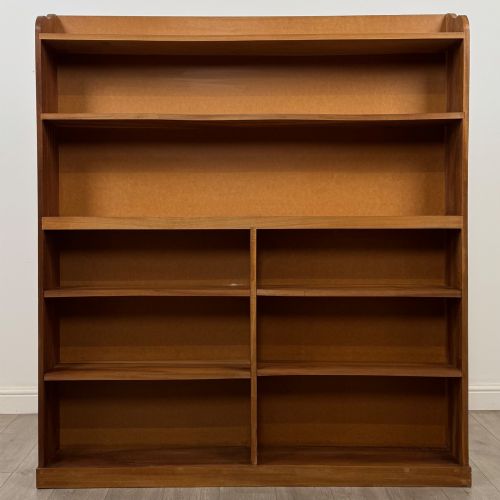
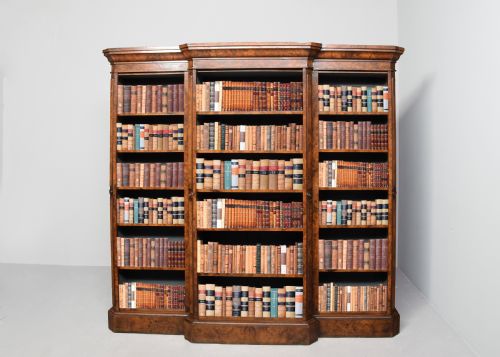
The most common version met on this page is the open oak or mahogany bookcase, often built in breakfront sections with adjustable shelves. These range from utilitarian pine and deal wood workshop pieces to grand reception room furniture in burr walnut and rosewood.
How they were made
Makers utilised solid timbers and choice veneers, selecting mahogany, oak, walnut, burr walnut, rosewood, padauk, and birdseye maple alongside pine and deal for structural carcases. Joinery relies on traditional methods to support heavy rows of books and display items across multiple tiers.
Surface detailing integrates brass fittings, ormolu mounts, wrought iron, inlaid decoration, and hand-carved elements. Many pieces incorporate adjustable wooden shelving systems designed for functional utility in period libraries and domestic interiors.
Listings feature timbers including mahogany, oak, walnut, burr walnut, rosewood, padauk, birdseye maple, pine, deal, and wrought iron.
What varies in quality
The standard of timber selection and veneer matching defines the hierarchy of these pieces, separating simple utilitarian pine from figured burr walnut, rosewood, and birdseye maple. Grain pattern continuity across breakfront sections and drawer fronts marks out superior cabinet work.
Construction ambition and hardware integration also set examples apart. Comprehensive architectural moulding, decorative ormolu mounts, stamped metalwork, and sophisticated internal adjustable shelving mechanisms elevate a piece beyond standard workshop production.
Sir Charles Barry
The Large Shelving Unit Glossary
- Breakfront
- A piece of furniture where the central section projects forward from the flanking outer wings. This configuration creates architectural depth in large library bookcases.
- Open bookcase
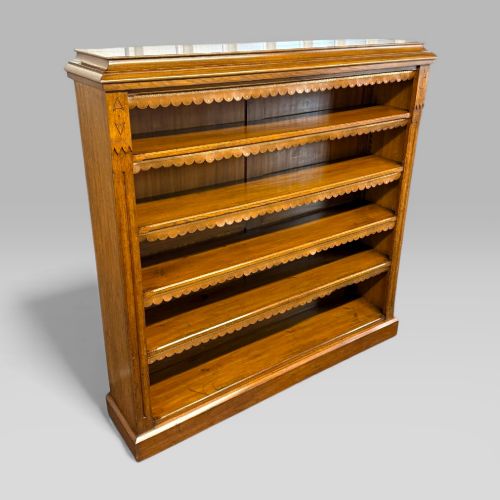
- A shelving unit lacking glazed or solid doors, designed for immediate access to books. These units frequently feature adjustable shelves.
- Burr walnut
- Timber taken from a growth wart on a walnut tree, yielding a swirling, highly figured grain. Cabinet makers prized this material for decorative veneering.
- Aesthetic Movement
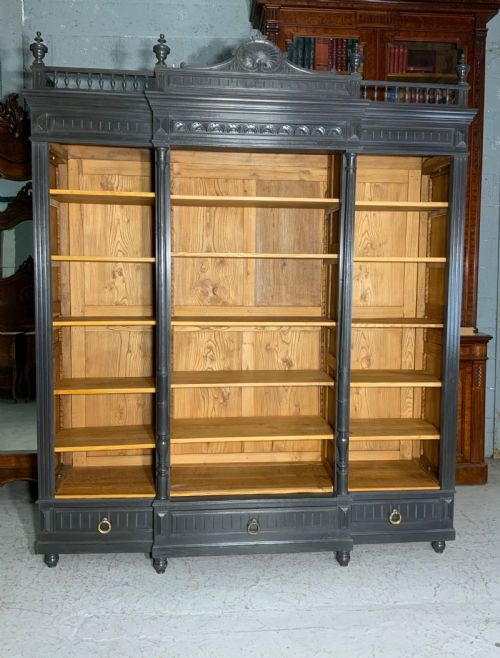
- A late nineteenth-century design style emphasising visual beauty over narrative subject matter. Pieces from this movement often utilise ebonised finishes and gilt details.
- Padauk
- A dense tropical hardwood with reddish tones used in Anglo-Indian furniture construction. It provides exceptional structural stability and deep colour.
Large Shelving Unit: Frequently Asked Questions
How do I style a large antique shelving unit?
Balance books of varying heights with ceramics, framed works, and collected objects across the open shelves. Group items by colour or subject to maintain visual order.
Allow some negative space on the shelves so the timber grain and back panels remain visible. Positioning taller volumes at the lower levels grounds the visual weight of the unit.
Are antique shelves strong enough for heavy books?
Most large library bookcases and shelving units use solid timber construction designed to hold heavy volumes. Adjustable wooden shelves rest on sturdy supports.
Check the thickness of individual shelves and the condition of their supports before loading them with dense collections. Distribute exceptionally heavy folios evenly across the lower tiers.
How do I identify a Victorian bookcase?
Victorian pieces typically display denser timbers such as mahogany, walnut, and oak, often paired with deep moulded cornices. Stylistic markers include Gothic Revival tracery or Aesthetic Movement ebonised details.
Look for construction indicators specific to the nineteenth century, including hand-cut dovetails and timber backboards. Date attribution often relies on hardware types and secondary woods used internally.