







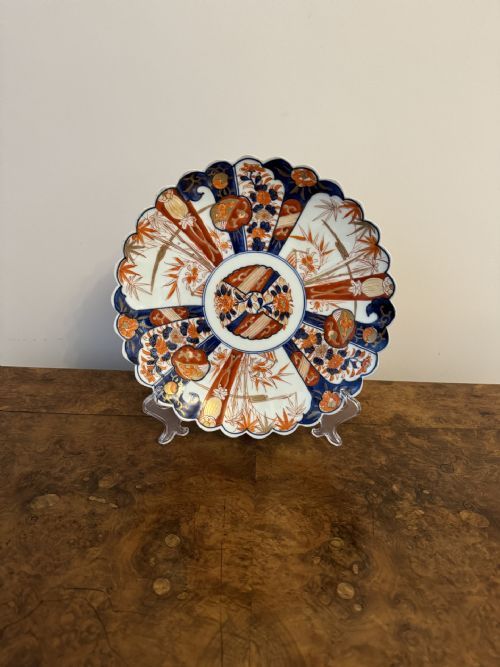

Large Porcelain Dish
A large antique porcelain dish brings considerable presence to a room, offering broad surfaces painted in deep cobalt or vibrant enamel.
Large Porcelain Dish
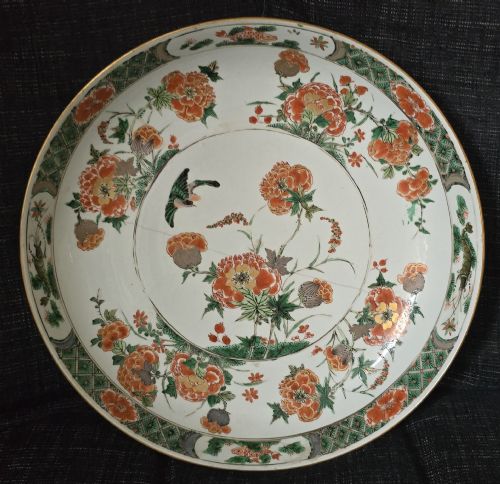
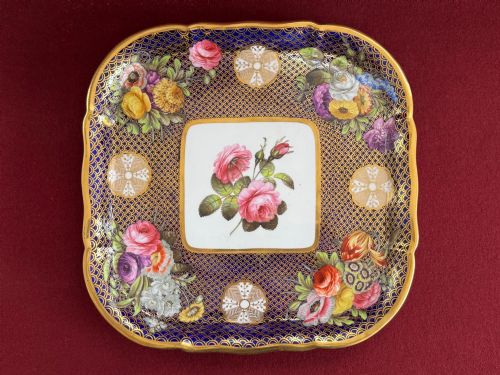
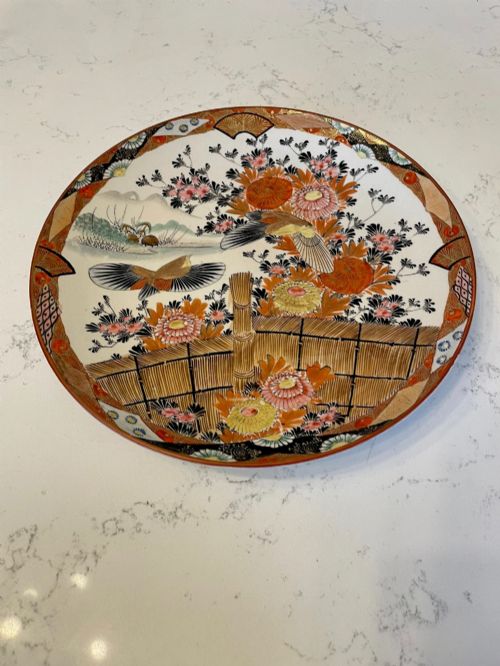
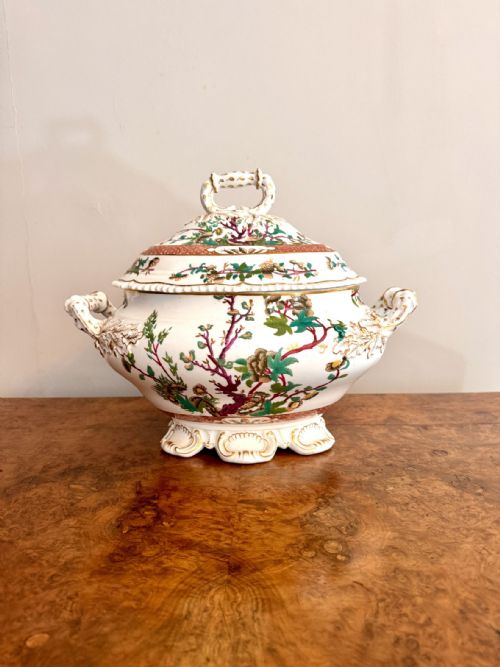
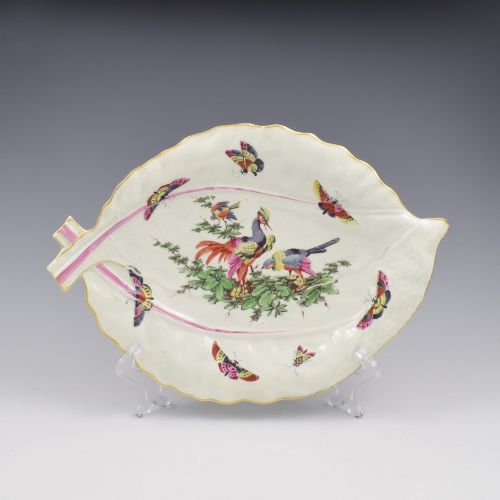
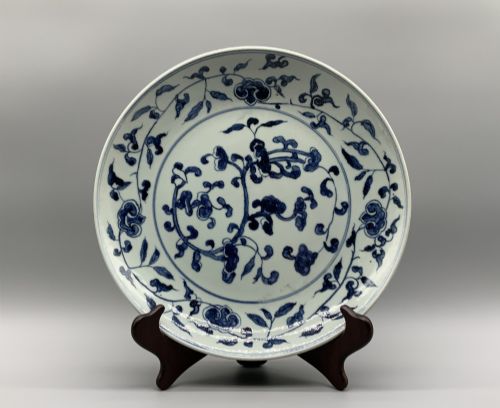
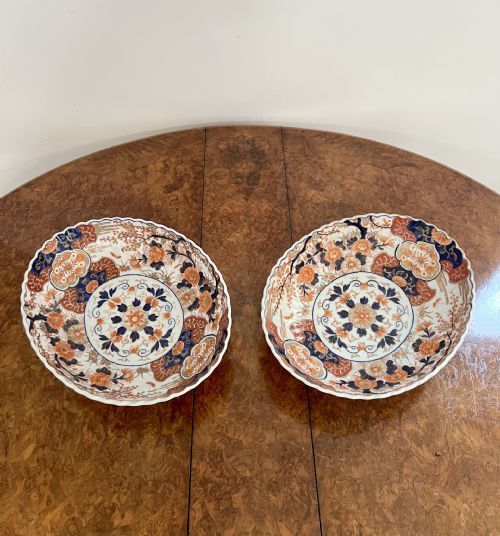
The selection ranges from seventeenth-century Chinese blue and white chargers and Japanese Imari wares to eighteenth-century English Worcester leaf dishes and nineteenth-century European floral centrepieces. Examples span the Kangxi period, Meiji era, and Victorian decades, each carrying the distinct decorative vocabulary of its origin.
Materials and techniques
Potters built these vessels using fine-grained ceramic bodies finished with translucent glazes, frequently enhanced by underglaze cobalt blue or rich overglaze enamels. Artisans applied intricate hand-painted details, often enriched with gold leaf, gilt, and raised moriage work that added tactile dimension to the surface.
Kiln firing methods dictated the final vitrification of the porcelain, while specialised techniques produced the characteristic scalloped edges, basket weaves, and applied floral encrustations seen on European and Asian forms alike.
Large Porcelain Dish Retail Price Guide 2026
Typical asking prices for large porcelain dish among the pieces listed under this phrase on Sellingantiques today, from the lower quarter to the upper quarter. They describe what is for sale here now, not the wider market.
Several nineteenth-century Japanese chargers depict the Seven Lucky Gods navigating rough ceramic seas alongside rather determined koi carp.
Judging execution and finish
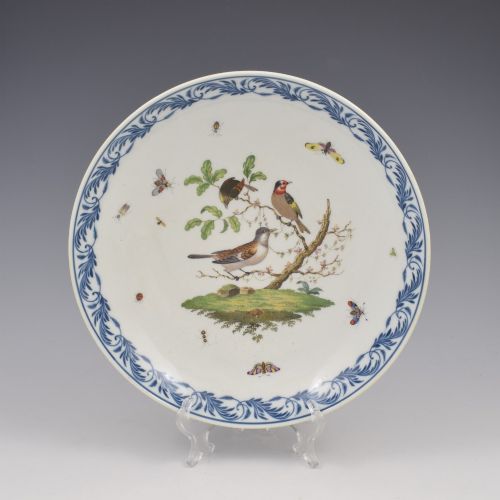
The distinction between standard output and the finest examples lies in the discipline of the brushwork and the clarity of the glaze. Superior pieces exhibit confident, hand-painted narratives - such as court scenes or ornithological studies - executed with precision rather than mechanical repetition.
Consideration also rests upon the complexity of the form and the preservation of delicate embellishments, such as unblemished gilding, crisp blue and white contrast, and intact applied elements like flowers or figures.
Dr Wall Worcester·Meissen·Spode·Royal Worcester·Schierholz Plaue
The Large Porcelain Dish Glossary
- Charger
- A large decorative plate, typically measuring over thirty centimetres in diameter, intended primarily for display on a wall or sideboard rather than dining use.
- Imari
- A style of Japanese export porcelain characterised by a palette of underglaze blue, iron red, and gold, produced in Arita from the Edo period onward.
- Moriage
- A decorative technique using a clay slip applied to pottery from a pastry bag-like tool to create raised, textured patterns before glazing and firing.
- Famille Verte
- A Chinese porcelain palette dominated by green enamel overglaze, developed during the Qing dynasty and complemented by blues, reds, and yellows.
- Centrepiece
- A large ornamental vessel or basket placed in the middle of a table, often featuring applied figures, fruit, or openwork porcelain.
Large Porcelain Dish: Frequently Asked Questions
How were large antique porcelain dishes used?
These large vessels served primarily as display pieces on sideboards or walls, demonstrating the status and wealth of the household through imported Asian wares or elaborate European ceramics.
In dining contexts, smaller variants held fruit or sweetmeats, while grander chargers remained decorative focal points within the reception rooms of country houses.
What is felspar porcelain?
Felspar porcelain is an innovative body paste introduced by English potteries during the nineteenth century, incorporating feldspar to increase durability and whiteness.
This material allowed factories like Spode to produce robust yet refined dishes capable of holding rich enamels and detailed hand-painted landscapes.
How should I display a large charger safely?
Displaying a heavy charger requires a sturdy, coated wire wall hanger designed to distribute the weight evenly across the rim and base without causing friction damage.
If placed on a table or cabinet, use a stable, padded easel that supports the full depth of the foot ring and prevents the piece from tipping forward.
What does Meiji period mean for Japanese porcelain?
The Meiji period spans the late nineteenth and early twentieth centuries, marking an era of intense artistic output aimed at Western export markets following the opening of trade.
Pieces from this time, including Satsuma wares and intricate Kutani chargers, are known for their ambitious scale and densely populated decorative schemes.