



Large Looking Glass
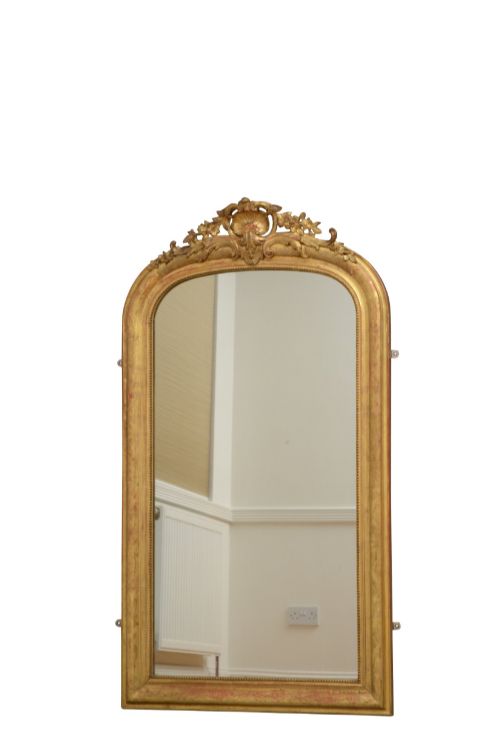
A large antique looking glass brings depth and scale to a room, reflecting light through centuries of carved wood and gilt frames.
Large Looking Glass
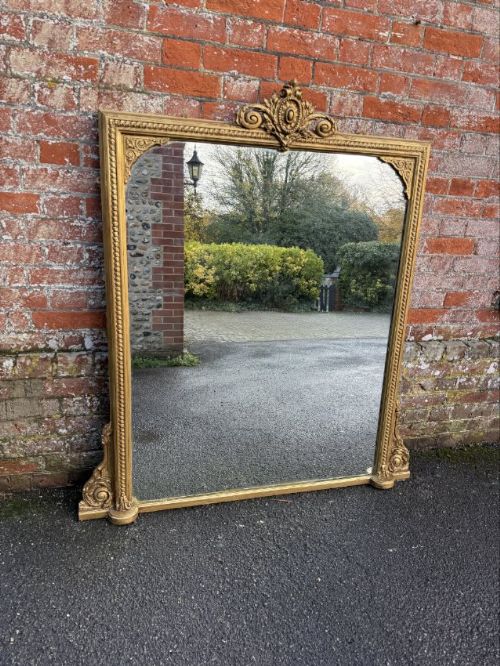
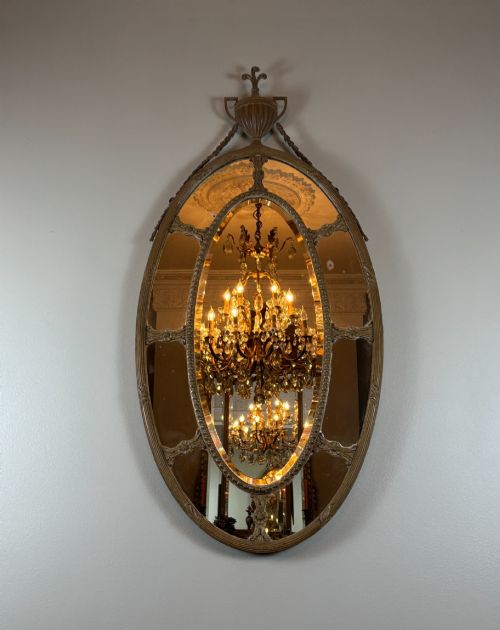
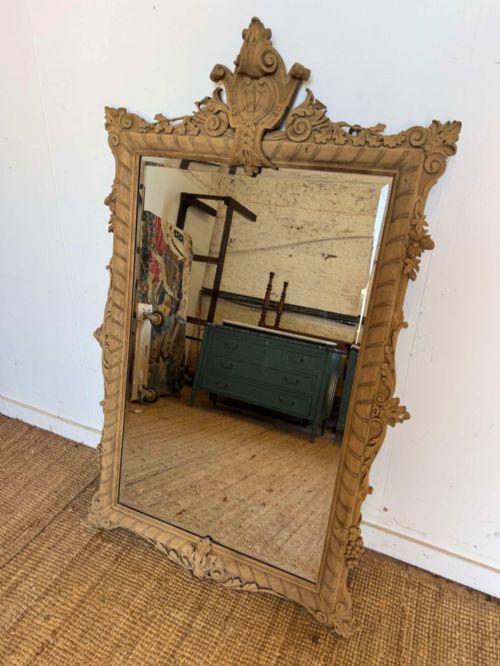
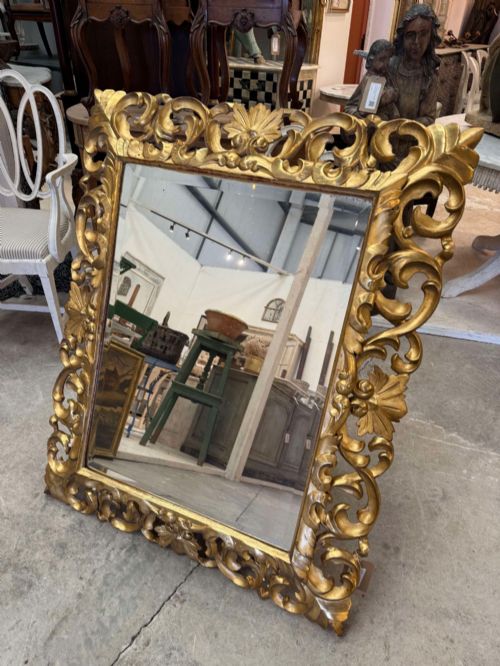
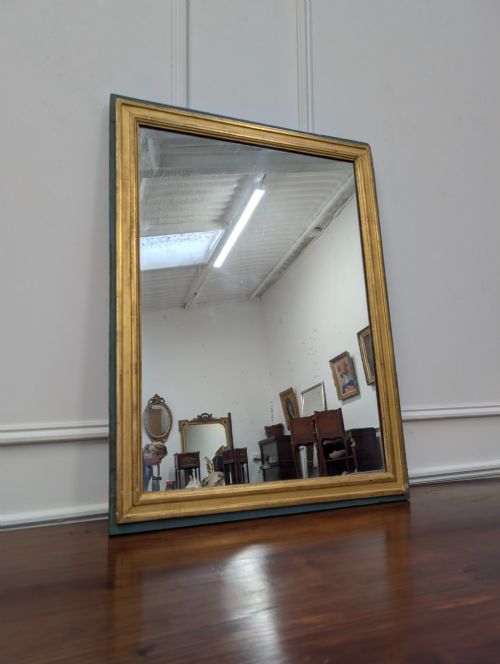
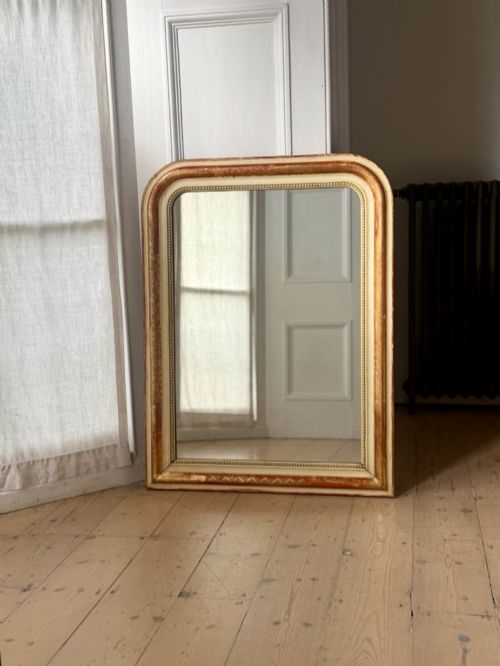
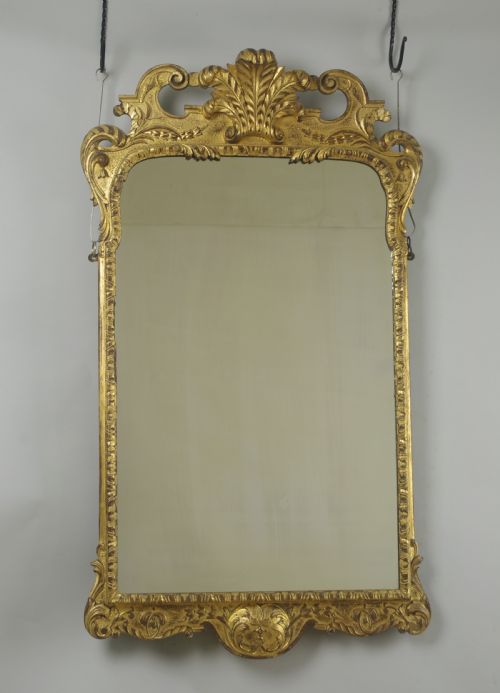
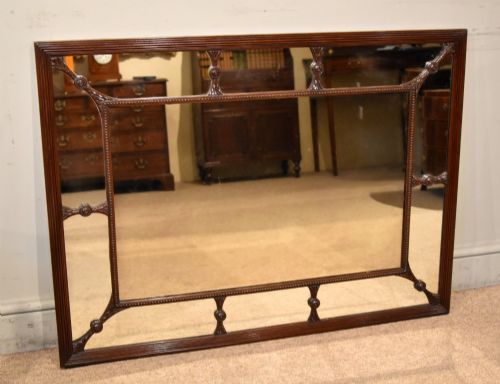
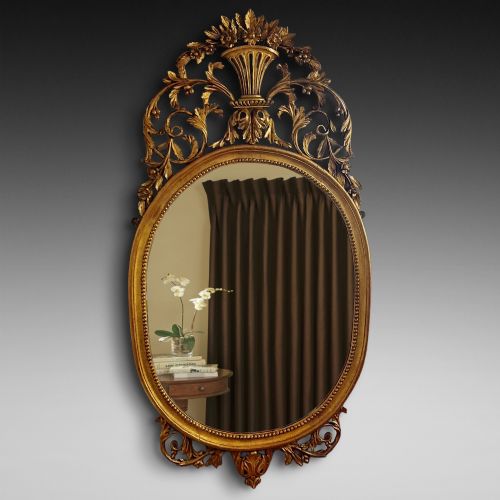
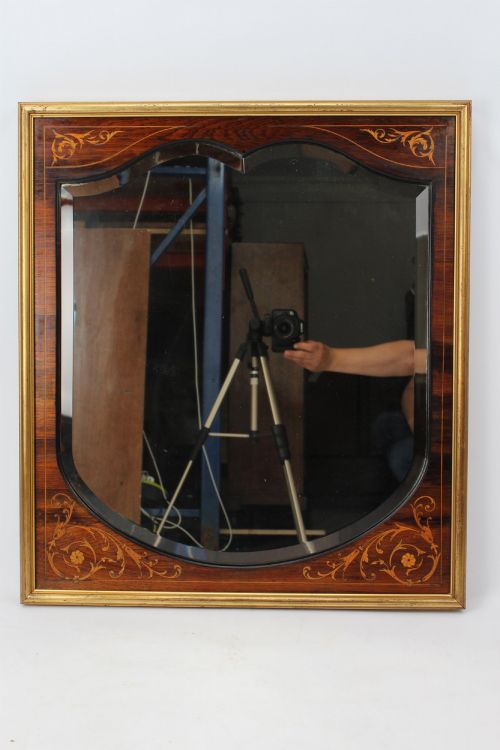
A large antique looking glass serves primarily as a wall mirror or overmantle mirror, designed to anchor a principal room with substantial scale and reflective presence. The pieces gathered under this phrase span from the seventeenth century through the Victorian era, taking the form of wall mirrors, overmantles, and floor-standing cheval mirrors.
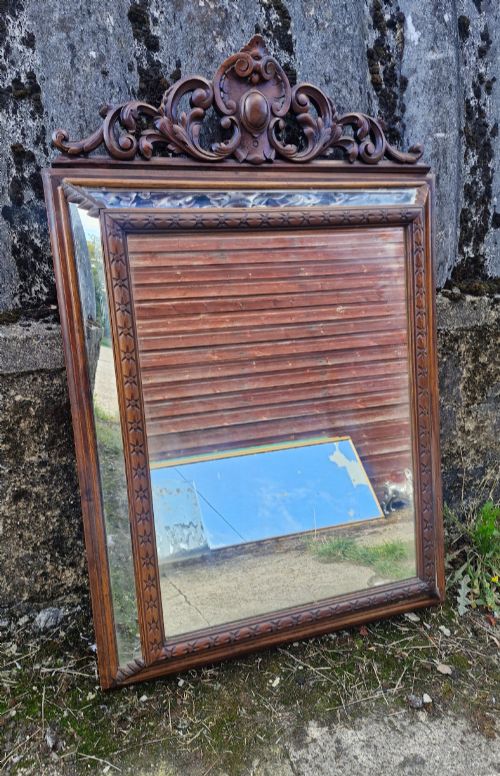
Buyers most frequently encounter nineteenth-century examples on this page, particularly Victorian and Regency overmantle mirrors alongside substantial carved oak wall mirrors. These objects originate from English, French, and Italian workshops, reflecting diverse regional tastes in domestic decoration and grand interior architecture.
Earlier survivals from the eighteenth and seventeenth centuries appear alongside these Victorian pieces, offering refined proportions and historic gilt surfaces. Whether shaped as ovals or grand rectangles, each large antique looking glass fulfills both a decorative and a practical function within the home.
How they were made
Craftsmen shaped these frames from solid timbers such as oak, walnut, and rosewood, often applying intricate hand-carving directly to the wood substrate. Many frames incorporate gesso and gold leaf or paint applied over carved wood mouldings to achieve rich metallic finishes.
Makers utilised silvered mirror glass set within these heavy wooden and gesso structures, occasionally employing sand-moulded gesso techniques for textured decorative detail. The integration of original mirror glass and structural timber reveals traditional joinery and finishing methods passed down through generations of cabinet makers and gilders.
Large Looking Glass Retail Price Guide 2026
Typical asking prices for large looking glass among the pieces listed under this phrase on Sellingantiques today, from the lower quarter to the upper quarter. They describe what is for sale here now, not the wider market.
The inventory records diverse forms including wall mirrors, overmantles, and freestanding cheval mirrors originating from English, French, and Italian workshops.
What varies in quality
The sophistication of the hand-carved ornamentation distinguishes finer pieces from simpler domestic examples, with crisp undercut foliage and detailed moulding marking superior craftsmanship. The depth and execution of the gesso work, alongside the richness of the original gilding or walnut veneer, further separate standard production from exceptional artistry.
The integrity of the structural frame and the survival of the original mirror glass significantly influence the character of each piece. Superior examples maintain balanced proportions, harmonious scale, and authentic period surfaces that reflect the atelier standards of their origin.
William Kent
The Large Looking Glass Glossary
- Looking glass
- An historic term for a mirror, specifically one manufactured with high-quality reflective glass. These objects were prized household possessions valued for both utility and light enhancement.
- Gesso
- A plaster-like material applied to wood frames to create a smooth surface for gilding or painting. Artisans carved intricate relief patterns directly into this compound before applying gold leaf.
- Giltwood
- Timber that has been coated with thin sheets of gold leaf. This finish provided opulent reflection and was a hallmark of formal Georgian and Victorian reception rooms.
- Overmantle
- A large mirror specifically designed to hang above a fireplace mantelpiece. These horizontal pieces visually expand the hearth area and reflect interior lighting.
- Cheval mirror
- A freestanding full-length dressing mirror suspended on a frame with pivoting pivots. These floor-standing glasses allowed individuals to view their entire attire.
Large Looking Glass: Frequently Asked Questions
How do I hang a heavy looking glass?
Large antique mirrors require secure wall fixings distributed across the main structural frame to support significant weight safely. Professional installation into masonry or wall studs is essential for these substantial pieces.
Ensure the hanging wire or integrated brackets match the heft of the carved oak or giltwood structure. This prevents strain on historic joints and keeps the frame stable against the wall.
Where should I place an overmantle mirror?
An overmantle mirror naturally anchors the space directly above a fireplace, drawing the eye upward and enhancing room height. Placing it opposite a window also maximises natural daylight distribution across the interior.
Consider the surrounding wall proportions so the large scale of the glass commands the room without overwhelming adjacent furniture. Positioning it at a considered height ensures optimal reflection of people and furnishings.
How do I tell Victorian from Georgian mirrors?
Georgian mirrors often display classical restraint, featuring Neoclassical symmetry, carved giltwood, and precise architectural lines influenced by Palladian design. Victorian examples frequently exhibit heavier proportions, ornate overmantle formats, and diverse revival styles including Rococo and French Chateau.
Examining the underlying timber, framing techniques, and decorative motifs helps clarify the specific nineteenth or eighteenth-century period of origin. Material choices such as rosewood and sand-moulded gesso point towards later Victorian production.
Can I clean the original mirror glass?
Original mirror glass benefits from gentle cleaning using a soft dry cloth to remove dust without disturbing historic surfaces. Avoid harsh chemical sprays that might seep behind the antique silvering and cause further degradation.
Accepting minor foxing and age spots preserves the authentic character and history of the glass. Careful maintenance protects both the reflective plate and the surrounding carved frame.